


Blog
South Africa Export Guide: Solving Port Delays & Logistics Hurdles in 2026
Strategies for Growth in 2026
I’ve spent the last two decades building and scaling businesses in international trade, and nothing frustrates me more than watching talented South African exporters get held back by avoidable obstacles. In 2025, our country’s exports are showing real promise—agricultural shipments are booming, commodity prices remain strong, and new markets in Asia and the Middle East are opening up. Yet many of us are still wrestling with port delays, infrastructure bottlenecks, regulatory hurdles, and global trade tensions that can wipe out hard-earned margins overnight.
South Africa’s Agricultural Exports
The good news? These challenges are not insurmountable. I’ve navigated them myself, turning potential losses into consistent growth by focusing on preparation, diversification, and smart financial tools. In this comprehensive guide, we’ll break down the biggest export challenges from South Africa in 2026, explain why they’re happening, and give you actionable steps to overcome them. By the end, you’ll have a clear roadmap to protect your business and scale your exports sustainably.
Why South African Exports Matter—and Why 2026 Is a Pivotal Year
South Africa remains Africa’s export powerhouse. In 2025, total exports are projected to hover around US$110–120 billion, with agriculture, minerals, vehicles, and manufactured goods leading the way. Key products include:
- Platinum, gold, and other precious metals (still the top earner)
- Iron ore, coal, and chrome
- Vehicles and automotive parts
- Citrus, wine, maize, and other fruits
- Machinery and chemicals
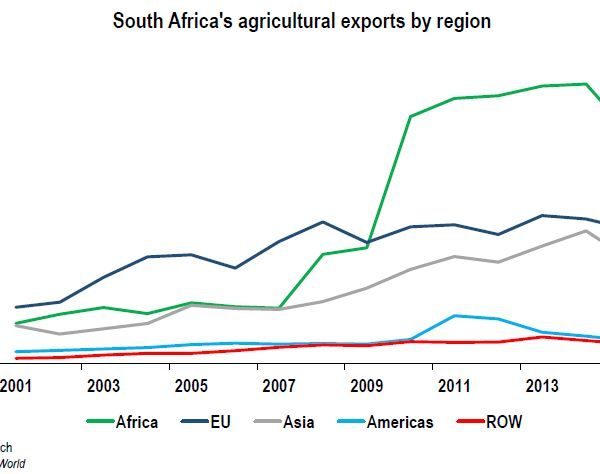
Major markets? China (around 11% of exports), the United States, Germany, Mozambique, and the UK. Africa itself is our fastest-growing destination, accounting for 30–40% of agricultural shipments.
But here’s the reality: despite solid demand, export growth is being capped at 3–4% annually because of domestic constraints. According to the World Bank and local reports, port inefficiencies alone cost the economy billions in lost revenue each year. I’ve seen firsthand how a single shipment delay can turn a profitable deal into a loss.
The question isn’t whether South Africa can export more—it’s whether we can fix the barriers holding us back.
The Biggest Export Challenges from South Africa in 2026
Let’s get straight to the pain points. These are the issues I hear about most from fellow exporters.
1. Logistics and Port Congestion: The Silent Profit Killer
South Africa’s ports—Durban, Cape Town, and Port Elizabeth—are among the continent’s best on paper, but in practice, they’re plagued by:
- Chronic backlogs — Ships waiting 7–14 days to berth (sometimes longer)
- Equipment breakdowns — Cranes and trucks out of service
- Rail bottlenecks — Transnet’s underinvestment means more cargo shifts to expensive road transport
- Weather and labor disruptions — Storms and strikes add unpredictable delays
According to the National Logistics Crisis Committee, these issues have reduced port productivity by up to 30% compared to global benchmarks. For perishable goods like citrus or wine, a few extra days can mean rejected containers and lost contracts.
Why it happens: Years of underinvestment in maintenance, combined with high theft and mismanagement, have created a vicious cycle. Exporters pay the price in demurrage fees and damaged goods.
2. Infrastructure and Energy Constraints
Load-shedding may be less frequent in 2025, but it’s still a risk for manufacturers. Rail freight remains unreliable, forcing companies onto overcrowded roads. Poor rural infrastructure also raises costs for agricultural exporters.
3. Regulatory and Compliance Hurdles
- B-BBEE requirements — Complex equity rules can deter foreign partnerships
- Phytosanitary and SPS standards — Especially strict in the EU and US
- Customs delays — Paperwork errors or slow processing at SARS
- New global regulations — EU anti-deforestation rules (EUDR) and carbon border taxes (CBAM) are hitting agricultural and mineral exports
4. Global Trade Tensions and Tariffs
The reintroduction of US tariffs (up to 30% on steel, aluminum, and vehicles) has already cost automotive exporters dearly. Geopolitical risks—Red Sea disruptions, US-China friction—add volatility to freight rates and supply chains.
5. Currency Volatility and Financing Costs
The rand’s swings make it hard to price contracts and hedge risks. High interest rates also make working capital expensive.
Export from South Africa
How to Overcome These Export Challenges: Practical Strategies
Here’s what works based on my experience and what top exporters are doing right now.
Geopolitical Risks in Global Trade
Step-by-Step Logistics Fixes
- Diversify your shipping routes — Use Maputo or Walvis Bay for certain cargoes to bypass Durban congestion.
- Build buffer stock and earlier lead times — Plan 20–30% extra time for shipments.
- Partner with reliable freight forwarders — Choose ones with real-time tracking and strong port relationships.
- Invest in private cold-chain solutions — For perishables, use independent cold stores near ports to avoid delays.
- Push for private-sector involvement — Many exporters are now supporting Transnet’s recovery plan through public-private partnerships.
Strengthening Compliance and Market Access
- Get certified early — GlobalGAP, Fairtrade, or organic certifications open doors and reduce rejection risks.
- Use digital tools — SARS’s online portals and platforms like Tendify.net can speed up documentation.
- Diversify markets — Shift focus to Asia, India, and the Middle East where demand is growing fastest.
Managing Financial Risks
This is where many exporters miss out. Currency fluctuations and high financing costs can eat 10–15% of margins. That’s why I always recommend using a Tax-Free Savings Account (TFSA) as part of your financial toolkit.
Why a TFSA Is a Game-Changer for South African Exporters
A TFSA lets you invest up to R36,000 per year (lifetime cap R500,000) with zero tax on interest, dividends, or capital gains. Over time, that tax-free compounding can build a substantial buffer for:
- Hedging currency risk
- Funding new market entry
- Covering unexpected logistics costs
Imagine you’re a citrus exporter. You earn strong rand profits during the season but face rand weakness later. By parking a portion of your profits in a TFSA invested in global equities or ETFs, you protect and grow that capital tax-free—something a regular investment account can’t match.
According to financial experts, maxing your TFSA contributions over 10–15 years can deliver hundreds of thousands in extra wealth thanks to compounding. For business owners, it’s one of the simplest ways to build personal financial resilience while scaling your export operations.
Unlocking Supply Chain Opportunities in Saudi Vision 2030
Quick comparison:
| Investment Type | Annual Tax on Returns | Lifetime Tax-Free Limit | Best For Exporters Because… |
|---|---|---|---|
| Regular Brokerage Account | Up to 18% CGT + dividends tax | None | Good for large sums, but taxes erode growth |
| Retirement Annuity | Tax-deductible contributions, tax-free growth | Unlimited (but locked until 55) | Long-term retirement focus |
| TFSA | Zero tax on all growth | R500,000 lifetime | Flexible withdrawals, perfect for business buffers and currency hedging |
Scaling Your Export Business in 2026
- Audit your supply chain — Identify single points of failure.
- Build strong buyer relationships — Long-term contracts reduce price volatility.
- Leverage digital platforms — Sites like Tendify.net make it easier to connect with verified international buyers without middlemen.
- Stay informed — Follow updates from the Department of Trade, Industry and Competition (DTIC) and the National Logistics Crisis Committee.
Final Thoughts: Turning Challenges into Competitive Advantage
I’ve seen too many good businesses get crushed by logistics delays or currency shocks. But the exporters who thrive in 2025 are the ones who prepare, diversify, and protect their profits smartly.
South Africa has incredible resources, talented people, and growing global demand. Fix the internal barriers, use tools like a TFSA to build financial strength, and you’ll not only survive—you’ll dominate.
If you’re serious about scaling your exports and want a reliable platform to connect with global buyers, join Tendify.net today. We’ve helped hundreds of South African businesses find trusted partners, secure better prices, and grow sustainably—without the middleman headaches.
Sign up for free at Tendify.net and start turning your export potential into real results.

