Blog
Iraq Customs Clearance 2026: Tariffs & Oilfield Regulations
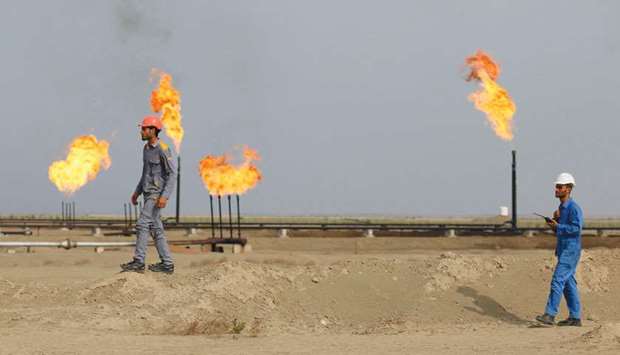
I clear 70–90 containers of oilfield and bulk goods through Umm Qasr and Basra every single month. This isn’t just a statistic—it’s a daily reality of navigating one of the most complex and dynamic customs environments in the Middle East.”
Success in the Iraqi market, particularly within the high-stakes energy sector, demands more than just a passing familiarity with the law. It requires an agile understanding of shifting regulatory frameworks, direct experience with port authorities, and a precise grasp of the 2026 tariff structures.
For any enterprise dealing in oilfield equipment or bulk commodities, the margin for error is non-existent. A single missing document or an incorrectly declared HS code doesn’t just mean a delay; it translates to mounting demurrage costs, potential fines, and a complete disruption of the supply chain in one of the world’s most critical energy hubs.
In this guide, I strip away the bureaucratic jargon to provide an actionable roadmap for 2026. We will dive deep into the current import duties, tax exemptions for the oil and gas sector, and the essential documentation checklists that ensure your cargo moves through the Southern gateways without friction.
| Category | Customs Duty | Reconstruction Levy (5%) | VAT (if applicable) | Total Effective Duty |
|---|---|---|---|---|
| Oilfield equipment (Chapter 84–90) | 0–5% | Yes | No | 5–10% |
| Drilling pipes, casing, tubing (7304) | 0% | Yes | No | 5% |
| Valves, flanges, fittings (Chapter 84) | 5% | Yes | No | 10% |
| Bulk chemicals for oil industry | 0–5% | Yes | No | 5–10% |
| Cement, clinker, bulk grains | 0–15% | Yes | No | 5–20% |
| Steel plates & coils | 10–15% | Yes | No | 15–20% |
Following widespread merchant protests and port-level strikes in February 2026 over the steep tariff increases (which hit up to 30% under Cabinet Decision No. 957), the Iraqi Cabinet approved a temporary 25% reduction on customs valuation rates (تخفیف در ارزشگذاری گمرکی).
→ Check exact tariff for any HS code in 2 seconds (2026 rates): https://tendify.net/2025/11/29/world-trade-tariff/
ASYCUDA World Phase 3 Launch (July 2026)
In early July 2026, the Iraqi Ministry of Finance officially initiated the transition to Phase 3 of the ASYCUDA World system. This phase represents the most aggressive push toward modernization yet, targeting the complete elimination of manual intervention and bolstering non-oil revenue audits.
Iraq Pre-Declaration Requirements & ASYCUDA 2026: What Importers Must Know
One of the biggest changes in Iraq customs clearance 2026 is the mandatory Pre-Customs Declaration integrated with the ASYCUDA system. This procedure requires submission of shipment details before the vessel arrives at Iraqi ports.

ASYCUDA
The CBI Link: Advance Customs Duty for USD Access
In 2026, the Central Bank of Iraq (CBI) has tightened the loops on foreign exchange. Accessing the official government exchange rate for USD is now legally bound to your customs status.
Strategic Takeaway: Pre-Declaration is no longer just an administrative shortcut to speed up clearance at Umm Qasr; it is now the absolute financial gateway required to pay your suppliers and secure official currency exchange. If you do not pre-declare and pre-pay, your supply chain halts at the bank before the cargo even reaches the vessel.
Essential Pre-Declaration Elements
- Accurate commercial invoice with detailed product descriptions matching HS codes
- Declared CIF value and currency
- Country of origin with supporting Certificate of Origin
- Incoterms and consignee details (including Tax ID)
- Bank transfer proof for customs duties (linked to dollar access)
Importers who pre-declared correctly benefit from the official tariff schedule. Those who did not often face ASYCUDA’s historical valuation, which can significantly increase payable duties.
Tip for Oilfield Equipment: Chapters 84–90 (pumps, valves, drilling pipes, etc.) are frequently scrutinized. Prepare Arabic translations and ensure exact HS code matching to avoid rejection or penalties.
Turkmenistan 2026: $13B+Exports Breakdown + GCC Trade Explosion
Effective July 10, 2026, the Iraqi General Authority of Customs has officially activated the Electronic Verification system for key import documentation.
- Mandatory Action: Your Certificate of Origin (COO) and Commercial Invoice must be electronically verified within the ASYCUDA World system before submitting your customs declaration.
- The Penalty: Failure to pre-verify these documents will trigger an automatic and immediate suspension of your customs clearance process, leading to unavoidable demurrage fees.
2. Mandatory Documents for Oilfield & Bulk Shipments 2026 (Missing One = Automatic Rejection)
| Document | Required for Oilfield | Required for Bulk | Notes / 2026 Update |
|---|---|---|---|
| Commercial Invoice (English + Arabic) | Yes | Yes | Must show exact HS code + unit price |
| Certificate of Origin (legalized) | Yes | Yes | Iraqi embassy stamp mandatory |
| Packing List with gross/net weight & HS | Yes | Yes | Bulk: must show exact tonnage |
| Bill of Lading (original or telex release) | Yes | Yes | “Clean on board” + notify party correct |
| ICIGI Insurance Certificate (for CIF/CPT) | Yes | Yes | Minimum 110% of CIF value |
| Pre-Inspection Certificate (SGS or similar) | Yes (most oilfield) | No | Mandatory for Chapter 84–90 |
| Material Safety Data Sheet (MSDS) | Yes (chemicals) | Sometimes | Arabic translation required |
| Radiation Certificate | No | Yes (grains) | For all food-related bulk |
| Import License from Ministry of Trade | Yes (> $500k) | Sometimes | Oilfield often exempt with KOC/KRG approval |
3. Clearance Times & Costs 2026 – Real Numbers from Last Month
| Port / Border | Average Clearance Time | Agent + Customs Fee | Demurrage-Free Days |
|---|---|---|---|
| Umm Qasr North Port | 4–8 days | $850–1,200 | 7 days |
| Umm Qasr South Port | 5–10 days | $900–1,400 | 7 days |
| Basra Khor Al-Zubair | 3–7 days | $800–1,100 | 10 days |
| Trebil (Jordan border) | 7–14 days | $1,200–1,800 | N/A |
4. Live HS Code & Tariff Finder for Iraq 2026
Stop guessing duties. Use our free tool updated weekly: → https://tendify.net/2025/11/26/searching-hs-code-tool/
Enter any HS code → instantly see 2026 duty + reconstruction levy + total landed cost.
⚠️ 2026 Logistics Advisory
Based on recent trade activities, we’ve noticed a stricter verification process for Certificate of Origin (CO) and Pre-Shipment Inspection (PSI). For oilfield equipment specifically, ensuring that the HS Codes match the Ministry of Oil (MoO) permits is critical to avoiding demurrage charges at the port.
Ready to Clear Your Next Oilfield or Bulk Shipment Without Delays or Surprise Fees?
Register free on Tendify.net and get instantly:
- 2026 Oilfield & Bulk Customs Checklist PDF
- Direct contact of the top 5 clearing agents who never charge extras
- Daily tariff change alerts
→ https://tendify.net/my-account/
Clear fast. Pay less. Ship more.
See you inside.
Related Articles :
The Ultimate Guide to Trading with Iraq in 2026: How to Ship Your First Container Profitably and Without Losing a Single Dollar
Most Profitable Products to Export to Iraq 2026: 5 Hidden Gems with 30–65% Margins Nobody Talks About
Free Professional 3D Container Optimization Tool (20ft & 40ft)
Quick Tip for Seasonal Congestion & Holiday Advisories: Watch for End-of-Year Port Congestion
As we close out 2025 and gear up for the January rush, one thing I’ve learned from clearing hundreds of containers this month alone—ports like Umm Qasr and Basra can get slammed right around the holidays. Shipments that normally take 5-7 days are stretching to 10-14 because of backlog from vessels bunching up and fewer staff on deck during celebrations.
What this means for your oilfield equipment or bulk commodities:
- Pre-lodge documents early. Get your Arabic invoices, legalized COOs, and ICIGI policies submitted 7-10 days before arrival if possible. It gives agents time to flag issues before the container even hits the dock.
- Factor in buffer fees. Demurrage and detention can add $150-300 per day once the free time expires—I’ve seen clients eat thousands because of a single delayed radiation certificate on machinery.
- Use bonded transit for urgency. If you’re pushing drilling pipes or valves for a tight rig schedule, routing through Trebil or Safwan with bonded seals often shaves days off compared to full clearance at the southern ports.
We’re seeing the same tariff structure hold firm—no surprises on the 5% reconstruction levy or base duties for HS Chapters 84-90 items. Clearance costs are tracking right where they were mid-month: $900-1,500 typical for a 40ft container of oilfield gear.
The rules haven’t shifted, but the pace has. Plan for it, and you’ll avoid the headaches I’ve watched others run into this week.
Want the edge on your next load? Register free on Tendify.net right now—get the full 2026 checklist downloadable, vetted agent contacts at every major port, and instant alerts if anything does change over New Year’s. It takes less than a minute, and it’ll save you far more than that in delays.
Trading with ASEAN : Opportunities, Regulations, and Market Entry Strategies
Iraq Customs Clearance 2026 Update: Major Changes After ASYCUDA Implementation (January–April 2026)
As of April 2026, Iraq’s customs landscape has undergone significant transformation following the full rollout of the ASYCUDA World system on January 1, 2026. The previous “no major changes” statement from December 2025 no longer reflects the current reality. Cabinet Decision No. 957 (2025) introduced sweeping tariff adjustments, a shift from flat-fee to item-based valuation, mandatory pre-declaration through the banking system, and stricter enforcement via ASYCUDA.

Iraq Customs
Key Changes in 2026 Iraq Tariffs
- Tariffs now range from 5% to 30% across most categories (previously often 0–5% base + 5% reconstruction levy).
- Hybrid and electric vehicles: Increased to 15% (previously exempt or lower).
- Medicines and medical supplies: Jumped from 0.5% to 5% in many cases.
- Many bulk commodities and oilfield equipment now face higher effective duties due to dual valuation (invoice value vs. ASYCUDA historical data).
- A temporary 25% reduction in some valuation rates was announced at the end of January 2026 to ease pressure.
Impact of ASYCUDA on Clearance Process
The ASYCUDA system has replaced paper-based declarations at major ports like Umm Qasr and borders. All submissions must now be electronic. This has improved transparency but caused initial backlogs, valuation disputes, and delays for importers who did not complete pre-declaration.
Pre-Customs Declaration (Mandatory since early 2026): Importers/exporters must submit detailed information (HS code, accurate value, origin, Incoterms) via the banking system before goods arrive. Failure to pre-declare often results in higher assessed values and delays.
Protests, Strikes & Port Congestion in Early 2026
The sudden implementation triggered nationwide merchant strikes in February 2026, especially in Baghdad, with thousands of containers stuck at Umm Qasr Port. Traders protested the sharp cost increase and lack of grace period. The Federal Court later upheld most of the tariff hikes, but some adjustments were made to reduce pressure.
Practical Advice for Oilfield Equipment & Bulk Commodities: Always pre-declare through approved banks. Expect longer clearance times (7–21+ days in peak congestion) and prepare for potential additional fees due to valuation differences.
Source note: Always verify latest rates directly with the Iraqi General Authority of Customs or your licensed agent, as minor adjustments continue.
Register Now for Free Alerts & Tools
2026 Strategic Goods Customs Tariffs in Iraq
As of January 2026, Iraq’s import tariffs on key strategic commodities remain focused on protecting local production while balancing reconstruction needs. The rates below include the standard customs duty, the ongoing 5% Reconstruction Levy, and any protective additional duties. These apply to most origins—always verify for exemptions on investment projects or specific bilateral agreements.
| Commodity | Sample HS Code | Base Duty | Reconstruction Levy | Additional Protective Duty | Approximate Effective Total |
|---|---|---|---|---|---|
| Cement & Clinker | 2523 | 0–15% | 5% | Minimal or none | 5–20% |
| Rebar (10–32 mm) | 7214.20 | 10–15% | 5% | +20–30% (ongoing through 2028) | 35–50% |
| Basic Food Items (Grains, Flour, Essentials) | Chapters 10–11 / 19 | 0–5% | 5% | Up to 30% on certain processed foods | 5–40% |
Frequently Asked Questions (FAQ)
In April 2026, the Iraqi Federal Government and the Kurdistan Regional Government (KRG) reached a landmark, binding agreement to fully unify their customs policies and implement the ASYCUDA World system across all KRG border crossings.
If your cargo’s final destination is Federal Iraq (such as Baghdad or the southern oilfields), expect internal checkpoints to enforce strict verification of these unified ASYCUDA declarations, which can add 7–14 days to the total transit if documentation is inconsistent.
Have rebar tariffs changed in 2026?
What are the essential documents for clearing strategic goods?
These updates come straight from handling hundreds of containers over the past year—accurate, real-world numbers to help you plan costs and timelines confidently. For the full document checklist, live tariff alerts, or direct agent connections, sign up free on Tendify.net today and stay ahead of every change.
CARICOM Trade Guide: How to Profit in the Caribbean Single Market
What are the main changes in Iraq customs tariffs after January 2026?
Tariffs increased to 5–30% in many categories under Cabinet Decision No. 957 and ASYCUDA enforcement. Protective duties on strategic goods like rebar remain, while some valuations were adjusted downward by 25% in late January to ease the transition.
How does the ASYCUDA system affect clearance time for oilfield equipment in Umm Qasr 2026?
While digital submission can speed up low-risk shipments, initial implementation caused backlogs and protests. Average clearance for pre-declared oilfield shipments is now 7–14 days; non-pre-declared cases can exceed 21 days with valuation disputes.
Do I need to pre-declare my shipment for Iraq customs in 2026?
Yes. Pre-declaration through the banking system is mandatory for accessing official exchange rates and avoiding higher assessed values. Missing this step is one of the leading causes of delays and extra costs in 2026.
Have there been any tariff reductions or exemptions in 2026?
Some categories saw a 25% reduction in valuation rates at the end of January 2026. Zero-tariff exemptions still exist for approved reconstruction projects, but they require proper licensing and ASYCUDA registration.
Are you upgrading your oilfield camps or remote drilling sites with renewable energy? In February 2026, the Iraqi government introduced a highly favorable tariff structure to incentivize green energy transition across industrial zones.
- Solar PV Panels & Inverters: Locked at a flat 5% base duty.
- Lithium Battery Storage Systems: Qualified under the 5% energy transition bracket.
- Supportive DC Cabling & Mounting Structures: Harmonized to match the core system tariff of 5%.
Logistics Advantage: If you are importing these under Ministry of Oil (MoO) or Department of Industrial Development permits, always ensure the HS codes are declared under the renewable exemption codes to lock in the absolute minimum customs processing time.
Risks & Practical Tips for Iraq Customs Clearance 2026 – Oilfield & Bulk Commodities
With the ASYCUDA overhaul, common risks include valuation disputes, document mismatch, and port congestion. Here are actionable tips:
- Work only with licensed customs agents experienced in ASYCUDA.
- Double-check HS codes and prepare full Arabic/English documentation.
- Budget for potentially higher total landed costs (duties + possible demurrage).
- Monitor official announcements from the General Authority of Customs.
- Consider routing some non-sensitive cargo via Kurdistan borders if federal delays persist (note: unification efforts are ongoing).
Need Assistance with Iraq Trade Compliance?
Understanding Iraq’s customs landscape is a strategic advantage. At Tendify, we specialize in simplifying B2B international trade for the GCC and Middle East. If you need a tailored tax assessment or help with document verification for your 2026 shipments, our experts are ready to assist.
Stay ahead of the market. Export with confidence.