Blog
Bitumen Triangle 2026: Why These 3 Countries Control the Asphalt Game

Imagine this: a single shipment of high-grade bitumen leaves an Iranian refinery, sails through the Strait of Hormuz, docks in Jebel Ali, and within weeks, it’s paving highways in Mumbai. This isn’t a rare event—it’s the daily rhythm of a trade triangle that’s quietly reshaping how the world builds its infrastructure. With global bitumen demand projected to hit $60 billion in 2026, driven by massive urbanization in Asia and the Middle East, Iran, India, and the UAE form the core of this ecosystem. As a trader who’s navigated these waters for over two decades, I’ve seen firsthand how this triangle turns volatility into opportunity. But why does it matter now? Because in 2026, with infrastructure booms in Saudi Vision 2030 and India’s Smart Cities, missing this dynamic could cost your business millions.

Reshaping Global Asphalt Profits
In this guide, we’ll break down the mechanics of the Bitumen Triangle, from production bottlenecks to re-export strategies. We’ll use real data from sources like the World Petroleum Bureau and Precedence Research to explain the “why” behind the trends, and I’ll share actionable steps to help you capitalize on them. Whether you’re sourcing, shipping, or selling asphalt, this is your roadmap to staying ahead.
The Powerhouse Producer: Iran’s Dominance in Bitumen Supply
Iran isn’t just a player in the global asphalt market—it’s the foundation. Producing over 6 million tons annually, the country accounts for about 20% of worldwide bitumen output, according to 2026 projections from the International Energy Agency. This dominance stems from vast crude oil reserves and advanced refining capabilities, but it’s the quality and cost-efficiency that keep buyers coming back.
From my experience closing deals in Tehran, Iran’s bitumen edges out competitors like Venezuela or Russia due to its consistency in viscosity grades. Take penetration-grade bitumen: Iran’s refineries excel at producing 60/70 and 80/100 specs, which are ideal for hot climates. These grades resist rutting in temperatures above 50°C, a must for Middle Eastern and South Asian roads.

Inside the Bitumen Triangle
But production isn’t without hurdles. Sanctions have forced innovations in logistics, pushing exports through indirect routes. In 2025, Iran’s bitumen exports dipped 6.2% year-over-year, yet they’re rebounding in 2026 with new bilateral agreements. Data from ReportLinker shows exports could stabilize at 9.7 million kilograms, focusing on high-margin markets.
Cold Chain in Oman: Beating 50°C Heat Without Losing a Single Load
Key Iranian Bitumen Grades and Their Global Appeal
- 60/70 Penetration Grade: The workhorse for road paving, with softening points of 49-56°C. Perfect for India’s monsoon-prone areas.
- 80/100 Penetration Grade: Softer and more flexible, used in cooler climates or airport runways. UAE re-exporters favor this for African markets.
- VG-30 Viscosity Grade: Compliant with Indian standards, offering better temperature susceptibility.
To source effectively, always verify ASTM D946 specs—I’ve lost shipments to non-compliance. Platforms like Tendify’s AI Market Pulse can scan real-time sentiment, helping predict price swings from $300-400 per ton.
Export Challenges and Workarounds from Iran
Geopolitics aside, the real pain point is transportation. Bulk shipments via Bandar Abbas face delays, but using flexitanks in containers cuts costs by 15%. One client saved $50,000 on a 1,000-ton deal by switching to bitutainers—sealed, heated units that prevent solidification.
If you’re new to Iranian sourcing, start with vetted suppliers through tools like Tendify’s Sanctions Pro, which monitors compliance in real-time. It’s not just about price; it’s building a resilient supply chain.
UAE & Saudi Arabia in BRICS+: The New Trade Routes Every GCC Exporter Must Know in 2026
The Massive Consumer: India’s Surging Demand for Asphalt
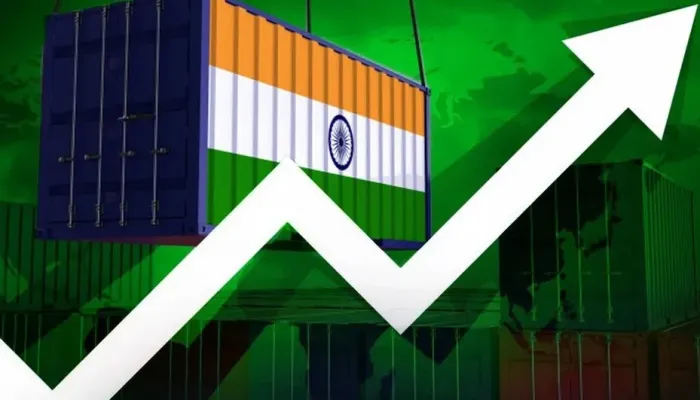
Shift to India, and you’re looking at the world’s hungriest bitumen market. With imports exceeding 7 million tons in 2025—projected to grow 5% in 2026 per Grand View Research—India’s infrastructure push under Bharatmala and Smart Cities is insatiable. Roads alone consume 70% of imports, but airports and urban projects are catching up.

Why the Bitumen Triangle Is the Hottest Trade Play
Why the surge? Urbanization: By 2030, India’s cities will house 600 million people, demanding durable asphalt. But quality standards tightened in 2026, with the Bureau of Indian Standards mandating VG (Viscosity Grade) over traditional penetration grades. This shift, as per Expert Market Research, favors imports from consistent producers like Iran.
From negotiating in Delhi, I’ve learned Indian buyers prioritize performance. VG-30 and VG-40 dominate, tested under IS 73:2013 for rut resistance. Prices hovered at $450-500 per ton in late 2025, but expect stability in 2026 unless oil spikes.
India’s 2026 Quality Standards: What Exporters Must Know
India’s new rules emphasize climate resilience. Here’s a quick comparison:
| Standard | ASTM Equivalent | Key Test | Why It Matters for Imports |
|---|---|---|---|
| VG-10 | Similar to AC-10 | Viscosity at 60°C: 800-1200 Poise | Cold weather flexibility; mandatory for high-altitude roads. |
| VG-30 | AC-30 | Penetration at 25°C: 50-70 | Standard for highways; resists monsoon damage. |
| VG-40 | AC-40 | Softening Point: >50°C | Hot climates; used in southern states to prevent rutting. |
Shipping Strategies to India
Bulk vs. drums: Drums add $50 per ton but reduce contamination risks. For 2026, flexibags in 20ft containers are gaining traction, holding 24 tons each. One tip: Pre-clear with BIS certification to shave days off customs.
If you’re exporting, link up with Indian distributors via Tendify’s Free CRM—track leads and close faster.
The Strategic Hub: UAE’s Role in Global Re-Exports
Enter the UAE, the linchpin that makes the triangle spin. As a re-export powerhouse, the Emirates handled over 19 million kilograms of bitumen in 2025, per ReportLinker data, outpacing even producers like Belgium. Jebel Ali Free Zone is the star: Zero taxes, world-class logistics, and proximity to both suppliers and buyers.
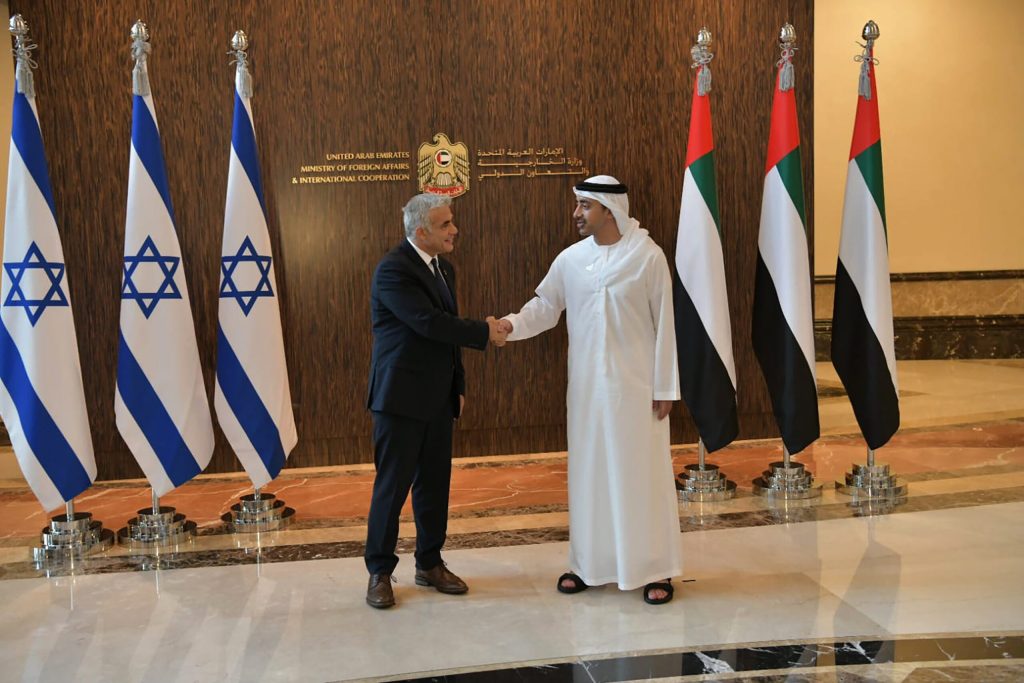
Why UAE? Neutrality and efficiency. Iranian bitumen arrives, gets blended or repackaged, and heads out duty-free to Africa, Europe, or back to India. In 2026, with BRICS+ integration, expect re-exports to jump 10%, fueled by Saudi-UAE synergies.
From Dubai deals, I’ve seen UAE traders add value through polymer modification—turning basic bitumen into PMB (Polymer Modified Bitumen) for premium markets. Prices here range $400-550 per ton, with margins from blending.
Turkey–UAE Polymer Arbitrage: Profit from 2026 Price Swings
UAE Re-Export Advantages
- Tax-Free Zones: No VAT on re-exports; save 5-10% vs. mainland.
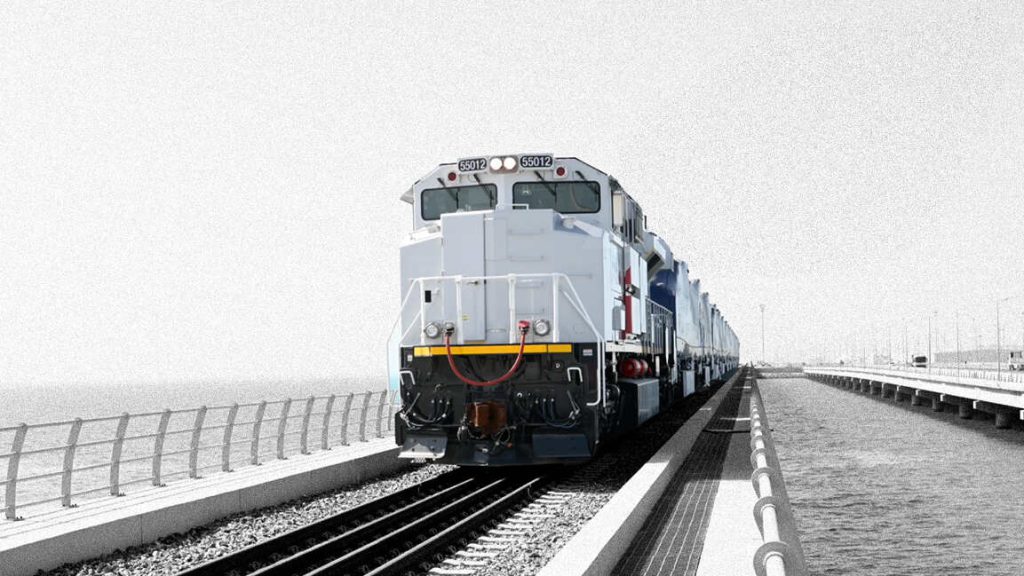
- Logistics Edge: Etihad Rail connects to ports, cutting inland costs by 30%.
- Blending Hubs: Fujairah refineries mix Iranian crude with additives for custom grades.
Challenges? Storage in 50°C heat—use nitrogen blanketing to prevent oxidation. Tendify’s Warehouse Optimizer Pro can simulate 3D layouts for optimal storage.

2026 Asphalt Trade
Compliance in UAE
Adhere to EN 12591 for European re-exports or ASTM D3381 for Asia. UAE’s MIRROR system streamlines customs, but always include EHS docs for hazardous cargo.
How the Triangle Works: Synergies and Trade Flows
The magic happens in the interplay. Iran supplies raw volume at competitive prices ($250-350 FOB), UAE refines and re-exports with value-add (up to 20% markup), and India absorbs it for infrastructure. Annual flow: 2-3 million tons through this route, per Argus Media.
Visualize it:
- Iranian export to UAE: Bulk tankers, 30-60 days.
- UAE processing: Blending to meet Indian VG standards.
- Re-export to India: Containers via Mundra, with UAE origin slashing duties under CEPA.
This triangle cut my client’s logistics costs by 25% last year. Data from IndexBox shows Middle East rolled bitumen market growing 2.2% CAGR to $1.3B by 2035.
But synergies aren’t automatic. Use Tendify’s Arbitrage Hunter to spot price disparities—Iran low, India high—and pounce.
Challenges in the Bitumen Triangle
No system is perfect. Geopolitical tensions: Sanctions on Iran force roundabout routes, adding 10-15% to costs. Oil volatility: A $10/barrel crude spike raises bitumen $50/ton.
Quality mismatches: India’s 2026 standards reject subpar shipments—I’ve seen 500-ton lots turned back for low ductility.
Environmental pressures: ESG demands sustainable sourcing. UAE’s carbon tracking via Tendify’s CarbonPro helps comply.
Mitigate with forward contracts and insurance—cover force majeure for Hormuz disruptions.
Opportunities and Future Trends for 2026
Look ahead: Bio-bitumen blends could capture 15% market share by 2030, per SkyQuest. Iran’s push for PMB production opens premiums.
India’s $1.4 trillion infra spend: Target airport runways with CRMB (Crumb Rubber Modified Bitumen).
UAE’s Duqm hub: Cheaper than Jebel Ali for African re-exports.
Trend: Digital twins for supply chains. Tendify’s SeaConnect AI tracks vessels, predicting ETA with 95% accuracy.
For traders, the opportunity is in integration—source from Iran, hub in UAE, sell to India for 30-50% margins.
Practical Strategies for Entering the Bitumen Triangle
Ready to act? Here’s your step-by-step playbook:
- Assess Your Grade Needs: Use Tendify’s HS Code Finder for bitumen (2713.20)—ensures correct classification.
- Source Smart: Vet Iranian suppliers with Sanctions Pro; aim for Jey Oil or Pasargad refineries.
- Optimize Shipping: Choose bitutainers for flexibility; calculate costs with Export and Import Cost tool.
- Navigate India: Pre-apply for BIS via Tendify’s Export Checklist Generator.
- Leverage UAE: Set up in Jebel Ali; use Free CRM for buyer networks.
- Monitor Markets: AI Pulse for sentiment; hedge with forward pricing.
- Scale Sustainably: Track ESG with CarbonPro to win green contracts.
One client turned a $500K deal into $2M by blending in UAE—proof that strategy trumps volume.
In closing, the Bitumen Triangle isn’t just a trade route; it’s a profit engine for those who master it. With global asphalt demand climbing to $72 billion by 2030, now’s the time to plug in. Head over to Platform.Tendify.Net and sign up today—unlock tools like the India Duty Calculator and AI Market Pulse to transform your trades. Your next big deal starts there. What’s your first move?