


Blog
The Power of Proximity: How to Build a Professional Ecosystem That Scales Your Business

In today’s hyper-connected world, building a strong network of connections isn’t just a nice-to-have—it’s the engine behind sustainable success. I’ve spent over two decades turning casual handshakes into multimillion-dollar partnerships, and I’ve seen firsthand how a robust networking web can open doors that no amount of solo grinding ever could. But here’s the truth: most people treat networking like a numbers game, collecting business cards without strategy. The result? Weak ties that fizzle out. This comprehensive guide will show you exactly how to build a strong networking web of connections that delivers tangible results—step by step, with proven tactics I’ve used to scale businesses from scratch.
By the end, you’ll have an actionable blueprint to create meaningful professional relationships, foster strategic alliances, and turn your network into a growth machine. Let’s dive in.
The Value-First Paradigm: Why Modern Networking is Not About ‘Taking’
In the contemporary B2B ecosystem, the traditional “transactional” approach to networking is effectively obsolete. To build a robust web of connections that drives sustainable business growth, professional strategists must shift toward a Value-First Paradigm. This concept, often referred to as “Reciprocal Altruism” in organizational psychology, posits that the strength of your network is directly proportional to the latent value you provide before ever making a request.
Moving Beyond the ‘Rolodex’ Mentality
Building a strong networking web requires more than just accumulating contacts; it involves nurturing high-trust social capital. When you lead with value—whether by sharing industry insights, facilitating introductions, or providing technical feedback—you create a “reciprocity debt” that naturally matures into professional opportunities. This strategic positioning ensures that when you do seek growth or collaboration, your network is already primed to support your initiatives because you have established yourself as a pillar of the community rather than a seeker of favors.
- Insight Sharing: Periodically send curated industry reports or relevant articles to your key contacts.
- Strategic Introductions: Connect two people in your network who could mutually benefit from knowing each other, without expecting a referral fee.
- Technical Support: Offer brief, high-level advice on challenges your peers are facing in their digital transformation journeys.
Why Building a Strong Network of Connections Matters More Than Ever
Before tactics, understand the “why.” A strong networking web isn’t about who you know—it’s about who trusts you enough to vouch for you.
The Hidden Power of Weak Ties
Research from Stanford sociologist Mark Granovetter shows that “weak ties” (acquaintances outside your inner circle) are 10 times more likely to lead to new opportunities than close friends. Why? They bridge diverse worlds, introducing fresh ideas and referrals.
In my experience, one loose connection at a conference once connected me to a supplier that cut costs by 25%. Without that networking web, I’d still be overpaying.
The Architecture of a High-Growth Network: The Three Essential Spheres
A common pitfall for entrepreneurs is focusing solely on one type of connection. To drive real business growth, your networking web must be architected across three distinct, yet overlapping, functional spheres:
1. Operational Networking
This sphere consists of the relationships necessary to do your current job effectively. It includes colleagues, immediate suppliers, and existing clients. The goal here is efficiency and reliability. A strong operational network ensures that your business workflows remain uninterrupted and that internal support is always accessible when bottlenecks occur.
2. Strategic Networking
Strategic connections look toward the horizon. These include industry leaders, potential competitors, and lateral partners in adjacent markets. The focus is on long-term positioning and market intelligence. By engaging with these contacts, you gain early access to macro-economic trends, geopolitical shifts, and technological breakthroughs before they become mainstream.
3. Developmental/Personal Networking
Often overlooked, this sphere involves mentors, coaches, and “mastermind” groups. These relationships provide personal growth and emotional resilience. In the volatile world of international trade and tech development, having a “personal board of directors” to stress-test your ideas is vital for maintaining a competitive edge.
Stats That Demand Action
- HubSpot reports that 85% of jobs are filled through networking.
- LinkedIn data reveals professionals with 500+ connections get 10x more profile views.
- A Backlinko study on B2B growth found companies with active strategic alliances grow 20% faster annually.
Ignore this, and you’re leaving money on the table. Build it right, and your network of connections becomes a moat competitors can’t cross.
Step 1: Define Your Networking Goals and Ideal Connections
Vague networking leads to vague results. Start with clarity.

Set SMART Objectives
Make goals Specific, Measurable, Achievable, Relevant, Time-bound. Example: “Secure 5 introductions to decision-makers in SaaS within 3 months.”
Map Your Target Network
Identify:
- Influencers: Thought leaders in your industry.
- Peers: Fellow entrepreneurs for collaboration.
- Mentors: Seasoned pros for guidance.
- Clients/Partners: Direct revenue sources.
Use tools like LinkedIn Sales Navigator to filter by role, company size, and location. I’ve built entire strategic alliances by targeting just 50 high-fit profiles quarterly.
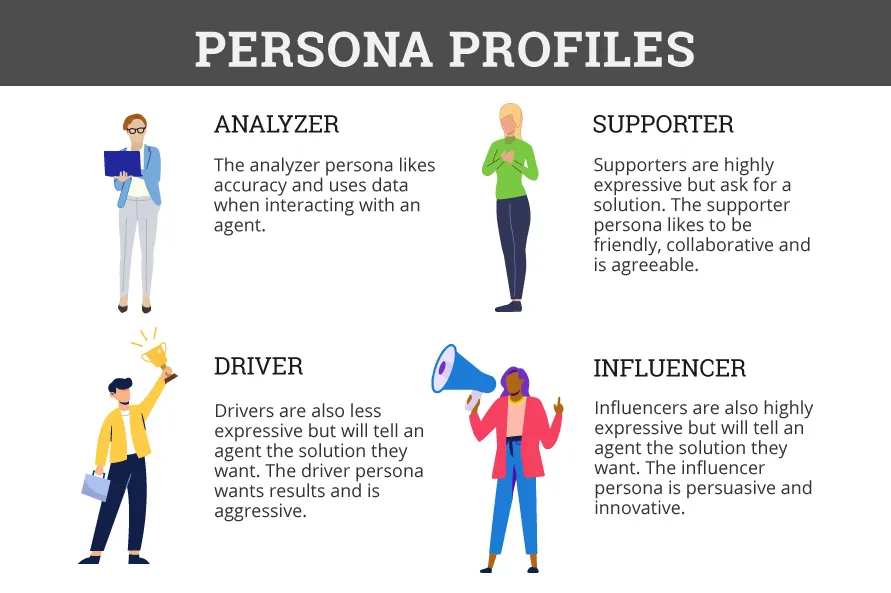
Quick Exercise: Build Your Connection Persona
| Aspect | Details to Define |
|---|---|
| Industry | e.g., Tech, Finance |
| Role | e.g., CEO, Marketing Director |
| Pain Points | e.g., Scaling leads, Talent gaps |
| Value You Offer | e.g., Introductions, Insights |
This table keeps your efforts laser-focused.
Step 2: Master the Art of Authentic Outreach
Cold emails fail 90% of the time (per Search Engine Journal). Warm, value-first outreach wins.
Craft Irresistible Openers
- Personalize deeply: Reference a recent post or mutual connection.
- Lead with value: “Saw your article on AI trends—here’s a case study that doubled our ROI.”
- Keep it short: Under 5 sentences.
Template I’ve used successfully:
Subject: Quick Win for [Their Pain Point] Hi [Name], Loved your take on [Specific Thing]. As someone who’s [Your Cred], I implemented [Tactic] and saw [Result]. Thought you’d find this [Resource] useful. Open to chatting? Best, [Your Name]
Leverage Multiple Channels
- LinkedIn: 80% of B2B leads come here (HubSpot).
- Events: Virtual webinars or in-person meetups via Eventbrite.
- Podcasts/Forums: Comment insightfully on industry Reddit threads or Clubhouse rooms.
Pro tip: Follow up 3 times, spaced 7-10 days apart. Persistence without pestering builds meaningful professional relationships.
Step 3: Nurture Connections into a Resilient Networking Web
Acquisition is easy; retention is gold. Turn one-off chats into a strong network of connections.
The Give-First Mindset
Always offer help before asking. I once shared a lead generation template with a contact—no strings attached. Six months later, they referred a client worth $150K.
5 Ways to Add Value Immediately
- Share resources: Articles, tools, or intros.
- Endorse skills: LinkedIn recommendations.
- Celebrate wins: Congratulate publicly on achievements.
- Host micro-events: Virtual coffee chats for your network.
- Solve problems: Offer free audits or advice.
Build Reciprocity Loops
Track interactions in a CRM like Notion or HubSpot. Note:
- Last contact date.
- Their goals/challenges.
- Your last value add.
This creates a networking web where favors flow both ways. Studies from Harvard Business Review show reciprocal networks are 3x more resilient during downturns.
Step 4: Scale with Systems and Habits
Solo networking caps at 100 strong ties. Systematize to hit 500+.
Daily/Weekly Rituals
- 10 minutes/day: Engage on LinkedIn (likes, comments).
- 1 hour/week: Send 5 personalized outreach messages.
- Monthly: Attend one event or host a roundtable.
Tools to Amplify Your Network
| Tool | Best For | Why It Works |
|---|---|---|
| LinkedIn Premium | Advanced search & InMail | Targets ideal strategic alliances |
| Hunter.io | Email finding | Enables direct outreach |
| Meetup.com | Local events | Builds in-person professional relationships |
| Calendly | Easy scheduling | Reduces friction in follow-ups |
I’ve automated reminders to reconnect every 90 days—keeping my network of connections alive without effort.
Overcome Common Pitfalls
- Burnout: Quality over quantity. Aim for 20 deep interactions/month.
- One-sidedness: Audit your network annually; prune takers.
- Digital-only: Mix virtual with face-to-face for deeper trust.

Step 5: Measure and Optimize Your Networking Web
What gets measured improves.

Key Metrics to Track
- Connection Growth Rate: New adds/week.
- Engagement Score: Responses, meetings booked.
- ROI: Deals closed, referrals received.
Use Google Analytics on your site or UTM links in emails to trace network-driven traffic.
Case Study Insight: A tech firm I advised tracked referrals—networking accounted for 40% of revenue. They doubled down, hitting 7-figure growth in 18 months.
Advanced Tactics for a Bulletproof Network of Connections
Once basics are solid, level up.
Form Mastermind Groups
Curate 5-7 peers for monthly calls. Share wins, challenges, intros. My group has generated over $2M in collective deals.
Strategic Alliances Beyond Individuals
Partner with complementary businesses. Co-webinars, joint ventures—I’ve turned one alliance into a recurring revenue stream.
Frequently Asked Questions About Business Networking
Q: How do I start networking if I am an introvert or prefer digital-first interaction?
A: Networking in 2025 doesn’t require constant physical events. Start by providing thoughtful comments on LinkedIn or specialized forums like GitHub or industry-specific Slack channels. Low-friction digital interactions allow you to demonstrate expertise and build rapport before transitioning to a one-on-one virtual coffee chat.
Q: What is the most effective way to follow up after a meeting?
A: The “24-Hour Rule” is gold. Send a personalized message within 24 hours that references a specific topic discussed. To add extra value, include a link to a resource or a tool that addresses a pain point they mentioned during the conversation. This transforms a simple “thank you” into a value-added touchpoint.
Q: How often should I “prune” or audit my professional network?
A: Perform a network audit every six months. Identify which relationships have become dormant and reach out with a low-pressure update. A healthy network is not just about quantity; it’s about the quality and responsiveness of your connections.
Turning Your Network into Actionable Growth
You’ve built the web; now weave it into your business.
Referral Systems: Incentivize intros with discounts or commissions.
Testimonials Loop: Happy connections provide social proof.
Crisis Leverage: In tough times, your network rallies—I’ve weathered recessions thanks to mine.
This isn’t theory—it’s the system that’s fueled my 40-year journey. Implement it, and watch your opportunities multiply.

