


Blog
The Invisible Backbone: Mobile Cold Storage & Reefer Solutions for High-Value Cargo
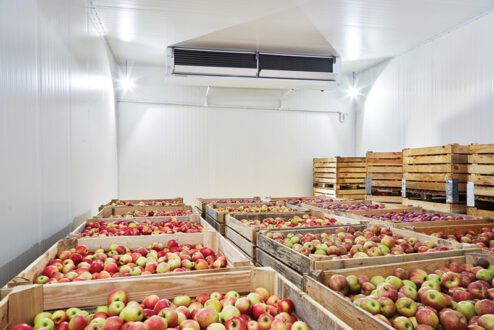
Critical Insights for Transporting and Exporting Perishable Products (Fresh Fruits and Vegetables) to Distant Markets
Imagine this: You’ve just harvested a premium load of ripe pomegranates, kiwis, or Valencia oranges — export-quality produce ready for international buyers. But within days of shipping, half the shipment arrives bruised, wilted, or spoiled. I’ve seen it happen too many times in my 20+ years scaling global wholesale operations. A single break in the cold chain can wipe out profits and damage hard-earned supplier relationships.

The global cold chain logistics market is booming, projected to exceed $400 billion by 2025, driven by rising demand for fresh produce exports. Yet, studies show that up to 13-20% of perishable goods like fruits and vegetables are lost post-harvest due to temperature mishandling alone. Whether you’re exporting to Europe, Asia, or beyond, mastering mobile cold storage — through reefer containers and refrigerated transport — is the difference between success and costly failure.

In this comprehensive guide, I’ll share battle-tested strategies I’ve used to move thousands of tons of fresh fruits and vegetables across continents without significant losses. We’ll dive deep into why the cold chain matters, how to execute it flawlessly, and actionable steps to protect your exports.
What Is the Cold Chain and Why It’s Non-Negotiable for Perishable Exports
The cold chain is an uninterrupted temperature-controlled supply chain from harvest to destination. For fresh fruits and vegetables, this means maintaining precise conditions to slow respiration, prevent ethylene buildup, and avoid chilling injury or freezing.
Why does this matter so much? Fresh produce is alive — it’s breathing, releasing moisture, and sensitive to its environment. Break the chain for even a few hours, and you trigger rapid deterioration:
- Dehydration and weight loss: Produce can lose 5-10% of its weight in transit if humidity isn’t controlled.
- Pathogen growth: Temperatures above optimal ranges accelerate bacterial and fungal issues.
- Ethylene acceleration: Climacteric fruits like apples or tomatoes release this gas, speeding ripening in nearby loads.
According to post-harvest experts, proper cold chain management can extend shelf life by 2-3x, reducing waste and ensuring products arrive market-ready. In my experience exporting high-value items like premium garlic, potatoes, and red apples, ignoring these basics once cost a partner over $50,000 in rejected cargo.
Key Components of Mobile Cold Storage for Fresh Produce Transport
Mobile cold storage refers to portable refrigerated solutions like reefer trucks, containers, and trailers that keep the cold chain intact during long-haul transport.
The gold standard for distant exports? Reefer containers (refrigerated shipping containers). These insulated units maintain temperatures from -30°C to +30°C, with built-in ventilation and humidity control.
Types of Mobile Cold Storage Solutions
Here’s a quick comparison:
| Type | Best For | Temperature Range | Pros | Cons |
|---|---|---|---|---|
| Reefer Trucks | Road transport (short-medium) | 0°C to +15°C | Flexible routing, quick loading | Limited for ocean freight |
| 20ft/40ft Reefer Containers | Sea/air/rail exports | -30°C to +30°C | Intermodal, precise control | Requires power source (genset) |
| Portable Cold Rooms | Temporary storage/on-site | Varies | Scalable for events/peaks | Less mobile for long distances |
Reefer containers dominate global exports because they integrate seamlessly into shipping — think Maersk or MSC vessels carrying fresh kiwis or pomegranates halfway around the world.
Optimal Temperature and Humidity Guidelines for Common Fresh Fruits and Vegetables
Every product has its sweet spot. Get this wrong, and you risk chilling injury (browning in sensitive items) or freezing damage.
Temperature Categories for Fruits and Vegetables
- Tropical fruits (e.g., bananas, mangoes — though less common in standard exports): 12-15°C
- Temperate fruits (apples, pears, kiwis, pomegranates): 0-4°C
- Citrus (oranges, lemons): 4-10°C
- Vegetables (tomatoes, potatoes, garlic): 7-13°C (avoid below 7°C for chilling-sensitive)
Recommended Settings Table
| Produce Type | Ideal Temperature | Humidity Level | Ethylene Sensitivity | Common Risks if Mishandled |
|---|---|---|---|---|
| Apples/Pears | 0-1°C | 90-95% | High (producer) | Scald, rapid ripening |
| Oranges/Valencia | 5-10°C | 85-90% | Low | Chilling injury, mold |
| Kiwis/Pomegranates | 0-2°C | 90-95% | Medium | Softening, dehydration |
| Tomatoes | 10-13°C | 85-90% | High | Uneven ripening |
| Potatoes/Garlic | 7-10°C | 85-90% | Low | Sprouting, greening |
Pre-cool produce immediately after harvest — reefer units maintain temperature, they don’t reduce it quickly. In one export run I managed, pre-cooling pomegranates to 1°C before loading cut rejection rates from 15% to under 2%.
Step-by-Step Best Practices for Maintaining the Cold Chain in Exports
Here’s how I’ve executed flawless transports time and again:
- Harvest and Pre-Cool Immediately Harvest during cooler hours. Use forced-air cooling or hydro-cooling to drop field heat fast. Why? Field heat can raise internal temperatures by 10-20°C, kickstarting spoilage.
- Load Properly
- Palletize with airflow gaps.
- Avoid overloading — allow 10-15% space for air circulation.
- Use T-bar floors in reefers for bottom-up cooling.
- Monitor Continuously Invest in real-time trackers (IoT devices like those from Tive or Orbcomm). Alerts for deviations saved me a full container of oranges once when a genset failed mid-ocean.
- Control Atmosphere (If Needed) For long transits, use Controlled Atmosphere (CA) reefers to lower oxygen and reduce ethylene.
- Handle Commodity Compatibility Never mix high-ethylene producers (apples) with sensitive items (lettuce). Use polyethylene liners to contain gas.
- Unload Quickly at Destination Coordinate with receivers for immediate cold storage transfer.
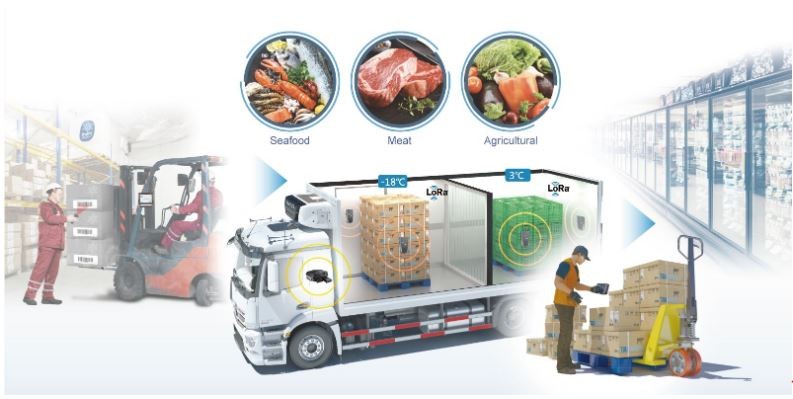
In practice, following these steps reduced my average loss rate to under 1% across hundreds of exports.
Common Cold Chain Challenges in Long-Distance Exports and How to Overcome Them
Long hauls amplify risks:
- Power Failures: Use gensets on reefers and backup power.
- Delays at Ports: Pre-book priority handling.
- Temperature Fluctuations During Transfers: Minimize door openings; use insulated curtains.
- Regulatory Compliance: Meet FSMA (US) or EU standards with traceability logs.
One case I recall: A delayed ship exposed tomatoes to 18°C for 12 hours — entire load ripened prematurely. Solution? Real-time monitoring and insurance tied to data logs.
Technology Advancements Revolutionizing Mobile Cold Storage
Modern reefers now feature:
- Smart Controls: Remote adjustments via apps.
- Dehumidification: Precise humidity to prevent condensation.
- Solar/Genset Hybrids: For sustainable long-haul.
These innovations have cut energy use by 30-50% while boosting reliability.
Technology Advancements Revolutionizing Mobile Cold Storage and Reefer Solutions in 2026
In today’s competitive export market, mobile cold storage and reefer containers have evolved far beyond basic refrigeration. Advanced technologies now enable precise control over temperature, humidity, and atmosphere, significantly reducing post-harvest losses for high-value perishable cargo like fruits and vegetables.
Controlled Atmosphere (CA) and Modified Atmosphere (MA) Systems
Controlled Atmosphere reefer containers actively manage oxygen (O₂) and carbon dioxide (CO₂) levels inside the unit. By reducing O₂ to 1-5% and adjusting CO₂ to 2-10% (depending on the commodity), respiration rate slows dramatically, ethylene production is suppressed, and shelf life can extend by 50% or more. Popular systems include Carrier EverFRESH®, Maxtend, and Transfresh.
These technologies are especially effective for long-distance sea exports of bananas (up to 45 days), avocados, apples, pears, and kiwis.
IoT, Real-Time Monitoring, and Predictive Maintenance
Modern reefer solutions integrate IoT sensors, GPS tracking, and cloud platforms (such as Thermo King’s Lynx or Carrier’s Lynx system). Shippers receive instant alerts for temperature deviations as small as ±0.25°C, humidity fluctuations, or power issues via mobile apps. AI-powered predictive maintenance reduces unexpected breakdowns by analyzing vibration, energy consumption, and historical data.
Energy-Efficient and Sustainable Innovations
- Solar-hybrid and genset systems: Reduce fuel consumption by 30-50%.
- Low-GWP refrigerants (e.g., Carrier NaturaLINE with CO₂): Environmentally friendly and compliant with global regulations.
- Lightweight containers from brands like CIMC and Daikin: Increase payload capacity while lowering tare weight.
These advancements in reefer technology 2026 not only cut operational costs but also ensure compliance with strict international food safety and sustainability standards.
Economic Considerations: Reefer Container Costs, ROI, and Mobile Cold Storage Investment
Understanding the financial side of mobile cold storage is critical for exporters. While initial investment may seem high, proper cold chain management typically delivers strong ROI through reduced spoilage (from 13-20% down to under 2%).
Reefer Container Costs Overview (2025-2026)
- Purchase price: New 40ft high-cube reefer container ≈ $35,000 – $45,000 USD. Used units start from $20,000 – $30,000.
- Rental / Leasing: $800 – $1,200 per month for a 40ft unit (depending on duration and location). Short-term rental is ideal for seasonal exports.
- Operational costs: Genset fuel/electricity, maintenance, and monitoring – typically $500 – $1,000 per long-haul voyage.
Calculating ROI for Cold Chain Exports
Reducing post-harvest loss by just 10% on a high-value shipment (e.g., pomegranates or kiwis) can save tens of thousands of dollars. For example, preventing a $50,000 loss on a single rejected container often pays back the investment in reefer technology within 1–2 seasons.
Long-term ownership usually becomes more cost-effective after 14–20 months compared to continuous renting. Leasing offers flexibility for new exporters or fluctuating volumes.
Tip: Factor in insurance savings from real-time monitoring and compliance with buyer requirements when calculating your cold chain ROI.
Real-World Impact: Why Mastering This Drives Export Success
Exporters using robust cold chain protocols see 20-30% higher margins from reduced claims and repeat buyers. On platforms like Tendify.net, where verified suppliers list premium fresh produce, seamless logistics build trust and scale deals faster.
For more on sourcing export-quality fruits, check out our guides on top wholesale fresh produce categories or building a reliable export supply chain.
Real-World Case Studies: Success with Mobile Cold Storage & Reefer Solutions
Practical examples demonstrate the tangible benefits of professional cold chain management.
- Pomegranate Export to Europe: By implementing pre-cooling + CA reefer containers with precise 0-2°C and 90-95% humidity, rejection rate dropped from 15% to under 2%, saving over $40,000 per season.
- Orange Shipment from Middle East: Real-time IoT alerts detected a genset issue during a 25-day voyage. Immediate remote intervention prevented temperature fluctuation and preserved the entire load.
- Kiwi Long-Haul Transport: Using Controlled Atmosphere technology extended marketable shelf life, allowing arrival in premium condition after 30+ days at sea.
These cases highlight how investing in advanced reefer solutions turns potential losses into consistent export success.
Final Thoughts: Secure Your Perishable Exports with Professional Mobile Cold Storage Solutions
Mastering mobile cold storage and reefer container best practices is no longer optional — it is the invisible backbone of successful high-value cargo exports in 2026 and beyond.
By combining optimal temperature and humidity control, advanced CA/MA technology, real-time monitoring, and proven best practices, exporters can dramatically reduce losses, meet international buyer standards, and increase profitability.
Ready to optimize your cold chain? Contact Tendify today for expert consultation on reefer solutions tailored to your produce and destination markets. Register on Tendify.net to access premium export opportunities and professional cold chain support.
Protect your investment. Deliver freshness. Succeed in global markets.

