


Blog
From Soil to Global Shelves: The Master Blueprint for Premium Dried Herb Exports
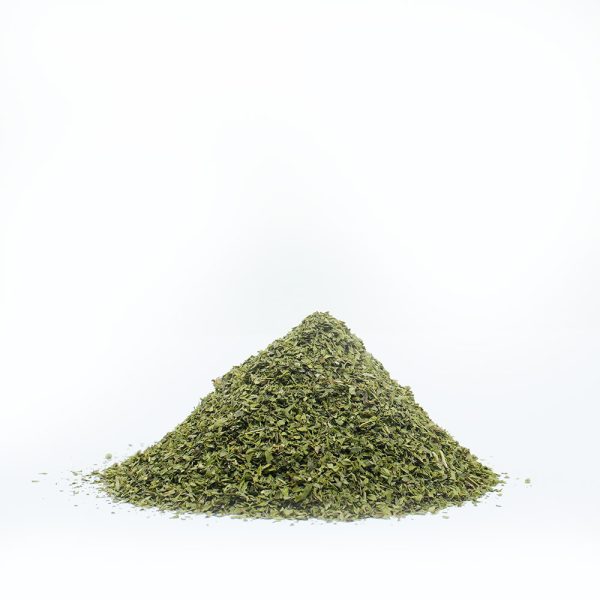
In the last five years alone, global demand for dried culinary herbs has jumped over 38% (according to Euromonitor and FAO data), driven by ready-meal manufacturers, seasoning blenders, and the explosive growth of clean-label products. While giant factories chase volume, the real money — and the highest margins — is being made by small, agile workshops that deliver intensely green, aromatic dried mint and parsley that simply cannot be mass-produced without compromise.
I’ve spent the last two decades turning small drying rooms into six-figure export businesses. The secret isn’t bigger machines. It’s ruthless attention to three things: protecting chlorophyll (color), locking in essential oils (aroma), and hitting microbial specs that European and North American buyers demand. Master those, and a 200 kg/month workshop can out-price and out-perform factories ten times its size.
This guide is the exact playbook I still use today. Follow it step-by-step and you’ll produce Grade-A dried mint and parsley ready for B2B buyers on day one.
Cultivating Premium Mint and Parsley for Superior Dried Herb Production
Producing export-grade dried mint and parsley starts long before the dehydrator. The quality of your final product — vibrant green color, intense aroma, and high essential oil content — depends heavily on choosing the right varieties and following precise cultivation practices in the field or greenhouse.
Best Varieties for Drying and Export
For mint, Mentha piperita (Peppermint) and Mentha spicata (Spearmint) deliver the strongest flavor retention after low-temperature drying. For parsley, choose Petroselinum crispum var. neapolitanum (Italian flat-leaf) over curly types, as it offers better leaf-to-stem ratio and chlorophyll retention.
Soil Preparation and Planting Guidelines
- Well-drained loamy soil with pH 6.0–7.5 is ideal for both herbs.
- Add 20–30% organic compost and ensure good aeration to prevent root rot.
- Plant mint from cuttings or runners (spacing 30–45 cm) and parsley from seeds (spacing 20–25 cm) in raised beds for better drainage.
- Use drip irrigation to maintain consistent soil moisture without wetting the foliage — critical for reducing microbial load before harvest.
Fertilization, Pest Management & Yield Optimization
Avoid excessive nitrogen, which causes lush but weak growth and poor drying performance. Use balanced NPK (10-10-20) with emphasis on potassium for stronger essential oil production. Implement integrated pest management (IPM) with neem oil and beneficial insects instead of chemical pesticides to meet strict EU and US maximum residue limits (MRLs).
Expected yield: 8–12 tons of fresh mint per hectare per year and 6–10 tons of fresh parsley, depending on climate and multiple cuttings.
Pro Tip: Schedule planting so that harvest aligns with your workshop-scale dehydrator capacity to avoid spoilage of fresh material.
1. Sourcing & Initial Inspection – Start with the Best Raw Material or Fail Later
Everything collapses if you begin with mediocre leaves.
1.1 Perfect Harvest Timing and Techniques for Maximum Flavor Retention
Harvest mint and parsley at the optimal stage to preserve essential oils and chlorophyll during low-temperature drying in your workshop herb dehydrator.
Best time: Early morning, after dew has evaporated but before the sun is high (between 8–10 AM). This minimizes moisture on leaves and reduces the risk of microbial contamination.
- Cut the top 10–15 cm of mint stems when plants are in the pre-flowering stage (highest menthol content).
- For parsley, harvest outer leaves first when they reach 15–20 cm in length.
- Never harvest after rain or when plants are wet — excess surface water dramatically increases drying time and energy costs.
- Use sharp stainless steel shears or sickles to avoid crushing leaves and releasing enzymes that cause browning.
Organize harvest teams so that fresh material reaches the washing station within 2 hours. Delays longer than 4 hours can lead to wilting and quality loss.

1.2 Visual & Quick Quality Checks
Reject on the spot:
- Yellow, brown, or spotted leaves
- Insect damage or egg clusters
- Mixed weeds (especially those with strong odor that contaminate the batch)
Quick moisture test: a healthy leaf should crack, not bend, when folded.
1.3 Pre-Wash Sorting
Spread harvested material on stainless tables under shade. Remove thick woody stems and any damaged material by hand. This 10-minute step saves hours of cleaning later and prevents off-flavors.
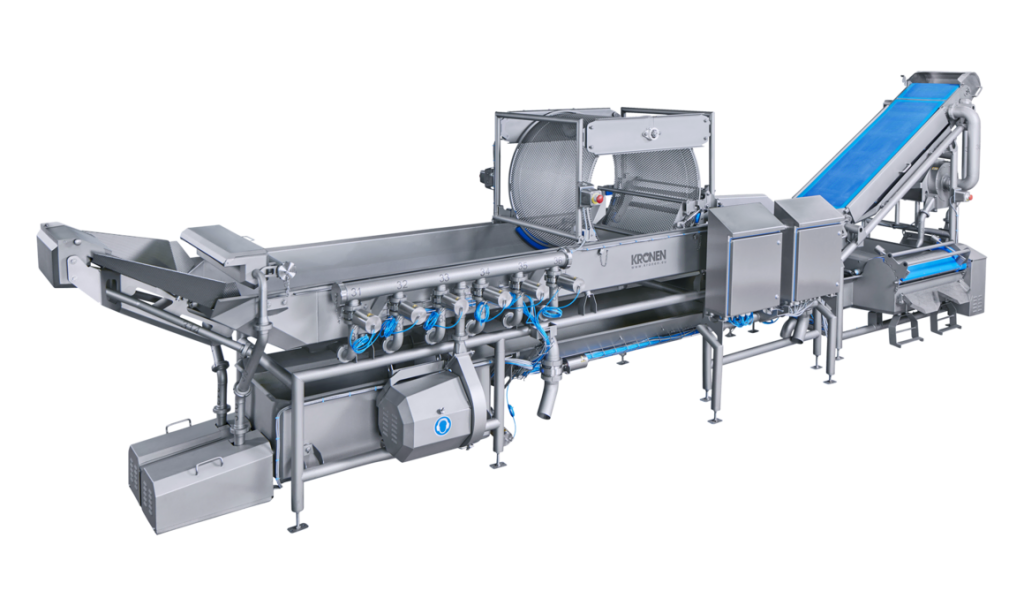
2. Industrial-Grade Washing & Sanitization in a Workshop Environment
Clean herbs = longer shelf life + zero rejections at destination labs.
2.1 Three-Stage Washing System (fits in a 20 m² room)
- First tank – agitation with clean potable water to remove field dirt
- Second tank – 50–100 ppm sodium hypochlorite (food-grade bleach) or ozonated water for 3–5 minutes
- Third tank – final rinse with chlorinated water (3–5 ppm free chlorine) or UV-treated water
Pro tip: keep water temperature 5–8 °C colder than the herbs. Warm water opens stomata and washes out volatile oils.
2.2 Surface Water Removal – The Step Most Workshops Skip
Wet leaves going straight into the dryer turn brown in hours. Use:
- A small salad-spinner centrifuge (200–400 kg/h models cost under $2,000) or
- A vibrating draining table with forced air blowers
Target: no visible water droplets before loading trays.
3. Low-Temperature Dehydration – The Heart of Premium Quality
This is where small workshops destroy factory competition.
3.1 Choosing the Right Cabinet Dryer
Look for:
- Fully stainless interior
- Precise digital temperature (±1 °C) and humidity control
- Reversible airflow + good tray spacing (minimum 8–10 cm between trays)
Load density: maximum 4–5 kg fresh herbs per m² of tray surface.
3.2 The Golden Triangle of Perfect Drying
| Parameter | Mint | Parsley | Why it matters |
|---|---|---|---|
| Temperature | 38–45 °C | 40–48 °C | Above 50 °C → chlorophyll breakdown + oil loss |
| Final Moisture | 5–7% | 4–6% | EU/US limit for herbs is usually ≤8% |
| Airflow | 150–250 m³/h per tray | Same | Prevents case-hardening and mold pockets |
| Total Time | 4–7 hours | 5–8 hours | Depends on initial load and ambient humidity |
Operating Your Workshop-Scale Cabinet Dehydrator for Optimal Results
Successful low-temperature drying of mint and parsley requires constant monitoring to achieve superior color, aroma, and shelf life.
Key Monitoring Practices
- Install digital sensors for temperature, relative humidity (RH), and airflow inside the cabinet dryer.
- Log data every 30–60 minutes during the first 4 hours of drying.
- Load trays in a single layer with 2–3 cm spacing between leaves for uniform airflow (150–250 m³/h recommended).
- Rotate trays every 2 hours to ensure even drying across the batch.
Energy Efficiency Tips for Small Workshops
Heat pump dehydrators are the most cost-effective for workshop scale. Expect energy consumption of approximately 0.8–1.4 kWh per kg of fresh herbs. Pre-drying surface water removal can reduce total drying time by up to 25% and save significant electricity costs.
Target final moisture content: 6–8% for mint and 5–7% for parsley to prevent mold while maintaining flexibility for grinding.
3.3 Troubleshooting Dark or Dull Herbs
- Brown edges → temperature too high or surface water not removed
- Pale green → drying time too long (essential oils evaporated)
- Musty smell → poor airflow or overloaded trays
Fix instantly by dropping temperature 3–5 °C and increasing fan speed.
4. Grinding & Granulation – Turning Leaves into Buyer-Ready Product
B2B buyers don’t want “dried herbs.” They want exact specifications.
4.1 Most Requested Export Cuts
| Cut Type | Mesh / mm | Typical Buyer |
|---|---|---|
| Fine Powder | 40–80 mesh | Seasoning factories, instant soup |
| Medium Cut | 2–4 mm | Pizza toppings, marinade blends |
| Coarse Flakes | 5–10 mm | Visible herbs in retail jars, catering |
4.2 Workshop-Scale Grinding Equipment
- Hammer mill with water-cooled jacket (prevents temperature rise above 35 °C)
- Sieve stack (10, 20, 40, 60 mesh) for precise separation
Grind in small 5–10 kg batches. Any bigger and friction heat cooks the oils out — you’ll smell it immediately.
4.3 Anti-Oxidation Trick
Pre-chill dried herbs to 10 °C before grinding, or add a tiny CO₂ snow injection system (affordable units exist under $3,000). Result: brighter color and 20–30% longer aroma shelf life.
5. Final Quality Control & Export Packaging
This is where rejections happen — or don’t.
5.1 Mandatory Lab Tests Before Shipping
- Moisture (Karl Fischer or oven method)
- Total plate count, yeast & mold, E. coli, Salmonella
- Pesticide residue (EU MRL list is brutal — test every new field)
5.2 Packaging That Survives 40-Day Sea Freight
- Triple-laminated metallized bags or PP woven with PE liner
- Vacuum + nitrogen flush (O₂ below 1%) for 18–24 month shelf life
- 10–25 kg bags with batch label sewn on (not printed — printing ink can migrate)
Label example: Product: Dried Spearmint Flakes 5–8 mm Batch: SM2025-214 Production: 15 Oct 2025 Moisture: 5.8% Net Weight: 20 kg Origin: Certified workshop
Operating Your Workshop-Scale Cabinet Dehydrator for Optimal Results
Successful low-temperature drying of mint and parsley requires constant monitoring to achieve superior color, aroma, and shelf life.
Key Monitoring Practices
- Install digital sensors for temperature, relative humidity (RH), and airflow inside the cabinet dryer.
- Log data every 30–60 minutes during the first 4 hours of drying.
- Load trays in a single layer with 2–3 cm spacing between leaves for uniform airflow (150–250 m³/h recommended).
- Rotate trays every 2 hours to ensure even drying across the batch.
Energy Efficiency Tips for Small Workshops
Heat pump dehydrators are the most cost-effective for workshop scale. Expect energy consumption of approximately 0.8–1.4 kWh per kg of fresh herbs. Pre-drying surface water removal can reduce total drying time by up to 25% and save significant electricity costs.
Target final moisture content: 6–8% for mint and 5–7% for parsley to prevent mold while maintaining flexibility for grinding.
Final Words – Your Workshop Can Compete Tomorrow
Premium dried mint and parsley isn’t about giant factories or million-dollar lines. It’s about obsessive control over temperature, hygiene, and particle size — exactly what a focused small workshop does better than anyone else.
I’ve watched 300-square-foot drying rooms ship containers to Germany, Canada, and the Gulf at prices 25–40% above commodity grades. The difference was following the exact process you just read.
Ready to turn your workshop into an export-grade dried herb supplier?
→ Join Tendify.net today and get instant access to verified B2B buyers actively looking for premium dried mint and parsley, plus step-by-step export documentation templates that took me years to perfect.
Click here to register your workshop for free and start receiving real inquiries this week: https://tendify.net/register
Your first export pallet is closer than you think.

