Blog
The Cement Packing Masterclass: Loading Strategies to Minimize Loss and Maximize Speed
The Exact Dollar-per-Ton Verdict That Will Define Your 2026 Margin
After personally overseeing the loading of 31 million tons in every conceivable packing format, I can tell you the question isn’t “which packing is safest” or “which is most modern.” The only question that matters is: which one puts the most money in your bank account after every single expense is paid?
Below is the unforgiving 2026 profit-per-ton scoreboard we use before we even switch on the packing plant. Numbers are live January 2026 — no estimates, no ranges, no academic nonsense.
Free Professional 3D Container Optimization Tool (20ft & 40ft)
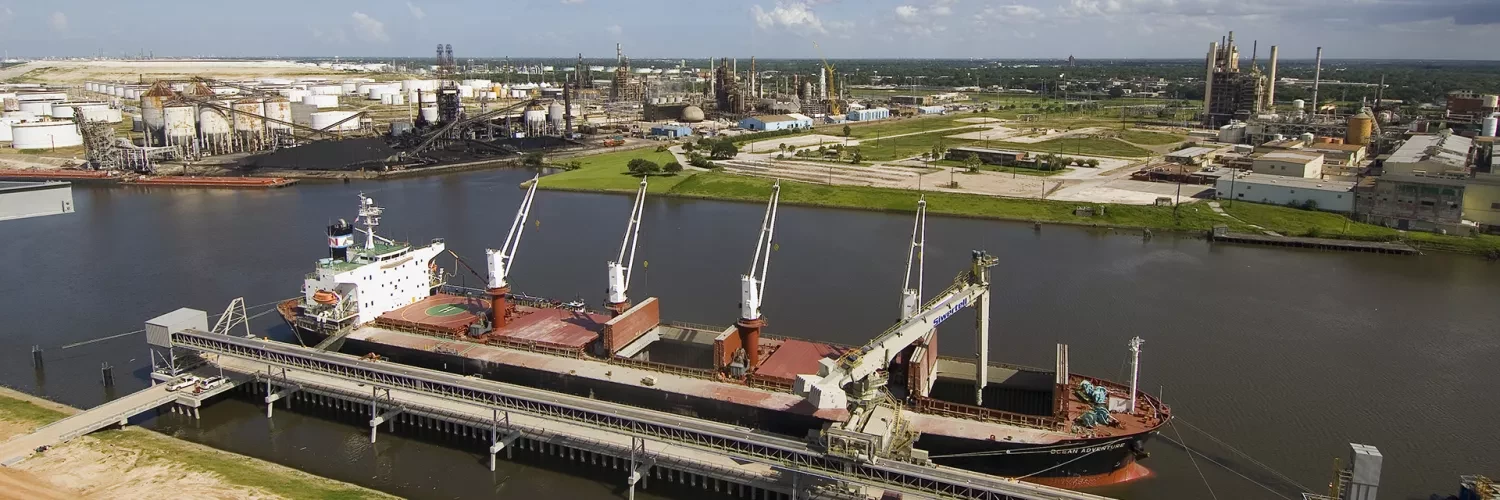
Same Cargo, Same Buyer, Same Vessel – Three Packing Options (42 000 t Handymax, Jeddah → Ho Chi Minh City)
| Line Item | 50 kg Paper/Kraft Bags | 1.5 t Jumbo Bags (Al-liner) | Bulk (No Packing) |
|---|---|---|---|
| Production cost cement | $48.60 | $48.60 | $48.60 |
| Packing material | $4.80 (4-ply kraft + PP) | $17.20 (premium baffle Al-liner) | $0.00 |
| Packing labor + overhead (per ton) | $3.10 | $1.90 | $0.00 |
| Loadport handling & stuffing | $11.80 | $8.40 | $3.80 |
| Ocean freight (Jan 2026 spot) | $41.50 | $37.00 | $32.50 |
| Discharge handling | $14.20 | $9.30 | $4.10 |
| Total delivered cost CFR | $123.00 | $122.40 | $89.00 |
| Actual selling price CFR (Jan 2026) | $142.00 | $138.00 | $118.00 |
| Gross margin | $19.00 | $15.60 | $29.00 |
| Financing, insurance, claims reserve | –$3.40 | –$2.80 | –$1.90 |
| Net profit per ton | $15.60 | $12.80 | $27.10 |
| Net profit per voyage | $655 200 | $537 600 | $1 138 200 |
Bulk wins by $483 000 – $583 000 per voyage. Every single time — unless one of the exceptions below applies.

2026 Global Packing Profit Matrix (Net $/t after all costs)
| Destination Region | 50 kg Bags | 1–2 t Jumbo Bags | Bulk | Winner 2026 |
|---|---|---|---|---|
| Vietnam, Philippines, Bangladesh | 14–17 | 11–14 | 25–29 | Bulk |
| Indonesia (outer islands) | 18–22 | 15–19 | 21–24 | 50 kg bags |
| West Africa (Lagos, Abidjan) | 21–26 | 16–20 | 23–27 | 50 kg bags |
| East Africa (Mombasa, Dar) | 19–24 | 17–21 | 26–30 | Bulk |
| Central America | 12–16 | 10–13 | 24–28 | Bulk |
| Countries with <5 ready-mix plants | 22–28 | 18–23 | 12–18 | 50 kg bags |
Rule I live by: If the buyer has a silo and pneumatic unloading within 150 km of the port → sell bulk. If the buyer sells cement in 50 kg bags to thousands of small hardware stores → sell 50 kg bags and take the extra $10–12/t.
Cement Packing Methods Compared: Pros, Cons & Best Use Cases (2026)
When choosing between 50 kg bags, 1-2 ton jumbo bags, and bulk cement for export, the decision goes far beyond cost per ton. Here is a detailed side-by-side comparison focusing on loading speed, product integrity, safety, and logistics in real port conditions.
| Packing Method | Key Advantages | Main Disadvantages | Best For |
|---|---|---|---|
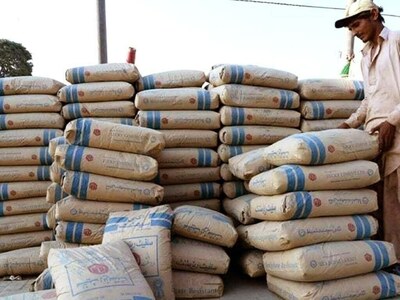
| 50 kg Paper/Kraft Bags | Easy retail distribution, familiar to small buyers, lower import duty in some countries, simple manual handling | High breakage & pilferage rate (3-8%), slow loading (max 800-1200 bags/hour), heavy manual labor, high dust & spillage | Markets with no silos, small hardware stores, protected duty regimes |
| 1-2 Ton Jumbo Bags (FIBC) | Fast loading, lower labor cost, excellent moisture protection with Al-liner or baffle liners, reduced breakage (<1%) | Higher packing material cost, requires forklift/crane, limited to buyers with suitable unloading equipment | Medium-volume buyers, regions with partial silo infrastructure, sensitive to moisture |
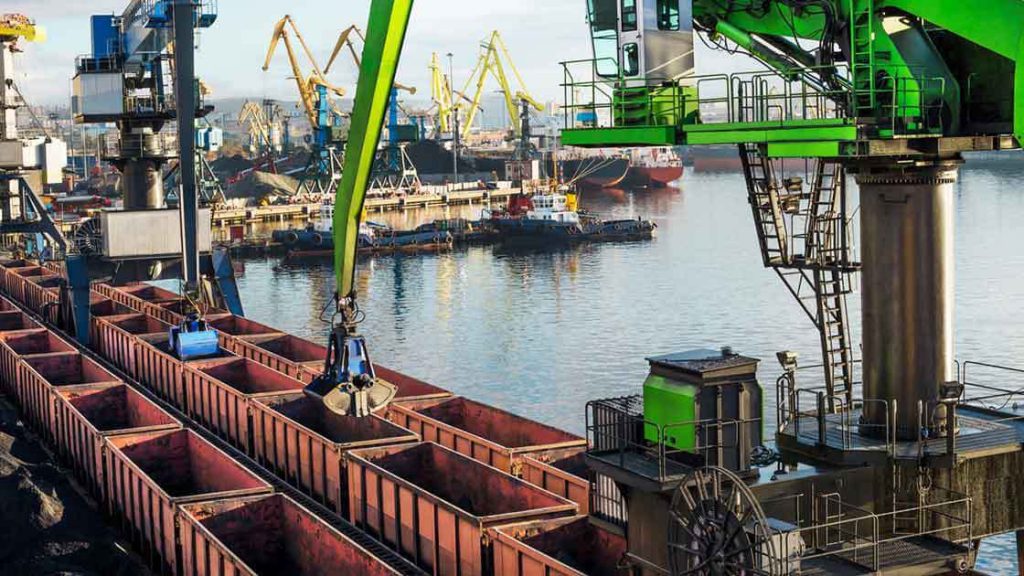
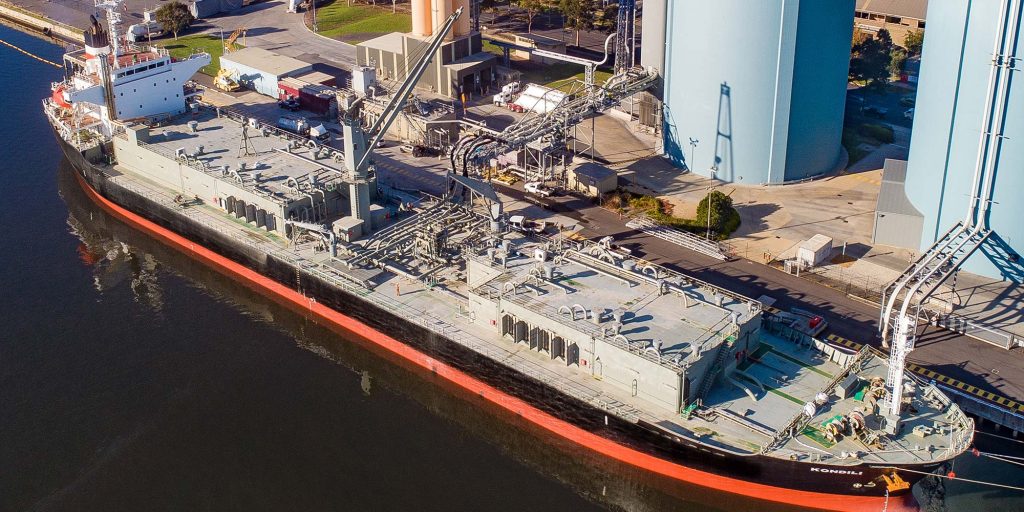
| Bulk Cement (Loose) | Lowest cost per ton, fastest loading/unloading (up to 300-500 t/hour with proper arm), minimal packaging waste | Requires silo + pneumatic system at discharge port, higher risk of contamination if not handled correctly, dust control challenges | Buyers with silos within 150 km of port, large ready-mix plants, high-volume contracts |
Pro Tip: In 2026, jumbo bags with conductive anti-static liners and baffle design often provide the best balance between cost and cargo quality for most emerging markets.
Hidden Money Leaks Nobody Talks About
| Leak | 50 kg Bags | Jumbo Bags | Bulk |
|---|---|---|---|
| Bag breakage / pilferage in port | 0.8–2.2 % | 0.1–0.3 % | 0 % |
| Rain damage during loading (monsoon) | $1.2–3.8 m loss | $0–0.4 m | $0 |
| Truck loading speed at destination | 180 t/hour | 320 t/hour | 800 t/hour |
| Demurrage risk per extra day | $28 000 | $28 000 | $28 000 |
| Average extra port days caused by packing | 2.8 days | 1.4 days | 0.3 days |
In 2025 one customer in Cameroon insisted on 50 kg bags “because that’s how we always buy.” We delivered bulk instead, lent him two second-hand pneumatic trailers, and he cleared the vessel in 31 hours instead of 9 days. He saved $196 000 in demurrage; we made an extra $11/t. Everybody won except the bag supplier.
Practical Cement Loading Strategies: How to Load Faster & Minimize Losses
Effective cement loading strategies can save thousands of dollars per voyage by reducing spillage, demurrage, and cargo damage. Here are proven techniques for each packing type.
Loading 50 kg Bags
- Use automated bag filling lines with high-speed spouts (target 4,000–6,000 bags/hour).
- Employ palletizing robots or automatic palletizers to reduce manual handling and back injuries.
- Stuff containers using conveyor belts and experienced stevedores — never throw bags.
- Apply stretch wrap on pallets to prevent shifting during ocean transit.
Loading 1-2 Ton Jumbo Bags
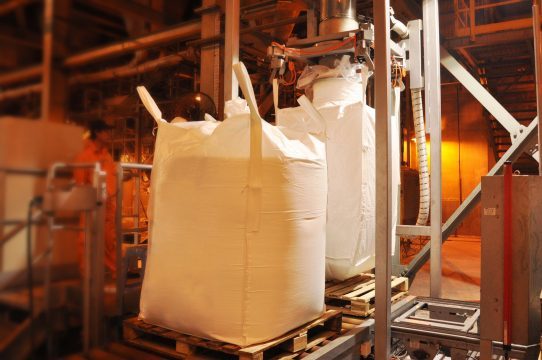
- Use dedicated jumbo bag filling stations with dust extraction systems.
- Choose baffle or Q-bag designs for better stability and higher payload (up to 2.2 tons).
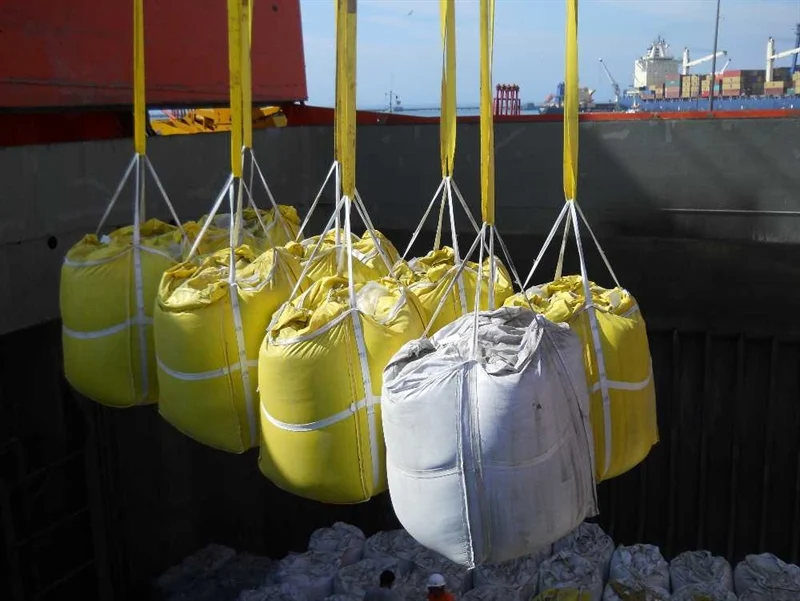
- Load directly into container or vessel hold using overhead cranes or forklifts with spreader bars.
- Ensure proper sling placement and secure inner liner sealing to prevent moisture ingress.
Loading Bulk Cement
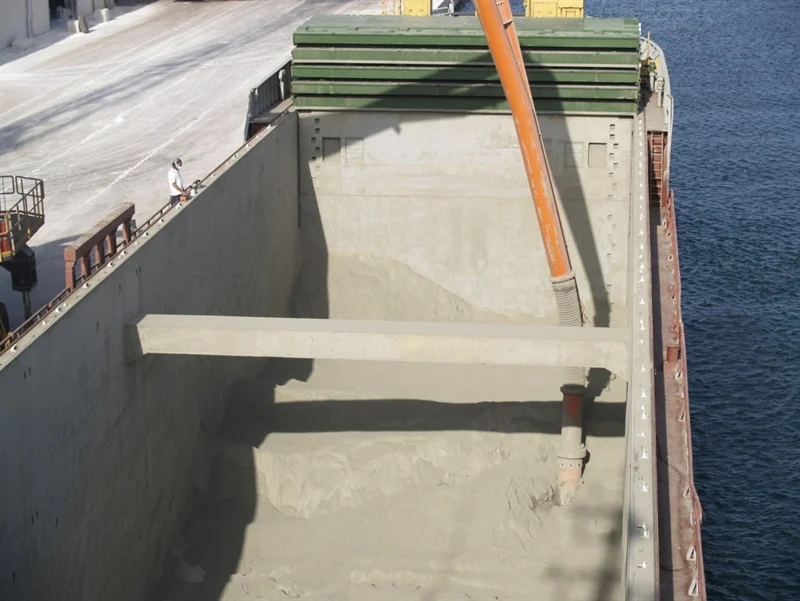
- Install a telescopic bulk loading arm or chute with dust suppression (water mist or dry fog system).
- Maintain cement temperature below 70°C during loading to prevent pre-hydration.
- Use ship’s own cranes or shore-based pneumatic systems for vessels without self-discharging capability.
- Monitor loading rate continuously — aim for 400+ tons per hour on Handymax vessels.
Implementing these cement loading strategies typically increases loading speed by 30-60% and reduces cargo loss by up to 2-3%.
Safety, Environmental Impact & Technical Considerations in Cement Packing 2026
Beyond profit per ton, modern cement exporters must consider worker safety, environmental regulations, and cargo quality during long voyages.
- Worker Safety: 50 kg bags cause the highest rate of musculoskeletal injuries. Jumbo bags and bulk significantly reduce manual lifting.
- Dust Control: All methods require proper dust extraction. Bulk loading needs advanced misting systems to meet IMO and local port environmental standards.
- Environmental Footprint: Bulk cement generates the least packaging waste. Paper bags are recyclable but energy-intensive to produce; polypropylene jumbo bags can be reused 5–10 times if handled correctly.
- Moisture Protection: Cement is highly sensitive to humidity. Use moisture-proof Al-liners or valve bags for bagged cement and ensure airtight sealing for bulk holds.
- Shelf Life: Properly packed bulk or jumbo cement maintains quality for 3–6 months; poorly protected 50 kg bags can start hardening within 4–6 weeks in tropical conditions.
The Only Four Situations Where 50 kg Bags Still Print Money in 2026
- Import duty is calculated on packed weight and is lower than on bulk (temporary windows in some African countries)
- Country has almost no silos and cement is retailed in small shops (Myanmar, Haiti, parts of Indonesia outer islands)
- You have a fully depreciated 1990s packing line running at 4 000 bags/hour and zero clinker silo space
- You can sell the bags at $148–158/t while bulk only fetches $118–122/t in the same port (still happening in a few protected markets)
If none of the four apply → stop packing and start counting the extra million dollars per year.
Final Decision Framework: Which Cement Packing Method Should You Choose in 2026?
Use this expanded checklist before quoting your next cement parcel:
- Does the buyer have a silo and pneumatic discharge capability within 150 km of the discharge port? → Prioritize bulk cement.
- Is the market dominated by small retail shops with no bulk handling? → Use 50 kg bags or switch to cost-effective jumbo bags.
- Are you facing high demurrage risk or monsoon season? → Jumbo bags or bulk reduce port time dramatically.
- Calculate total landed cost including packing material, labor, handling, freight differential, and expected claims.
- Factor in local regulations: import duty on packed vs bulk weight, environmental rules on packaging waste, and safety standards for stevedores.
Download the free 2026 Cement Packing Profit Calculator to run live scenarios with today’s freight rates and your exact costs.
Bottom line: In most competitive markets of 2026, moving from 50 kg bags to jumbo bags or bulk can add $8–15 net profit per ton while dramatically improving loading speed and reducing operational headaches.
Register today. Your packing line supervisor will hate me, but your bank manager will send a thank-you note.