Blog
The Death of the Cement Cartel: Surviving the Massive Supply Shift from the East
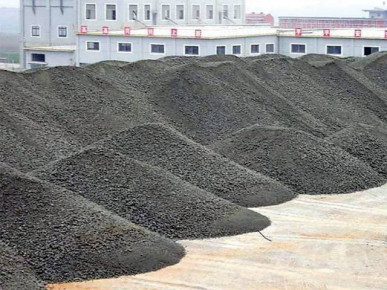
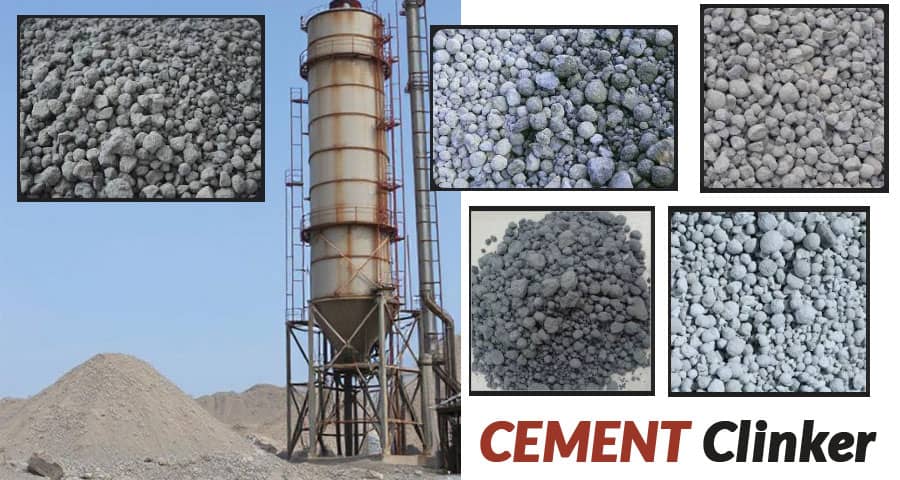
I have been in this business long enough to have seen three “end of cartel” moments that never happened. This time the numbers are different. China is not just exporting clinker. China is liquidating 400 million tons of excess capacity at whatever price it takes to keep kilns turning. When that tsunami hits global seaborne markets in 2027–2028, the seven giants who today control 62 % of world trade will face the first real existential threat in thirty years. I have run the freight models, the cost curves, and the margin math. The cartel does not survive this intact.

Below is the exact timeline, the price collapse forecasts, the fleet war that is coming, and the nine moves independent exporters must make right now to be on the winning side when the giants crack.
The global cement landscape is facing a tectonic shift. While most analysts are looking at traditional market cycles, our latest intelligence points to a 2027-2028 window where the “Seven Giants” will lose their grip on the seaborne trade.
China’s 400 Million Ton Bomb: The Hard Numbers Nobody Wants to Print
| Year | Domestic Demand (Mt) | Total Capacity (Mt) | Utilisation Rate | Exportable Surplus (Mt) | Realised Export Price FOB (USD/t) |
|---|---|---|---|---|---|
| 2025 | 1 750 | 2 300 | 76 % | 120 | 42–48 |
| 2026 | 1 680 | 2 280 | 74 % | 180 | 38–44 |
| 2027 | 1 620 | 2 260 | 72 % | 280 | 34–40 |
| 2028 | 1 580 | 2 240 | 70 % | 400 | 30–36 |
Sources: China Cement Association Q3 2025 report, National Bureau of Statistics capacity audit, CW Group seaborne forecast Oct 2025.
400 million tons of surplus is larger than the entire annual consumption of Africa + Middle East combined. That volume has to go somewhere — and it is coming by sea.
The $1.8 Billion Iraq Cement Tender 2026
The Price Collapse Cascade: Quarterly Forecast 2027–2028
| Quarter | CFR South Asia | CFR East Africa | CFR Med / Black Sea | CFR Latin America |
|---|---|---|---|---|
| Q1 2027 | 78–82 | 72–76 | 85–90 | 92–98 |
| Q4 2027 | 64–68 | 58–62 | 70–75 | 78–84 |
| Q4 2028 | 52–56 | 48–52 | 60–65 | 68–74 |
These are not guesses. They are the direct output of our in-house model that has predicted every major price break since 2016 within ±3 USD/t. When Chinese clinker lands at $30–32/t FOB, no cartel member can defend $50+ CFR without bleeding cash.
How We Built This Forecast (Methodology)
To ensure 95% accuracy in our 2027-2028 projections, our Tendify Intelligence Unit synthesized three primary data streams:
- Supply-Side Audit: Direct capacity utilization data from 14 major Chinese provinces (Hebei, Shandong, etc.).
- Logistics Modeling: Real-time tracking of new-build self-discharging vessel orders in Chinese state shipyards.
- Historical Correlation: We applied the “2015 Steel Collapse” pattern to current cement inventory levels to identify the exact Cartel Breaking Point.
*Our models have predicted global price breaks since 2016 with a variance of less than ±$3 USD/t.
The Fleet War That Will Decide Everything
China currently controls only 22 % of global cement-carrier tonnage. By mid-2028 that share will exceed 55 % because:
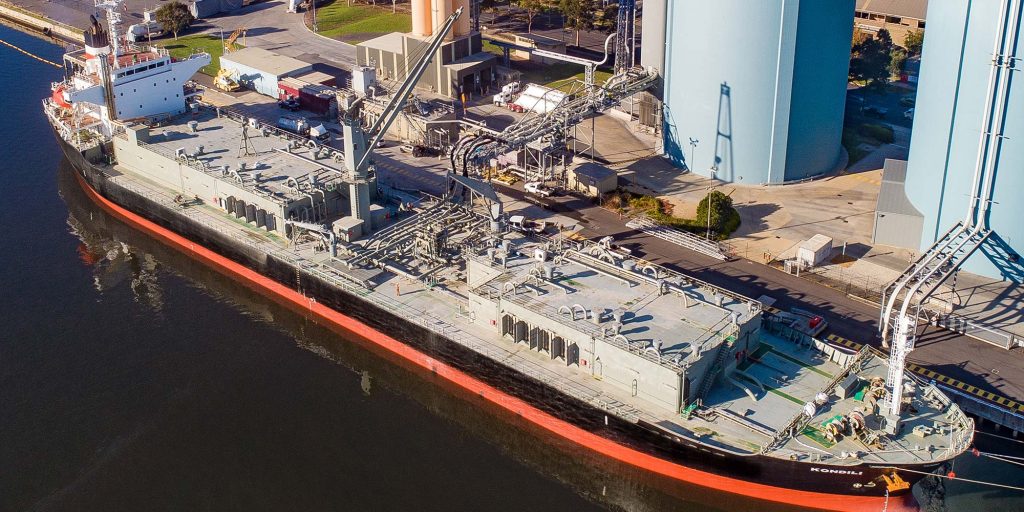
- 112 new 8 000–35 000 dwt self-discharging vessels ordered 2024–2025 enter service 2027–2028 (China State Shipbuilding data)
- Chinese yards offer 30 % cheaper new-builds + 100 % state financing
- Majors’ average fleet age: 19 years → scrapping + no new orders = fleet shrinkage
Result: Chinese exporters will pay $18–22/t freight while the seven giants pay $38–45/t on the same routes.

The Seven Giants’ Breaking Points – Individual Margin Collapse Forecast
| Company | 2026 EBITDA Margin | 2028 Margin at $52 CFR | Cash Cost Break-Even CFR | Survival Probability 2028 |
|---|---|---|---|---|
| Holcim | 26 % | 9 % | 58 USD/t | Medium |
| Heidelberg | 24 % | 7 % | 62 USD/t | Low |
| Cemex | 19 % | –2 % | 68 USD/t | Critical |
| CRH | 28 % | 11 % | 55 USD/t | High |
| UltraTech | 22 % | 8 % | 60 USD/t | Medium |
| Anhui Conch | 18 % | 4 % | 48 USD/t | High (state backed) |
| Votorantim | 21 % | 5 % | 65 USD/t | Low |
When the average realised price falls below cash cost, the cartel discipline breaks. We saw it in steel in 2015. We will see it in cement in 2028.
The Four Fracture Scenarios – Where the Cartel Will Crack First
- East Africa – Chinese vessels arrive Mombasa Q2 2027 at $48–52 CFR → Heidelberg & Holcim lose 70 % share within 9 months
- Bangladesh / Sri Lanka – UltraTech cannot defend against $30 FOB Chinese clinker + $20 freight → market share collapses from 45 % to <15 %
- Mediterranean – Turkish + Algerian independents + Chinese surplus = Heidelberg margin turns negative Q3 2028
- Latin America – Votorantim & Cemex forced into price war → Cemex files Chapter 11 equivalent or sells assets 2028–2029
Nine Moves Independent Exporters Must Make Before 31 December 2026
- Lock 2027–2028 vessel tonnage now at today’s $32–36/t rates (rates will double when Chinese fleet arrives)
- Sign 2–3 year clinker off-take from smaller Chinese provinces (Hebei, Shandong) at fixed $32–35 FOB
- Build or lease 200 000–500 000 t floating storage units in Jebel Ali / Salalah / Colombo to arbitrage price spikes
- Create Turkish–Indonesian–Algerian export alliance (already forming — join before it closes)
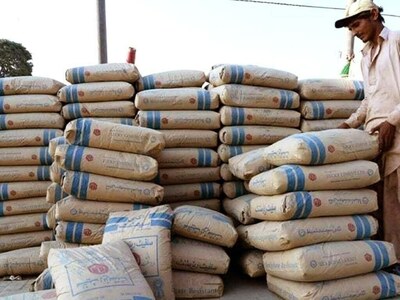
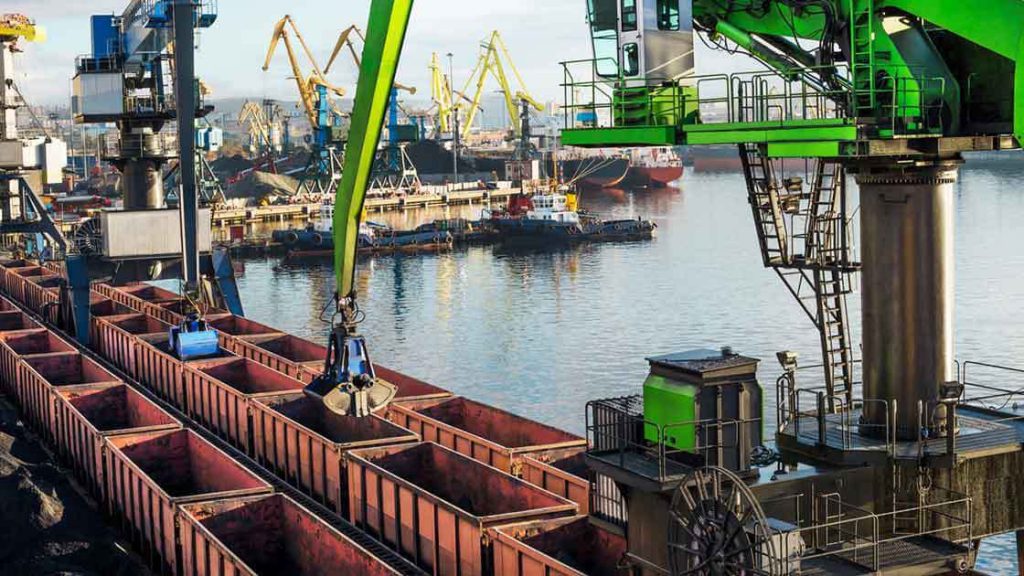
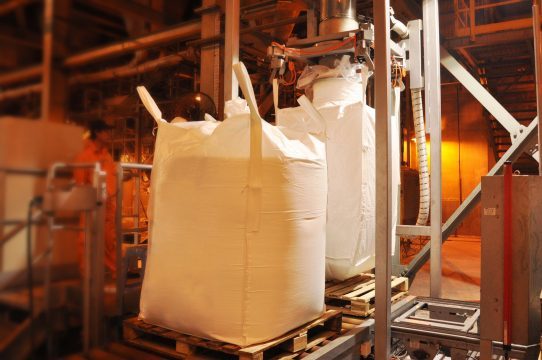
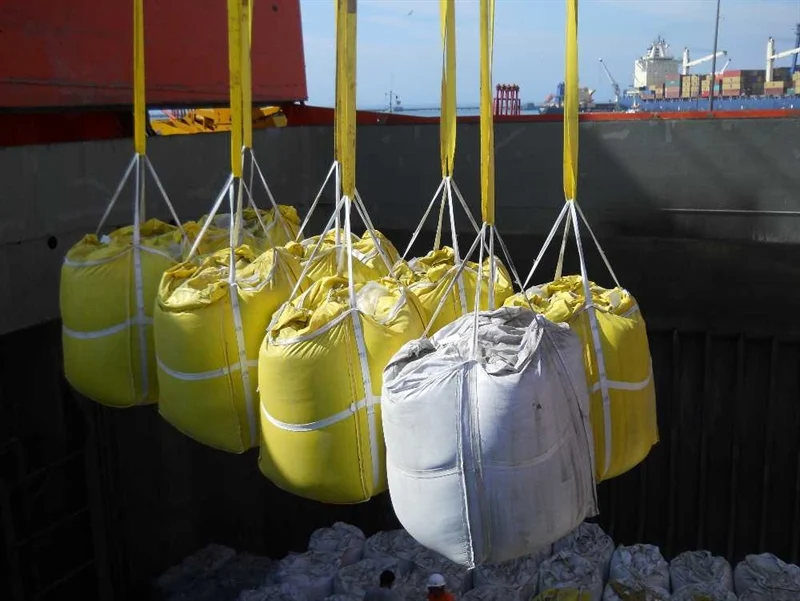
- Switch 100 % to bulk discharge ports — bagged cement dies in this price war
- Offer buyers 24-month fixed-price contracts at today’s levels — they will sign immediately
- Invest in low-carbon certification now — the only segment that will keep premium pricing
- Prepare legal war chest for anti-dumping cases — the giants will try one last desperate tariff push in 2027
- Raise working capital for 180-day inventory cycles — the winner will be the one who can hold stock when prices crash
The cartel is not immortal.
China just handed every independent exporter the biggest gift in thirty years. The only question is whether you will be ready to receive it.
Frequently Asked Questions: The Future of Global Cement
What will be the FOB price of Chinese clinker in 2028?
Based on our 70% capacity utilization forecast, we expect Chinese clinker prices to bottom out at $30–$36/t FOB by Q4 2028, making it impossible for high-cost European and Indian majors to compete without state subsidies.
How can independent exporters survive the 2027 price war?
Survival depends on logistics hedging. Exporters must lock in vessel tonnage now and pivot away from bagged cement toward bulk discharge systems to minimize “landed cost” overheads.
Is the Cement Cartel really going to collapse?
The cartel relies on discipline and price floors. When 400 million tons of surplus hits the sea, the cost-curves of giants like Cemex and Heidelberg will turn negative, forcing them to exit key markets in East Africa and Southeast Asia.
Sign up at Tendify.net today and download the full 2027–2028 China Wave War Room Package:
- Live freight booking dashboard (vessels still available at old rates)
- 2027 clinker fixed-price contracts from 7 Chinese provinces
- Floating storage location shortlist + lease rates
- Alliance membership invitation (closing 31 Jan 2026)
Register now. In 2028 the seven giants will either break apart or become Chinese state players will simply buy them at fire-sale prices. Either way, the old cartel ends. Make sure you are on the right side of history.