
Blog
How to Find Reliable Bulk Shipping Partners from Iran to the UAE: A B2B Guide to Building Trustworthy Logistics Relationships
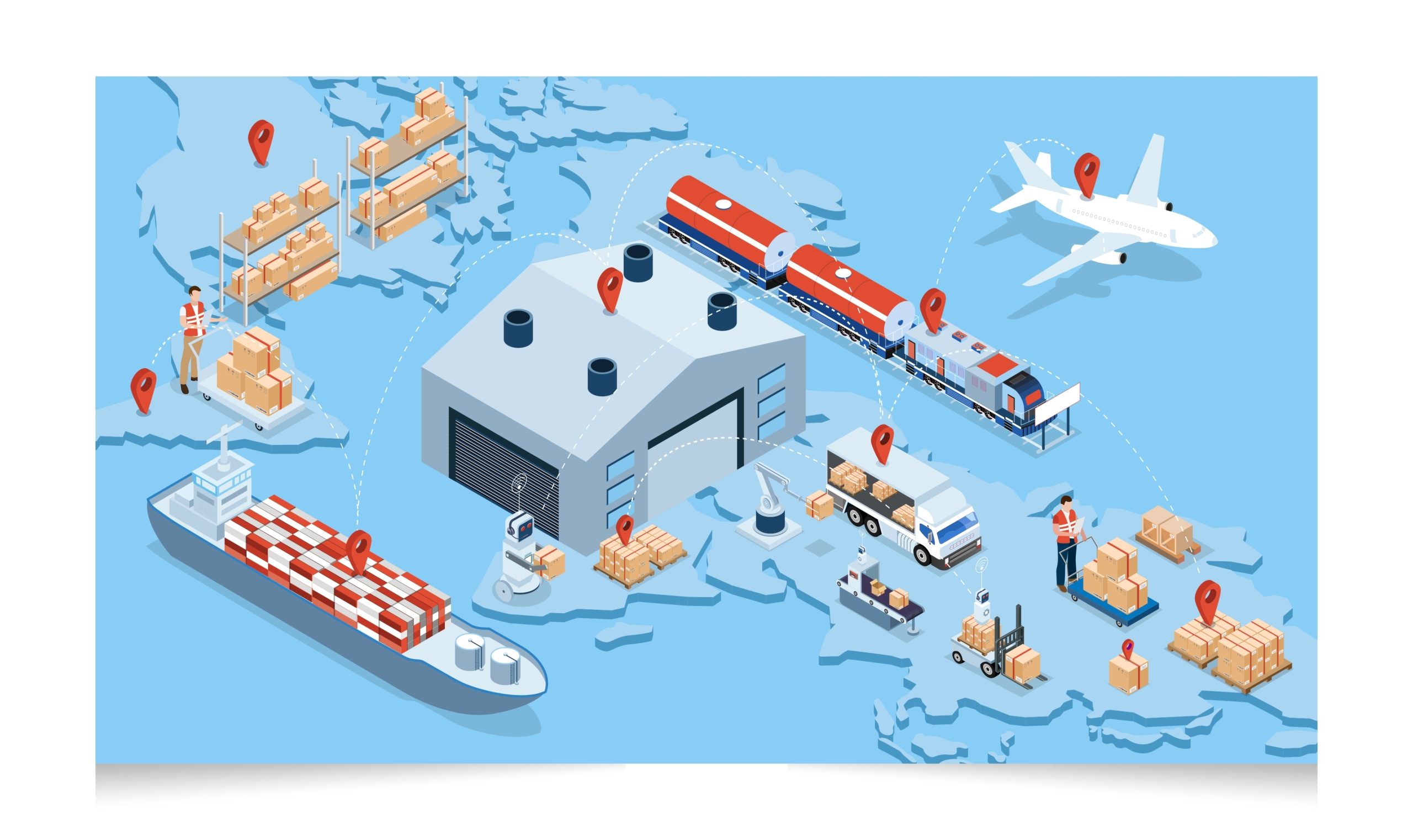
Introduction: The Partnership Imperative in Gulf Logistics
In the high-stakes world of B2B trade between Iran and the United Arab Emirates, your choice of logistics partner often determines your success more than your product quality or pricing strategy. For businesses shipping industrial equipment, construction materials, or commercial goods in bulk, finding reliable bulk shipping partners represents the single most critical supply chain decision. Yet this process remains shrouded in uncertainty, with too many companies relying on chance introductions or outdated directories. This comprehensive guide provides a systematic, vetting-focused approach to identifying, evaluating, and partnering with logistics providers who can consistently deliver your goods safely, on time, and within budget—transforming your shipping operations from a recurring challenge into a competitive advantage.
Why the UAE-Iran Shipping Corridor Demands Specialized Partners
The maritime route between Iranian ports like Shahid Rajaee or Bandar Abbas and UAE hubs like Jebel Ali or Khalifa Port may be geographically short, but it’s operationally complex. Understanding these unique challenges explains why generic logistics providers often fail:
Regulatory Complexity:
Navigating dual customs regimes with frequently updating documentation requirements
Compliance with both Iranian export formalities and UAE import regulations
Special requirements for specific cargo types (industrial machinery, food products, construction materials)
Operational Challenges:
Managing transshipment efficiently when direct shipping isn’t available
Coordination between multiple port authorities and handling agents
Seasonal variations in port congestion and shipping capacity
Communication Gaps:
Language barriers between Farsi-speaking origin agents and Arabic/English-speaking destination teams
Time zone differences affecting real-time problem resolution
Cultural nuances in business communication and negotiation styles
For a UAE-based construction company importing steel beams from Iran or an Iranian manufacturer exporting ceramics to Dubai distributors, these complexities mean that an average logistics partner isn’t sufficient. You need a specialist.
The 7-Step Framework for Vetting Bulk Shipping Partners
Step 1: Define Your Specific Requirements
Before evaluating partners, clarify your non-negotiable needs:
Cargo Specifications: Exact dimensions, weight, special handling requirements (temperature control, hazardous materials, oversized loads)
Frequency and Volume: Regular monthly shipments or occasional large consignments?
Value-Added Needs: Do you require packing, insurance, warehousing, or customs clearance services?
Technology Expectations: What level of digital tracking and reporting do you require?
Step 2: Source Potential Partners Through Multiple Channels
Cast a wide but targeted net:
Industry Referrals: Ask for recommendations from non-competing businesses with similar shipping profiles
Trade Association Directories: Utilize resources from the Iran Chamber of Commerce and UAE business councils
Digital B2B Marketplaces: Platforms like Tendify offer pre-vetted logistics partners with verified performance histories
Port Authority Lists: Both Iranian and UAE ports maintain directories of authorized agents and operators
Step 3: Conduct Initial Screening
Eliminate unsuitable candidates quickly:
Verify Licenses and Certifications: Request copies of operating licenses, ISO certifications, and port authority approvals
Check Financial Stability: Review credit reports or request trade references
Assess Industry Specialization: Do they have proven experience with your specific cargo type and route?
Evaluate Digital Presence: A professional, informative website and active business profiles indicate modernization
Step 4: The Detailed Capability Assessment
For promising candidates, conduct deeper evaluation:
Infrastructure and Assets:
Do they own or have dedicated access to appropriate equipment (containers, handling gear, trucks)?
What’s their network of agents and offices in both origin and destination countries?
How do they handle cargo at transshipment points?
Process and Communication:
Request a detailed walkthrough of their standard operating procedure
Evaluate their communication protocols and escalation procedures
Assess their bilingual capabilities (Farsi-Arabic-English)
Technology and Transparency:
What tracking systems do they offer (real-time GPS, milestone updates, document sharing)?
How do they handle exception management and proactive notification?
What reporting and documentation do they provide?
Step 5: Reference Checking with Precision
Generic references are meaningless. Conduct targeted reference checks:
Ask for 2-3 references with shipments similar to yours in size, cargo type, and route
Contact references directly with specific questions about performance metrics
Inquire about problem resolution: “Describe a time when something went wrong and how they handled it”
Ask about communication effectiveness and billing accuracy
Step 6: Pilot Project Implementation
Before committing long-term, conduct a controlled test:
Start with a single, non-critical shipment
Establish clear KPIs for the pilot: on-time performance, documentation accuracy, communication responsiveness, damage rate
Run the shipment through their complete process without special treatment
Document every interaction and milestone
Step 7: Performance-Based Contracting
Based on pilot results, negotiate terms that align incentives:
Include specific performance metrics and reporting requirements
Build in review periods and adjustment mechanisms
Establish clear escalation procedures and communication protocols
Consider longer-term agreements for proven partners with performance incentives
Case Study: How a Dubai Building Materials Company Solved Their Shipping Reliability Crisis
Company: A mid-sized distributor of Iranian marble and granite serving high-end construction projects in Dubai and Abu Dhabi.
The Problem: For two years, they struggled with inconsistent shipping performance:
40% of shipments arrived more than 7 days late
15% arrived with damage from improper handling
Communication breakdowns meant they often didn’t know about delays until their customers complained
Multiple logistics partners had failed them despite promising initial meetings
Their Solution Journey:
Structured Partner Search: They abandoned random referrals and implemented a systematic search through Tendify’s verified logistics partner directory, filtering specifically for companies with proven experience in stone/marble shipping on the Iran-UAE route.
Rigorous Evaluation: They shortlisted three candidates and conducted detailed assessments:
Company A: Offered lowest rates but used sub-agents at every transfer point
Company B: Had moderate rates with owned handling equipment but limited tracking technology
Company C: Slightly higher rates but specialized in fragile cargo with GPS-tracked dedicated containers
Comprehensive Pilot: They designed a 3-shipment pilot program:
Shipment 1: Small, lower-value granite tiles
Shipment 2: Medium-sized marble slabs
Shipment 3: Large, high-value customized stonework
Each shipment was meticulously tracked against 12 performance metrics.
Data-Driven Decision: After the pilot, the results were clear:
Company C achieved 100% on-time delivery with zero damage
Their real-time tracking allowed proactive customer updates
Their specialized packing and handling protocols prevented damage
Though 8% more expensive initially, the total cost (including damage and delay costs) was actually 22% lower
Strategic Partnership Development: They negotiated a 12-month performance-based contract with Company C that included:
Monthly performance reviews
Volume-based pricing incentives
Joint process improvement initiatives
Integrated tracking with their customer portal
The Results:
Within 6 months, on-time delivery reached 98%
Product damage claims dropped from 15% to under 1%
Their customers’ satisfaction scores increased by 34%
They used their reliable shipping as a marketing advantage, securing 3 major new contracts worth AED 8.2 million annually
The partnership expanded to include just-in-time delivery scheduling for their largest clients
“For years, we accepted shipping problems as an unavoidable cost of doing business with Iran. Implementing a systematic partner selection process transformed our operations. Now, our logistics isn’t just reliable—it’s a selling point that differentiates us from competitors. The Tendify platform gave us access to specialized partners we would never have found through traditional channels.” – Operations Director, Dubai Building Materials Distributor
The Red Flags: Warning Signs in Partner Evaluation
During your assessment, watch for these critical warning signs:
Operational Red Flags:
Reluctance to provide detailed process documentation
Inability to explain how they handle specific scenarios (customs delays, damage claims, missed connections)
Over-reliance on subcontractors without direct control
Vague or inconsistent answers about tracking and communication
Financial Warning Signs:
Unusually low bids that seem too good to be true
Requests for unusual payment terms or large upfront deposits
Lack of transparency in cost breakdowns
Poor credit ratings or reluctant references
Communication Concerns:
Slow response times during the evaluation phase
Lack of bilingual capabilities matching your needs
No single point of accountability
Defensive responses to detailed questions
How Digital Platforms Transform Partner Discovery and Management
Modern B2B marketplaces like Tendify are revolutionizing how businesses find and manage logistics partners by addressing traditional pain points:
Pre-Vetting and Verification:
All partners undergo rigorous background checks and capability verification
Performance data from multiple clients creates transparent ratings
Financial stability assessments reduce risk
Structured Comparison:
Standardized presentation of services and capabilities enables apples-to-apples comparison
Transparent pricing frameworks make true cost analysis possible
Specialization filters help identify partners with exact relevant experience
Integrated Management:
Built-in tracking and communication tools
Performance monitoring and reporting
Centralized document management
Dispute resolution mechanisms
Network Effects:
More data leads to better partner performance through transparency
Volume aggregation can provide better pricing
Community knowledge sharing about route conditions and regulatory changes
Building a Sustainable Partnership: Beyond the Initial Selection
Finding the right partner is only the beginning. Nurturing the relationship determines long-term success:
Regular Performance Reviews:
Monthly operational reviews
Quarterly business reviews
Annual strategic reviews
Transparent Communication:
Shared goals and metrics
Open discussion of challenges
Collaborative problem-solving
Continuous Improvement:
Joint process optimization initiatives
Technology integration projects
Staff exchange or training programs
Risk Management:
Contingency planning for disruptions
Regular reassessment of backup options
Insurance and liability alignment
Your 90-Day Action Plan for Finding the Right Partner
Weeks 1-2: Preparation
Document your complete shipping requirements and pain points
Establish your evaluation criteria and scoring system
Research potential sources for partner identification
Weeks 3-6: Identification and Screening
Identify 8-10 potential partners through multiple channels
Conduct initial screening to narrow to 3-4 serious candidates
Request and review detailed proposals from shortlisted candidates
Weeks 7-10: Evaluation and Pilot
Conduct in-depth capability assessments of finalists
Check references with specific, detailed questions
Design and execute pilot shipment with top candidate
Weeks 11-12: Decision and Implementation
Analyze pilot results against your criteria
Negotiate terms and finalize agreement
Implement full-scale transition plan
Conclusion: Reliability as a Strategic Investment
In B2B trade between Iran and the UAE, finding reliable bulk shipping partners isn’t a procurement activity—it’s a strategic investment in business continuity, customer satisfaction, and competitive advantage. The systematic approach outlined here requires more upfront effort than traditional partner selection methods, but the long-term payoff in reduced stress, lower total costs, and improved customer relationships makes this investment invaluable.
The most successful businesses in the Iran-UAE trade corridor aren’t those that occasionally find good shipping rates; they’re those that build strategic logistics partnerships based on transparency, performance, and mutual growth. In today’s competitive environment, your logistics partners should be extensions of your own team—reliable, communicative, and consistently focused on delivering value.
Ready to Find Your Ideal Shipping Partner?
Stop gambling with your supply chain reliability. Tendify’s verified network of specialized logistics partners combines rigorous vetting with performance transparency, connecting you with providers who have proven expertise in the Iran-UAE shipping corridor.
👉 [Discover Verified Bulk Shipping Partners on Tendify]
With your free Tendify account, you can:
Access our pre-vetted directory of logistics specialists filtered by your specific cargo type, volume, and route requirements
Compare detailed capability profiles with verified customer ratings and performance data
Utilize our partner matching system that identifies the most suitable providers based on your specific needs
Manage your entire logistics relationship through our integrated platform with tracking, documentation, and performance monitoring
Transform your shipping from a constant challenge into a consistent competitive advantage. Begin your search for the right partner today.

