المدونة
Shorja Wholesale Secrets: How to Supply FMCG to Baghdad’s Largest Hub
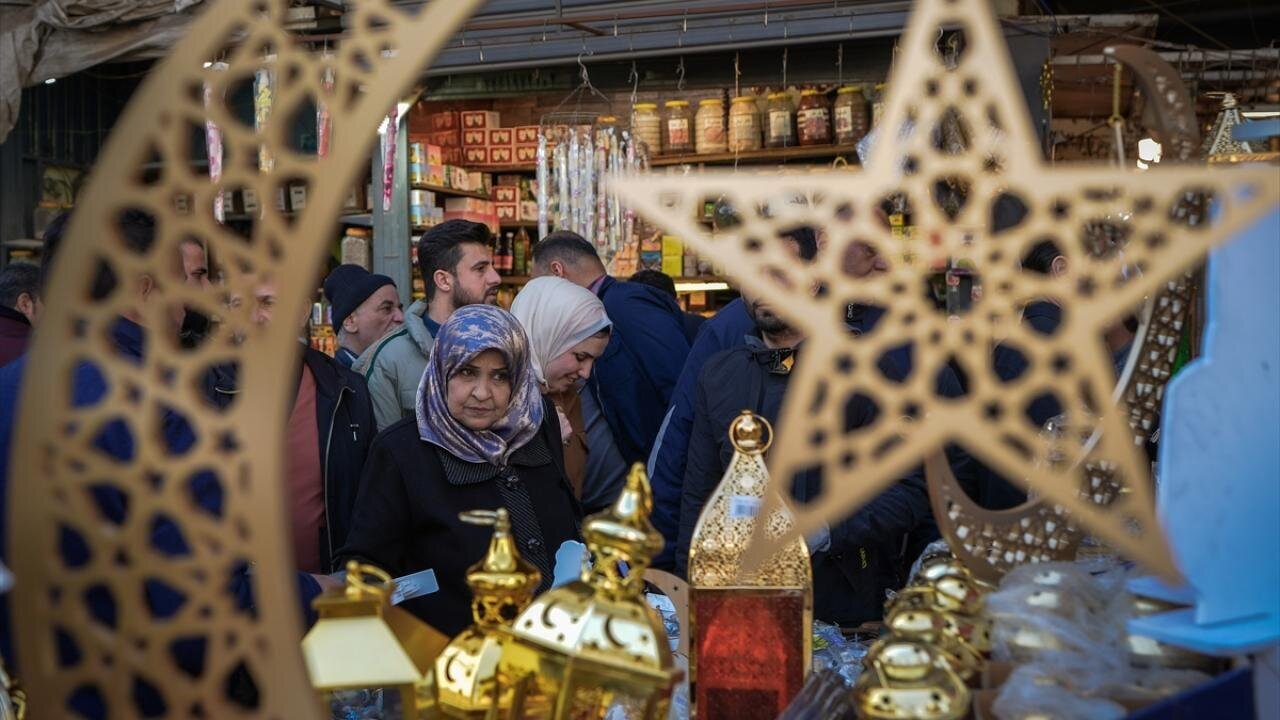
I’ve spent decades in global trade, sourcing everything from everyday consumer goods to bulk commodities across emerging markets. There’s nothing quite like the energy of a traditional wholesale hub—chaotic on the surface, but built on deep-rooted relationships and smart navigation. Baghdad’s Shorja market stands out as one of those timeless powerhouses. If you’re an FMCG supplier looking to tap into Iraq’s growing demand for fast-moving consumer goods, this is the beating heart of wholesale trade. But entering it blindly can cost you time, money, and opportunities.
Shorja Market
Think about this: Iraq’s FMCG sector relies heavily on imports, with consumer spending driving consistent growth even amid challenges. Shorja isn’t just a market—it’s the central node where bulk deals happen, feeding retailers across the country. Get it right, and you’re positioned for steady volume. Get it wrong, and you’ll get lost in the crowd.
In this guide, I’ll share practical insights from real-world experience to help you succeed in the Shorja market. We’ll cover its history, why it matters for FMCG, the unwritten rules that govern deals, step-by-step entry strategies, and key pitfalls to avoid.
Understanding Shorja: Baghdad’s Historic Wholesale Powerhouse
Shorja market, also known as Al-Shorja, traces its roots back to the late Abbasid era around the 8th century. It started as a perfumers’ souk and evolved into Baghdad’s largest and oldest trading center. Located in the Rusafa district along the Tigris River, it’s a maze of covered alleys branching into specialized sections for spices, soaps, household items, food staples, and yes—plenty of FMCG categories like detergents, packaged foods, personal care products, and beverages.
What makes Shorja irreplaceable? It’s the go-to wholesale destination for Iraq’s retail network. Modern malls and hypermarkets exist, but they can’t match Shorja’s volume or variety for bulk sourcing. Traders here handle imports and domestic distribution, making it essential for FMCG suppliers aiming to reach small shops, supermarkets, and even regional exporters.
The Souk al-Shorja Market
In today’s context, Shorja reflects Iraq’s resilient economy. Despite past disruptions, it bounces back as a barometer of stability—bustling when things improve, cautious otherwise. For FMCG, this means reliable demand for everyday essentials: think cleaning products, canned goods, snacks, and hygiene items that move fast in a population hungry for quality options.
Why Shorja Matters for FMCG Suppliers Today
FMCG thrives on volume and speed. Shorja delivers both. As Iraq rebuilds and consumer preferences shift toward branded imports, the market serves as the primary distribution point for fast-moving goods heading to thousands of outlets nationwide.
Here’s why it’s a goldmine:
- Centralized Bulk Trading: Most wholesale FMCG deals start here. Importers offload containers, and local distributors pick up for redistribution.
- Diverse Product Range: Sections dedicated to foodstuff, household chemicals, and personal care mirror FMCG categories perfectly.
- Price Sensitivity and Negotiation: Competitive pricing drives margins, but smart haggling builds long-term partnerships.
- Network Effects: One good connection can open doors to multiple buyers across provinces.
From my experience, markets like Shorja reward patience and relationship-building over quick wins. In emerging regions, trust trumps contracts initially—deals often seal on handshakes after tea and conversation.
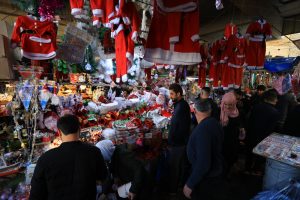
New Year’s preparations in Baghdad
For deeper insights on compliance when exporting to Iraq, check out our Ultimate Guide to Iraqi Quality Standards (IQS). It’s crucial for FMCG products requiring mandatory certifications.
The Unwritten Rules of Doing Business in Shorja
Every traditional market has its code—Shorja is no exception. These aren’t posted signs; they’re learned through observation and respect. Ignore them, and doors close fast.
Building Trust Takes Time
Relationships are currency here. Don’t rush in with hard sells.
- Start with small orders to prove reliability.
- Visit multiple times; consistency shows commitment.
- Share meals or tea—it’s how alliances form.
Why? In high-context cultures, personal bonds reduce risk in uncertain environments.
Negotiation is an Art, Not a Battle
Haggling is expected, but aggressive tactics backfire.
- Begin high, but leave room for mutual benefit.
- Focus on volume commitments for better terms.
- Use silence strategically—it often prompts concessions.
Pro tip: Always confirm details verbally and follow up in writing later.
Cash and Credit Dynamics
Many deals are cash-based for speed, but established traders extend credit.
- Start cash to build creditworthiness.
- Pay promptly to unlock larger lines.
- Beware extended terms without strong ties—they can strain cash flow.
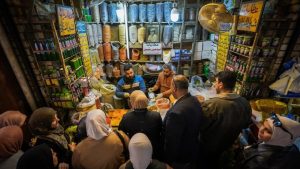
Shorja Market in Baghdad
Respect Hierarchy and Local Customs
Markets like this have informal leaders—senior traders or family networks.
- Greet properly and show deference to elders.
- Avoid direct confrontation; save face for everyone.
- Timing matters: Peak activity mid-morning; afternoons for deeper talks.
Quality and Compliance Can’t Be Skimmed
Iraqi buyers demand value, but standards are rising.
- Ensure products meet IQS requirements—non-compliance kills deals.
- Provide samples freely; it demonstrates confidence.
See our article on Cross-Border Logistics in Gulf for tips on smooth delivery, which directly impacts Shorja perceptions.
Step-by-Step: Entering the Shorja Market as an FMCG Supplier
Ready to dive in? Here’s a proven playbook.
Step 1: Research and Prepare Your Offer
- Identify high-demand FMCG: Detergents, packaged snacks, beverages, personal care.
- Price competitively—factor in duties and transport.
- Prepare Arabic labels and documentation.
Step 2: Find the Right Entry Point
- Use local agents or partners familiar with Shorja.
- Attend trade events or connect via chambers of commerce.
- Post RFQs on platforms like Tendify to attract Iraqi buyers.
Step 3: Make Your First Visit
- Go with a trusted local guide.
- Tour sections: Focus on foodstuff and household alleys for FMCG.
- Collect contacts; don’t push sales immediately.
Step 4: Start Small and Scale
- Offer trial shipments.
- Deliver on promises to earn repeat business.
- Gradually introduce new lines.
Step 5: Manage Logistics and Risks
- Partner with reliable forwarders experienced in Iraq routes.
- Insure cargo and track shipments closely.
- Stay updated on security and regulations.
Case in point: One supplier I know started with a single container of household cleaners. By honoring small orders flawlessly, they scaled to monthly shipments within a year.
المزالق الشائعة وكيفية تجنبها
Even seasoned traders slip up. Here’s what to watch:
- Overpromising Delivery: Delays erode trust fast.
- Ignoring Cultural Nuances: Rushing or skipping pleasantries signals disrespect.
- Poor Quality Control: One bad batch can blacklist you.
- Neglecting Follow-Up: Deals need nurturing post-sale.
Mitigate with thorough vetting and clear communication.
Navigating Challenges in Shorja: Security, Logistics, and Competition
Shorja’s location in central Baghdad means occasional security concerns—always check travel advisories.
Logistics hurdles include customs clearance and inland transport. Use experienced clearers to avoid delays.
Competition is fierce from regional importers, but differentiation wins: Superior quality, consistent supply, and flexible terms set you apart.
For related challenges, read our guide on Handling Pre-Existing Container Damage in International Shipping.
Scaling Your Presence in Shorja for Long-Term Success
Once established:
- Diversify buyers across sections.
- Introduce promotions tied to seasons or holidays.
- Build a local warehouse or agent for faster response.
- Monitor trends—rising demand for healthier or branded options.
The reward? Stable, high-volume FMCG orders in a market with growing potential.
Shorja market isn’t for the faint-hearted, but master it, and you’ve unlocked a vital gateway to Iraq’s FMCG landscape. It’s where history meets opportunity, and smart suppliers thrive.
If you’re ready to connect with verified buyers or list your FMCG products for global reach—including opportunities in markets like Iraq—sign up on Tendify.net today. Our platform cuts out middlemen, offers secure transactions, and helps you post RFQs or showcase directly to serious traders. Register for free and start building those connections now.