


المدونة
NFPA 660 Compliance: Protecting Your Logistics Hub from Combustible Dust Risks
I’ve spent decades in global trade, moving everything from raw materials to finished goods across borders. One lesson stands out: overlooking hidden risks like combustible dust can turn a smooth supply chain into a nightmare. Dust from powders, grains, or chemicals builds up quietly in warehouses, shipping containers, and transport vehicles—then ignites with devastating force.
NFPA 660
The new NFPA 660 standard, effective December 6, 2024, consolidates previous rules into one clear framework. For anyone in customs clearance, freight forwarding, warehousing, or import/export, this isn’t just another regulation—it’s a practical tool to protect your operations, avoid delays, and keep costs under control.
In this guide, I’ll break down what changed, why it matters for logistics and trade, and exactly how to implement it without disrupting your business.
What Is NFPA 660 and Why It Matters Now
NFPA 660 combines older standards like NFPA 652, 654, 61, and others into a single document for managing fire, flash fire, and explosion risks from combustible dusts and particulate solids.
Before, companies juggled multiple overlapping rules, leading to confusion and gaps. Now, one standard covers fundamentals plus industry-specific needs.
Key statistic: Facilities handling combustible materials report dust-related incidents regularly, often from accumulated layers in hard-to-reach spots. According to industry reports from sources like Processing Magazine, poor dust management causes millions in damages annually—not counting downtime or regulatory fines.
For logistics and trade professionals, NFPA 660 directly impacts warehouses storing bulk powders, containers transporting grains or chemicals, and facilities repackaging imports. Ignoring it risks customs holds, insurance denials, or worse.
NFPA 660 in Logistics and International Trade
Core Requirements of NFPA 660 Every Logistics Operator Should Know
The standard mandates a proactive approach. Here’s what applies most to supply chain operations.
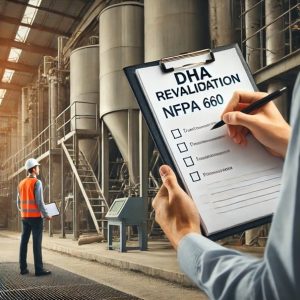
Mandatory Dust Hazard Analysis (DHA)
A DHA is now required for all new and existing facilities handling combustible particulates.
- What it involves: Systematic identification of where dust accumulates, how it could ignite, and what controls are needed.
- الجدول الزمني: Update existing DHAs at least every five years, or immediately after significant changes like new materials, equipment, or processes.
- Trigger for re-evaluation: Any Management of Change (MOC) event, such as switching suppliers for a powdered chemical.
In logistics, this means assessing warehouses, loading docks, and even shipping containers if they store dust-generating goods long-term.
Why this matters: A proper DHA prevents over-reliance on insurance. It catches issues early, like dust buildup in ventilation systems during grain offloading.
Qualified Personnel and Training
The analysis must be led by someone with proven expertise in combustible dust hazards—often a certified professional.
All staff handling these materials need regular training on risks, housekeeping, and emergency response.
In trade, train warehouse teams and freight handlers. I’ve seen operations grind to a halt during audits because staff couldn’t demonstrate basic knowledge.
Navigating NFPA 660
Industry-Specific Ties Relevant to Trade
NFPA 660 includes chapters tailored to commodities common in international shipping:
- Food and Agriculture (Chapter 21): Covers grains, sugars, and flours—major import/export items.
- Chemicals and Powders (General Chapters): Applies to bulk chemicals, pigments, or pharmaceuticals.
- Metals and Other Particulates: Relevant for metal powders in industrial trade.
For global traders, these tie into broader compliance like IMDG Code for sea transport or IATA for air.
Combustible Dust Risks in Customs, Warehousing, and Transportation
Dust hazards hit hardest in logistics environments.
Common Scenarios in Supply Chains
- Warehouses and Storage: Dust settles on beams, equipment, and floors. Vibration from forklifts disperses it, creating explosive clouds.
- Shipping Containers: Bulk powders shift during transit, leaking dust that accumulates inside. Opening containers at customs can ignite if sparks are present.
- Loading/Unloading: Transferring grains or chemicals generates airborne dust, especially in enclosed docks.
- Cross-Contamination: Mixed commodities in shared facilities increase reactivity risks.
Data point: Studies show self-heating hazards rise with bulk storage over 1,000 kg—common in import holds awaiting clearance.
New evaluations under NFPA 660 include self-heating, thermal instability, and water reactivity, critical for humid port environments.
Real-World Impact on International Trade
Delays at customs from suspected hazards cost thousands daily. Insurers now reference NFPA 660 in policies, meaning non-compliance could void coverage.
In multimodal transport (truck to ship to rail), dust controls must remain consistent across handoffs.
Step-by-Step Guide to Achieving NFPA 660 Compliance in Logistics
Don’t wait for an audit. Here’s a direct plan based on what has worked in high-volume operations.
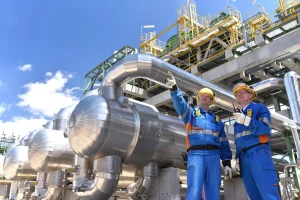
Achieving NFPA 660 Compliance in Logistics
Step 1: Screen Your Materials
Test samples for combustibility. Start with go/no-go screening (e.g., ASTM methods referenced in NFPA 660).
Focus on frequent imports: grains, starches, metal powders, chemicals.
Partner with certified labs for quick results.
Step 2: Conduct or Update Your DHA
Assemble a team: operations manager, safety lead, and external expert if needed.
Map dust accumulation points in warehouses and vehicles.
Identify ignition sources: electrical equipment, hot surfaces, friction.
Document safeguards like explosion venting or suppression.
Revalidate every five years or after changes.
Step 3: Implement Engineering and Administrative Controls
Housekeeping:
- Use central vacuum systems with explosion protection.
- Schedule regular cleaning of elevated surfaces.
- Avoid compressed air blow-down—it disperses dust.
Equipment:
- Install dust collection with proper venting and isolation.
- Ground all conductive components to prevent static.
- Link new systems to Operational Readiness Reviews (ORR).
Storage and Handling:
- Segregate incompatible materials.
- Use sealed containers for transport.
- Monitor temperature in bulk storage.
Step 4: Train and Prepare for Emergencies
Train annually on dust risks and response.
Develop plans tied to DHA findings, including coordination with customs or port authorities.
Step 5: Integrate with Broader Compliance
Align with DOT hazmat rules for transport and OSHA for workplaces.
For international shipments, cross-reference with UN recommendations.
Comparison Table: Key Controls for Logistics Settings
| Area | Primary Risk | Recommended Control (per NFPA 660) | Benefit in Trade Operations |
|---|---|---|---|
| Warehouses | Layer accumulation | Scheduled vacuuming + dust collectors | Reduces inspection delays |
| Shipping Containers | Confined dust clouds | Pre-loading inspections + inerting if needed | Prevents incidents during customs opening |
| Loading Docks | Airborne dispersion | Enclosed transfer systems + ventilation | Minimizes worker exposure and fire risk |
| Bulk Storage | Self-heating | Temperature monitoring + size limits | Avoids spoilage claims on imports |
Compliance isn’t just about avoiding fines—it’s about reliability. Facilities with robust dust management experience fewer disruptions, lower insurance premiums, and stronger partner trust.
In global trade, where delays compound quickly, this gives you an edge.
For more on optimizing logistics, check these related guides on Tendify.net:
- Bitumen Logistics: Bitutainers vs Drums – The Ultimate Comparison
- Cross-Border Logistics in Gulf: Your 2026 Guide to Multimodal Transport and Freight Costs
- The Rise of GCC Logistics Hubs: Reshaping Global Trade by 2030
Ready to secure your operations against combustible dust risks? انضم إلى Tendify.net اليوم—connect with verified suppliers, access secure tools, and stay ahead in global trade. Register now and start sourcing safely.

