المدونة
Saudi Vision 2030: How to Secure Your Place in the $1 Trillion Supply Chain
I’ve spent decades building and scaling global trade businesses, navigating everything from volatile markets to disruptive innovations. One thing I’ve learned: ignoring the fastest-growing markets in the region is a mistake that can cost you years of lost growth. Saudi Arabia, with its ambitious Vision 2030 initiative, stands out as the largest and most dynamic emerging market in the Middle East right now. It’s not just talk—it’s delivering real, tangible shifts in supply chain and logistics that create massive opportunities for savvy operators.
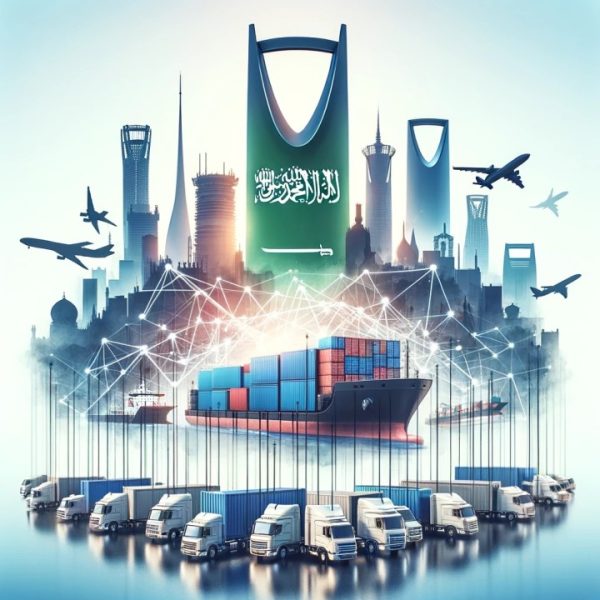
Supply Chain Opportunities in Saudi
Think about it: the Kingdom is pouring billions into becoming a global logistics hub, diversifying beyond oil, and building resilient supply chains. If you’re in wholesale, manufacturing, or global sourcing—like many of us on platforms connecting buyers and suppliers—this is the moment to pay attention. In this guide, I’ll break down the key opportunities, backed by hard data, and show you exactly how to position your business to capitalize.
Understanding Saudi Vision 2030: The Foundation of Supply Chain Transformation
Launched in 2016, Vision 2030 is Saudi Arabia’s blueprint for economic diversification, reducing oil dependency, and fostering a thriving private sector. At its core are three pillars: a vibrant society, a thriving economy, and an ambitious nation. But for supply chain professionals, the real game-changer is the National Industrial Development and Logistics Program (NIDLP)—one of the flagship initiatives driving this change.
Why does this matter? Because Vision 2030 explicitly targets logistics and supply chain as a pillar of growth. The goal: position Saudi Arabia as a top global logistics hub connecting Asia, Europe, and Africa. This isn’t hypothetical. Progress reports show over 85% of initiatives on track or completed by 2024, with logistics investments accelerating.
Key stats driving the momentum:
- The Saudi freight and logistics market hit USD 27.14 billion in 2025, projected to reach USD 35.90 billion by 2030 at a CAGR of 5.76% (Mordor Intelligence).
- Overall logistics sector expected to grow to USD 198.9 billion by 2030, with a 6.5% CAGR (Grand View Research).
- Government commitments: USD 267 billion in transport and logistics infrastructure by 2030.
These numbers aren’t just projections—they reflect real infrastructure builds, regulatory reforms, and foreign investment inflows. For global traders, this means lower risks, faster transit times, and access to a market hungry for efficient supply chains.
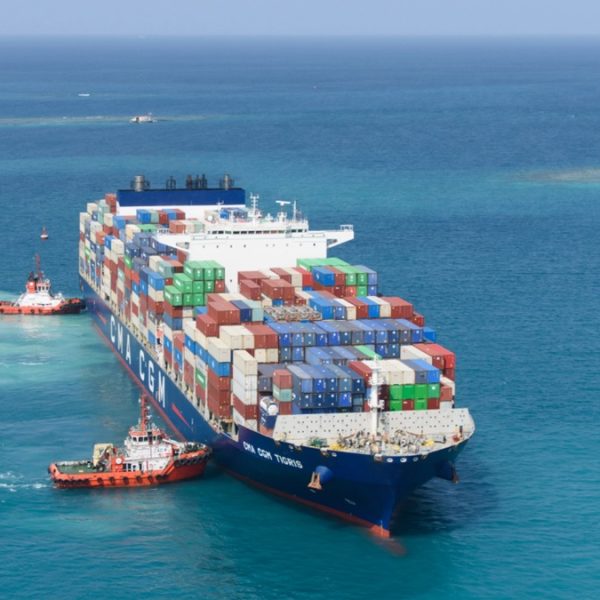
Supply Chain in Saudi
Key Sectors Fueling Supply Chain Opportunities
Vision 2030 prioritizes four strategic sectors for logistics and industrial growth: manufacturing, energy, mining, and logistics itself. These aren’t isolated; they’re interconnected, creating ripple effects across global trade.
Logistics and Transportation: The Core Engine
Saudi Arabia’s geographic advantage—bridging three continents—combined with massive investments, is reshaping global routes.
- Ports, railways, and airports are expanding rapidly. Plans include 59 logistics zones spanning 100 million square meters.
- The Logistics Performance Index target: top 25 globally (currently climbing steadily).
- E-commerce boom: Online retail expected to double market share by 2025, driving demand for last-mile delivery, warehousing, and cold chain solutions.
Opportunities here include:
- Third-party logistics (3PL) providers: Market valued at USD 13.6 billion in 2023, projected to USD 24 billion by 2033 (CAGR 6.2%).
- Tech-enabled services: AI, IoT, and blockchain for tracking and optimization.
Real-world example: Major players like DHL are investing hundreds of millions in new hubs, aligning with Vision 2030 to support import/export flows.
Manufacturing Localization: Reducing Import Dependency
A big push under Vision 2030 is localizing production to build domestic capabilities and resilient supply chains.
- Focus areas: Pharmaceuticals, automotive, food processing, and defense.
- Incentives for foreign companies: Set up local facilities in special economic zones (SEZs) with 100% ownership allowed.
This creates demand for:
- Raw materials sourcing and component supply.
- Advanced manufacturing tech and automation.
- Supply chain consulting to optimize local vs. global sourcing.
Data point: NIDLP aims to attract USD 426 billion in investments by 2030, with heavy emphasis on manufacturing growth.
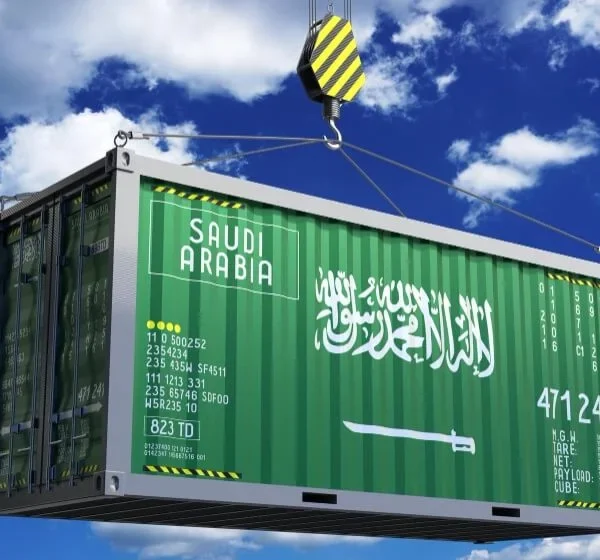
Logistics Supply Chain in Saudi
Tourism and Mega-Projects: New Demand Drivers
Giga-projects like NEOM, Red Sea Global, and Qiddiya are transforming tourism and entertainment.
- Target: 100 million visitors annually by 2030.
- This spikes needs for hospitality supplies, construction materials, food/beverage chains, and event logistics.
Cold chain logistics is exploding here—Saudi imports 80% of food, and tourism amplifies demand for fresh produce and pharma.
Renewable Energy and Sustainability: Green Supply Chains
Vision 2030 commits to net-zero by 2060, with massive renewable projects.
- Opportunities in green logistics: Electric vehicles, low-emission transport, and sustainable warehousing.
- Hydrogen production: Aiming for global leadership, creating new export supply chains.
Why Now? The Risks of Waiting
I’ve seen markets like this before—early entrants build lasting advantages. Saudi Arabia’s reforms make entry easier than ever:
- 100% foreign ownership in most sectors, including logistics.
- Special Economic Zones offering tax breaks, streamlined regulations, and infrastructure.
- Global Supply Chain Resilience Initiative: Attracting strategic investments to bolster regional hubs.
But delays cost. Competitors are already moving—over 675 multinational HQs in Riyadh, exceeding targets.
Comparison of Entry Barriers: Pre- vs. Post-Reforms
| أسبكت | Pre-Vision 2030 | Today (2025) |
|---|---|---|
| Foreign Ownership | Limited, often required local partner | 100% allowed in logistics/supply chain |
| Licensing Time | Months to years | Streamlined, weeks in SEZs |
| Incentives | Minimal | Tax holidays, grants, subsidies |
| Infrastructure Access | Developing | World-class ports, zones ready |
Practical Steps to Enter and Scale in Saudi Supply Chains
Don’t just read the stats—act on them. Here’s a direct playbook based on what has worked in similar transformations.
- Research and Partner Locally Start with the Ministry of Investment portal. Identify SEZs like King Abdullah Economic City (logistics-focused) or Ras Al Khair (industrial).
- Leverage Digital Platforms Use wholesale marketplaces to test demand. Post RFQs for Saudi buyers or list products targeting Vision 2030 sectors. For more on scaling digitally, check our guide on Scaling Import and Export Operations in a Digital-First World.
- Build Resilient Chains Incorporate tech early: AI for forecasting, blockchain for transparency. Align with sustainability—green logistics wins tenders.
- Mitigate Risks Diversify suppliers, use bonded zones for duty-free ops. Stay updated on geopolitical shifts; see our article on Geopolitical Risks in Global Trade.
- Digitize for Efficiency Slash waste with modern tools. Dive deeper in Digitizing Your Supply Chain to Slash Waste in 2026.
Case in point: Companies entering early via partnerships have secured long-term contracts in mega-projects, turning initial investments into multi-year revenue streams.
التحديات وكيفية التغلب عليها
No market is risk-free. Skills gaps, regulatory navigation, and competition exist. But Vision 2030 addresses these head-on with training programs and one-stop investment services.
The “why” behind overcoming: Resilient chains built here access not just Saudi’s 35+ million consumers but the broader region.
The Bigger Picture: Why Saudi Supply Chains Matter Globally
In a world of disruptions, Saudi Arabia offers stability and growth. It’s building ecosystems that outlast short-term fluctuations—much like successful trade businesses focus on long-term power.
For wholesale traders, this means reliable sourcing hubs, new buyer networks, and diversified routes.
Financial Considerations: Analyzing Your Investment
While not a full calculator, consider basics:
- Entry costs: Lower in SEZs (subsidized land/utilities).
- ROI potential: High in high-growth sectors like 3PL or cold chain (CAGRs 6%+).
- Break-even: Often 2-3 years with government incentives.
Run scenarios based on your scale—focus on volume growth from e-commerce/tourism spikes.
In closing, Saudi Vision 2030 isn’t a distant plan—it’s happening now, creating the Middle East’s premier supply chain opportunities. Ignoring it means watching competitors build the relationships and infrastructure you’ll wish you had.
Ready to explore real connections with verified suppliers and buyers driving these opportunities? انضم إلى Tendify.net اليوم—post your first RFQ in minutes or list products to reach global traders tapping into this market. Sign up now and position your business for the next wave of growth.