المدونة
Exporting Solar Equipment to Oman 2026: From Tenders to Customs Clearance
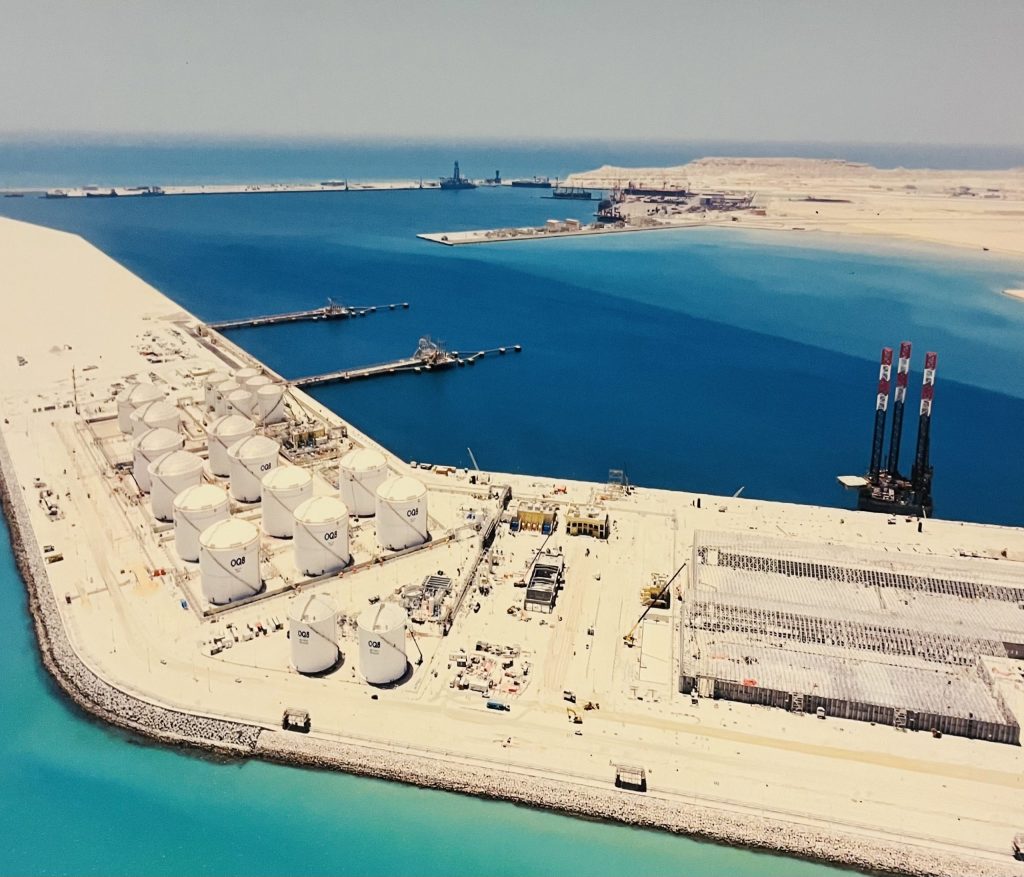
I’ve spent the last two decades building supply chains across the Gulf, watching markets shift from oil dominance to something far more balanced. Oman stands out right now. While everyone talks UAE or Saudi Vision 2030, Oman quietly builds one of the most aggressive renewable ramps in the region. With net-zero by 2050 locked in and a firm 30% renewables target by 2030 (mostly solar PV and onshore wind), the country is issuing tenders that create real openings for component suppliers.
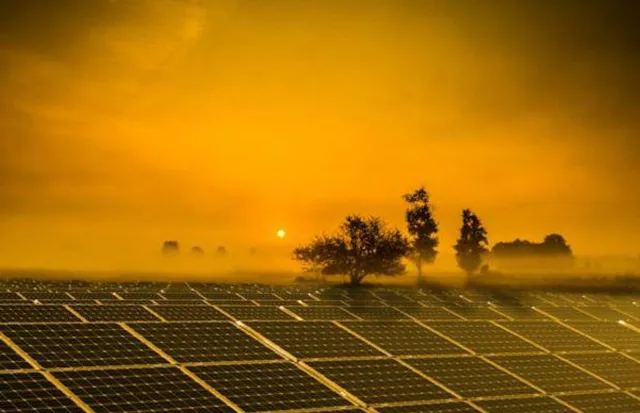
Exporting Solar Equipment to Oman
In early 2026, Nama Power and Water Procurement Company (Nama PWP) is actively tendering roughly 1.6 GW of combined wind and solar capacity. Add PDO’s ongoing solar initiatives for oilfield electrification, and you see why importers and wholesalers are suddenly asking serious questions about solar panels, inverters, mounting structures, cables, and balance-of-system gear.
The catch? Winning here isn’t just about the lowest price. It’s about compliance, local logistics savvy, and understanding how tenders actually work. I’ve lost deals early on by underestimating Oman’s paperwork and I’ve closed bigger ones by treating every step like a high-stakes negotiation.
This guide walks you through everything I wish someone had handed me back when I first shipped renewable hardware into the Gulf.
Why Oman Is the Next Big Opportunity for Solar Exporters in 2026
Oman’s renewable push isn’t hype—it’s backed by hard numbers and real money.
- National Targets Driving Demand — Oman aims for 30% renewable electricity by 2030, scaling toward 60-70% by 2040. Solar PV dominates because of high irradiation levels (often exceeding 2,000 kWh/m²/year in key zones) and falling global component costs.
- Active Tender Pipeline — Nama PWP is procuring around 1.6 GW of solar and wind in phases through 2026-2029. Projects include Ibri III Solar IPP (~500 MW), upcoming Al Kamil Solar, and multiple wind farms in Duqm, Mahoot, and Sadah. PDO continues awarding solar for remote oil sites, often 100-500 MW blocks.
- Domestic Manufacturing Just Starting — A major JA Solar facility (6 GW cells + 3 GW modules) breaks ground for Q1 2026 operations, but utility-scale demand will far outstrip early local output for years. Imports remain essential for panels, inverters, trackers, and specialized BOS.
According to industry reports like those from the International Trade Administration, tenders will keep rolling annually from 2025 onward, creating steady component demand.
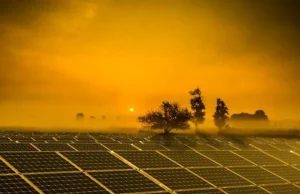
Solar Exporters
The real edge? Oman’s tenders reward reliable, compliant suppliers who can deliver on time without customs headaches. Miss the mark on documentation, and you’re out—I’ve seen containers sit for weeks over missing SASO-style certifications or incorrect HS codes.
Understanding Oman’s Renewable Energy Tender Landscape in 2026
Oman runs renewables almost exclusively through Independent Power Projects (IPPs). Nama PWP acts as the single buyer, issuing Requests for Qualification (RFQ) then full tenders.
Key active and upcoming opportunities:
- Ibri III Solar IPP — 500 MW, bids already evaluated, COD targeted ~2027 but component procurement starts earlier.
- Al Kamil Phase I — 450-500 MW solar, under procurement in 2026.
- Wind + Solar Bundles — Roughly 1.1 GW wind across three sites + solar additions.
- PDO Solar Initiatives — Grid-connected projects like 100 MW Amin, plus hybrids for oilfields.
Developers (ACWA Power, EDF Renewables, Korea Western Power, etc.) win IPPs then procure EPC contractors who source components. As an exporter, you target EPCs, developers’ supply chains, or direct wholesaler deals to Omani importers servicing these projects.
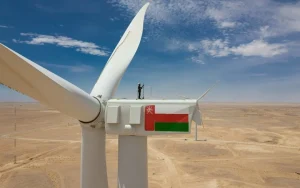
Oman’s Renewable Energy Tender
Pro Tip from Experience: Register early on tender portals (Hydrom for green hydrogen-related, but mainly Nama PWP announcements). Many components get specified during RFP phases—get in front of EPCs before specs freeze.
Key Solar Components in Demand for Oman’s 2026 Projects
Utility-scale solar in Oman favors high-efficiency monocrystalline or bifacial panels, robust inverters for desert conditions, single-axis trackers, and durable cabling/mounting.
High-demand items include:
- PV Modules — 550-700 Wp range, Tier 1 brands preferred for bankability.
- العاكسات — Central or string, 1-5 MW scale, with strong heat tolerance.
- Mounting & Tracking Systems — Single-axis trackers critical for yield optimization in high DNI zones.
- Balance of System — HV cables, transformers, switchgear, monitoring systems.
- Battery Storage Add-ons — Increasingly bundled for hybrid stability.
Demand spikes around tender awards—watch for RFQ announcements to time shipments.
The End of Letters of Credit? How Escrow Services Are Winning the Middle East B2B Market in 2026
Step-by-Step: How to Export Solar Components to Oman Successfully
- Research & Qualify Opportunities Monitor Nama PWP, PDO, and tender sites like GlobalTenders or Oman Observer for RfQs. Identify shortlisted developers/EPCs.
- Verify Product Compliance Oman follows Gulf standards but has specifics:
- HS codes accurate (e.g., 8541.40 for PV cells/modules).
- Conformity certificates (often IEC 61215/61730 for modules).
- No strict local content yet for components (unlike some LCRs in other markets), but “Omanization” preferences exist in labor.
- Labeling/marking per Omani regs (English/Arabic where required).
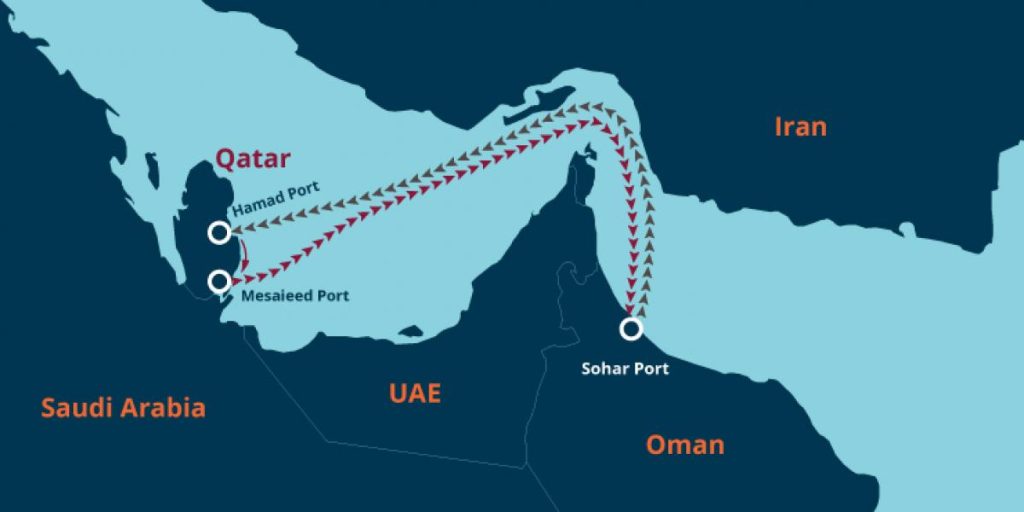
- Choose the Right Incoterm & Logistics Path FOB or CFR common for sea freight via Sohar or Duqm ports (cheaper than Muscat for bulk).
- Avoid CIF unless experienced—responsibility shifts early.
- Use bonded warehouses if re-export potential exists.
- Handle Customs & Documentation Required docs:
- Commercial invoice + packing list
- Certificate of Origin (GCC or GSP if applicable)
- Bill of Lading/Air Waybill
- Import permit if restricted
- Test reports/IEC certificates Customs duty on solar components often low or zero under renewable incentives—confirm via Omani Customs portal.
- Secure Payment & Mitigate Risk Escrow or secure B2B platforms beat traditional LCs for mid-size deals. I’ve saved clients thousands in fees by switching to trust accounts.
- Build Local Presence Partner with Omani importers/distributors or register a branch. Warehousing in Sohar Free Zone cuts last-mile costs.

Export Solar Components to Oman
Real Example: A supplier I know shipped 200 MW worth of panels to Manah projects by aligning delivery with EPC timelines, avoiding demurrage that hits $150-300/day per container.
Streamlining Cross-Border Logistics for Efficient B2B Trade in the Gulf Region
Common Pitfalls That Cost Exporters Thousands (And How to Dodge Them)
- Customs Delays — Incomplete docs or wrong valuation → weeks of storage fees. Always use a licensed customs broker.
- Underestimating Heat & Dust — Specify desert-rated components; standard ones fail faster.
- Tender Timing Mismatch — Ship too early/late → cash tied up or missed windows.
- Currency & Payment Risks — OMR pegged to USD, but use hedging if source currency volatile.
- Ignoring Local Content Signals — Even without strict LCR, preference given to suppliers aiding Omanization.
Comparison: Oman vs. Other GCC Solar Markets in 2026
| أسبكت | سلطنة عمان | UAE (Dubai/Abu Dhabi) | المملكة العربية السعودية |
|---|---|---|---|
| Renewable Target 2030 | 30% | 50%+ | 50% |
| Tender Activity 2026 | 1.6 GW active procurement | Mature, ongoing rounds | Massive Vision 2030 pipeline |
| Import Duties on Solar | Low/zero incentives | Generally duty-free | Low, SASO certification key |
| Local Manufacturing | Emerging (JA Solar 2026) | Established | Growing rapidly |
| Logistics Hubs | Sohar, Duqm | Jebel Ali | Jeddah, Dammam |
| Ease for New Exporters | High (fewer competitors) | التنافسية | High volume but bureaucratic |
Final Thoughts: Position Yourself Before the Rush
Oman’s solar boom is real, and 2026 is the window to establish relationships before domestic production scales. The tenders are there, the demand is growing, and the country rewards reliable partners.
If you’re exporting solar components—or planning to—don’t go it alone. Platforms that connect you directly to verified Gulf buyers, handle secure payments, and provide logistics insights make the difference between winning deals and watching from the sidelines.
Ready to tap into Oman’s renewable pipeline? سجّل على Tendify.net اليوم, post your products or RFQ, and start connecting with importers actively sourcing for these projects. It takes 60 seconds to get started, and the first conversations are free. Join now and let’s build the next chapter of Gulf energy together.