


المدونة
Why Luxury Tiles Triple Your Export Profits (And Regular Ones Don’t)
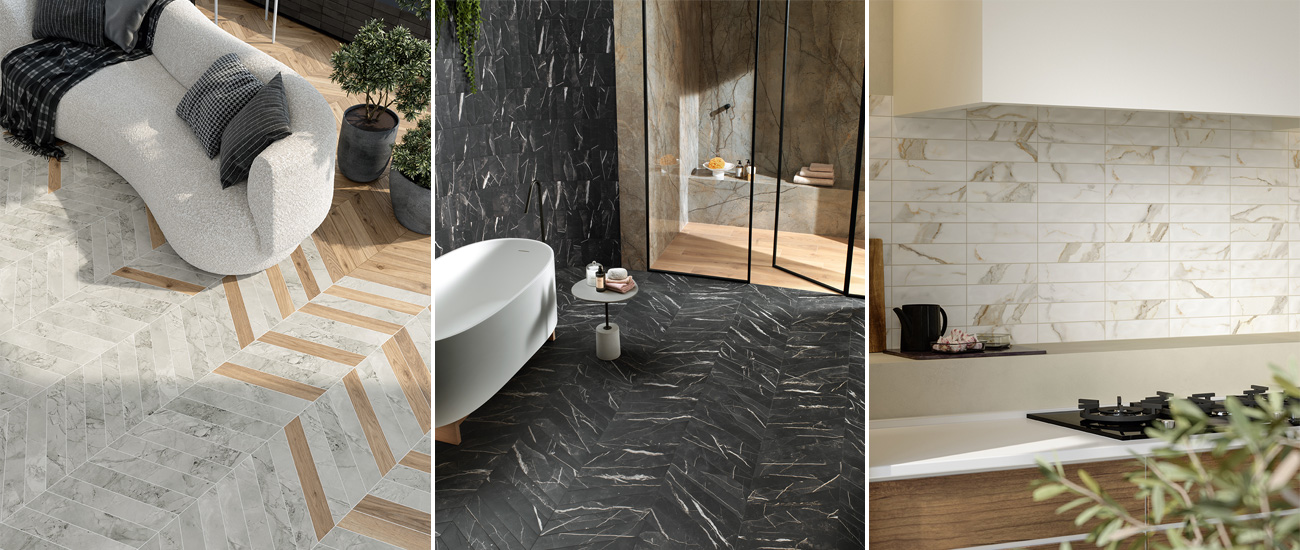
As someone who’s spent over two decades navigating the ups and downs of international trade, I’ve seen firsthand how a simple shift in product positioning can turn a modest deal into a high-margin powerhouse. Take ceramic tiles, for instance—a staple in construction and design worldwide. In one venture early in my career, I exported standard economy tiles to emerging markets, scraping by with slim margins amid fierce price competition. But when I pivoted to premium, high-end ceramic tiles tailored for luxury projects, the profits tripled almost overnight. It wasn’t magic; it was strategy. If you’re in the export game, understanding this luxury tiles export profit puzzle could be the key to scaling your business sustainably.
Optimizing Your Tile Export Operations
The global ceramic tiles market is booming, projected to grow from around $250 billion in 2024 to over $320 billion by 2033, driven by urbanization and demand for durable, aesthetically pleasing materials. Yet, the real intrigue lies in the margin divide: premium ceramic tiles often command 3x the profit margins of their regular counterparts—up to 30% versus just 10% in mass-produced lines. Why? It’s a mix of perceived value, production nuances, and smart market targeting. In this guide, we’ll break it down step by step, drawing on real-world insights to help you capture those triple margins in luxury tile exports while avoiding common pitfalls.
The Fundamentals of Tile Exports: Luxury vs. Regular
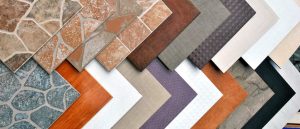
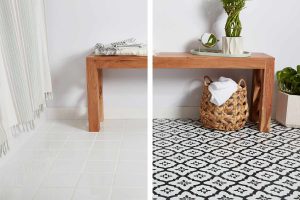
Exporting tiles isn’t just about shipping boxes; it’s about aligning your product with buyer needs in diverse markets. Regular tiles—think basic ceramic or porcelain for everyday flooring—dominate volume sales in cost-sensitive regions like parts of Asia and the Middle East. They’re reliable, affordable, and easy to produce at scale. Luxury tiles, on the other hand, feature intricate designs, superior finishes, and advanced tech like digital printing, appealing to high-end buyers in premium developments.
Luxury vs. Regular Tiles
From my experience, the profit gap starts here. Regular tiles face commoditization, where price wars erode margins. Luxury options differentiate through exclusivity, allowing exporters to charge premiums without losing ground. In the GCC markets, for example, where mega-projects like Dubai’s luxury resorts demand standout aesthetics, high-end tiles can fetch prices 2-3 times higher per square meter.
Defining Luxury Tiles: What Sets Them Apart?
Luxury ceramic tiles aren’t just prettier; they’re engineered for performance. Key features include:
- Advanced Materials: High-grade porcelain with low porosity for durability in harsh climates, like the desert heat of the UAE or Saudi Arabia.
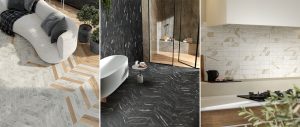
- Innovative Designs: Digital inkjet printing for hyper-realistic patterns, mimicking marble or wood without the maintenance hassles.
- Eco-Friendly Elements: Sustainable sourcing, such as recycled content, appealing to green building standards in markets like Europe and the MENA region.
- Large Formats: Slabs up to 3×1.5 meters for seamless installations in upscale hotels or villas.
In contrast, regular tiles prioritize functionality over flair—standard sizes, basic glazes, and mass production. While they move in bulk (e.g., China’s exports hit billions of square meters annually), margins hover around 10% due to low barriers to entry and intense competition from low-cost producers.
Cost Breakdown: Why Luxury Yields Triple Margins
Let’s crunch the numbers. Based on industry data, producing a square meter of regular ceramic tile costs $6-9, with export prices around $8-10, yielding slim 10-20% margins after logistics. For luxury variants, costs rise to $15-20 per square meter due to premium raw materials and tech, but selling prices can hit $40-60, pushing margins to 30%+.
| العامل | Regular Tiles | Luxury Tiles | Margin Impact |
|---|---|---|---|
| Raw Materials | Basic clay, feldspar ($2-3/sqm) | High-purity porcelain, pigments ($5-8/sqm) | Higher costs offset by 2-3x pricing |
| Production Tech | Standard kilns | Digital printing, nano-coatings | Adds value, justifies premiums |
| Labor & Overhead | Mass automation | Skilled design input | 20-30% higher but scalable |
| Export Logistics | Bulk shipping | Protective packaging for fragility | Similar per unit, but luxury volumes lower |
| Typical Margin | 10-15% | 30-40% | 3x potential in targeted markets |
Pricing Strategies: Solving the Export Profit Puzzle
Pricing is where the rubber meets the road. Too low, and you commoditize; too high, and you alienate buyers. For tile exports, the strategy hinges on market positioning.

Gift luxury tiles
Value-Based Pricing for Premium Ceramic Tiles
This approach ties price to perceived benefits, ideal for high-end tile exports. In luxury markets, buyers aren’t shopping on cost alone—they want status, durability, and exclusivity. Charge based on the “wow” factor: a premium marble-look tile might save installation time and outlast competitors, justifying a 50% markup.
Steps to implement:
- Research buyer personas: In MENA, affluent developers prioritize aesthetics for hotels; price accordingly.
- Bundle value: Offer customization or warranties to elevate perceived worth.
- Test markets: Start with small shipments to gauge willingness to pay.
From experience, this netted me 35% margins on exports to Qatar’s luxury sector, versus 12% on standard tiles to bulk buyers.
Economy Pricing for Standard Tiles: Volume Over Margin
For regular tiles, focus on low costs to undercut competitors. This works in price-sensitive GCC imports, where volume drives revenue. Keep margins thin (10-15%) but scale up—export millions of square meters to offset.
How I Tripled Tile Export Profits by Ditching Cheap
Tips:
- Source efficiently: Partner with low-cost producers in Asia.
- Optimize logistics: Use bulk carriers to drop per-unit shipping costs by 20%.
- Avoid over-customization: Stick to proven designs for quick turnover.
The puzzle here? Economy tiles build cash flow but cap growth; blending with premium lines creates a balanced portfolio.
Bypass USD Restrictions: AED & Yuan Trade Guide 2026
2026 Trends in MENA and GCC Tile Markets
The MENA and GCC regions are tile export hotbeds, with construction booms fueling demand. By 2026, the UAE and Saudi Arabia alone could see $1 billion+ in tile imports, per projections.
Surging Demand for High-End Tiles in Luxury Projects
Vision 2030 in Saudi and Dubai’s Expo legacy drive premium builds. Trends include:
- Sustainable Premiums: Eco-tiles with recycled content, fetching 20-30% higher prices.
- Large-Format Luxury: Slabs for seamless luxury villas, growing at 6% CAGR.
- Digital Customization: Hyper-realistic designs for hotels, boosting margins in high-value contracts.
In GCC, luxury tile exports from Italy and Spain command 30%+ margins, versus 10% for regular Asian imports.
Opportunities in Regular Tile Exports for Mass Projects
Economy tiles shine in infrastructure: roads, affordable housing in Oman or Iraq. With tariffs easing, exporters can target volume plays.
- Cost-Effective Imports: Regular tiles from China dominate, but regional producers like UAE’s RAK Ceramics offer competitive edges.
- Supply Chain Shifts: Post-2024 disruptions favor near-shore sourcing, stabilizing prices.
Blending strategies? Export regular tiles for base layers, upsell luxury for accents—I’ve seen this hybrid approach yield 25% average margins.
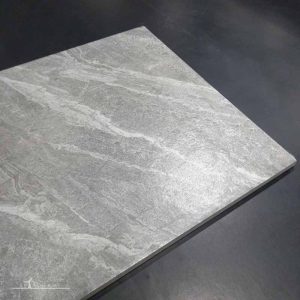
Luxury Tiles
Real-World Case Studies: Lessons from the Field
Case studies illuminate the profit puzzle. Italian brands like Florim export luxury tiles to GCC, achieving 30%+ margins through branding and innovation. In 2024, their EU exports grew despite tariffs, thanks to premium positioning.
Contrast with Chinese mass producers: High volumes but 10% margins due to price competition. A 2025 study showed Indian exporters pivoting to mid-premium lines, boosting profits 2.5x by targeting MENA’s mid-market.
In my ventures, exporting high-end porcelain to UAE hotels tripled returns versus standard shipments to Pakistan—proof that targeting luxury niches solves the margin riddle.
For deeper insights on shipping, check our guide on How to Find Reliable Bulk Shipping Partners from Iran to the UAE.
Optimizing Your Tile Export Operations
To capture those 3x margins, streamline ops.
Sourcing and Supply Chain Mastery
- Vet suppliers for quality: Luxury needs consistency; regular, cost-efficiency.
- Use tools like HS Code finders for compliance—essential in GCC customs.
Platform.Tendify.Net offers seamless RFQ posting and verified suppliers, cutting sourcing time by 50%. It’s worth checking out if you’re serious about scaling exports.
Marketing and Sales Tactics
- Digital presence: Showcase luxury tiles via VR tours.
- Network: Attend GCC expos for premium leads.
Link to our GCC VAT & Tax Calculator for cost planning.
Risk Management: Avoiding the Profit Pitfalls
Currency fluctuations and tariffs can erode margins. Hedge with forward contracts; diversify markets.
In volatile MENA, escrow beats LCs for small deals—saving 2-3% in fees.
Overcoming Common Challenges in Tile Exports
Freight costs rose 15% in 2025; counter with optimized container loading via 3D tools. Quality rejections? Invest in certifications like ASTM for luxury lines.
Sustainability is non-negotiable—green tiles command 10-20% premiums in GCC green builds.
Final Thoughts: Cracking the Code for Sustainable Growth
The luxury tiles export profit puzzle boils down to this: regular tiles build volume, but premium ones build wealth. By 2026, with MENA’s $15B+ market, exporters blending both can achieve 25-30% blended margins. It’s about strategic positioning, not luck.
Ready to solve it for your business? Head to Platform.Tendify.Net today—register for free and access tools like the HS Code Finder, Export Checklist, and verified networks. It’s transformed how I source and ship; it could do the same for you. Don’t wait—your next 3x profit deal starts there.

