المدونة
Reducing Logistics Costs in India Through Alternative Fuels

The Role of Electric Vehicles and Green Hydrogen in Optimizing Domestic Supply Chains
India’s logistics sector is one of the largest and fastest-growing in the world, yet it remains burdened by high costs that significantly impact the competitiveness of Indian businesses. Freight and logistics expenses in India are estimated to account for 13–14% of GDP — considerably higher than the global average of 8–10%. A substantial portion of these costs stems from fuel consumption in road transport, which dominates domestic freight movement. As fuel prices fluctuate and environmental regulations tighten, the adoption of alternative fuels — particularly electric vehicles (EVs) for commercial fleets and green hydrogen — has emerged as one of the most promising avenues for meaningful cost reduction and supply-chain optimization.

indian alternative fuel
This comprehensive strategic guide provides business leaders, fleet operators, logistics providers, and compliance professionals with an objective, audit-ready analysis of how electric commercial vehicles and green hydrogen technologies can lower logistics costs in India while maintaining full regulatory compliance. The focus is on practical implementation, economic modeling, infrastructure readiness, financing mechanisms, and risk management. All recommendations are designed to align with Indian regulations, international sustainability standards, and best practices in supply-chain compliance.
Strategic Insight: The transition to alternative fuels in Indian logistics is no longer purely environmental — it has become a core economic imperative. Companies that proactively adopt electric commercial vehicles and green hydrogen solutions can achieve substantial cost savings, improve supply-chain resilience, and gain competitive advantage in both domestic and export markets.
The Current State of Logistics Costs in India
India’s vast geography, combined with heavy reliance on road transport for over 60% of freight movement, creates structural cost challenges. Diesel remains the dominant fuel for trucks and commercial vehicles, exposing the sector to volatile global oil prices and currency fluctuations. Additional cost drivers include inefficient routing, aging vehicle fleets, congestion in major corridors, and relatively high last-mile delivery expenses in rural and semi-urban areas.
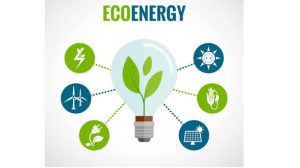
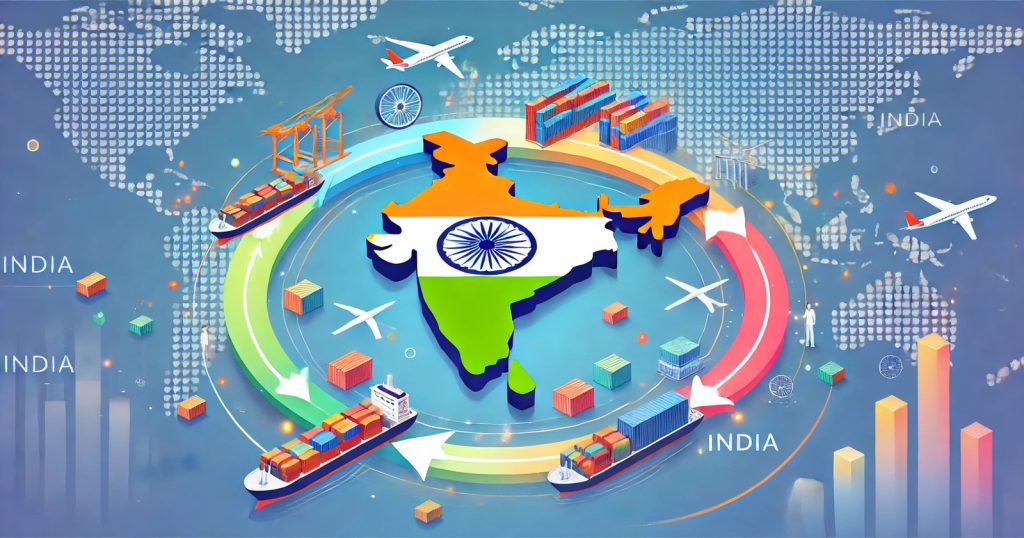
Logistics Costs in India
These high logistics costs directly affect the price competitiveness of Indian manufactured goods and agricultural produce, both domestically and in export markets. For many SMEs and large enterprises alike, logistics represents one of the largest controllable operating expenses after raw materials. Reducing this burden through cleaner, more efficient technologies has therefore become a strategic priority for both private sector players and policymakers.
For companies seeking diversified and resilient supply-chain options across Asia, India’s logistics transformation offers complementary opportunities to strategies already deployed in other high-growth markets. Related route optimization and compliance frameworks are discussed in Compliant Trade Route Reengineering: Audit-Ready Alternatives to the Strait of Hormuz Crisis.
Electric Vehicles in Commercial Logistics: Current Momentum and Cost Benefits
India has one of the fastest-growing electric commercial vehicle (ECV) adoption rates globally, particularly in the light and medium commercial vehicle segments. Government initiatives such as FAME-II, state-level incentives, and improving battery technology have accelerated fleet electrification among logistics providers, e-commerce companies, and last-mile delivery operators.

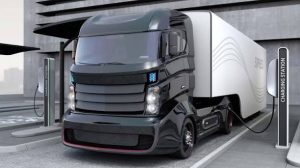
Electric Vehicles in Commercial Logistics
The economic case for electric commercial vehicles in India is compelling. Operating costs per kilometer for EVs are typically 60–75% lower than equivalent diesel vehicles, primarily due to significantly cheaper electricity compared to diesel and lower maintenance requirements (fewer moving parts, no oil changes, and regenerative braking). Over a 5–7 year vehicle lifecycle, total cost of ownership (TCO) for electric trucks and vans can be substantially lower, even after accounting for higher upfront purchase prices.
electric commercial vehicles in India
Real-world deployments by major logistics players and e-commerce giants have demonstrated not only cost savings but also improved vehicle uptime and predictability — critical factors in time-sensitive supply chains. However, successful scaling requires addressing infrastructure gaps, particularly charging networks along major freight corridors and in industrial clusters.
For manufacturers and technical contractors involved in supporting India’s logistics electrification, significant opportunities exist in charging infrastructure, battery swapping systems, and fleet management software. Strategic considerations for participating in energy infrastructure projects are detailed in Rebuilding Energy Infrastructure: Strategic Opportunities for Technical Contractors in Post-Ceasefire Reconstruction.
Green Hydrogen: The Next Frontier for Heavy-Duty and Long-Haul Logistics
While battery electric vehicles are well-suited for urban and medium-haul operations, green hydrogen offers a compelling solution for heavy-duty, long-distance freight where payload, range, and refueling speed are critical. India has ambitious national targets for green hydrogen production, supported by the National Green Hydrogen Mission, aiming to position the country as a global leader in this emerging fuel.
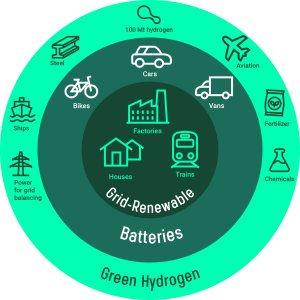
Green Hydrogen
Green hydrogen produced through renewable-powered electrolysis can power fuel-cell electric vehicles (FCEVs) with zero tailpipe emissions and significantly shorter refueling times compared to battery charging. For long-haul trucking and inter-state logistics, hydrogen offers operational advantages that complement battery electric solutions.
The cost trajectory for green hydrogen is improving rapidly as renewable energy prices fall and electrolyzer technology scales. When combined with supportive policy frameworks and blending mandates, green hydrogen can become economically viable for heavy commercial transport within the next 5–8 years. Early adopters in the logistics sector can secure first-mover advantages in fleet modernization and carbon credit generation.
For a broader perspective on sustainable logistics and decarbonization strategies across major trade corridors, refer to The Green Logistics Revolution on the New Silk Road: China’s Strategies for Decarbonizing Trade Routes and Smart Ports.
Infrastructure Readiness and Policy Support
The Indian government has introduced several supportive measures to accelerate the adoption of alternative fuels in logistics, including:
- Production-linked incentives for EV and battery manufacturing
- State-level subsidies for electric commercial vehicles and charging infrastructure
- National Green Hydrogen Mission with clear production and consumption targets
- Standards and safety regulations for hydrogen storage and refueling
- Integration of EV and hydrogen considerations into national logistics policy
Despite progress, challenges remain in scaling charging and hydrogen refueling infrastructure, particularly along national highways and in non-metro areas. Public-private partnerships and innovative financing models will be critical to closing these gaps. Companies that actively participate in infrastructure development — either directly or through consortiums — can secure long-term cost advantages and policy goodwill.
Practical Implementation Roadmap for Logistics Operators
Logistics companies and fleet operators can follow a structured approach to reduce costs through alternative fuels:
Phase 1: Fleet Audit and TCO Analysis (Months 1–3)
Conduct detailed total cost of ownership modeling for current diesel fleets versus electric and hydrogen options across different route profiles.
Phase 2: Pilot Programs (Months 4–12)
Deploy pilot fleets of electric vehicles on high-frequency urban and regional routes, and explore hydrogen pilots for long-haul corridors where feasible.
Phase 3: Infrastructure Partnership (Year 2)
Collaborate with charging/hydrogen infrastructure providers and government agencies to secure dedicated facilities at key depots and hubs.
Phase 4: Full Fleet Transition and Optimization (Year 3+)
Scale successful technologies across the fleet, integrate route optimization software, and monetize carbon reduction benefits through relevant schemes.
90-Day Alternative Fuels Readiness Checklist
Days 1–15: Assessment
- Map current fleet composition and route profiles
- Perform detailed TCO analysis for EV and hydrogen options
- Identify priority corridors for pilot deployment
Days 16–45: Planning & Partnership
- Engage EV and hydrogen technology providers
- Develop financing and incentive application strategies
- Design pilot program parameters and success metrics
Days 46–75: Pilot Execution
- Procure and deploy pilot vehicles
- Install charging or refueling infrastructure at selected depots
- Train drivers and maintenance teams
Days 76–90: Evaluation & Scaling
- Collect and analyze pilot performance data
- Calculate actual cost savings and ROI
- Prepare detailed scaling roadmap and budget
Risk Management and Compliance Considerations
Transitioning to alternative fuels requires careful attention to regulatory compliance, including vehicle homologation standards, safety regulations for hydrogen handling, battery disposal rules, and eligibility criteria for government incentives. Companies should maintain robust documentation, implement proper training programs, and conduct regular third-party audits of their green logistics initiatives.
From a financing perspective, green loans, sustainability-linked financing, and carbon credit mechanisms can significantly improve project economics. For guidance on using digital financial mechanisms to support green supply-chain transitions, refer to Post-Traditional Sanctions Financial Mechanisms: Strategic Integration with CBDCs and Single-Window Platforms for Compliant Regional Settlements.
Conclusion: Alternative Fuels as a Strategic Cost-Reduction Lever for Indian Logistics
The combination of rising diesel costs, improving battery economics, national policy support, and growing corporate sustainability commitments is creating a powerful case for accelerating the adoption of electric vehicles and green hydrogen in Indian logistics. Companies that move proactively can achieve substantial reductions in operating costs, improve supply-chain predictability, and strengthen their competitive positioning while contributing to national decarbonization goals.
Success requires more than technology adoption. It demands integrated planning across fleet management, infrastructure development, financing, and compliance. Organizations that treat the transition to alternative fuels as a core strategic initiative — rather than a peripheral sustainability effort — will realize the greatest economic and operational benefits.
The Indian logistics sector stands at an inflection point. Those who embrace electric commercial vehicles and green hydrogen today will lead the industry tomorrow, delivering lower costs, greater resilience, and measurable environmental performance to their customers and stakeholders.
Platforms purpose-built for regulated trade and sustainable supply chains provide the operational infrastructure necessary to execute these strategies efficiently and compliantly. Entities seeking to optimize their logistics costs through alternative fuels are encouraged to evaluate integrated solutions that combine commercial agility with full regulatory alignment.
Request a Confidential India Logistics Cost Optimization Assessment