المدونة
VG Bitumen Secrets: Everything You Need to Know About Viscosity Grade Grades
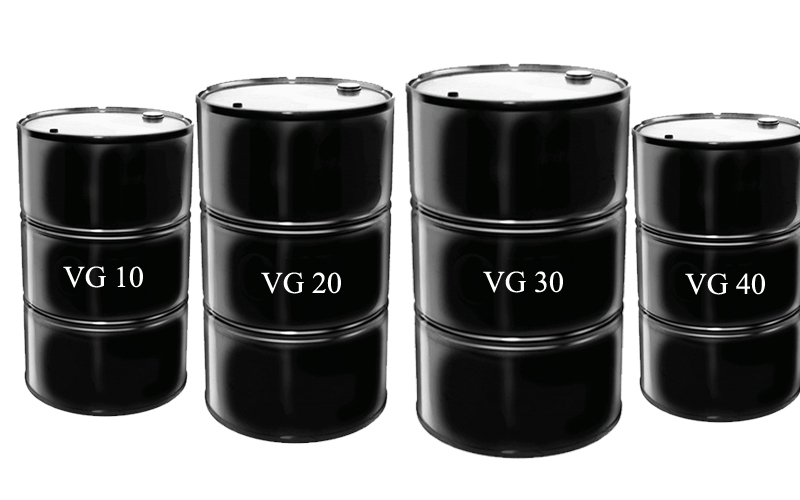
I’ve spent decades in the construction and materials trading business, sourcing everything from raw commodities to heavy machinery for projects around the globe. One material that stands out time and again is VG bitumen—also known as viscosity grade bitumen أو viscosity graded asphalt. It’s the backbone of durable roads in challenging conditions.
Picture this: A major highway project in a scorching hot region starts showing deep ruts from heavy trucks just months after completion. The culprit? Wrong bitumen grade. I’ve seen it happen, and it costs millions to fix. That’s why understanding VG bitumen grades like VG10, VG20, VG30, and VG40 isn’t just technical—it’s essential for long-term success.
Global road construction spending is projected to hit trillions, with bitumen demand driven by urbanization and infrastructure booms. In 2025 alone, the market is expanding rapidly as governments invest in resilient pavements. Choosing the right viscosity grade bitumen ensures your roads withstand heat, traffic, and time.
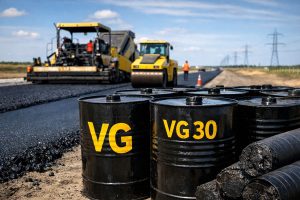
VG Bitumen
In this guide, I’ll break it all down: what VG bitumen is, how grades differ, real-world applications, advantages over older systems, and actionable steps to select and source it. Let’s get straight to building better.
What Is VG Bitumen and Why It Matters
VG bitumen is classified by its viscosity at 60°C—the temperature a road surface can reach on a hot day. This measures how resistant the bitumen is to flow under stress, directly impacting rutting resistance in summer and cracking in cooler weather.
Unlike older penetration grades, viscosity grading tests at both 60°C (service temperature) and 135°C (mixing temperature). This gives a fuller picture of performance across conditions.
Why the shift to viscosity grade asphalt? Traditional penetration testing at 25°C doesn’t predict high-temperature behavior well. Two samples with the same penetration can perform differently in heat—one softens and ruts, the other holds firm. Viscosity grading fixes that by ensuring consistent rutting resistance.
In my experience sourcing for international projects, VG systems deliver uniformity. Refineries control production tighter, reducing variability that plagues penetration grades.
تشمل المزايا الرئيسية ما يلي:
- Better predictability in extreme climates
- Improved mixing and compaction guidance
- Superior durability for heavy-traffic roads
Data shows paving-grade bitumen dominates the market, with roadways consuming the bulk due to these advantages.
The Main VG Bitumen Grades Explained
There are four primary viscosity grade bitumen types: VG10, VG20, VG30, and VG40. The number indicates minimum viscosity at 60°C in Poise—higher means stiffer and more heat-resistant.
The Main VG Bitumen Grades
Here’s a clear comparison:
| الصف | Viscosity at 60°C (Poise) | Penetration at 25°C (approx.) | Best Climate | Traffic Load Suitability | Common Uses |
|---|---|---|---|---|---|
| VG10 | 800-1200 | 80-100 | Cold regions (<30°C avg) | Light to moderate | Surface dressing, cold mixes, spraying |
| VG20 | 1600-2400 | 60-80 | Moderate (30-37°C) | معتدل | General paving, temperate zones |
| VG30 | 2400-3600 | 50-70 | Hot climates | Heavy | Highways, heavy-duty pavements |
| VG40 | 3200-4800 | 35-50 | Extreme heat | Very heavy | Intersections, toll plazas, airports |
VG10 Bitumen: For Cooler Conditions
VG10 is the softest viscosity grade bitumen. Its lower viscosity provides flexibility in cold weather, preventing cracks.
Use it for:
- Spray applications like surface dressing
- Low-traffic roads in colder areas
- Bituminous macadam in mild climates
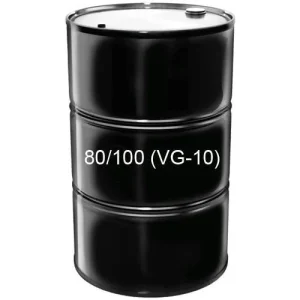
VG10 Bitumen
I’ve sourced VG10 for high-altitude projects where stiffness would cause brittle failure.
VG20 Bitumen: The Versatile Middle Ground
VG20 bridges cold and hot needs. It’s common in regions with seasonal variations.
Applications include:
- Hot mix asphalt for base layers
- Moderate-traffic highways

VG20 Bitumen
It handles average temperatures well without excessive softening.
VG30 Bitumen: The Go-To for Hot and Heavy Duty
VG30 dominates because it resists deformation under heat and load. Higher viscosity means better stiffness in summer.
Why it excels:
- Superior rutting resistance
- Ideal for rainy or hot areas
- Widely used in insulation and cutback production too
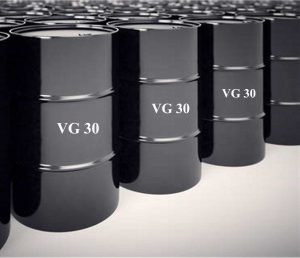
VG30 Bitumen
In heavy-traffic zones, VG30 pavements last longer, reducing maintenance costs.
VG40 Bitumen: Maximum Strength for Extreme Stress
VG40 is the stiffest, engineered for brutal conditions.
Reserve it for:
- High-traffic intersections
- Toll booths and truck parking
- Airports and runways
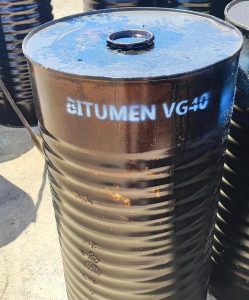
VG40 Bitumen
Its high viscosity combats shoving and rutting where lesser grades fail.
VG Bitumen vs Penetration Grade: Why Viscosity Wins
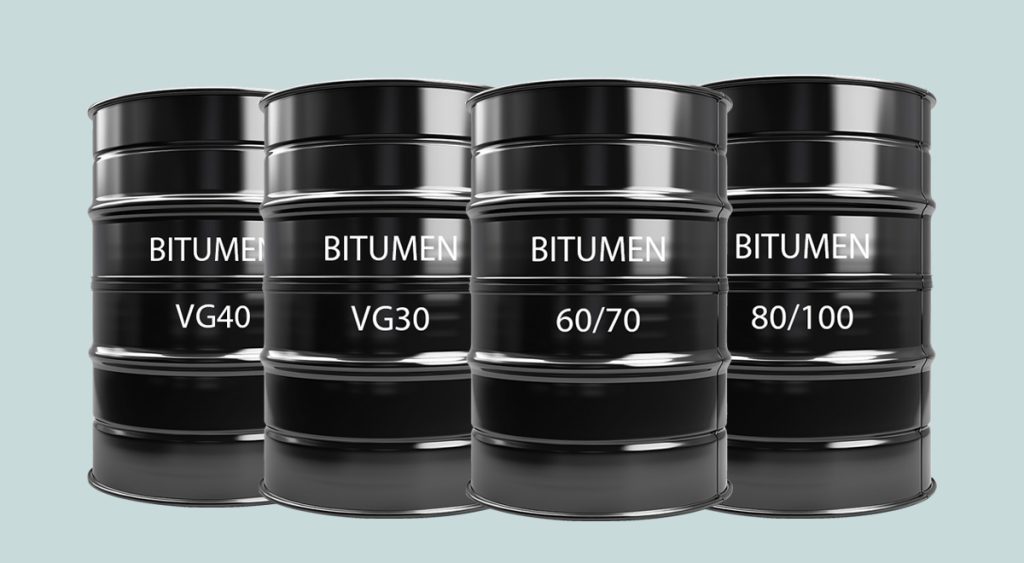
Many regions still use penetration grades (e.g., 60/70, 80/100), based on needle penetration at 25°C.
But here’s the key difference: Penetration doesn’t measure high-temperature flow. Samples with identical penetration can vary wildly in summer performance.
Viscosity grade bitumen advantages:
- Consistent rutting performance—same VG grade behaves predictably in heat
- Dual-temperature testing for better mixing control
- Reduced tender mixes during construction
- Broader temperature suitability
Studies and field data confirm VG outperforms in variable climates. Penetration suffices for stable conditions, but for modern highways? Viscosity is superior.
Rough equivalents:
- VG10 ≈ 80/100 penetration
- VG20 ≈ 60/70
- VG30 ≈ 60/70 harder
- VG40 ≈ 40/50
Always verify specs—don’t swap blindly.
Applications of Viscosity Grade Bitumen in Real Projects
VG bitumen shines in road construction, but it’s versatile.
Primary uses:
- Hot mix asphalt for wearing courses and bases
- Surface dressing and tack coats
- Waterproofing in buildings
- Industrial applications like adhesives
In roadways—the largest segment—VG30 and VG40 handle heavy loads where penetration grades rut prematurely.
Case in point: High-volume expressways in hot climates use VG40 to prevent deformation at intersections. Airports opt for it due to aircraft weight.
Beyond roads:
- Roofing felts
- Pipe coatings
- Emulsion production
With global infrastructure spending soaring, demand for reliable viscosity graded asphalt grows.
How to Select the Right VG Bitumen Grade: Step-by-Step
Don’t guess—follow this process I’ve used on countless deals.
- Assess Climate: Check maximum/minimum pavement temperatures. Hot summers? Lean VG30 or VG40.
- Evaluate Traffic: Heavy trucks or buses? Higher grade for load resistance.
- Review Project Specs: Follow standards like IS 73 (India) or ASTM.
- Test Samples: Verify viscosity, penetration, softening point.
- Consider Cost vs Longevity: Higher grades cost more upfront but save on repairs.
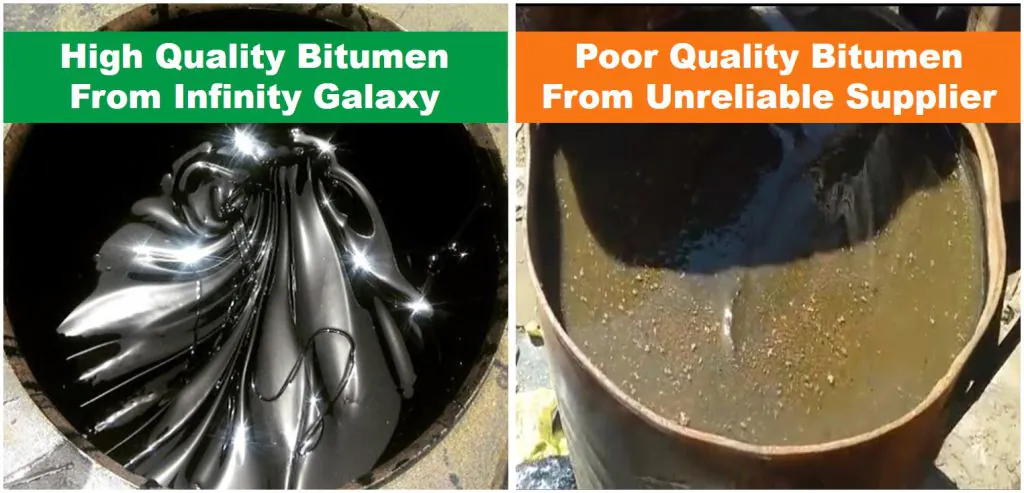
- Source Reliably: Partner with verified suppliers for consistent quality.
Pro tip: For mixed conditions, polymer-modified VG can enhance elasticity.
Quality Testing and Specifications for VG Bitumen
Standard tests ensure compliance:
- Absolute viscosity at 60°C
- Kinematic viscosity at 135°C
- Penetration at 25°C
- Softening point
- Ductility
- Flash point
Meeting these guarantees performance. Reputable suppliers provide certificates.
Sourcing VG Bitumen: Tips from Experience
In wholesale trading, quality and reliability separate winners from headaches.
ابحث عن:
- Verified refineries
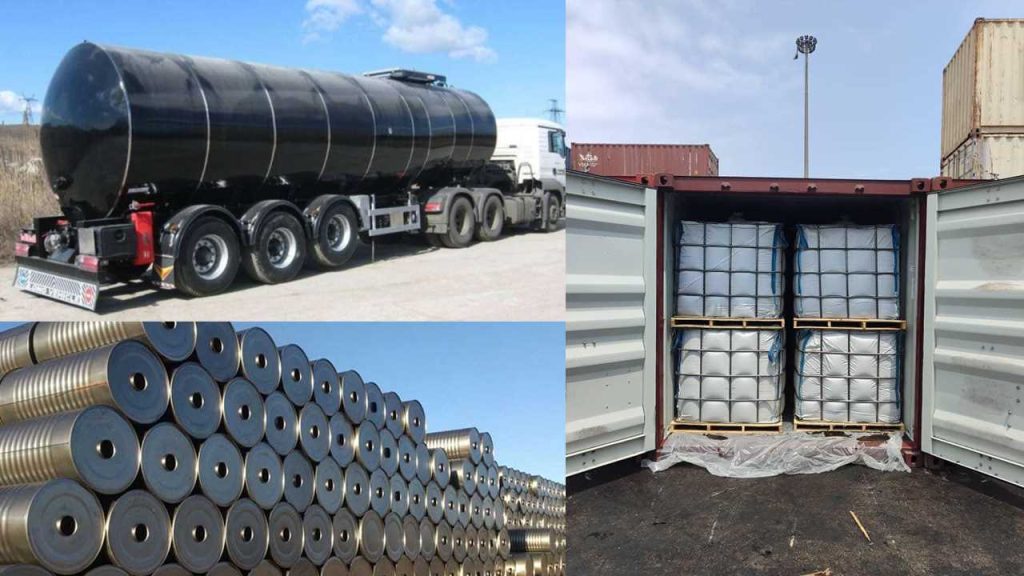
- Bulk or drum packaging
- Competitive pricing tied to crude oil
- Secure logistics
On platforms like Tendify.net, connect directly with suppliers for raw materials in construction and petrochemicals.
For related insights, check our guides on building a successful import/export business و essential tools for global trade. They cover navigating commodities like bitumen effectively.
Also explore sustainable practices in energy storage, as green asphalt tech emerges.
Final Thoughts: Build Smarter with VG Bitumen
الإتقان viscosity grade bitumen transforms projects from adequate to exceptional. The right VG grade—whether VG10 for flexibility or VG40 for toughness—delivers roads that endure heat, load, and weather.
With the bitumen market expanding amid massive infrastructure investments, now’s the time to prioritize quality materials.
Ready to source premium VG bitumen or other construction commodities? انضم إلى Tendify.net اليوم—our wholesale marketplace connects you directly to verified global suppliers. Post an RFQ, list products, or chat securely. Sign up now and elevate your next project.