المدونة
Avoid Costly Cleaning Fees: The Pro Guide to Bitumen 60/70 Container Logistics
I’ve been in the commodities trading game for over two decades, moving everything from petrochemicals to construction materials across oceans and borders. One thing I’ve learned the hard way—and thankfully, taught others to avoid—is how quickly a smooth export deal can turn into a headache over unexpected charges.
Take a recent shipment I handled: 50 containers carrying 1,000 tons of high-quality القار 60/70 متجهة إلى ماليزيا. وفي الوجهة المقصودة، طالبنا خط الشحن بمطالبة رسوم تنظيف باهظة. ولكن مع وجود مستندات قوية من نقطة التحميل - صور وتقارير فحص وطوابع زمنية - أثبتنا أن الحاويات كانت تعاني من تلف سابق. تم التنازل عن الرسوم بالكامل. وفرت هذه التجربة الآلاف وعززت درساً أساسياً: التوثيق السليم ليس اختيارياً؛ إنه أفضل دفاع لك ضد التكاليف غير الضرورية.
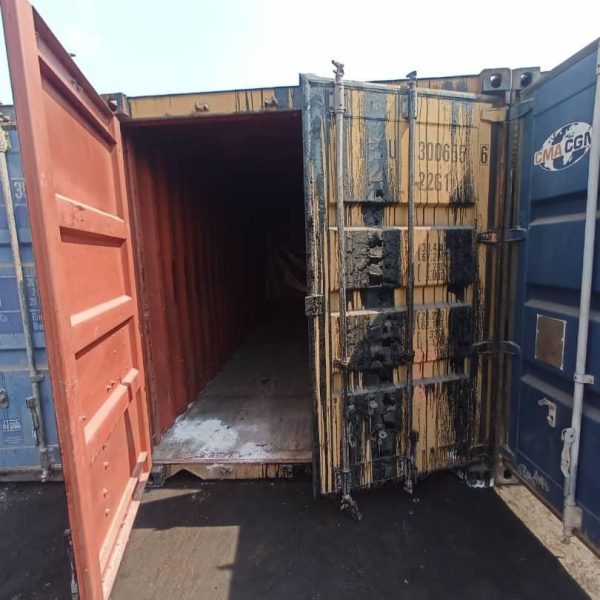
تجنب رسوم التنظيف والمنازعات المتعلقة بالحاويات عند تصدير البيتومين 60-70
في هذا الدليل الشامل، سنتعمق في هذا الدليل الشامل في تصدير بيتومين درجة الاختراق 60/70, مع التركيز على المزالق التي تؤدي إلى رسوم تنظيف الحاويات والنزاعات حول الأضرار وكيفية تجنبها. سواء كنت مصدّرًا متمرسًا أو تقوم بتوسيع نطاق عملياتك، فإن هذه الاستراتيجيات القابلة للتنفيذ ستحمي هوامش أرباحك وتبني شراكات أقوى.
Pro Experience: The Temperature-Leakage Correlation
One of the most overlooked factors in Bitumen 60/70 logistics is the ambient temperature during transshipment. In hubs like Jebel Ali or Bandar Abbas, temperatures can soar, causing the bitumen to expand and leak through micro-tears in liner bags.
- البصيرة: Always ensure a 10-15 cm “Expansion Gap” is left at the top of the drums or jumbo bags.
- Risk Mitigation: Use triple-layered heat-resistant liners for shipments passing through the Persian Gulf during summer months.
Iraq Customs Clearance 2026: Tariffs & Oilfield Regulations
فهم البيتومين 60/70: المعيار الذهبي لصادرات بناء الطرق
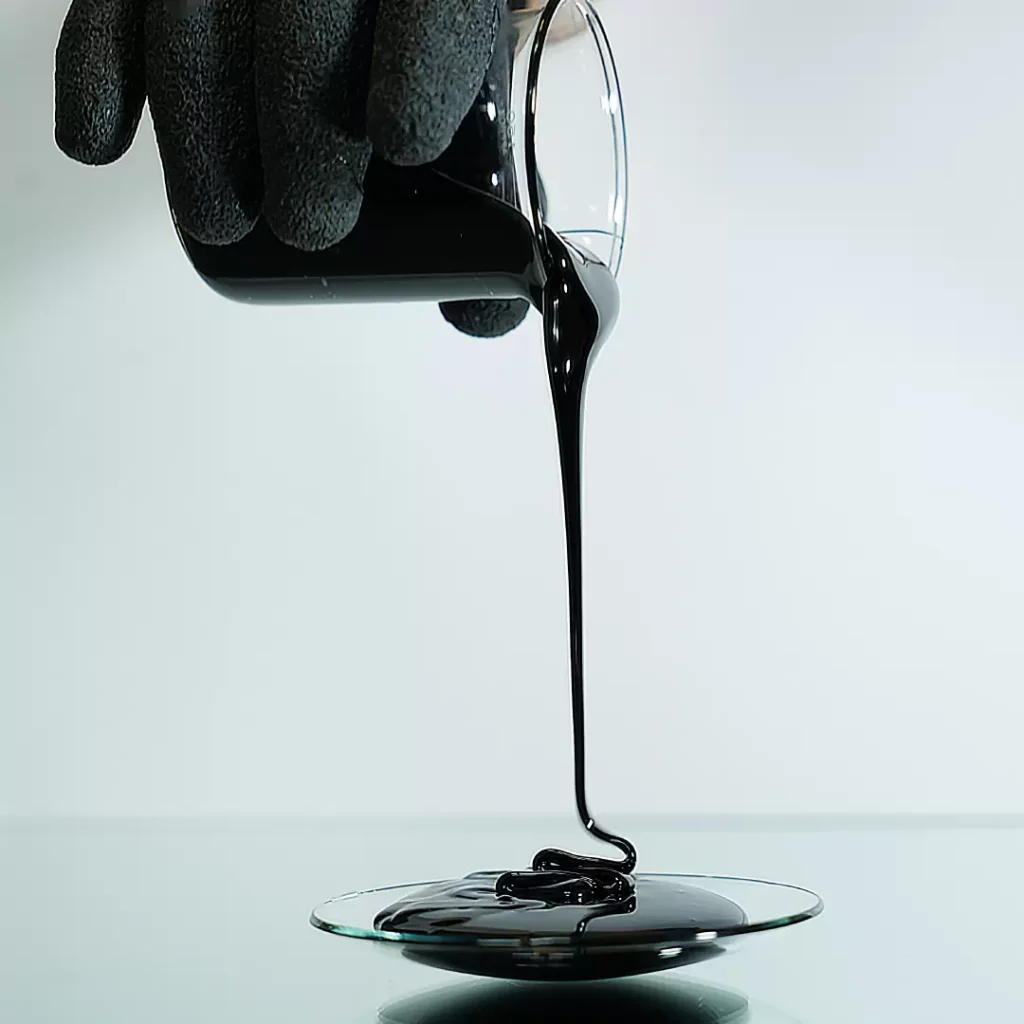
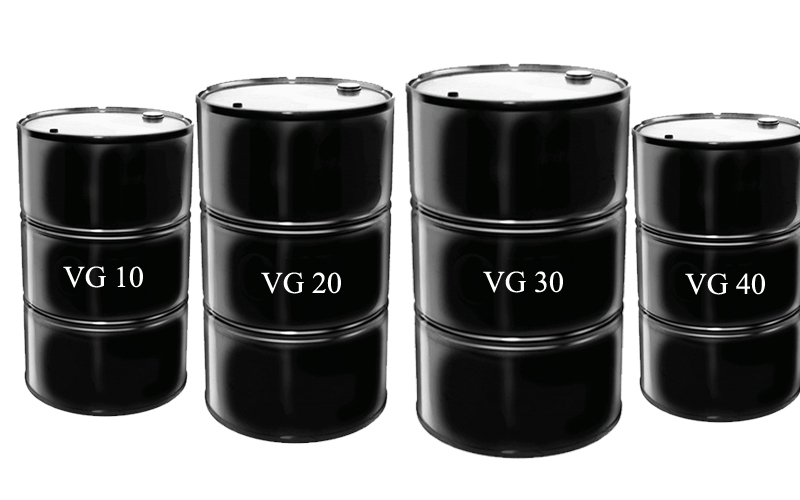
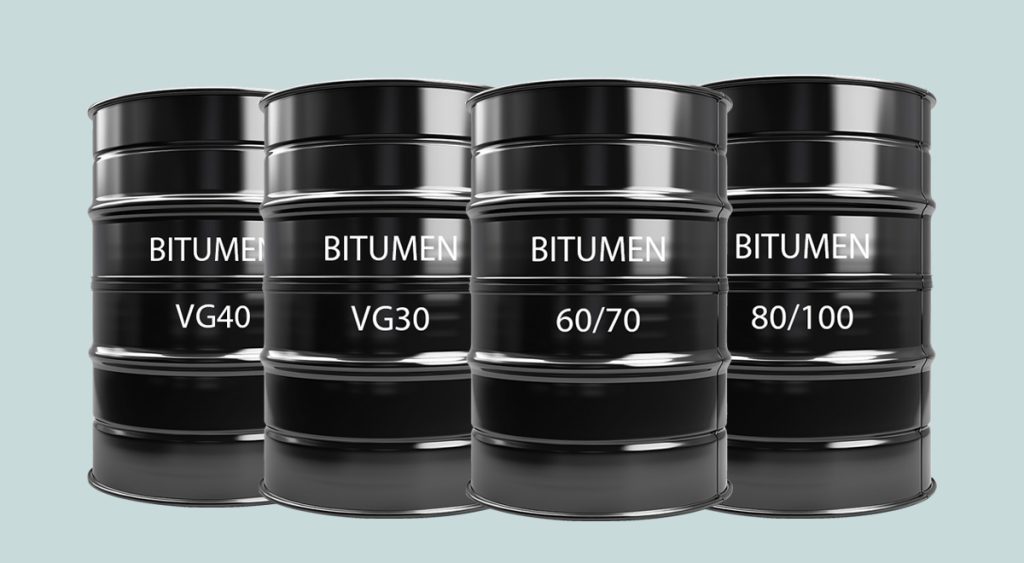
بيتومين 60/70-المعروف أيضًا باسم درجة الاختراق 60/70- هو العمود الفقري لصناعة الأسفلت. وهو عبارة عن بيتومين شبه صلب يتم إنتاجه عن طريق تهوية بقايا القاع المفرغة في المصافي، وتتراوح قيمة اختراقه بين 60 و70 ملم عند درجة حرارة 25 درجة مئوية. وتحقق هذه الدرجة التوازن المثالي: متين بما فيه الكفاية لقوة التحمل في المناخات الحارة، ولكنه مرن لقواعد الطرقات ودورات التآكل.
لماذا تحظى بشعبية كبيرة في التصدير، خاصة إلى أسواق مثل جنوب شرق آسيا؟
- أداء متعدد الاستخدامات: تتفوق في خلط الأسفلت الساخن للطرق السريعة والمطارات والطرق الحضرية.
- مرونة درجة الحرارة: يلين في درجات الحرارة المرتفعة لسهولة الاستخدام، ويتصلب في الظروف الباردة لطول العمر.
- محرك الطلب العالمي: ووفقًا لتقارير الصناعة، تمثل درجات الاختراق مثل 60/70 أكثر من 701 تيرابايت/ 3 تيرابايت من البيتومين المستخدم في الرصف في جميع أنحاء العالم، مع إقبال قوي في المناطق ذات البنية التحتية الثقيلة.
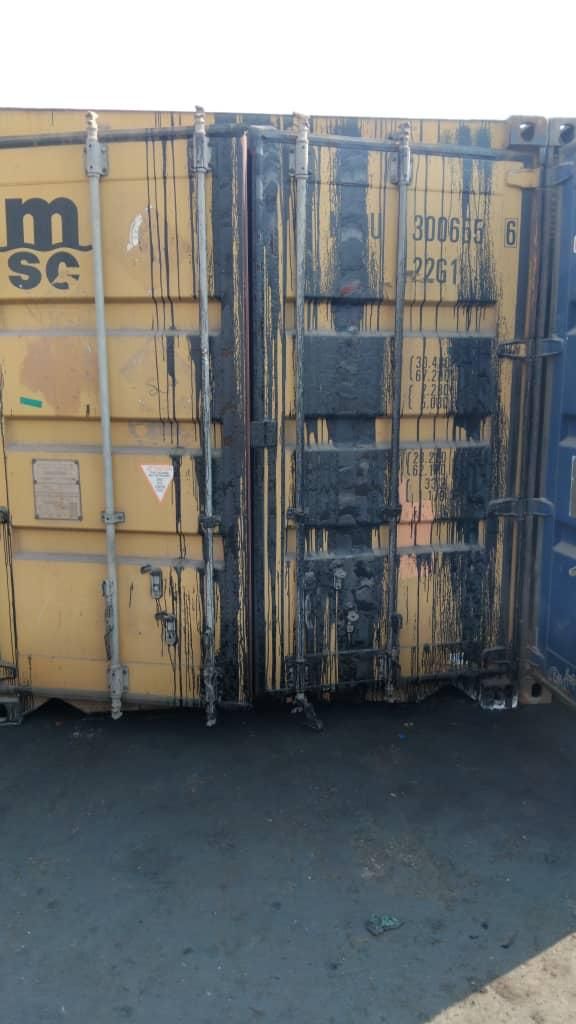
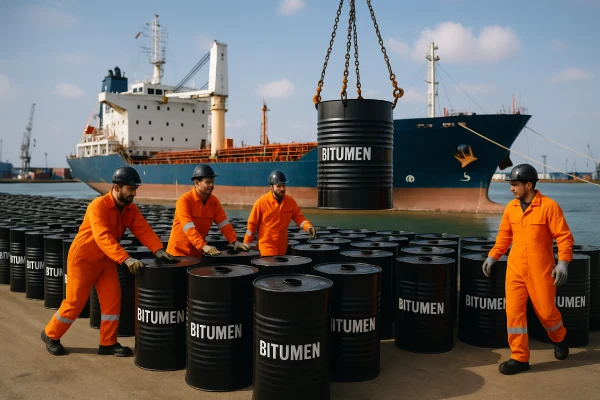
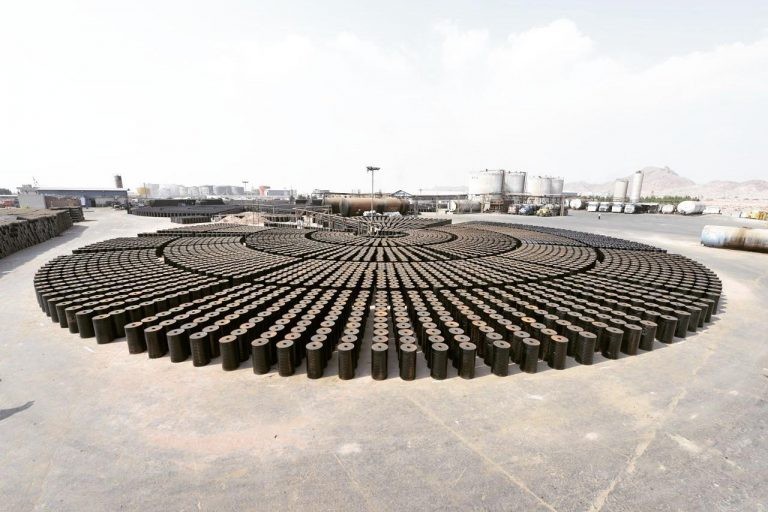
50 حاوية 1,000 1,000 طن متري من البيتومين 60-70 إلى ماليزيا
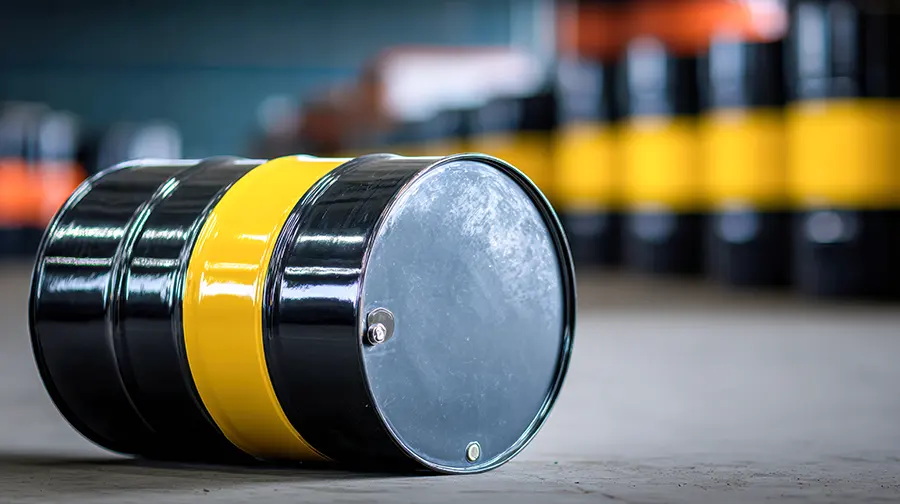
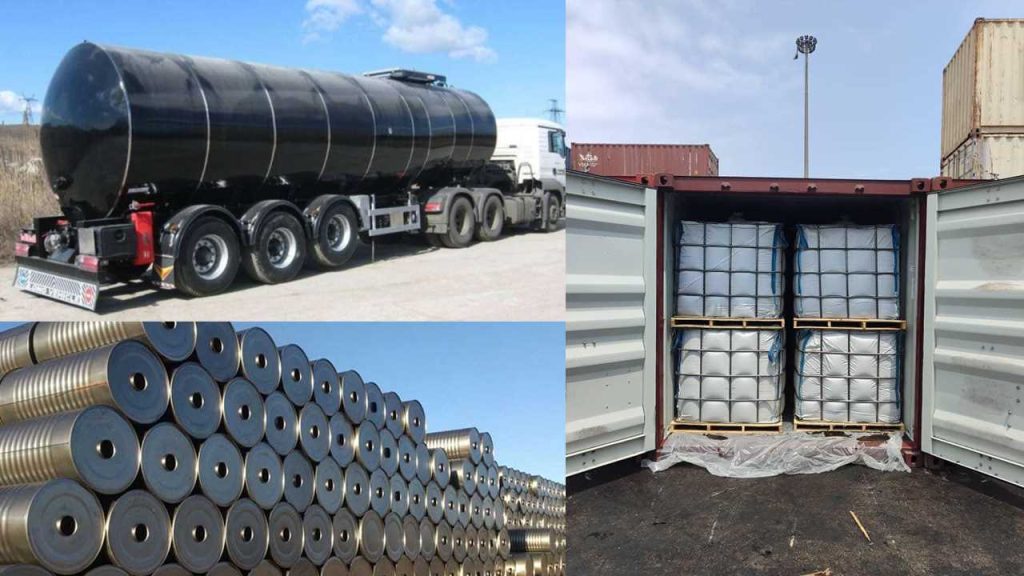
في التصدير، عادةً ما يتم تعبئته في براميل فولاذية أو أكياس متعددة الأغراض أو سائبة، في حاويات ساخنة للحفاظ على التدفق. ولكن هنا تنشأ التحديات: طبيعة البيتومين اللزجة واللزجة التي يتميز بها البيتومين تترك بقايا يمكن أن تؤدي إلى نزاعات في التنظيف إذا لم تتم إدارتها بشكل صحيح.
التحديات الشائعة في شحن البيتومين: لماذا تضرب رسوم التنظيف بقوة
شحن البيتومين ليس مثل نقل البضائع الجافة. فتراكم المخلفات، وتقلبات درجات الحرارة، وظروف الحاويات تخلق أرضية مواتية لتحميل رسوم إضافية.
القضايا الرئيسية التي تتسبب في رسوم التنظيف والنزاعات
- المخلفات والتلوث: حتى التسريبات أو الانسكابات البسيطة أثناء التحميل/التفريغ يمكن أن تغطي الأجزاء الداخلية مما يتطلب تنظيفًا احترافيًا.
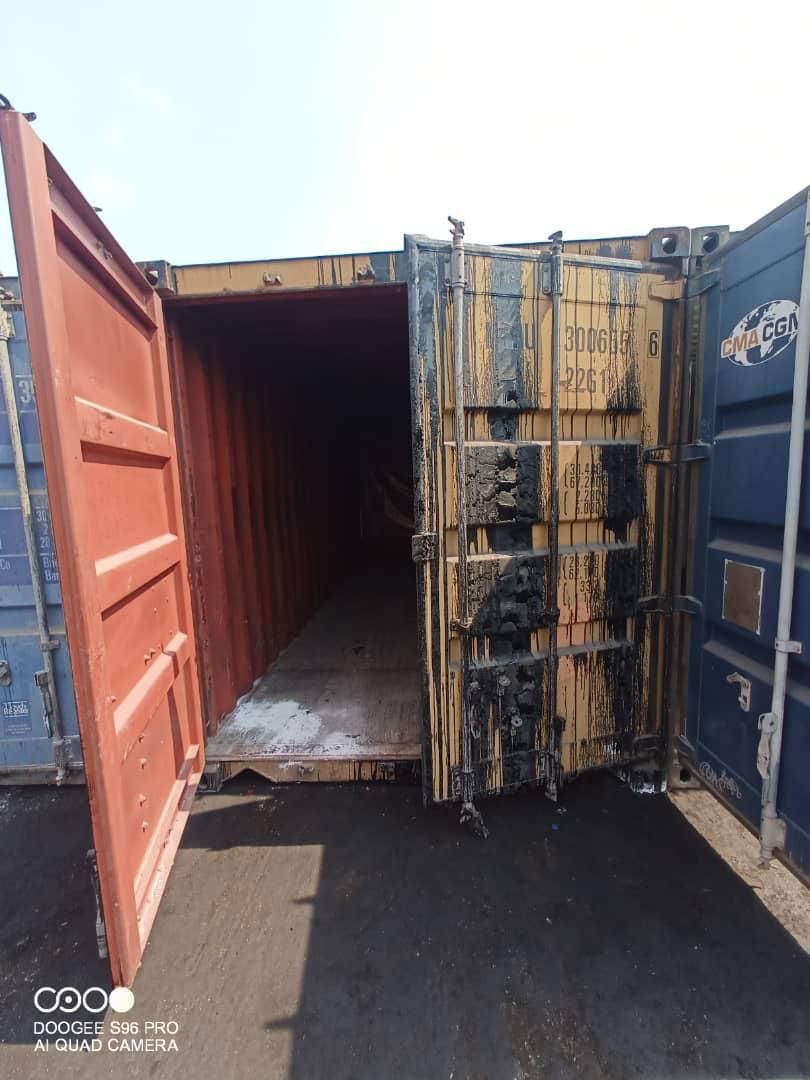
- الأضرار الموجودة مسبقاً: يتم إلقاء اللوم على شحنتك بسبب الانبعاجات أو الصدأ أو البقايا القديمة من الشحنات السابقة.
- التعامل غير السليم: يؤدي الملء الزائد، أو التسخين غير الكافي، أو سوء الإغلاق إلى التصلب والتراكم العنيد.
- السياسات الخاصة بخطوط الإنتاج: تتقاضى العديد من شركات النقل $500-$2,000 لكل حاوية مقابل التنظيف إذا أعيدت “متسخة”، بالإضافة إلى رسوم وقت التعطل.
في إحدى الدراسات التي أجراها خبراء الخدمات اللوجستية، يواجه ما يصل إلى 15% من شحنات السوائل السائبة رسومًا إضافية بسبب النزاعات المتعلقة بحالة الحاويات. وبالنسبة لمصدري البيتومين، يمكن أن يؤدي ذلك إلى تآكل 5-10% من هوامش الربح في الرحلة الواحدة.
لقد رأيت صفقات تفسد أكثر من $50,000 في الرسوم المتنازع عليها عبر الأسطول - وهي أموال كان من الممكن أن تذهب إلى أسعار شحن أفضل أو ترقيات الجودة.
The Pre-Loading “Clean Container” Protocol
To avoid disputed cleaning fees, your team must document the container’s condition before the cargo is stuffed. Use this checklist to safeguard your interests:
| Inspection Point | Critical Action |
|---|---|
| Floor Condition | Ensure no oil stains or previous bitumen residue exist. Take HD photos. |
| Corner Castings | Check for structural integrity to prevent sagging during heavy bitumen loading. |
| EIR Verification | The Equipment Interchange Receipt must explicitly state “Container Clean & Odor Free.” |
قوة التوثيق الدقيق: درعك ضد الرسوم غير العادلة
تلك الشحنة الماليزية؟ لم يكن حظاً. لقد كان التحضير. لقد وثقنا كل شيء في المنشأ، وحولنا الخسارة المحتملة إلى فوز.
لماذا يعمل التوثيق بشكل جيد؟ لأنها تنقل عبء الإثبات. تعتمد خطوط الشحن على عمليات التفتيش في الوجهة المقصودة؛ حيث أن دليل المنشأ الخاص بك يعارض المطالبات بشكل فعال.
خطوة بخطوة: كيفية توثيق حالة الحاوية مثل المحترفين
اتبع هذه العملية المجربة في كل مرة:
- الفحص قبل التحميل: افحص الحاوية الفارغة جيداً. لاحظ أي انبعاجات أو صدأ أو ثقوب أو بقايا.
- الحصول على أدلة عالية الجودة:
- صور من جميع الزوايا: الجدران الخارجية والداخلية والأرضية والسقف والأبواب.
- لقطات مقربة للأختام والزوايا وأي شذوذات.
- مقاطع فيديو ذات طابع زمني تسير عبر الحاوية.
- استخدام النماذج الموحدة: إكمال إيصال تبادل المعدات (EIR) مع المستودع، مع وضع علامة على أي مشاكل موجودة مسبقًا.
- أثناء التحميل:
- توثيق البطانة النظيفة (في حالة استخدام صفائح بلاستيكية).
- صور عملية التعبئة والختم النهائي.
- ما بعد التحميل: لقطات خارجية نهائية بأختام سليمة ورقم الحاوية ظاهر.
- النسخ الاحتياطي الرقمي: قم بتخزين الملفات في مجلدات سحابية، مسماة برقم الحاوية والتاريخ. شارك مع فريقك ومعيد التوجيه على الفور.
Recommended Bill of Lading (B/L) Clause:
"Shipper not responsible for pre-existing residues. Container inspected and found fit for bitumen carriage as per EIR No: [Number]. Any cleaning claims must be supported by photographic evidence within 48 hours of discharge."
Adding this clause significantly reduces the success rate of predatory cleaning fee claims by shipping lines.
نصيحة احترافية: استخدم تطبيقات مثل أدوات فحص الحاويات للحصول على صور موسومة جغرافيًا وموثقة زمنيًا - يمكن دحضها في النزاعات.
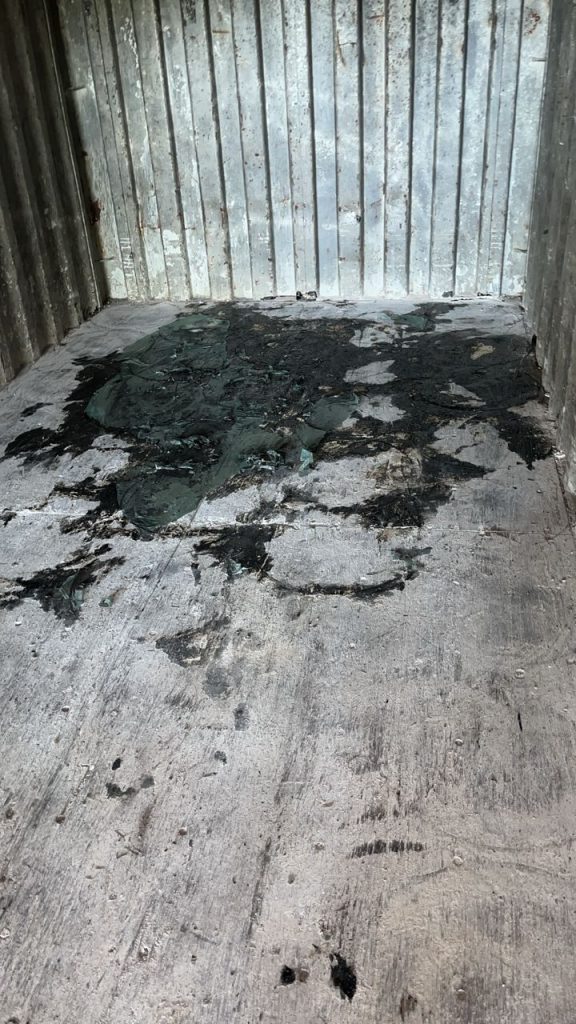
التحديات الشائعة في شحن البيتومين
من واقع خبرتي، فإن المصدرين الذين يتخطون ذلك يدفعون ثمناً باهظاً. أما أولئك الذين لا يفعلون ذلك؟ يحسمون 90% من المطالبات لصالحهم.
أفضل الممارسات لتحميل القار 60/70 ونقله في الحاويات
While documentation serves as your legal shield, operational excellence at the loading site is what prevents disputes from arising in the first place. Smart handling and technical precision during the stuffing process are the most effective ways to mitigate the risk of leakage and equipment damage.
Essential Loading Techniques to Minimize Residue and Risk
1. Precision Temperature Management (Thermal Optimization) The viscosity of Bitumen 60/70 is highly sensitive to temperature. It is critical to maintain the bitumen between 140°C and 160°C during the loading phase.
The Risk of Overheating: Exceeding 170°C can lead to “Cracking” or carbonization, which hardens the bitumen prematurely and makes unloading nearly impossible, leading to heavy residue claims.
The Risk of Underheating: If the temperature drops too low during pumping, the flow becomes sluggish, causing air pockets and uneven weight distribution within the container.
2. Implementation of Multi-Layered Protective Barriers Relying on standard packaging is often not enough for long-haul maritime transit.
Advanced Lining: Utilize heavy-duty, heat-resistant polyethylene (PE) liners or specialized dry bulk liners for jumbo bags. These act as a secondary containment system.
Flexitank Integrity: If shipping in bulk, ensure the flexitanks are “Bitumen-Grade” and equipped with specialized heating pads. A single-use, high-tensile strength bag significantly reduces the “Cross-Contamination” risk, ensuring the container remains in food-grade or industrial-grade cleanliness after the voyage.
3. Strategic Ullage (Headspace) Allocation One of the most common causes of container floor damage is “Thermal Expansion Leakage.” Bitumen expands as its temperature fluctuates during transit through different climate zones.
The 10% Rule: Never fill drums or bags to the brim. Maintaining a 5% to 10% ullage (headspace) allows the bitumen to expand safely without breaching the seals or gaskets.
Stability Factor: Proper headspace also prevents the center of gravity from shifting, which protects the container’s structural integrity during heavy sea swells.
4. High-Integrity Sealing and Gasket Verification The final barrier between your cargo and a $1,000 cleaning fee is the seal.
Gasket Quality: Use only high-grade, oil-resistant gaskets for drum lids and valves. Before sealing the container, perform a “Visual Integrity Check” on all closure points.
Secondary Containment: For high-risk shipments, place absorbent materials or specialized “Barrier Paper” near the container door area. This prevents minor seepage from reaching the door sills, which is the first place port inspectors check for leaks.
5. Weight Distribution and Securing (The Pro Tip) Bitumen is a high-density cargo. Ensure that the weight is distributed evenly across the container floor to prevent “Sleeper Damage” or floor warping. Use timber blocking and bracing (Dunnage) to secure the drums/bags, preventing movement that could lead to punctures during crane operations.
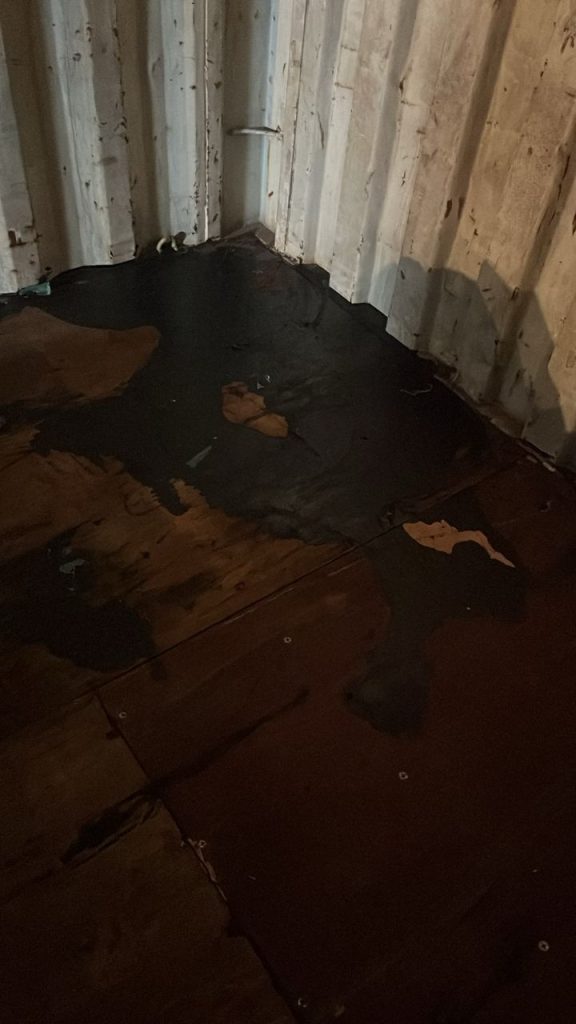
أفضل الممارسات لتحميل البيتومين ونقله
المقارنة: طرق التغليف الشائعة لتصدير البيتومين
| الطريقة | السعة لكل حاوية 20 قدم | الإيجابيات | السلبيات | الأفضل لـ |
|---|---|---|---|---|
| طبول فولاذية | 80-110 براميل (16-20 طن) | سهل التعامل، قابل لإعادة الاستخدام | عمالة أعلى، ومخاطر المخلفات | الشحنات الصغيرة والمتوسطة |
| بوليباج | حتى 22 طناً | فعالة من حيث التكلفة وأقل نفايات | الدموع المحتملة | صادرات الميزانية |
| خزانات بيتوتاينر/خزانات مرنة | 20-24 طناً | السعة القصوى، الحد الأدنى من البقايا | المعدات المتخصصة اللازمة | على نطاق واسع، لمسافات طويلة |
اختيار وضع الشحن المناسب: البحر مقابل البدائل
يهيمن الشحن البحري على صادرات البيتومين من حيث التكلفة، ولكن قارن بحكمة:
- مزايا البحر: كميات كبيرة الحجم، وأسعار أقل للطن الواحد.
- التحديات: عبور أطول، وانخفاض درجات الحرارة في الطرق الباردة.
- البدائل: خزانات ISO ساخنة للدرجات الممتازة أو الهواء للعينات (نادرة).
للحصول على رؤى أعمق حول خيارات الشحن، راجع منشورنا على الشحن الجوي مقابل الشحن البحري من الصين إلى جبل علي: تحليل التكلفة والفائدة لسلعتك لعام 2026.
دراسات حالة من العالم الحقيقي: دروس من الخنادق
Theoretical advice is valuable, but real-world victories prove that a rigorous documentation strategy is the best defense against ancillary charges. Beyond individual anecdotes, these anonymized cases highlight the financial impact of proactive logistics management:
Case Study 1: The “Legacy Rust” Rebuttal (Middle East Export) A major bitumen exporter shipping from a high-volume Persian Gulf hub was hit with a $30,000 “heavy cleaning and floor restoration” invoice covering 30 containers upon arrival at the destination port. The carrier claimed that bitumen leakage had caused deep corrosion.
The Defense: The exporter’s logistics team produced a high-resolution “Pre-Loading Inspection Report.” The photos clearly showed that the “pitted rust” on the container floors was pre-existing oxidation, not fresh bitumen damage.
The Result: Faced with indisputable evidence that the damage predated the cargo stuffing, the shipping line dropped all charges.
Pro Lesson: Always document the floor condition under the liner bags before loading begins.
Case Study 2: The Video Evidence Advantage (SE Asian Importer) An Asian importer was billed for specialized chemical cleaning after a carrier claimed bitumen residue was found during a post-discharge survey. The carrier insisted the liners had failed during transit.
The Defense: The importer provided time-stamped CCTV and handheld video footage of the “de-stuffing” process. The video proved that the bags were intact and that the “residue” in question was actually dried industrial waste from a previous voyage that had been hidden under the liners.
The Result: The carrier absorbed the cleaning costs and waived the associated detention fees, acknowledging the “Evidentiary Chain” provided by the importer.
Pro Lesson: Video documentation of the container opening and the removal of the first row of cargo is often more persuasive than static photos.
Case Study 3: The Data-Driven Defense (Global Logistics Forums) Aggregate data from major freight and logistics forums indicates a clear trend in dispute resolution. Shipments backed by a complete digital “Condition Trail” (Photos, EIRs, and Survey Reports) resolve disputes significantly faster than those without.
The Insight: Documented shipments resolve 4x faster on average, reducing the “dead time” where containers are held up, which in turn prevents cascading Demurrage and Detention (D&D) costs.
The Result: For a standard 20-container shipment, this speed of resolution can save an exporter between $5,000 and $12,000 in potential port storage penalties.
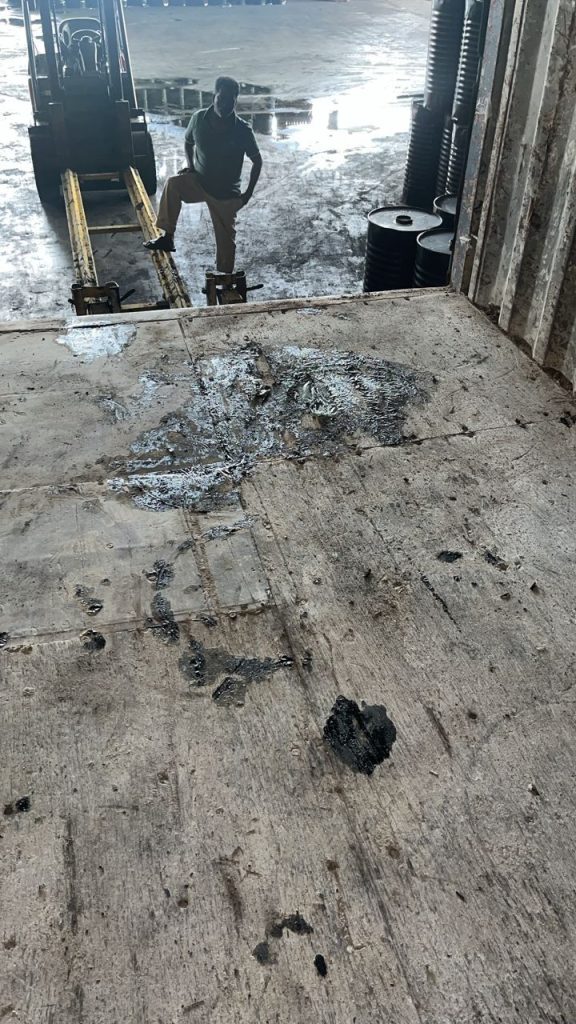
كانت الحاويات تلفًا قديمًا
الاستراتيجيات المتقدمة: بناء حماية طويلة الأمد
To safeguard your margins in the volatile bitumen market, you must move beyond basic logistics and implement a robust risk-mitigation framework. Here is how to institutionalize protection against predatory cleaning fees and logistical disputes:
1. Strategic Carrier Selection and Vetting Don’t prioritize freight rates at the expense of terminal flexibility. Partner with reliable shipping lines that demonstrate transparent Equipment Interchange Receipt (EIR) policies. In high-stakes regions like the GCC or MENA, some carriers are notorious for aggressive “cleanliness” inspections. Research and choose carriers that provide a clear dispute resolution window and have a history of fair assessment regarding “normal wear and tear” versus actual cargo leakage.
2. Comprehensive Insurance and Ancillary Coverage Standard cargo insurance often fails to cover “indirect” or “ancillary” charges such as container cleaning, detention, or environmental remediation. Consult with your broker to include specific add-ons or “Liability Extensions.” These endorsements ensure that if a flexitank or drum fails, the resulting professional cleaning costs and port fines are borne by the insurer, not your bottom line.
3. Independent Third-Party Surveys and Inspections The most effective defense is objective evidence. Hire independent, internationally recognized surveyors (such as SGS or Saybolt) to conduct inspections at both the point of stuffing (origin) and unstuffing (destination). A “Pre-Shipment Inspection Report” accompanied by high-resolution, time-stamped photographs of the container’s interior floor and walls creates an indisputable baseline. This neutral report often forces shipping lines to drop baseless cleaning claims immediately.
4. Precision in Contractual Clauses and Documentation Your sales contracts and Shipping Instructions (SI) must be your legal shield. Incorporate specific “Clean on Board” terms and explicit photo requirements. For instance, include a clause stating: “The carrier acknowledges that the container was inspected and found fit for Bitumen 60/70 carriage; any subsequent cleaning claims must be supported by photographic evidence provided within 48 hours of discharge.” By shifting the burden of proof back to the carrier or the consignee, you significantly reduce the success rate of arbitrary fee impositions.
5. Operational “Pro-Tips” from the Field
The Expansion Gap: Always ensure a 10% ullage (expansion space) in drums or bags, especially when transiting through high-temperature zones like Jebel Ali. Heat-induced expansion is the #1 cause of micro-leaks.
Secondary Liners: For jumbo bag shipments, investing in a high-quality secondary floor liner (PE film or corrugated paper) is a fraction of the cost of a cleaning fee and serves as a vital physical barrier.
استكشف أيضًا إدارة المخاطر في الصفقات ذات الصلة من خلال أدلةنا على التأمين ضد مخاطر الحرب وشروط القوة القاهرة في العقود و قواعد التقييم الجمركي في الإمارات العربية المتحدة.
Frequently Asked Questions
A: Depending on the severity of the leak and the shipping line (e.g., MSC or Maersk), fees can range from $300 to $1,500 per TEU.
Q: Can I dispute a cleaning fee after 30 days?A: It is difficult. Most shipping lines require disputes to be filed within 7-10 days of the invoice date, supported by the destination EIR.
أفكار أخيرة: حماية أرباحك بالعادات الاستباقية
التصدير القار 60/70 يمكن أن تكون مربحة للغاية، ولكن هناك رسوم خفية مثل رسوم التنظيف تتربص بك إذا لم تكن متيقظاً. التوثيق الدقيق، والتحميل الذكي، والشراكات الصحيحة تحوّل المخاطر إلى إجراءات روتينية.
لقد بنيت أعمالي على هذه المبادئ - فوفرت الملايين على مر السنين وكسبت ثقة المشترين في جميع أنحاء العالم.
هل أنت مستعد لتبسيط صادراتك من البيتومين والتواصل مع المشترين العالميين المعتمدين؟ انضم إلى Tendify.net اليوم. انشر منتجاتك، أو اطلب عروض الأسعار، أو استكشف الصفقات الآمنة في مجال البتروكيماويات وغيرها. اشترك الآن وتحكم في شحنتك القادمة.