


المدونة
How Netflix Destroyed Blockbuster: The Real Reasons a $6 Billion Giant Collapsed Overnight
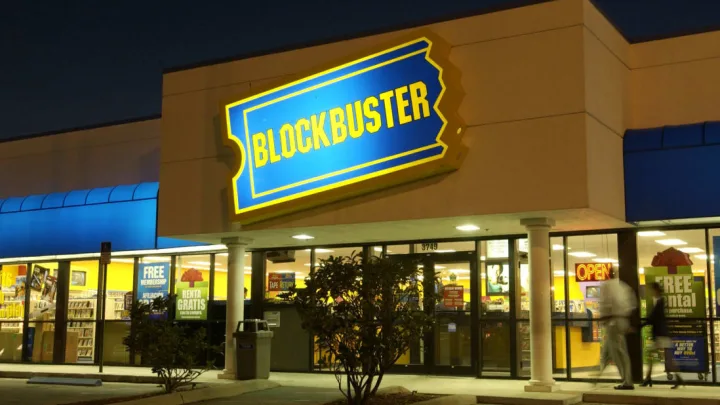
I’ve run businesses through booms, busts, and every tech wave in between, and few stories hit harder than Blockbuster’s epic fall. Picture this: a company with 9,000 stores worldwide, dominating home entertainment, millions walking through doors every week for the Friday night ritual. Then, in less than a decade, it’s bankrupt, while a mail-order DVD startup becomes the king of streaming.
Blockbuster
The easy narrative is “Netflix killed Blockbuster.” But that’s too simplistic. Blockbuster didn’t die from competition — it died from refusing to read the room on changing consumer behavior. People wanted convenience over hassle, no penalties for keeping movies longer, endless choice without leaving the couch. Blockbuster had the data, the cash, even early chances to pivot — yet clung to a model built on late fees and physical footprints.
In wholesale, export, and B2B trade — the world I live in every day — the same blind spots appear. Digital platforms shift buyer expectations overnight: faster quotes, transparent pricing, instant global reach. Miss that shift, and you’re the next cautionary tale. Let’s dissect what really happened, the hard numbers, the missed signals, and — crucially — actionable steps to ensure your business evolves with customers instead of fighting them.
The Peak: When Blockbuster Was Untouchable
In the late 1990s and early 2000s, Blockbuster wasn’t just big — it was the default. Founded in 1985, it exploded to over 9,000 stores globally by its peak around 2004-2005. Revenue topped $6 billion annually at one point, with 83,000 employees and massive market share in video rentals.

When Blockbuster Was Untouchable
The model was brutally effective:
- High-traffic physical locations — Convenience of picking up movies nearby.
- Late fees as profit engine — Often 20-30% of revenue came from penalties for overdue returns.
- Impulse buys and new releases — Friday crowds drove volume.
Customers tolerated the hassles because alternatives were worse. No internet streaming, no widespread broadband. Blockbuster owned the experience.
But cracks were forming. Broadband adoption surged from ~5% in 2000 to over 50% by 2007. Consumers started hating late fees — surveys showed it was the #1 complaint. Netflix launched in 1997 with a simple promise: no late fees, unlimited rentals by mail, flat monthly fee.
Blockbuster laughed. A mail-order service? Niche at best.
The Turning Point: Netflix’s Quiet Disruption
Netflix didn’t start with streaming — that came later (2007 beta, full push by 2010). It began with DVD-by-mail, exploiting Blockbuster’s biggest pain points:
- Convenience — Delivered to your door, no trips to the store.
- No due dates or late fees — Watch at your pace.
- Recommendation engine — Early use of data for personalized suggestions (Cinematch system).
By 2004, Netflix had ~1 million subscribers. Blockbuster still had millions visiting stores, but the trend was clear: younger users preferred digital convenience.
In 2000, Netflix offered itself for $50 مليون. Blockbuster turned it down. Leadership saw no threat — stores were profitable, debt manageable.
The Fatal Mistakes: Why Blockbuster Couldn’t (or Wouldn’t) Change
Several interlocking failures sealed the fate:
- Over-Reliance on Late Fees Late fees generated huge margins but alienated customers. When Netflix eliminated them, loyalty shifted. Blockbuster tried dropping fees in 2004-2005 but reversed due to revenue hits — too late, damage done.
- Physical Footprint as Anchor Thousands of leases, inventory costs, staffing. Netflix had no stores — lower overhead, more flexibility. Blockbuster’s model couldn’t compete on price or variety without massive restructuring.
- Slow Digital Response Blockbuster launched its own online service in 2004 (Total Access hybrid: mail + in-store exchange). It gained traction briefly (2 million subscribers), but unsustainable losses from dual infrastructure killed it. Streaming experiments came in 2009-2010 — years behind Netflix.
- Leadership and Cultural Inertia Focus stayed on protecting store profits. One CEO publicly dismissed streaming threats. No bold cannibalization of the core model.
- Missing Consumer Behavior Signals Data showed rising broadband, complaints about fees, preference for on-demand. Yet decisions prioritized short-term quarterly results over long-term adaptation.
Why Blockbuster Couldn’t (or Wouldn’t) Change
Key statistic: From 2004 peak, Blockbuster’s market value dropped over 90% by 2010. Netflix’s subscriber growth exploded: 5 million in 2005 → 20 million by 2010 → over 260 million globally today.
The Collapse Timeline: Numbers Don’t Lie
- 2004-2005 — Blockbuster loses 75% of market value amid rising competition.
- 2007 — Netflix streaming beta; Blockbuster still focused on stores.
- 2010 — Blockbuster files for Chapter 11 bankruptcy (September 23, 2010), $1 billion+ debt.
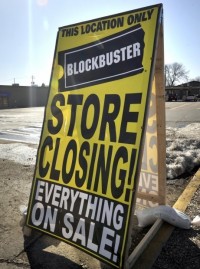
- Post-bankruptcy — Assets sold off, stores closed rapidly. Only one nostalgic store remains today.
Meanwhile, Netflix pivoted multiple times: DVD → streaming → original content → global expansion. Each shift responded directly to consumer demands for better experience.
Core Lessons: Adapting to Consumer Behavior Changes
This isn’t ancient history — it’s repeating in every industry. Here’s what I’ve applied in my own ventures to avoid the same trap:
- Track Consumer Pain Points Obsessively Run regular surveys, analyze complaints, monitor social signals. What frustrates buyers today? In trade: slow quotes, opaque pricing, payment risks. Fix those before competitors do.
- Test Disruptive Models Early — Even If They Cannibalize Launch small pilots. Blockbuster could have built a pure digital arm separately. In your business: test online marketplaces, digital catalogs, or AI matching while keeping traditional channels alive.
- Prioritize Convenience and Frictionless Experience Consumers vote with behavior. Netflix won on ease. Today’s buyers want instant RFQs, verified suppliers, secure digital payments. Build that — or lose to platforms that do.
- Use Data to Anticipate Shifts, Not Just Report Past Netflix’s recommendation engine kept users hooked. Invest in analytics that predict trends: rising demand for sustainability, faster delivery, digital docs.
- Build a Culture That Rewards Adaptation Over Protection Reward teams for questioning the status quo. When broadband rose, Blockbuster protected stores. Reward spotting threats and acting fast.
For B2B platforms like Tendify, this means embracing digital tools that match how buyers now behave: researching online, comparing globally, transacting securely without travel.
Check our piece on The Real Reasons for Nokia’s Failure: A Giant That Overlooked Innovation — similar patterns of ignoring disruption. Or dive into Breaking Down Data Silos: Create a Single Source of Truth for Risk & Compliance for how data drives better decisions in volatile markets.
Don’t Wait for Your Netflix Moment
The world moves fast in 2026. AI matching, blockchain verification, real-time global trade — these aren’t future threats; they’re here. Businesses that adapt to how customers want to buy, sell, and connect win. Those that don’t become case studies.
If you’re in wholesale, export, or international sourcing and want to stay ahead of shifts instead of reacting to them, Tendify is built exactly for that. Verified profiles, direct buyer-supplier connections, digital RFQs, secure transactions — all designed around modern buyer behavior.
Sign up today — it’s free for buyers to post requirements, and suppliers get instant visibility to global opportunities. Don’t let changing expectations leave you behind like Blockbuster. Build the adaptable, digital-first business that thrives in whatever comes next.
Register on Tendify now and turn consumer shifts into your competitive edge. Your future customers are already shopping differently — make sure they find you first.

