


المدونة
Yahoo Could Have Owned Search Forever. Instead Bad Calls & Google Killed It – Don’t Repeat This Mistake
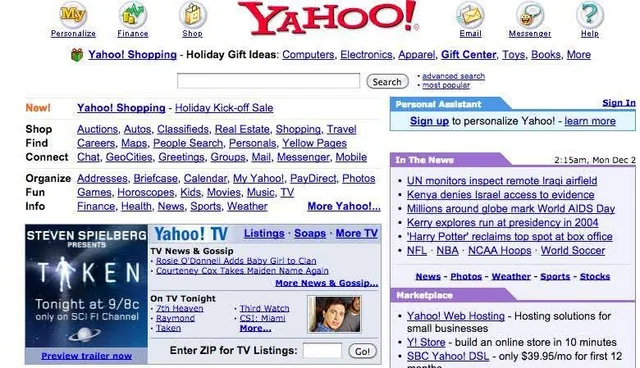
I’ve spent the last two decades building and running businesses in the thick of global trade, watching how fast digital shifts can make or break companies. Yahoo’s story still gets under my skin because it’s not some obscure startup flop – it was فإن internet for millions in the late 90s and early 2000s. The homepage everyone opened first. Mail, news, search, finance, chat – all in one chaotic, ad-filled portal. At its peak, Yahoo commanded massive traffic, billions in valuation, and seemed unstoppable.
yahoo
Then came Google with cleaner search, better results, and a laser focus. Yahoo tried everything – acquisitions, CEO musical chairs, media pivots – but kept making the wrong calls. The result? A slow bleed that ended with Verizon buying the core assets for pennies on the dollar in 2017. No dramatic bankruptcy like Blockbuster, but a quiet surrender that’s arguably worse.
In wholesale and export today, the same risks lurk. Buyers expect instant digital discovery, precise matching, secure online deals, and mobile access. Cling to old portals, scattered emails, or outdated catalogs, and you lose to platforms that deliver what customers want now. Yahoo ignored that principle at every turn. Let’s break down the real story – the peak, the missteps, the numbers, and the hard lessons so your business doesn’t repeat history.
The Golden Age: When Yahoo Was the Internet
Founded in 1994 as “Jerry and David’s Guide to the World Wide Web,” Yahoo started as a simple directory of sites. It exploded because the web was new and chaotic – people needed a starting point.

When Yahoo Was the Internet
By the late 1990s:
- Most visited site globally for years.
- Peak valuation around $125 billion during the dot-com bubble (January 2000 stock high).
- Services everywhere – Yahoo! Mail (one of the first big webmail players), Finance, News, Messenger, Auctions, even broadband.
- Advertising powerhouse – Display ads ruled; search was secondary.

Yahoo 1990
Users spent hours on Yahoo. It felt like the whole internet lived there. Revenue soared on banner ads and partnerships. No real competition yet – AOL was dial-up focused, Google was just starting.
But the dot-com crash hit hard in 2000-2001. Stock plunged from $118+ to under $9. Yahoo survived, but the warning was clear: adapt or die.
The Google Wake-Up Call – And Yahoo’s Repeated Snooze
Google launched in 1998 with superior PageRank technology. Yahoo actually powered its early search with partners like Inktomi, but never built (or bought) anything as good.
Key missed chances:
- Early Google partnership/offer (1998) Google founders approached Yahoo for funding or acquisition – reportedly around $1 million. Yahoo passed, wanting users to stay on its portal longer for ad views.
- 2002 acquisition talks Google was open to selling for ~$3-5 billion. Yahoo offered $3 billion max; Google walked. Terry Semel (CEO) reportedly thought it overpriced. That decision alone cost Yahoo trillions in future value.
Google focused ruthlessly on search quality. Yahoo spread thin across media, trying to be everything. Result: search share eroded fast. By mid-2000s, Google dominated queries, and its AdWords/AdSense model crushed Yahoo’s display-heavy revenue.
More Blunders: Acquisitions, Leadership Chaos, and Lost Focus
Yahoo made deals, but rarely the right ones:
- Bought Overture (paid search tech) in 2003 – solid, but too late to catch Google.
- Invested in Alibaba (2005, $1 billion for 40% stake) – huge win later, but sold most in 2012 for cash instead of holding.
- Passed on Facebook (~$1 billion offer in 2006, lowered then rejected).
- Rejected Microsoft’s $44.6 billion buyout in 2008 – board thought undervalued.
Leadership churn killed momentum:
- Multiple CEOs (Semel → Yang → Bartz → Thompson → Mayer → others).
- Each brought new strategy – media focus, mobile push, cost cuts – but no consistency.
- Marissa Mayer (2012-2017) tried turnaround: mobile, talent hires, Tumblr buy ($1.1 billion in 2013). Tumblr never monetized well; core search stayed weak.
Yahoo became a “jack of all trades” – cluttered homepage, slow innovation, security issues (massive breaches in 2013-2014 affecting billions of accounts).
Market share timeline:
- Early 2000s: ~30-40% search share.
- 2010: Under 10%.
- 2016: ~2-3% globally.
- Today: Minimal in search; brand lives in remnants (Yahoo Finance, Mail still has loyal users).
From $125 billion peak to Verizon’s $4.8 billion acquisition (2017) – mostly for brand and remaining assets.
Root Causes: Why Yahoo Couldn’t Pivot
- Lack of Focus Tried to be portal + media + search + everything. Google nailed one thing: search.
- Underestimating Core Tech Relied on partners for search instead of building/investing heavily.
- Missed Strategic Acquisitions Google, Facebook, DoubleClick (Google bought it) – each would have changed everything.
- Ad Model Complacency Stuck on display ads while Google mastered intent-based paid search.
- Leadership & Cultural Issues Frequent changes, no bold vision to cannibalize old strengths.
- Slow to Mobile & New Trends Mobile shift hit late; social media diverted users.

Why Yahoo Couldn’t Pivot
These mirror issues in B2B trade: sticking to traditional methods while buyers shift to digital platforms.
Lessons for Your Digital Business in 2026
I’ve applied these truths to avoid similar traps:
- Focus Ruthlessly on Core Value Pick what you do best (e.g., verified global matching) and dominate it. Don’t dilute with unrelated features.
- Spot & Act on Threats Early Monitor competitors, buyer trends, tech shifts quarterly. What’s the “Google” in your space?
- Make Bold Bets – Even If They Hurt Short-Term Invest in digital tools before they’re mainstream. Cannibalize old processes.
- Prioritize User/Buyer Experience Speed, simplicity, mobile-first. Yahoo’s clutter lost users; your platform can’t afford friction.
- Build Agile Leadership Reward adaptation over protection. Avoid CEO carousel chaos.
In global trade, digital transformation means real-time RFQs, secure payments, AI matching – ignore them, and you’re Yahoo waiting to happen.
For similar patterns, read our pieces on Kodak’s $31 Billion Mistake: The Brutal Truth About Missing Digital Transformation, The Real Reasons for Nokia’s Failure: A Giant That Overlooked Innovation, و How Netflix Destroyed Blockbuster: The Real Reasons a $6 Billion Giant Collapsed Overnight.
Don’t Let History Repeat in Your Trade Business
The internet moves faster now than in Yahoo’s era. AI, blockchain verification, instant global connections – these shift expectations daily. Businesses that adapt win big; those defending yesterday lose quietly.
If you’re in wholesale, export, or sourcing, Tendify puts you ahead: verified suppliers worldwide, free buyer RFQs, secure digital transactions, mobile-optimized storefronts – built for how trade happens in 2026.
Sign up today – buyers post requirements free, suppliers gain instant global visibility. It takes minutes and costs nothing to start exploring.
Register on تينديفاي now and build the focused, digital-first trading business that outlasts disruptions. Your buyers are already searching differently – make sure they find you, not your competitor.

