المدونة
The Impact of Artificial Intelligence on Route Optimization and Carbon Emission Reduction
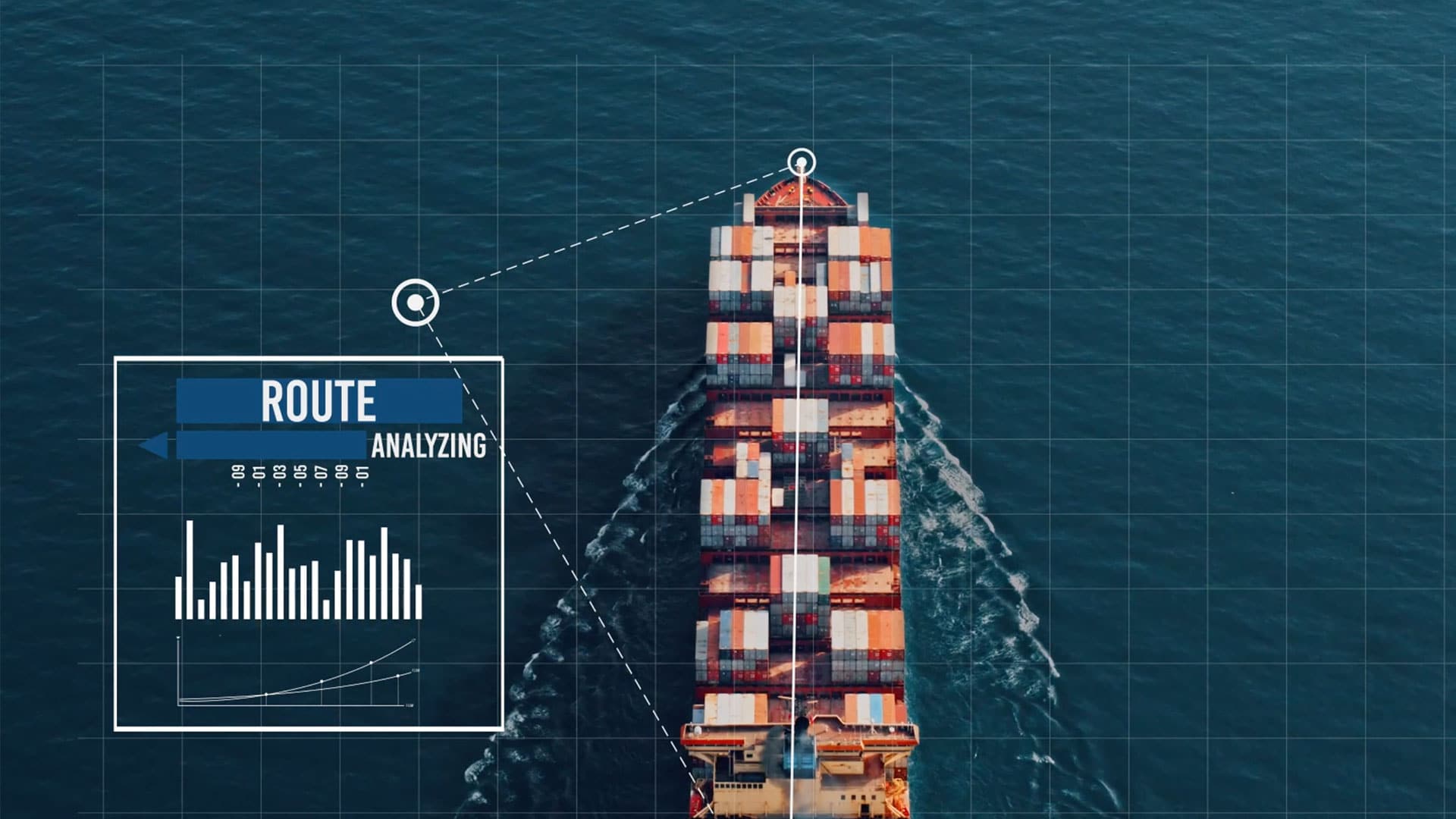
In the global logistics industry, empty miles — the distance traveled by commercial vehicles without cargo — represent one of the most persistent and costly inefficiencies. These unproductive journeys consume fuel, increase operational expenses, accelerate vehicle wear, and generate unnecessary carbon emissions. Artificial intelligence, particularly machine learning algorithms, has emerged as a transformative solution capable of dramatically reducing empty miles while simultaneously lowering fuel consumption and environmental impact for large fleet operators.
Artificial Intelligence on Route Optimization
This strategic guide provides logistics executives, fleet managers, sustainability officers, and technology leaders with a comprehensive, audit-ready analysis of how AI-powered route optimization is reshaping modern supply chains. The focus is on practical applications of machine learning for predictive routing, dynamic load matching, real-time decision making, and measurable carbon reduction. All recommendations are designed to support compliant, transparent, and sustainable operations while delivering clear economic returns.
Core Strategic Insight: AI-driven route optimization is no longer a futuristic concept — it is a proven competitive advantage. Companies that successfully eliminate empty miles through intelligent algorithms can achieve double-digit reductions in fuel costs and carbon emissions while improving service levels and asset utilization.
The Empty Miles Problem in Modern Logistics
Empty miles occur when trucks, vans, or ships travel without revenue-generating cargo. Industry estimates suggest that empty running accounts for 20–30% of total vehicle kilometers in many road freight markets. This inefficiency stems from multiple factors: imbalanced trade flows, poor visibility into available loads, rigid scheduling practices, and fragmented coordination between shippers and carriers.
The economic cost is substantial. Fuel, driver time, vehicle maintenance, and depreciation continue regardless of whether the vehicle carries cargo. Environmentally, empty miles contribute disproportionately to carbon emissions because they deliver zero economic value per kilometer traveled. For large fleet operators managing thousands of vehicles, even modest reductions in empty running can translate into millions of dollars in annual savings and significant progress toward sustainability targets.
Traditional route planning methods — based on static schedules and manual optimization — are increasingly inadequate in today’s dynamic, demand-driven logistics environment. This creates a clear opportunity for artificial intelligence to deliver superior outcomes. For broader context on sustainable logistics transformation across major trade corridors, see The Green Logistics Revolution on the New Silk Road: China’s Strategies for Decarbonizing Trade Routes and Smart Ports.
How Machine Learning Algorithms Optimize Routes and Eliminate Empty Miles
Modern AI systems for logistics optimization go far beyond simple GPS navigation. They employ sophisticated machine learning models — including reinforcement learning, graph neural networks, and predictive analytics — to solve complex, multi-variable optimization problems in real time.

Machine Learning Algorithms Optimize Routes
Key technical capabilities include:
- Predictive Demand Forecasting: AI analyzes historical data, seasonal patterns, weather, and external events to anticipate future load availability with high accuracy.
- Dynamic Load Matching: Advanced algorithms continuously scan for compatible backhaul opportunities, matching empty vehicles with available cargo in real time.
- Multi-Objective Optimization: Systems simultaneously optimize for fuel efficiency, delivery windows, driver regulations, vehicle capacity, and carbon emissions.
- Real-Time Replanning: When disruptions occur (traffic, weather, order changes), AI instantly recalculates optimal routes and communicates adjustments to drivers and dispatchers.
These capabilities allow fleet operators to achieve empty mile reductions of 15–35% in well-implemented systems, with corresponding improvements in fuel efficiency and carbon performance. For companies operating across complex Asian supply chains, such technologies offer particular value. Related strategies for route diversification and compliance are explored in Compliant Trade Route Reengineering: Audit-Ready Alternatives to the Strait of Hormuz Crisis.
Green Hydrogen, Electric Fleets, and AI Synergies
The combination of AI route optimization with alternative fuel vehicles creates powerful synergies. Electric and hydrogen-powered commercial vehicles have different operational characteristics than diesel trucks — particularly regarding range, refueling/charging times, and payload considerations. Machine learning algorithms can be specifically trained to optimize routes around these constraints, maximizing the utilization of zero-emission fleets.
AI systems can predict optimal charging or refueling stops, balance battery state-of-charge across a fleet, and dynamically adjust routes to take advantage of renewable energy availability. This integrated approach delivers both cost savings and verifiable carbon reductions, strengthening ESG performance for logistics providers and their customers.
For a detailed examination of alternative fuels in logistics cost reduction, see our guide on Reducing Logistics Costs in India Through Alternative Fuels: The Role of Electric Vehicles and Green Hydrogen in Optimizing Domestic Supply Chains.
Implementation Roadmap for AI-Powered Logistics Optimization
Successful deployment of AI route optimization requires a structured approach:
Phase 1: Data Foundation and Readiness Assessment (Months 1–3)
Audit existing telematics, order management, and fleet data quality. Identify gaps and establish robust data governance processes.
Phase 2: Pilot Program Design and Execution (Months 4–9)
Select representative routes and vehicle types for initial testing. Implement AI optimization in parallel with legacy systems to measure performance improvements safely.
Phase 3: Full Fleet Integration and Scaling (Months 10–18)
Roll out the AI system across the entire fleet. Integrate with existing TMS and ERP platforms. Provide comprehensive training for dispatchers and drivers.
Phase 4: Continuous Optimization and Innovation (Year 2 onward)
Establish feedback loops for continuous model improvement. Explore advanced applications such as predictive maintenance and autonomous fleet coordination.
90-Day AI Route Optimization Readiness Checklist
Days 1–15: Foundation
- Assess current route planning processes and data quality
- Define key performance indicators (empty miles, fuel consumption, carbon emissions)
- Assemble cross-functional project team
Days 16–45: Technology Selection & Pilot Design
- Evaluate AI route optimization platforms and vendors
- Design pilot scope and success metrics
- Prepare data integration and security protocols
Days 46–75: Pilot Execution
- Deploy AI system on selected routes in shadow mode
- Monitor performance and collect comparative data
- Gather feedback from dispatchers and drivers
Days 76–90: Evaluation & Scaling Plan
- Analyze pilot results and calculate ROI
- Develop full fleet rollout timeline and budget
- Prepare change management and training programs
Compliance, Measurement, and Reporting Considerations
AI-driven logistics optimization must be implemented within a robust compliance framework. Key considerations include data privacy, algorithmic transparency, and accurate carbon accounting. Organizations should maintain clear documentation of optimization logic, validation processes, and emissions calculation methodologies to support regulatory reporting and third-party assurance.
When properly executed, AI route optimization not only reduces costs and emissions but also generates high-quality, verifiable sustainability data that strengthens ESG credentials with customers, investors, and regulators. For additional perspectives on ESG compliance strategies for Asian exporters, refer to ESG Compliance Guide for Asian Exporters: How Chinese and Indian Companies Can Meet Western Environmental Standards.
Conclusion: AI as a Catalyst for Efficient and Sustainable Logistics
Artificial intelligence, particularly machine learning algorithms for route optimization, represents one of the most powerful tools available to modern logistics operators. By intelligently eliminating empty miles, improving asset utilization, and enabling more efficient operations, AI delivers simultaneous benefits in cost reduction, service quality, and environmental performance.
For large fleet operators and logistics providers, the transition to AI-powered routing is no longer optional — it is becoming a competitive necessity. Companies that invest in these technologies today, while maintaining rigorous compliance and transparent measurement practices, will achieve significant advantages in an increasingly demanding marketplace.
The future of logistics belongs to organizations that combine technological innovation with responsible business practices. AI route optimization offers a clear pathway to deliver on both objectives — creating more efficient, resilient, and sustainable supply chains that benefit businesses, customers, and the environment alike.
Platforms purpose-built for intelligent, compliant logistics provide the operational infrastructure necessary to realize these benefits at scale. Entities seeking to optimize their fleet operations and reduce carbon emissions are encouraged to evaluate integrated AI solutions that combine advanced analytics with full regulatory alignment.