المدونة
Cold Chain in Oman: Beating 50°C Heat Without Losing a Single Load
I’ve been in the wholesale and export game for over two decades, moving everything from fresh produce to high-value perishables across the Gulf and beyond. One truth hits harder than most: nothing destroys margins faster than a single temperature excursion in 50°C Muscat heat. I’ve seen containers of dairy turn in hours, fruit shipments rejected at customs, and deals worth six figures evaporate because someone skimped on the reefer chain.

Cold Chain in Oman
In Oman, cold chain logistics isn’t just a nice-to-have—it’s the difference between profitable B2B trade and painful write-offs. With the country’s push toward food security, growing retail and e-commerce demand for fresh goods, and stricter regulations from the Food Safety and Quality Center, getting this right has never been more critical.
This guide breaks down the real challenges, proven strategies, and actionable steps to build a bulletproof cold chain for perishable foods in Oman. Whether you’re exporting dairy, importing fruits, or supplying meat to Muscat supermarkets, here’s what actually works in 2026.
Why Cold Chain Logistics in Oman Is a Make-or-Break Factor in 2026
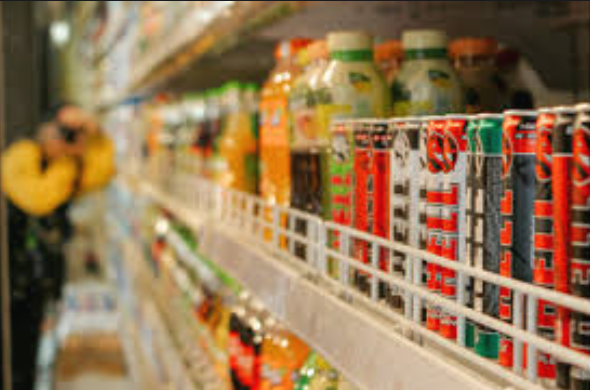
Oman’s market for cold chain perishable foods sits around USD 1.2 billion and keeps climbing, fueled by rising demand for fresh produce, dairy, meat, and ready-to-eat items. Retail expansion, online grocery platforms, and consumer focus on food safety drive this surge.
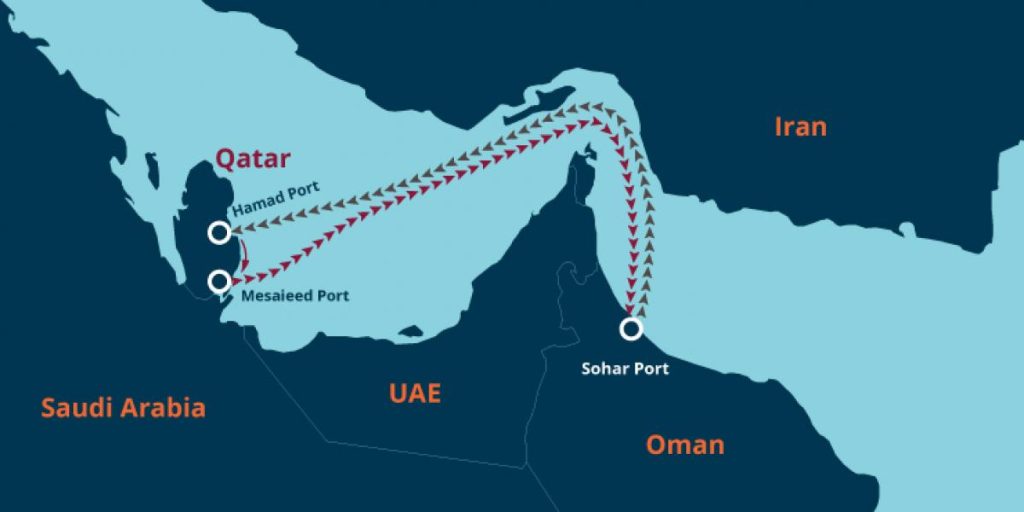
But the environment fights back. Summer temperatures in Muscat regularly exceed 45–50°C, with ground temperatures pushing even higher. Inland routes from ports like Muscat or Sohar to Nizwa or Salalah add hours of exposure. A minor delay or equipment glitch can spike rejection rates and trigger penalties.
Cold Chain Logistics in Oman
Government regulations now mandate temperature control throughout transport and storage. Violations lead to destroyed goods, fines, or import bans. In high-stakes B2B deals—supplying hotels, hypermarkets, or exporters—these failures aren’t just costly; they kill relationships.
Key drivers pushing cold chain demand in Oman:
- Food security initiatives requiring reliable fresh supply chains
- Retail and e-commerce boom demanding consistent quality
- GCC harmonization with stricter Codex Alimentarius and local standards
- Export ambitions for Omani seafood, dates, and processed foods
If you’re serious about scaling in this market, treat cold chain as core infrastructure—not an add-on.
The Brutal Realities: Top Challenges in Oman’s Perishable Food Cold Chain
Extreme heat isn’t the only hurdle. Here’s what I’ve seen repeatedly derail operations.
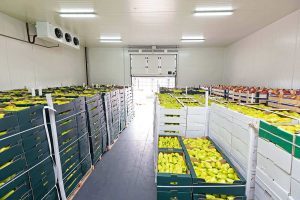
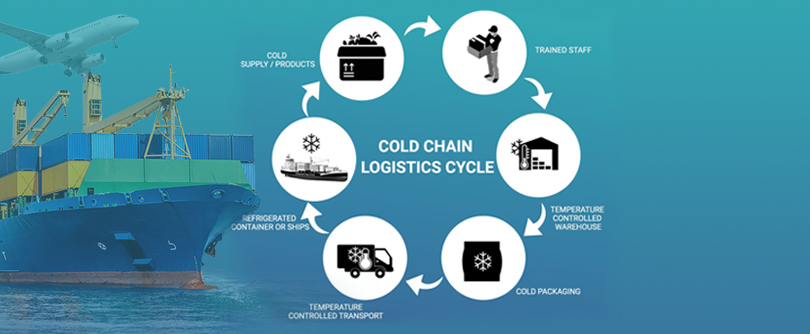
Top Challenges in Oman’s Perishable Food Cold Chain
1. Extreme Ambient Temperatures and Infrastructure Gaps
Muscat’s summer heat turns trailers into ovens without proper insulation and active cooling. Many older facilities lack modern refrigeration, especially outside major hubs. Rural last-mile delivery remains a weak link—limited reefer trucks and poor road networks in remote areas cause frequent breaks.
High energy costs compound the issue. Running reefers 24/7 in peak heat drives up electricity bills significantly. Fuel price volatility adds another layer of unpredictability.
2. High Operational Costs and Skilled Labor Shortages
Setting up comprehensive cold chain infrastructure demands heavy capital—estimates run around $200 million nationally for upgrades. For individual businesses, outfitting vehicles, warehouses, and monitoring tech eats into margins.
Finding trained technicians for reefer maintenance and temperature validation is tough. Downtime from breakdowns in remote areas can ruin entire loads.
3. Regulatory Compliance and Documentation Pressure
Oman’s Ministry of Agriculture, Fisheries and Water Resources (MAFWR) and Food Safety and Quality Center enforce strict rules. Imports/exports of perishables require health certificates, temperature logs, and prior permits for items like dairy, meat, and fresh produce.
Customs rejects non-compliant shipments at entry points. With electronic trackability gaining traction globally in 2026, proving unbroken chains via data logs is now expected.
4. Last-Mile and Port Handling Vulnerabilities
Even if goods arrive at Muscat Port in perfect condition, delays during customs or transloading expose them to heat. Long inland hauls without backup power increase spoilage risk.
E-commerce peaks create demand surges that overwhelm limited reefer capacity.
Building a Resilient Cold Chain: Step-by-Step Strategies That Actually Work
Here’s how top players keep goods intact and margins healthy.
Step 1: Select the Right Temperature Range and Equipment
Match equipment to product needs:
- Chilled (0–5°C) — Dairy, fresh vegetables, certain meats
- Frozen (-18°C or below) — Seafood, frozen poultry, ice cream
- Deep-frozen — Specialized exports like premium fish
Use reefer containers with reliable gensets for long hauls. Insulated thermal boxes for last-mile delivery are now mandatory in many cases.
Invest in multi-temp vehicles for mixed loads—saves costs without compromising safety.
Step 2: Implement Real-Time Monitoring and IoT Integration
Gone are the days of hoping the driver checks temps. In 2026, IoT sensors track temperature, humidity, and location every few minutes.
- Choose platforms with cloud logging and instant alerts
- Ensure data meets regulatory audit requirements
- Integrate with your TMS for end-to-end visibility
One client reduced spoilage claims by 40% after switching to continuous monitoring with automated reporting.
Step 3: Optimize Route Planning and Port Protocols
- Prioritize air freight for ultra-perishables (short transit minimizes risk)
- Use Salalah Port for southern routes—better facilities for seafood
- Schedule arrivals during cooler hours and pre-clear documentation
Partner with logistics providers offering dedicated cold chain slots at ports.
Step 4: Secure Reliable Warehousing and Backup Power
Look for Grade A facilities with:
- Backup generators
- Temperature-zoned storage
- Real-time environmental controls
New hubs in Khazaen near Muscat provide modern cold storage for FMCG players.
Inside Tendify: How Our AI Stops False-Positive Freezes in High-Risk B2B Deals
Step 5: Train Teams and Document Everything
Train drivers and warehouse staff on:
- Pre-trip inspections
- Emergency protocols
- Hygiene during loading/unloading
Maintain digital logs for every shipment—proves compliance during audits.
Comparison: Traditional vs. Modern Cold Chain Approaches in Oman
| أسبكت | Traditional Setup | Modern 2026 Setup | Impact on Your Margins |
|---|---|---|---|
| Temperature Monitoring | Manual checks every few hours | IoT real-time with alerts | Reduces spoilage 30–50% |
| Energy Efficiency | Standard reefers | Solar-assisted + high-efficiency units | Cuts costs 15–25% |
| Last-Mile Reliability | Basic insulated vans | Thermal boxes + GPS routing | Fewer rejections |
| Compliance Proof | Paper logs | Digital blockchain-trackable records | Faster customs clearance |
| Overall Cost per Load | Higher due to losses | Lower net after reduced waste | +10–20% profitability |
Future-Proofing Your Cold Chain for 2026 and Beyond
Stricter global regulations emphasize electronic trackability and provable thermal control. Oman aligns with GCC and Codex standards, so invest in systems that scale.

Future Proofing Your Cold Chain
Sustainability matters—energy-efficient tech and green refrigerants win contracts with eco-conscious buyers.
Digital platforms streamline partner discovery, real-time quotes, and secure payments—vital for coordinating multi-party chains.
Abraaj’s $14 Billion Crash: 7 Governance Mistakes Every Gulf Business Must Avoid in 2026
Ready to Strengthen Your Position in Oman’s Perishable Trade?
If you’re tired of losing loads to heat, delays, or compliance slips, it’s time to act.
At Tendify.net, we connect verified suppliers and buyers in food, agriculture, and logistics. Our platform helps you find reliable cold chain partners, compare real-time rates, and handle secure transactions—without the usual headaches.
Sign up today—list your products, post RFQs, or browse trusted partners ready for Oman’s demanding market. The best deals go to those who control the chain from farm to shelf.
Don’t let another summer melt your profits. Join thousands of traders building resilient supply chains on Tendify. Your next verified deal is waiting.