المدونة
Trading with ASEAN : Opportunities, Regulations, and Market Entry Strategies
The Association of Southeast Asian Nations (ASEAN) has emerged as one of the most dynamic and promising economic blocs in the global economy. Comprising ten member states with a combined population exceeding 680 million and a collective GDP approaching $4 trillion, ASEAN represents a significant opportunity for international businesses seeking growth, diversification, and access to emerging consumer markets. This comprehensive guide provides executives, compliance officers, and trade professionals with a clear, audit-ready roadmap for engaging with ASEAN markets while maintaining full regulatory compliance and operational resilience.
Trading with ASEAN
From understanding the bloc’s structure and economic potential to navigating regulatory frameworks, single-window systems, and sustainable supply-chain strategies, this document equips organizations with practical knowledge for successful market entry and long-term partnership development. All recommendations are designed to align with international trade law, FATF standards, Travel Rule obligations, and applicable sanctions compliance programs.
Key Economic Indicators & Trade Profiles within ASEAN
To design an effective market entry strategy, wholesale traders must understand the economic divergence across member states. Below is a targeted comparative analysis of key trading hubs based on recent macro data:
| البلد | Primary Import/Export Sectors | Ease of Doing Business Rank Hub | Digital Trade Infrastructure Status |
|---|---|---|---|
| سنغافورة | Electronics, Petrochemicals, Refined Petroleum | Global Top 3 (Very High) | Fully Automated (Networked Trade Platform) |
| Vietnam | Textiles, Consumer Electronics, Machinery | Rapidly Improving (High Growth) | Semi-Automated (Expanding Single Window) |
| Indonesia | Palm Oil, Mineral Fuels, Automotive Components | Moderate (Large Consumer Market) | Evolving (INSW Integration Active) |
| Malaysia | Semiconductors, Liquefied Natural Gas, Halal Goods | High (Established Hub) | Highly Digitized (Dagang Net Framework) |
ASEAN
Strategic Insight: ASEAN is not a single market but a diverse ecosystem of opportunities. Success depends on combining deep local understanding with robust, audit-ready compliance frameworks and technology-enabled supply-chain visibility.
1. Understanding ASEAN: Structure, Members, and Economic Significance
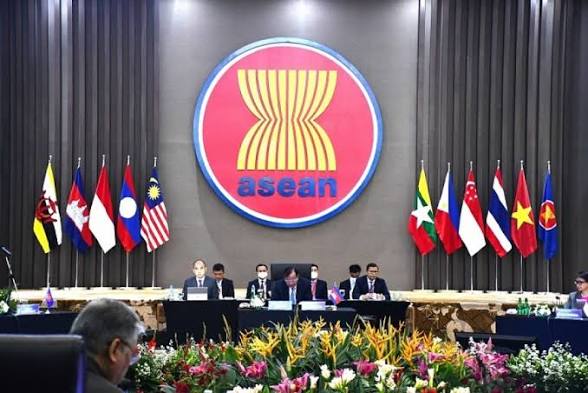
Founded in 1967, ASEAN today includes Brunei Darussalam, Cambodia, Indonesia, Laos, Malaysia, Myanmar, the Philippines, Singapore, Thailand, and Vietnam. The bloc operates on the principles of consensus, non-interference, and mutual respect for sovereignty while pursuing deeper economic integration through the ASEAN Economic Community (AEC).
The AEC aims to create a single market and production base characterized by free flow of goods, services, investment, and skilled labor. With a young, tech-savvy population and rapidly expanding middle class, ASEAN offers substantial consumer demand across sectors such as electronics, automotive, agriculture, healthcare, renewable energy, and digital services. The region’s strategic location between major shipping lanes further enhances its importance as a global logistics and manufacturing hub.
ASEAN: Structure, Members, and Economic Significance
For businesses considering regional entry, ASEAN presents both unified frameworks and significant country-specific variations. Successful engagement requires balancing bloc-wide initiatives with localized compliance and operational strategies. For related guidance on compliant nearshoring and friendshoring in high-growth markets, see our analysis in Friendshoring 2.0: Compliant Nearshoring Strategies for Manufacturers Targeting GCC and Emerging Markets.
2. Economic Potential and Key Growth Drivers
ASEAN’s economic momentum is driven by several structural factors: demographic dividend, rising urbanization, digital transformation, and increasing intra-regional trade. The region has consistently posted GDP growth rates above the global average, supported by strong manufacturing, services, and agriculture sectors.
Key opportunity sectors include:
- Electronics and semiconductor supply chains
- Automotive and electric vehicle components
- Renewable energy and green technology
- Healthcare, pharmaceuticals, and medical devices
- Digital economy and fintech services
- Agricultural technology and food processing
The ASEAN Comprehensive Investment Agreement (ACIA) and various free trade agreements with major economies provide enhanced market access and investment protections. For international traders and investors, these frameworks create predictable pathways for market entry while requiring adherence to local content rules, environmental standards, and labor regulations.
Businesses seeking resilient supply-chain options in Asia should also consider ASEAN as a strategic complement to existing routes. Practical strategies for route diversification are detailed in Compliant Trade Route Reengineering: Audit-Ready Alternatives to the Strait of Hormuz Crisis.
3. Regulatory Framework and Compliance Considerations
ASEAN operates through a combination of regional agreements and national regulations. Key frameworks include the ASEAN Trade in Goods Agreement (ATIGA), the ASEAN Single Window (ASW), and country-specific investment laws. While progress toward harmonization continues, businesses must navigate varying tariff schedules, customs procedures, and licensing requirements across member states.
Single-Window platforms in Singapore, Malaysia, Thailand, Indonesia, and Vietnam significantly reduce administrative burdens by allowing traders to submit documents once for multiple agencies. Integration with these platforms enhances efficiency and provides verifiable digital audit trails that support compliance with the Travel Rule and sanctions screening obligations.
For companies engaged in high-volume regional trade, understanding local content requirements, rules of origin, and environmental standards is essential. Compliance teams should maintain up-to-date mapping of regulatory changes and implement robust due diligence processes for all ASEAN counterparties. Additional guidance on digital trade platforms and payment mechanisms is available in Post-Traditional Sanctions Financial Mechanisms: Strategic Integration with CBDCs and Single-Window Platforms for Compliant Regional Settlements.
4. Market Entry Strategies for International Businesses
Successful entry into ASEAN requires a tailored, multi-layered approach. Recommended strategies include:
- Establishing a regional hub in Singapore or Malaysia for coordination and compliance management
- Forming joint ventures or strategic partnerships with local entities to navigate regulatory nuances
- Leveraging free trade zones and special economic zones for tax and logistical advantages
- Adopting digital tools for supply-chain visibility and automated compliance reporting
Technical contractors and equipment suppliers can find substantial opportunities in infrastructure, energy, and manufacturing modernization projects. For detailed strategies on participating in regional reconstruction and development, refer to Rebuilding Energy Infrastructure: Strategic Opportunities for Technical Contractors in Post-Ceasefire Reconstruction.
5. Risk Management and Audit-Ready Compliance Frameworks
Operating in ASEAN requires proactive risk management. Key areas include sanctions screening, anti-bribery and corruption controls, data protection compliance, and supply-chain due diligence. Organizations should implement the following safeguards:
- Continuous sanctions and adverse media screening for all counterparties
- Documented due diligence processes with clear escalation protocols
- Performance-based contracting and escrow mechanisms for high-value transactions
- Integration of Single-Window data into internal compliance dashboards
These measures not only satisfy regulatory expectations but also strengthen operational resilience and counterparty trust. For guidance on managing geopolitical and snapback risks in contract drafting, see Snapback Risk in the Iran-US-Israel Ceasefire: A Strategic Contract Management Guide for CEOs and Investors.
i
B2B Trade Experience: Navigating Rules of Origin & ATIGA Form D
Field Advice for Wholesalers: While the ASEAN Trade in Goods Agreement (ATIGA) theoretically slashes tariffs to 0-5% for intra-bloc trade, practical execution hinges entirely on the Rules of Origin (RoO) verification. Based on supply chain audits within the region, custom officials strictly enforce the Regional Value Content (RVC) threshold—which typically demands a minimum of 40% local content.
When routing B2B shipments through primary regional gateways, ensure that your local entity or logistics partner secures a verified Form D Certificate of Origin via the ASEAN Single Window (ASW). Failing to align the product descriptions on the commercial invoice exactly with the HS Code classifications designated on Form D is the number one operational bottleneck causing customs delays in ports like Port Klang or Haiphong.
90-Day Market Entry Checklist for ASEAN

90-Day Market Entry Checklist for ASEAN
Days 1–15: Deep Strategic Assessment & Market Mapping
Define Target ASEAN Markets and Priority Sectors: Conduct a granular macroeconomic analysis to segment the 10 ASEAN member states based on your product category. For electronics, machinery, and highly automated components, prioritize tier-1 digital hubs like Singapore and Malaysia. For labor-intensive manufacturing inputs, fast-moving consumer goods (FMCG), and agricultural commodities, evaluate the high-growth corridors of Vietnam, Indonesia, and Thailand.
Conduct Comprehensive Regulatory and Compliance Gap Analysis: Map your existing product specifications against the ASEAN Harmonised Tariff Nomenclature (AHTN). Identify non-tariff technical barriers to trade (TBT), specific import quotas, and mandatory localized certifications—such as the National Agency of Drug and Food Control (BPOM) regulations in Indonesia or JAKIM Halal compliance frameworks in Malaysia.
Assemble a Cross-Functional Market Entry Taskforce: Form an agile, multi-disciplinary governance team comprising international trade lawyers, technical SEO specialists for regional digital localization, supply chain logistics managers, and native compliance consultants. This team will own the risk register and manage sovereign regulatory friction from day one.
Days 16–45: Local Infrastructure Deployment & Strategic Partnership Engineering
Identify Local Partners and Establish Compliant Corporate Structures: Vet regional distributors, joint-venture partners, or local tier-1 wholesalers using strict corporate governance benchmarks. Determine the most tax-efficient operational entity for your business model, whether it involves establishing a representative office, a foreign-owned subsidiary, or leveraging localized free-trade zone (FTZ) warehouses like Singapore’s Jurong Port or Malaysia’s Port Klang Free Zone.
Integrate Digital Operations with Regional Single-Window Platforms: Connect your enterprise resource planning (ERP) systems and logistics software with the ASEAN Single Window (ASW) hub. Ensure your technical setup allows for the seamless electronic exchange of the cross-border ATIGA Form D (Certificate of Origin) and custom declarations to expedite cargo clearance across internal intra-bloc checkpoints.
Develop Audit-Ready Due Diligence and Screening Protocols: Implement rigorous Know Your Customer (KYC) and Know Your Business (KYB) automation. Establish screening mechanisms that cross-reference all regional vendors, maritime shipping lines, and ultimate beneficial owners (UBOs) against global sanctions lists, anti-money laundering (AML) frameworks, and FATF compliance watchlists.
Days 46–75: Controlled Pilot Transactions & Operational Validation
Execute Targeted, Low-Volume Pilot Transactions: Initiate small-scale, highly controlled commercial shipments through your designated ASEAN customs gateways. Use these test runs to evaluate the actual transit times, land-side logistics handling, and the responsiveness of your local clearing agents under real-world market conditions.
Validate End-to-End Compliance and Operational Workflows: Stress-test your supply chain documentation from the point of origin to the final destination warehouse. Document any unexpected friction points, such as manual customs inspections, delays in local bank currency conversions, or discrepancies raised by port officials regarding the Regional Value Content (RVC) math on your commercial invoices.
Refine Risk Management Frameworks Based on Live Operational Data: Update your corporate trade risk matrix with data points gathered during the pilot phase. Adjust your buffer stock protocols, optimize your foreign exchange (FX) hedging strategies to counter regional currency volatility, and fine-tune your logistics routing to bypass known trade chokepoints.
Days 76–90: Full-Scale Market Scaling & Institutional Governance
Aggressively Expand Operations to Target Wholesale Volumes: Transition from pilot mode to full commercial utilization. Increase your shipping frequencies and transaction volumes via established B2B marketplace platforms, leveraging optimized digital trade financing, bulk freight rates, and pre-cleared customs lanes.
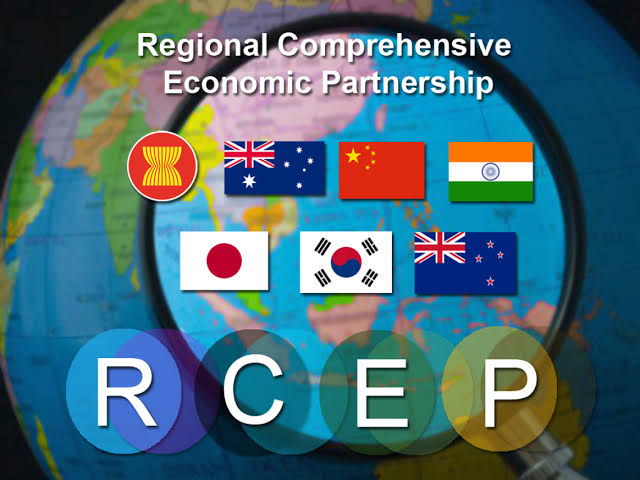
Establish Continuous Monitoring and Quarterly Compliance Reviews: Implement a permanent compliance steering committee to conduct structured quarterly reviews. Monitor evolving trade policies, changes in regional tariff schedules under mega-agreements like the Regional Comprehensive Economic Partnership (RCEP), and local regulatory updates from central banks regarding cross-border capital repatriation.
Prepare for Independent Third-Party Audits and Official Certification: Standardize all operational records, customs receipts, Form D filings, and tax declarations into an immutable, audit-ready document management system. Prepare your organization for formal ISO quality audits, Authorized Economic Operator (AEO) status applications, and international trade certification processes to cement long-term institutional credibility within the ASEAN business ecosystem.
Operational Blueprint for Regulated ASEAN Market Entry
For international corporate enterprises and wholesale distributors, market penetration must follow a structured risk-mitigated pathway:
Phase 1: HS Code Harmonization & Tariff Simulation
Cross-reference item specifications with the ASEAN Harmonised Tariff Nomenclature (AHTN). Verify if specific cross-border quotas apply to your product category.
Phase 2: Local Compliance Clearance & Halal Certification Mapping
Identify non-tariff technical barriers. For instance, entering consumer markets in Indonesia or Malaysia often demands strict compliance with regional Halal standards authorized by BPJPH or JAKIM.
Phase 3: Digital Escrow and Regional Banking Selection
Mitigate payment default and FX volatility by leveraging cross-border digital platforms or tier-1 clearing banks proficient in multi-currency trade accounts (SGD, USD, VND, IDR) complying with the local central bank mandates.
Conclusion: ASEAN as a Strategic Growth Platform
The Association of Southeast Asian Nations offers substantial long-term opportunities for international businesses willing to engage with disciplined, compliance-first strategies. By combining deep market understanding with robust regulatory adherence, audit-ready processes, and technology-enabled visibility, organizations can successfully navigate ASEAN’s diverse landscape while contributing to the region’s sustainable economic development.
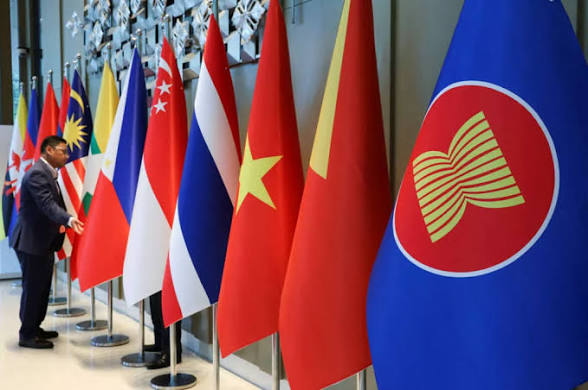
ASEAN as a Strategic Growth Platform
The green logistics revolution, digital trade platforms, and harmonization efforts underway across the bloc create a favorable environment for companies that prioritize transparency, resilience, and long-term partnership building. Those who invest in proper structures, local expertise, and integrated compliance systems today will be best positioned to thrive in ASEAN’s dynamic markets.
Platforms purpose-built for regulated international trade provide the operational infrastructure necessary to execute these strategies efficiently and compliantly. Entities seeking to strengthen their ASEAN engagement are encouraged to evaluate integrated solutions that combine commercial agility with full regulatory alignment.
Request a Confidential ASEAN Market Entry Assessment
Frequently Asked Questions: Trading with ASEAN
Get authoritative insights into the regulatory, logistical, and transactional frameworks governing corporate and wholesale trade within the ASEAN economic zone.