


وبلاگ
Suriname Trade Guide: Logistics, Oil & Gas, and Strategic Exports
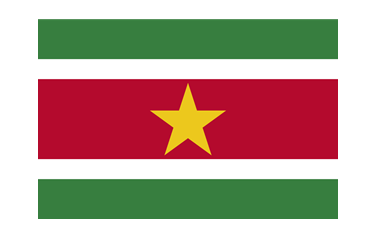
I’ve spent over two decades navigating volatile emerging markets, closing deals in ports where the infrastructure barely keeps up with ambition. I remember the early days in Guyana when the first major offshore finds turned a quiet corner of South America into a magnet for serious capital and construction. Suriname sits in almost the exact same position today.
Block 58, operated by TotalEnergies in partnership with APA Corporation, is moving from discovery to development. The GranMorgu project on the Sapakara and Krabdagu fields represents a $10.5 billion deepwater investment, with first oil targeted for 2028 and peak production around 220,000 barrels per day. Recoverable reserves are estimated above 750 million barrels, with the broader basin holding potential for billions more.
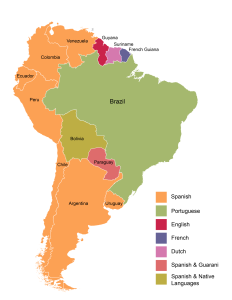
Suriname
This isn’t hype. It’s the kind of catalyst that creates immediate, multi-year demand for industrial inputs, logistics services, and construction materials—exactly the categories where experienced GCC-based exporters hold a decisive edge. As a full member of CARICOM, Suriname also serves as a strategic gateway into the broader Caribbean Single Market, offering preferential tariffs and access to a regional economy hungry for reliable supply chains.
If you’re exporting bitumen, cement and clinker, drilling equipment, or related EPC inputs, Suriname in 2026–2028 represents one of the most under-served high-growth opportunities in the Americas. Here’s the complete playbook.
Target Market: Suriname (Emerging Oil Hub)
Primary Project: $10.5B GranMorgu (Block 58)
High-Demand Commodities: Bitumen (VG30/40), Cement (Type V), API Pipes & Valves.
Strategic Advantage: Gateway to Northern Brazil & CARICOM.
CARICOM Trade Guide: How to Profit in the Caribbean Single Market
Why Suriname Is Following Guyana’s Playbook – The Oil & Gas Catalyst
Guyana’s Stabroek Block transformed the country’s economy. Suriname’s offshore acreage in the Guyana-Suriname basin shares the same prolific geology. TotalEnergies and partners have already made multiple discoveries in Block 58, and development drilling is ramping up in 2026. The GranMorgu FPSO project is advancing, with construction milestones underway and first oil on the horizon.

Suriname Is Following Guyana’s Playbook
This surge triggers cascading demand:
- Road and port infrastructure to connect coastal hubs with inland and offshore support bases.
- Industrial construction for processing facilities, worker housing, and service yards.
- Oilfield services and materials that meet stringent international HSE and API standards.
Major international operators impose high technical specifications. GCC exporters who already supply similar projects in the Middle East or other frontier markets are well-positioned—provided they can deliver consistent quality, documentation, and optimized logistics.

Guyana VS Suriname
The ripple effect extends beyond oil. Government revenues will fund broader national development, accelerating construction across housing, commercial projects, and coastal resilience works. That’s where sulfate-resistant cement (Type V) and high-spec bitumen (VG30/VG40) become mission-critical.
High-Margin Export Opportunities: Bitumen, Cement, and Oilfield Inputs

Suriname High-Margin Export Opportunities
1. Bitumen and Asphalt for Road Infrastructure
Offshore development requires robust onshore logistics. New access roads, heavy-haul routes to support bases, and port upgrades all demand large volumes of quality paving-grade bitumen. GCC producers, particularly those offering VG30 and VG40 grades suited to tropical and coastal conditions, have a natural advantage in consistency and competitive landed pricing compared to distant alternatives.
Focus on:
- Penetration-grade and viscosity-grade products meeting international road authority specs.
- Bulk and drum packaging optimized for feeder vessel handling.
- Long-term supply agreements tied to project phases (2026–2029 road-building wave).
2. Cement and Clinker – Especially Sulfate-Resistant Grades
Coastal and industrial construction in a humid, saline environment demands Type V (sulfate-resistant) cement and high-quality clinker. The surge in FPSO-related fabrication, platform support facilities, and general building creates sustained offtake potential.
Key advantages for GCC suppliers:
- Proven track record supplying similar harsh-environment projects.
- Ability to bundle clinker with technical support on mix designs.
- Competitive edge over traditional distant suppliers once transshipment logistics are optimized.
3. Drilling Equipment, Pipes, Valves, and EPC Inputs
Operators like TotalEnergies require API-grade materials, corrosion-resistant piping, heavy-duty lubricants, and specialized equipment. While Tier-1 suppliers will compete aggressively, there is room for reliable secondary and tertiary suppliers who can move quickly on smaller or urgent orders—especially those who master the documentation and compliance game.

Suriname Oil
Additional opportunities include construction aggregates, safety equipment, and warehousing solutions for just-in-time delivery to Paramaribo and project sites.
Logistics Deep Dive: Mastering the Route to Paramaribo
Here’s where many exporters stumble. The Port of Paramaribo has draft limitations (typically around 7–7.2 meters in key areas, with river siltation challenges common in the region). Large deep-sea vessels often cannot call directly, making transshipment via regional hubs essential.
Suriname Trade Guide
Common efficient routing in 2026:
- Load at Jebel Ali (or other GCC ports) on mother vessels.
- Transship at established Caribbean hubs such as Kingston (Jamaica), Caucedo (Dominican Republic), or Port of Spain (Trinidad).
- Feed via smaller feeder vessels or multipurpose ships into Paramaribo.
This multi-leg journey increases the importance of:
- Precise container optimization to maximize payload while respecting weight and stability limits on feeder legs.
- Robust packaging and moisture protection for long sea voyages in tropical conditions.
- Accurate lead-time planning to avoid demurrage or project delays.
Demurrage and detention risks are real in smaller ports. Experienced players build buffers and use digital tools for real-time visibility.
Local Content Strategic Note:
To truly win in Suriname’s energy sector, GCC exporters must navigate the Local Content Policy. Prioritizing partnerships with registered Surinamese firms or establishing a local presence can significantly enhance your ranking in procurement audits by TotalEnergies and other major operators.
Packaging & Environmental Compliance:
Given Suriname’s proximity to the Amazon rainforest, the Port of Paramaribo enforces strict ISPM 15 standards for all wooden packaging. To avoid costly quarantine delays, we recommend utilizing plastic pallets or ensured heat-treated timber for all heavy-duty consignments, particularly for bitumen drums and cement bags.
Technical and Compliance Challenges – And How to Overcome Them
HSE and Quality Standards: International oil companies enforce rigorous requirements. Ensure your materials come with full traceability, third-party certifications (API, ASTM, ISO), and Material Safety Data Sheets aligned with project specs. Corrosion resistance and performance in humid/saline conditions are non-negotiable.
Language and Legal Nuances: Suriname is the only Dutch-speaking country in South America, but English dominates international business. Contracts often blend civil law influences with practical Caribbean trade practices. Work with experienced legal counsel familiar with both CARICOM frameworks and international trade terms. Clear Incoterms selection (typically CFR or CIF for these routes) and strong force majeure clauses are essential.
Customs and CARICOM Advantages: As a CARICOM member, Suriname participates in the Caribbean Single Market. While your GCC-origin goods enter as third-country imports, positioning Suriname as a regional distribution node can unlock downstream opportunities across other member states with preferential treatment for intra-CARICOM movement.
Payment and Trade Finance: In a frontier market, traditional LCs confirmed by reputable banks (European or UAE intermediaries) provide necessary security. Escrow platforms and structured trade finance are gaining traction as the market matures. Build relationships early—trust still moves at the speed of relationships in these environments.
Mitigating Currency Volatility (SRD vs. Hard Currencies)
The Surinamese Dollar (SRD) has historically shown significant volatility. To safeguard your margins, it is standard practice to denominate all export contracts and long-term supply agreements in USD یا Euro. Furthermore, we strongly advise utilizing currency hedging tools and ensuring that your payment terms account for potential fluctuations during the 60-day transit period. Maintaining liquidity in hard currency is essential for seamless operations within the Surinamese market.
Trading with ASEAN : Opportunities, Regulations, and Market Entry Strategies
The Tendify Edge: Tools Built for Complex Frontier Trades
Calculating true landed cost into Paramaribo—including transshipment fees, feeder rates, duties under CARICOM rules, and local handling—can make or break margins. That’s why I always recommend running scenarios through a dedicated landed cost calculator before quoting.
Equally critical on long routes with multiple handoffs is container optimization. Our 3D Container Optimizer helps maximize every cubic meter and ton, directly reducing cost per unit and minimizing wasted space on feeder vessels. When you’re dealing with bitumen drums, bagged or bulk cement, or mixed industrial consignments, these small efficiencies compound into serious competitive advantage.
Head over to Platform.Tendify.net and test the tools yourself. Exporters who use them consistently tell me they catch costly miscalculations that would have otherwise eroded profits on marginal routes. In a market like Suriname, where every dollar of landed cost matters, this operational edge separates the professionals from the rest.
Step-by-Step Execution Framework for 2026 Success
- اعتبارسنجی بازار: Monitor GranMorgu project updates and related tender announcements. Engage local partners or agents in Paramaribo who understand both oil sector needs and general construction demand.
- Product Alignment: Audit your inventory against API, ASTM, and project-specific requirements. Prepare technical data packages in advance.
- Logistics Mapping: Model multiple transshipment scenarios. Factor in seasonal weather (hurricane season impacts) and port congestion patterns.
- Compliance Setup: Secure necessary certifications and familiarize yourself with Surinamese import documentation. Leverage CARICOM rules where possible for any regional re-distribution.
- Financial Structuring: Line up confirmed LC capacity or alternative secure payment mechanisms. Build in buffers for currency and lead-time risks.
- ایجاد رابطه: Attend relevant industry events or use targeted B2B platforms to connect with project stakeholders, contractors, and importers.
- Pilot Shipments: Start with smaller, high-confidence consignments to prove reliability before scaling.
- Continuous Optimization: Use digital tools for tracking, cost analysis, and container planning on every voyage.
The Multimodal Link: Suriname as a Gateway to Northern Brazil
It is a strategic mistake to view Suriname as a market of only 600,000 people. The government is actively developing road and infrastructure projects aimed at connecting the Port of Paramaribo to the landlocked northern states of Brazil (such as Amazonas and Roraima). By establishing a logistics foothold in Suriname, GCC exporters are positioning themselves to supply the massive industrial and consumer demands of Northern Brazil via a shorter, multimodal route, bypassing the congested southern Brazilian ports.
Risks Worth Respecting
Like any frontier market, Suriname carries execution risks: regulatory evolution around local content, potential infrastructure bottlenecks, and the usual challenges of project timelines slipping. Currency volatility and banking delays can also surface. Mitigate by diversifying initial exposure, maintaining strong documentation, and building flexible supply agreements.
The reward? Early movers who establish reliable supply chains today will capture premium positioning as the oil boom accelerates and related infrastructure spending multiplies.
Final Thoughts from the Field
I’ve watched too many exporters wait for “perfect” conditions and miss entire market cycles. Suriname in 2026 is not perfect—it’s emerging, demanding, and full of friction. But that’s precisely where experienced operators create lasting value and superior margins.
The window is opening now. The infrastructure build-out tied to Block 58 and GranMorgu will not wait for hesitant suppliers. Those who combine high-spec GCC-origin materials with smart logistics, precise cost modeling, and professional execution will secure strong footholds in this next chapter of the Guyana-Suriname basin story.
Ready to explore the numbers for your specific products into Paramaribo?
Visit Platform.Tendify.net today. Run your landed cost scenarios, optimize your container loads, and see exactly where the opportunities—and the efficiencies—lie. The serious players are already modeling these routes. The question is whether you’ll be supplying the projects that define Suriname’s next decade, or watching from the sidelines.
The data is clear. The demand is building. The tools are ready.
Now it’s your move.
Ready to turn Suriname’s oil-driven growth into your next high-margin export stream? Sign up free at Tendify.net and access the full suite of trade intelligence and optimization tools that give professional exporters the edge in frontier markets. Your first optimized shipment could be the start of a long, profitable relationship. Don’t leave money on the table—start building your Suriname playbook today.

