


وبلاگ
Building a Digitally Driven Import and Export Business: Tools, Strategies, and Real-World Insights for 2026
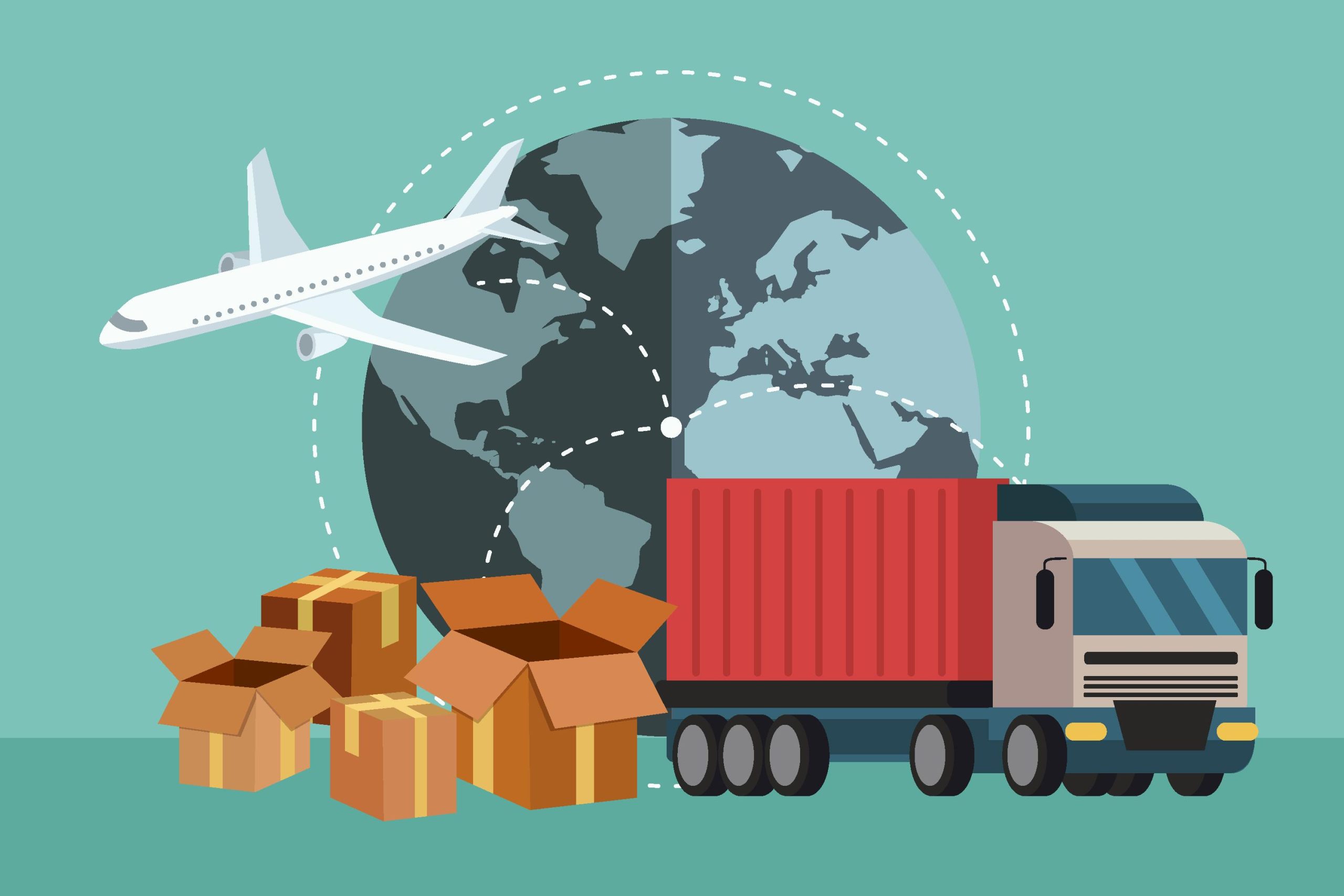
International trade is undergoing a fundamental transformation. Import and export businesses are no longer competing solely on price or access to suppliers. Instead, success in global markets increasingly depends on operational intelligence, speed, compliance accuracy, and the ability to adapt to constant change.
In 2025, companies involved in import and export must operate across complex supply chains, multiple regulatory frameworks, volatile currencies, and demanding customers. Traditional manual workflows and disconnected systems are no longer sufficient. This article provides practical import and export advice by explaining how digital tools and data-driven strategies enable trade businesses to reduce risk, improve efficiency, and scale globally with confidence.
The New Reality of Import and Export Operations

Digital Tools Every Import and Export Business Needs to Scale Globally in 2025
Modern import and export businesses operate in a highly interconnected environment. Each transaction involves a network of stakeholders, including suppliers, logistics providers, customs authorities, banks, insurers, and buyers across different countries.
Key operational challenges include:
Managing large volumes of trade documentation
Ensuring compliance with country-specific regulations
Coordinating shipments across multiple logistics partners
Handling delayed payments and currency exposure
Maintaining visibility across inventory and orders
As trade volumes grow, these challenges increase in both scale and complexity. Businesses that fail to modernize often experience rising costs, frequent delays, and increased operational risk.
Why Digital Infrastructure Is No Longer Optional in Global Trade
Digital infrastructure provides the foundation for consistent and scalable import and export operations. Rather than relying on individual knowledge and manual coordination, digital systems embed processes, rules, and data into daily workflows.
Digitally enabled trade businesses benefit from:
Standardized operations across regions
Centralized access to critical data
Faster response to disruptions and market changes
Reduced dependency on individual employees
Companies that invest early in digital infrastructure gain a competitive advantage that compounds over time.
Core Digital Capabilities Every Import and Export Business Needs
1. Trade Documentation and Process Automation
Documentation errors remain one of the most common causes of shipment delays, penalties, and customer dissatisfaction. Digital trade management systems automate document creation and validation, reducing reliance on manual entry.
Key features typically include:
Automated generation of invoices, packing lists, and shipping documents
Validation of mandatory trade fields
Centralized document storage
Faster response to audits and inspections
User Experience Example:
A mid-sized agricultural exporter shipping to multiple regions struggled with inconsistent document formats across offices. After implementing a centralized trade documentation platform, the company reduced clearance delays and improved coordination between sales, logistics, and finance teams.
2. Supplier and Partner Management Platforms
Suppliers are a critical risk factor in import and export operations. Late deliveries, quality issues, or communication breakdowns can disrupt entire supply chains.
Digital supplier management platforms help businesses:
Track supplier performance metrics
Store contracts and compliance records
Centralize communication history
Identify alternative suppliers proactively
User Experience Example:
An industrial components importer working with manufacturers in three countries adopted a supplier performance platform. Data-driven insights revealed recurring delays from a key supplier, enabling the company to diversify sourcing and reduce operational risk.
3. Logistics Coordination and Shipment Visibility Systems
Logistics represents one of the largest cost centers in global trade. Shipment visibility tools provide real-time tracking and predictive insights that improve planning and customer communication.
These systems typically offer:
Real-time tracking across carriers
Automated alerts for delays or disruptions
Integration with freight forwarders
Performance analytics for logistics partners
User Experience Example:
A heavy equipment exporter serving customers in Africa implemented a shipment visibility system that provided customers with direct access to tracking information. This reduced inbound support requests and improved overall customer trust.
4. Inventory Optimization and Demand Forecasting Tools
Import and export businesses face unique inventory challenges due to long lead times and demand variability. Poor inventory planning can tie up capital or result in missed sales opportunities.
Digital inventory tools help companies:
Forecast demand using historical and seasonal data
Align procurement with confirmed orders
Reduce excess stock and stockouts
Improve cash flow predictability
User Experience Example:
A consumer goods importer supplying regional distributors used demand forecasting software to align imports with sales trends. As a result, inventory turnover improved and working capital was redirected toward market expansion.
5. Financial Control and Cross-Border Payment Management
Financial complexity increases significantly in international trade. Currency fluctuations, delayed payments, and reconciliation issues can strain cash flow and increase risk.
Digital financial tools support:
Multi-currency invoicing
Payment tracking and reconciliation
Integration with accounting systems
Improved visibility into cash flow and exposure
For many trade businesses, improved financial transparency directly strengthens relationships with partners and lenders.
6. CRM Systems for Managing Global Buyer Relationships
Long-term relationships are the foundation of successful import and export businesses. CRM systems designed for B2B trade help manage complex sales cycles and distributor networks.
CRM tools enable companies to:
Track negotiations and contracts
Manage distributor and buyer relationships
Ensure consistent follow-up
Identify upselling and cross-selling opportunities
User Experience Example:
A specialty chemicals exporter implemented a CRM system to manage distributors across multiple regions. Sales teams gained better visibility into regional performance and improved coordination with logistics and finance departments.
7. Data Analytics and Business Intelligence for Trade Decisions
Many import and export businesses generate large volumes of data but lack the tools to analyze it effectively. Business intelligence platforms consolidate data across systems to provide actionable insights.
They enable:
KPI monitoring across operations
Cost and margin analysis
Supplier and carrier performance evaluation
Scenario planning and forecasting
Data-driven companies are better equipped to identify inefficiencies and respond proactively to risk.
Managing Risk Through Digital Systems

Risk is inherent in global trade, but digital systems significantly reduce uncertainty. By improving visibility and control, digital tools help businesses manage risks related to compliance, logistics, finance, and suppliers.
Key risk-reduction benefits include:
Improved compliance accuracy
Faster response to disruptions
Enhanced supplier diversification
Better financial oversight
While no system can eliminate risk entirely, digital maturity greatly improves resilience.
Common Pitfalls in Digital Adoption for Import and Export Businesses
Despite clear benefits, many companies struggle to achieve expected outcomes due to poor implementation strategies.
Common mistakes include:
Selecting tools without clear objectives
Ignoring training and change management
Implementing disconnected systems
Expecting immediate results without process changes
Successful digital transformation requires planning, alignment, and continuous improvement.
Creating a Digital Roadmap for Sustainable Trade Growth
Rather than adopting tools randomly, import and export businesses should develop a clear digital roadmap.
A practical roadmap includes:
Identifying operational bottlenecks
Prioritizing high-impact processes
Selecting scalable solutions
Measuring results and adjusting strategy
Starting with pilot implementations often leads to better long-term outcomes.
Long-Term Competitive Advantage of Digital Trade Operations
Digitally mature import and export businesses are better positioned to:
Enter new markets faster
Respond to regulatory changes efficiently
Build resilient supply chains
Improve profitability and predictability
Over time, digital capabilities become a strategic asset rather than a cost.
Final Thoughts
The future of global trade belongs to businesses that combine market knowledge with digital intelligence. Import and export companies that invest in the right tools and strategies today are building a foundation for sustainable growth in an increasingly complex world.
Manual processes and fragmented systems limit scalability and increase risk. Digital solutions create clarity, control, and confidence across global operations.
Call to Action: Register and Start Building a Smarter Import and Export Operation
If you are actively involved in import or export and want to reduce risk, improve efficiency, and scale internationally, the next step is simple.
Register on our platform today to access digital trade tools, expert import and export advice, and practical resources designed for global business growth.
Creating an account takes only a few minutes and gives you ongoing access to insights that support smarter decisions and long-term success in international trade.

