وبلاگ
AI Is Rewriting B2B Pricing – And Buyers Are Fighting Back
Dynamic Pricing Sensitivity in B2B Marketplaces: How AI Is Reshaping Buyer-Seller Behavior
In B2B marketplaces, pricing is no longer a static decision made once per quarter. Powered by artificial intelligence and real-time data streams, dynamic pricing algorithms continuously adjust prices based on demand fluctuations, inventory levels, competitor behavior, buyer history, and external market signals. This shift has fundamentally altered the strategic interaction between buyers and sellers, creating new patterns of sensitivity, anticipation, and game-theoretic behavior that traditional economic models struggle to explain.

AI Is Rewriting B2B Pricing
This strategic analysis explores the sensitivity of B2B buyers and sellers to dynamic pricing algorithms. It examines how AI-driven price optimization changes purchasing behavior, negotiation dynamics, inventory management, and long-term relationship structures. Written for MBA students, marketing strategists, and platform operators, the guide provides both theoretical foundations and practical implications for designing, implementing, and responding to dynamic pricing systems in B2B environments.
Core Strategic Insight: In B2B marketplaces, dynamic pricing does not merely optimize revenue — it reshapes the entire strategic landscape. Buyers learn to anticipate, game, and sometimes resist algorithmic pricing, while sellers must balance short-term optimization with long-term relationship value. Understanding this evolving behavioral equilibrium is critical for building sustainable, trusted B2B platforms.
The Evolution from Static to Dynamic Pricing in B2B Markets
Historically, B2B pricing relied on fixed catalogs, negotiated contracts, and periodic adjustments. Prices were relatively stable, and both buyers and sellers operated with a degree of predictability. The introduction of sophisticated AI algorithms has dismantled this stability. Modern B2B platforms now adjust prices hundreds or thousands of times per day based on real-time signals including:
- Current demand and supply imbalances
- Competitor pricing movements
- Buyer-specific purchase history and predicted willingness to pay
- Inventory levels and carrying costs
- External factors such as commodity prices, currency fluctuations, and geopolitical events
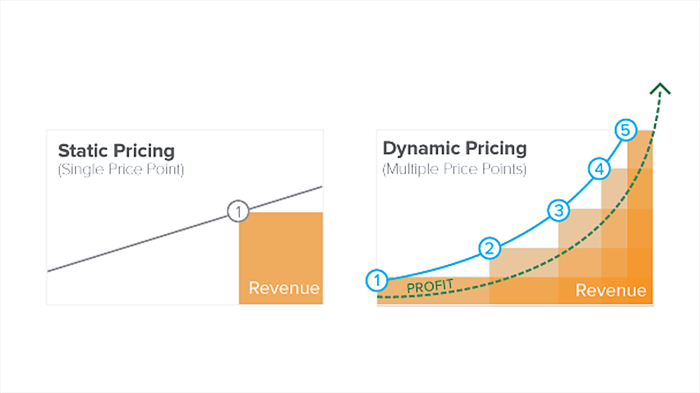
Static to Dynamic Pricing in B2B Markets
This transition from static to dynamic pricing has created a more fluid and responsive market environment, but it has also introduced new behavioral complexities. Buyers no longer face a single posted price; they encounter a pricing environment that changes in response to their own behavior and the behavior of others. This creates a strategic game in which both sides continuously adapt their tactics. For a broader view of strategic behavior in high-stakes negotiations, see Quantum Game Theory Meets Generative AI: The New Frontier of Strategic Trade Negotiations.
Theoretical Foundations: Behavioral Economics Meets Algorithmic Pricing
Dynamic pricing in B2B marketplaces sits at the intersection of several disciplines: microeconomics, behavioral economics, game theory, and computer science. Traditional economic theory assumes rational actors with stable preferences. In reality, B2B buyers exhibit a range of behavioral responses when confronted with frequently changing prices:
- Strategic Waiting: Buyers may delay purchases in anticipation of lower future prices.
- Price Anchoring Effects: The first price a buyer sees often serves as a psychological anchor for subsequent evaluations.
- Fairness Perceptions: Buyers may perceive rapid price changes as unfair, damaging long-term trust.
- Learning and Adaptation: Over time, sophisticated buyers learn to game the algorithm by altering order timing, quantities, or bundling strategies.
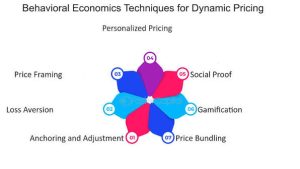
Behavioral Economics Meets Algorithmic Pricing
Sellers, meanwhile, must balance short-term revenue optimization against long-term relationship value. Aggressive dynamic pricing can maximize immediate margins but may erode buyer loyalty and encourage multi-homing behavior (buyers spreading purchases across multiple platforms). The optimal strategy often lies in a sophisticated balance between exploration (testing new prices) and exploitation (maximizing known profitable prices). For related strategic contract considerations in uncertain environments, refer to Snapback Risk in the Iran-US-Israel Ceasefire: A Strategic Contract Management Guide for CEOs and Investors.
How AI Algorithms Actually Set Dynamic Prices in B2B Marketplaces
In today’s AI B2B pricing systems, platforms combine supervised learning, reinforcement learning (RL), and contextual bandit algorithms to adjust prices in real time. The process is far more sophisticated than simple rule-based adjustments.
Core Stages of AI-Driven Dynamic Pricing
- Data Ingestion Layer: The system ingests thousands of signals per second — real-time demand, inventory levels, competitor prices, buyer purchase history, macroeconomic indicators, and even weather or geopolitical events affecting supply chains.
- Demand and Price Elasticity Estimation: Deep learning models predict individual or segment-level willingness-to-pay (WTP) and price elasticity. For example, a large manufacturing buyer may show low elasticity for critical components but high elasticity for commodity raw materials.
- Optimization Engine: Reinforcement learning agents solve multi-objective optimization problems that balance immediate revenue, gross margin, inventory turnover, and long-term buyer lifetime value.
- Exploration vs Exploitation: Multi-armed bandit or Thompson sampling mechanisms continuously test new price points without sacrificing too much short-term revenue.
- Feedback Loop & Continuous Learning: Every accepted or rejected quote feeds back into the model, allowing it to adapt within hours rather than weeks.
Advanced platforms now use multi-agent reinforcement learning, where the pricing agent competes against simulated buyer agents. This helps prevent destructive price wars and algorithmic collusion risks while maximizing platform ecosystem value.
Real-world example: A major industrial marketplace saw a 18% revenue uplift after implementing RL-based dynamic pricing, but only after adding constraints to protect strategic long-term contracts.
Related: Quantum Game Theory Meets Generative AI in Strategic Trade Negotiations
Buyer Behavior Under Dynamic Pricing: Empirical Patterns
Research and real-world platform data reveal several consistent behavioral patterns among B2B buyers facing dynamic pricing:
- Threshold Sensitivity: Buyers often exhibit strong reactions when prices cross specific psychological or budgetary thresholds.
- Timing Sophistication: Larger buyers increasingly time their purchases to exploit predictable patterns in pricing algorithms.
- Relationship vs. Transactional Buying: Some buyers prioritize stable long-term relationships over chasing the lowest momentary price, while others adopt purely transactional strategies.
- Multi-Homing Behavior: As dynamic pricing becomes widespread, buyers are more likely to maintain accounts on multiple platforms to arbitrage price differences.
Understanding these behavioral responses allows platform operators to design pricing algorithms that are both revenue-efficient and relationship-preserving. Overly aggressive optimization can trigger defensive buyer strategies that ultimately reduce platform liquidity and long-term value.
Seller Strategy in an Algorithmic Pricing Environment
Sellers in B2B marketplaces face their own strategic dilemmas under dynamic pricing:
- Signal Management: Sellers must carefully manage the signals they send to pricing algorithms through their own bidding and inventory behavior.
- Differentiation: In a world of algorithmic price competition, non-price factors (quality, reliability, service levels, brand reputation) become even more important for maintaining margins.
- Algorithmic Collusion Risk: When multiple sellers use similar AI pricing tools, there is a risk of unintentional coordinated pricing behavior that may attract regulatory scrutiny.
Successful sellers combine sophisticated internal pricing intelligence with strong relationship management and value-added services that transcend pure price competition. For deeper insight into strategic behavior in complex negotiations, see ASEAN DIGITAL ECONOMY 2030.
Implementation Challenges and Best Practices for B2B Platforms
Implementing effective dynamic pricing in B2B marketplaces involves several practical challenges:
- Balancing revenue optimization with ecosystem health and long-term buyer retention
- Ensuring algorithmic transparency and explainability for both internal audit and potential regulatory review
- Preventing unintentional algorithmic collusion or discriminatory pricing
- Maintaining human oversight and intervention capabilities for exceptional cases
Leading platforms address these challenges through hybrid approaches that combine powerful AI optimization with clear governance rules, regular human review of pricing outcomes, and transparent communication with both buyers and sellers about how pricing decisions are made.
Conclusion: Toward Responsible Algorithmic Pricing in B2B Markets
Dynamic pricing powered by artificial intelligence is fundamentally transforming B2B marketplaces. While offering powerful tools for matching supply and demand more efficiently, it also creates new behavioral complexities and strategic challenges for both buyers and sellers. The most successful platforms will be those that harness the power of AI while maintaining fairness, transparency, and long-term relationship value.
The future of B2B commerce lies not in pure algorithmic optimization, but in the thoughtful integration of advanced technology with human judgment and ethical governance. Platforms that achieve this balance will build deeper trust, greater liquidity, and more sustainable competitive advantage in an increasingly sophisticated digital marketplace.
As these technologies continue to evolve, organizations that invest in responsible implementation, continuous learning, and transparent governance will be best positioned to thrive in the new era of algorithmic B2B trade.