وبلاگ
India’s New Bitumen Quality Standards 2026: Why Your Shipments Are Getting Stuck (And How to Unblock Them)
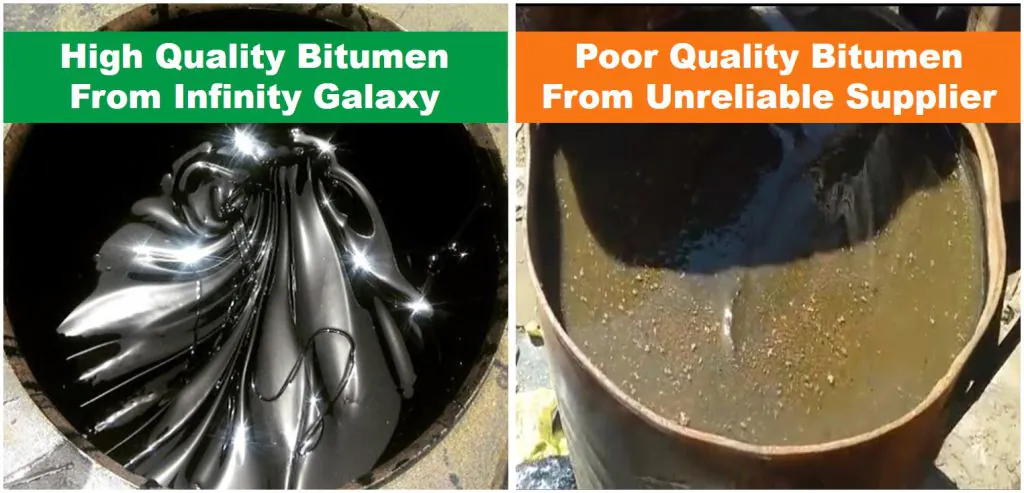
I’ve lost count of how many shipments I’ve seen held up at Indian ports over the last few years—entire containers of paving-grade bitumen sitting idle while paperwork gets scrutinized, tests rerun, or certifications questioned. One deal in particular still stings: a bulk VG-40 cargo from a reliable refinery, priced competitively, rejected not because of quality specs failing lab tests, but because the documentation didn’t align perfectly with the latest Bureau of Indian Standards (BIS) expectations. Margins evaporated overnight, relationships strained, and we had to pivot to spot alternatives at a premium.

India’s New Bitumen Quality Standards
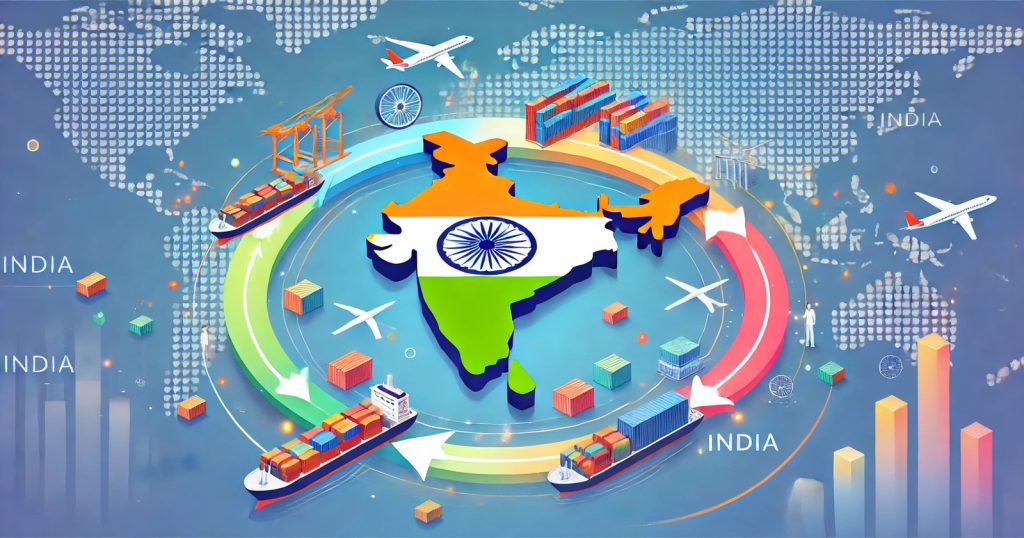
That’s the reality exporters face in 2026. India’s road infrastructure boom—fueled by massive highway expansions and urban projects—drives huge demand for imported bitumen. Consumption hovered around 8.7-9 million tonnes in recent years, with imports filling roughly half the gap since domestic refineries prioritize other products. Yet the government has tightened quality controls to protect local producers, ensure pavement durability, and reduce substandard imports that cause premature road failures.
The confusion hits hardest around BIS certification requirements for imported bitumen, the push for compliance with Indian Standards (IS) like IS 73 for paving bitumen, and whether “BIS-alternative” paths—such as equivalent international certifications or test data reciprocity—still hold water. This guide draws from real-world shipments, official notifications, and hard-learned lessons to give you a clear, actionable roadmap. We’ll cover why standards tightened, what exactly applies in 2026, how to comply without delays, and smart ways to mitigate risks.
Why India’s Bitumen Import Rules Got Tougher in 2026
India’s infrastructure push is relentless—thousands of kilometers of new highways, rural roads, and urban resurfacing every year. Bitumen (also called asphalt binder) is the glue holding it together, with viscosity grades like VG-10, VG-30, ، و VG-40 dominating demand.
But quality matters. Poor-grade bitumen leads to rutting, cracking, and expensive repairs. The government responded with Quality Control Orders (QCOs) under the BIS framework, making compliance mandatory for many petroleum products and related items.

India’s Bitumen Import Rules
Recent years saw flux: Some chemicals and polymers had QCOs revoked in late 2025 to ease supply chains, but construction essentials like paving bitumen remain under scrutiny. The core standard—IS 73:2013 (Paving Bitumen — Specification, with amendments)—sets penetration, softening point, viscosity, ductility, and flash point requirements for different grades.
For imports, non-compliance means customs rejection, detention charges, or forced re-export. In 2026, with global supply chains still adjusting to post-pandemic shifts and oil price volatility, getting this wrong can cost 10-20% of your deal value in delays alone.
From my experience, the biggest pain points aren’t the specs themselves—they’re traceable and testable—but proving compliance upfront, especially for foreign suppliers without local presence.
Understanding BIS Certification for Bitumen Imports
The Bureau of Indian Standards (BIS) enforces mandatory certification via the ISI Mark under Scheme-I for listed products. While pure paving bitumen (the binder itself) isn’t always listed as requiring full BIS license like electronics or steel, related items and end-use enforcement create de facto requirements.
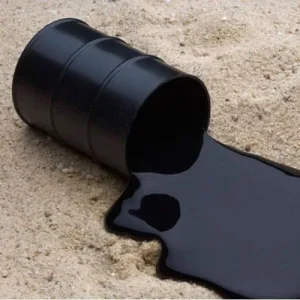
BIS Certification for Bitumen Imports
Key points for 2026:
- Paving Bitumen (IS 73): Importers must demonstrate conformity. Many shipments undergo third-party testing at Indian labs upon arrival. BIS can demand certification if classified under QCOs or ministry directives.
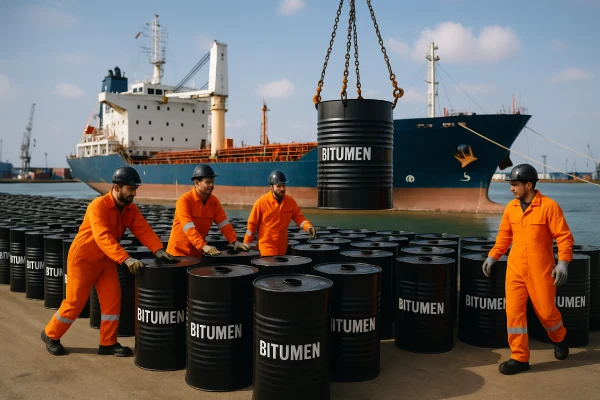
- Bitumen Drums/Packaging (IS 3575:1993): Mandatory BIS certification for steel drums used in bitumen transport. Foreign manufacturers exporting drums need BIS approval; bulk shipments in tankers avoid this but face scrutiny on product quality.
- No Broad Revocation for Bitumen: Unlike some petrochemicals (e.g., certain polymers revoked in Nov 2025), bitumen-related standards remain enforced to safeguard road quality.
Foreign suppliers typically use the Foreign Manufacturers Certification Scheme (FMCS), appointing an Authorized Indian Representative (AIR) for applications, factory audits, and ongoing surveillance.
Steps to Obtain BIS Certification (or Equivalent Compliance)
- Confirm Applicability — Check the latest BIS product list and upcoming QCOs on bis.gov.in. For paving bitumen, focus on IS 73 compliance via test reports.
- Appoint an AIR — A local entity handles submissions (mandatory for foreign applicants).
- Submit Documentation — Product specs, test reports from accredited labs (ISO 17025), manufacturing process details, and quality manual.
- Factory Audit & Testing — BIS or recognized agency inspects your plant; samples tested in India.
- Grant of License — If passed, you get the ISI Mark license (valid 1-2 years, with surveillance).
- Marking & Declaration — Products must carry the ISI logo or conformity declaration.
Timeline: 4-8 months for full certification; faster if using recognized test data.
Costs vary—application fees, audit travel, testing—but expect $10,000–$30,000+ initially, plus annual renewals.
BIS-Alternative Certifications: What Still Works in 2026
Full BIS licensing takes time and money, so exporters often ask: Can I use international certifications as alternatives?
BIS-Alternative Certifications
The short answer: Partially, but not as a complete substitute.
- Equivalent Standards Recognition: BIS accepts test reports aligned with IS 73 from accredited labs if they match parameters (e.g., ASTM D946 or EN 12591 data cross-referenced). Many Middle Eastern and Asian refineries provide dual-spec certificates.
- Third-Party Certification Bodies: Reports from ILAC-accredited labs (e.g., SGS, Bureau Veritas) carry weight at customs for initial clearance.
- Mutual Recognition Agreements: Limited; India recognizes some foreign bodies under IECEE or similar, but not broadly for bitumen.
- Self-Declaration + Testing: For non-mandatory items, importers test at arrival (NABL labs) and clear if compliant—no full BIS needed upfront.
In practice, for high-volume bulk imports (tankers), customs often clears based on:
- Manufacturer COA (Certificate of Analysis)
- Bill of Lading specs matching IS 73 grades
- Pre-shipment inspection reports
But if flagged (random or complaint-based), full BIS scrutiny kicks in.
The smartest play: Aim for dual compliance—produce to IS 73 specs and hold supporting international certs. This minimizes detention risk while buying time for full BIS if volumes justify it.
Practical Strategies to Navigate Compliance Without Major Delays
Here’s what actually works on the ground:
1. Pre-Shipment Preparation
- Test every batch against IS 73 parameters at origin (use labs familiar with Indian methods).
- Include detailed COA showing penetration (e.g., 60-70 for VG-30), softening point (>47°C), etc.
- Pack documentation tightly: MSDS, packing list, origin cert, and conformity declaration.
2. Partner with Experienced Importers
Choose buyers with PWD empanelment or refinery ties—they handle customs nuances better.
3. Use Third-Party Inspections
Pre-shipment surveys by SGS or Intertek add credibility and catch issues early.
4. Bulk vs Packaged
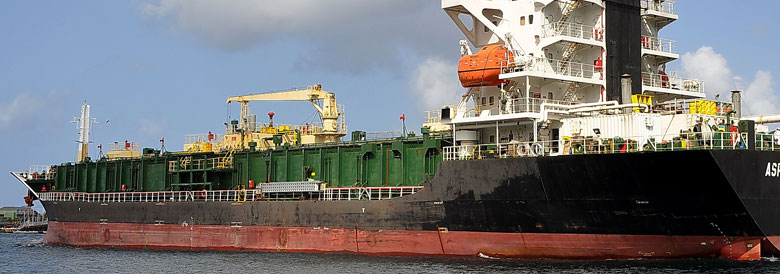
Prefer tanker shipments over drums to sidestep IS 3575 drum certification headaches.
5. Monitor Updates
BIS site and ministry gazettes change fast—subscribe to alerts. In 2026, watch for any new QCOs on petroleum bitumen amid sustainability pushes (e.g., bio-bitumen blends emerging).
Comparison: BIS Full vs Alternative Paths
| رویکرد | Time to Compliance | Cost Range | سطح ریسک | بهترین برای |
|---|---|---|---|---|
| Full BIS FMCS License | 4-8 months | High ($15k+) | کم | High-volume, long-term |
| Accredited Test Reports + COA | 2-6 weeks prep | متوسط | متوسط | Medium shipments |
| On-Arrival Testing | Immediate shipment | کم | بالا | Trial/one-off loads |
| Dual Spec Production | Ongoing | Medium (testing) | Low-Medium | Most exporters in 2026 |
Real-World Lessons from Recent Shipments
One exporter switched to full IS 73 alignment after two detentions; third shipment cleared in days. Another used ASTM-equivalent reports but added Indian-lab cross-verification—saved weeks.
Avoid the trap of assuming “international standard = accepted.” Customs prioritizes local specs.
For related trade risks, review our guide on What Is Under and Over Invoicing?—common pitfalls in commodity declarations. If handling high-risk payments, see Trading with Russia? Do This Critical Check Before Sending Money or Signing Contracts for due diligence parallels.
India’s bitumen market offers massive opportunity in 2026—steady demand, infrastructure funding—but only for those who treat compliance as non-negotiable.
Ready to secure your next shipment without the headaches? همین امروز در Tendify.net ثبت نام کنید. Connect with vetted Indian buyers, access real-time market insights, and build partnerships that turn regulatory hurdles into smooth trade flows. Sign up now—your margins depend on it.