وبلاگ
Rupee + Dirham = Millions Saved for Indian Traders

I’ve spent the last 15 years building and scaling export businesses across the Middle East, and if there’s one lesson that keeps hitting home, it’s this: currency friction kills margins faster than any customs delay or freight spike. Back in the early days, every deal with UAE buyers meant watching 2–4% vanish into forex conversion fees, dollar wire charges, and exchange rate volatility. For small and medium exporters in India—especially those shipping FMCG, machinery, textiles, or agri-products—that pain was real and constant.
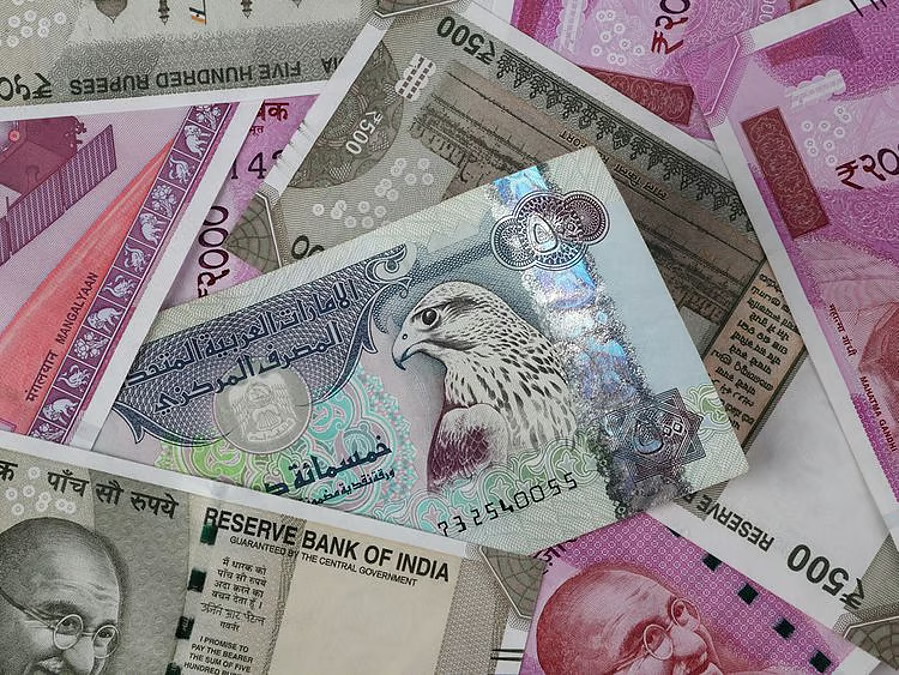
Fast-forward to 2026, and the game has changed dramatically. The Local Currency Settlement (LCS) framework between India and the UAE, combined with Special Rupee Vostro Accounts (SRVAs) and the push for direct rupee-dirham transactions, is letting Indian SMEs settle trade in INR and AED without touching the US dollar. The result? Lower costs, faster payments, less exposure to dollar swings, and a competitive edge that many are only now starting to exploit.
If you’re an Indian exporter tired of losing money on every UAE shipment, or a UAE importer looking to cut transaction overhead, this is the shift you’ve been waiting for. Here’s the full 2026 breakdown—why it’s happening, how it actually works, the real savings, and the practical steps to start using it today.
Why Indian Jewelers Are Flocking to DMCC in 2026
Why the Dollar Is Losing Ground in India-UAE Trade
Bilateral trade between India and the UAE crossed $100 billion in recent fiscal years, with India exporting over $36 billion worth of goods (everything from rice and spices to engineering products and pharmaceuticals) and importing crude, chemicals, and more. The UAE remains India’s third-largest trading partner overall.

Yet until recently, almost every transaction ran through the dollar:
- Indian exporter invoices in USD
- UAE buyer pays in USD via SWIFT
- Banks on both sides apply conversion fees + nostro/vostro charges
- RBI tracks every dollar movement under strict forex rules
That system worked when volumes were smaller and dollar liquidity was endless. But post-2022, with global supply chain shocks, rising US interest rates, and geopolitical pressures on dollar corridors, both governments decided enough was enough.
In July 2023, the Reserve Bank of India (RBI) and Central Bank of the UAE signed an MoU to establish a Local Currency Settlement System. This wasn’t just symbolic—actual crude oil trades started settling in INR/AED shortly after, and by 2025–2026 the mechanism expanded to cover non-oil trade as well.
Key drivers behind the push:
- Cost reduction: Average transaction cost for Indian exporters to the UAE hovered around 2% (forex + wire fees). Local currency settlement can shave that down significantly.
- Risk hedging: Rupee and dirham volatility against each other is far lower than either against the dollar, especially since AED is pegged to USD.
- Faster settlement: No third-currency conversion delays; payments move directly between correspondent banks.
- Strategic diversification: Both nations want to reduce dependence on dollar corridors amid global de-dollarization conversations (BRICS+, bilateral swaps, etc.).
Statistics from recent reports show the momentum: non-oil trade targets hit $100 billion by 2030 under CEPA, and local currency usage is one of the biggest enablers.
Turkey–UAE Polymer Arbitrage: Profit from 2026 Price Swings
How Vostro & Nostro Accounts Make Dollar Bypass Possible
This is where the mechanics get interesting—and where most people get confused.
Traditional nostro/vostro setup:
- Nostro = “our account with you” (Indian bank’s USD account in a UAE/US bank)
- Vostro = “your account with us” (UAE bank’s USD account in an Indian bank)
To bypass the dollar entirely, the RBI introduced Special Rupee Vostro Accounts (SRVAs) in 2022, later simplified in 2025 with no prior approval needed for opening.
Here’s how it works in practice for India-UAE trade:
- A UAE bank opens an SRVA with an Indian bank (e.g., SBI, HDFC, or ICICI).
- The UAE importer deposits AED into their local bank.
- The UAE bank converts AED to INR (using direct INR-AED rates, no USD cross-rate needed) and credits the SRVA.
- The Indian exporter receives payment directly in INR to their account.
- Surplus INR in the SRVA can even be invested in short-term Indian government securities (another RBI relaxation in recent years).
From the exporter’s perspective:
- Invoice in INR (or agree on AED equivalent using daily RBI reference rates).
- Get paid in INR without forex conversion loss.
- Avoid SWIFT fees tied to dollar corridors.
Real-world savings example (based on 2026 typical SME trade):
- Deal value: $50,000 equivalent shipment of spices/food products.
- Traditional (USD route): ~$800–$1,200 lost to forex spread (1–2%) + wire fees ($50–$100 each side) + overnight FX exposure.
- Rupee-Dirham route: ~$200–$400 total cost (mostly local transfer fees), often 60–75% cheaper.
For a business doing 20–30 containers a year to Dubai or Abu Dhabi, that’s easily $10,000–$25,000 saved annually—pure bottom-line profit.
UAE & Saudi Arabia in BRICS+: The New Trade Routes Every GCC Exporter Must Know in 2026
Step-by-Step: How Indian SMEs Can Start Using Rupee-Dirham Settlement Today
Don’t wait for your bank to pitch this—most still default to dollar mode. Take the initiative.

Indian SMEs Can Start Using Rupee-Dirham
Step 1: Confirm eligibility and readiness
- Your business must be an exporter with IEC code and regular UAE shipments.
- Check if your Indian bank offers SRVA-linked correspondent relationships with UAE banks (major ones like Emirates NBD, First Abu Dhabi Bank, and Mashreq participate via the LCS framework).
- Ensure your UAE buyer is open to invoicing in INR or AED (many already are, especially after CEPA reviews in 2025).
Step 2: Invoice smartly
- Quote in INR using RBI’s daily reference rate for AED-INR (published on RBI site).
- Or quote in AED and let the buyer pay via their bank’s direct conversion.
- Include a clause: “Settlement under India-UAE Local Currency Settlement Mechanism preferred.”
Step 3: Coordinate with banks
- Ask your Indian bank to confirm SRVA availability with the buyer’s UAE bank.
- If not set up, the buyer can request their bank to open/link one—no prior RBI approval needed post-2025 simplification.
- Use UPI-AANI linkage (already progressing) for smaller transactions or RuPay-Jaywan card networks for even micro-payments.
Step 4: Execute and track
- Once payment hits your INR account, reconcile instantly—no waiting for dollar clearing.
- Monitor for any minor spread (usually <0.5% vs. 1.5–2% in dollar route).
Common pitfalls to avoid
- Not specifying local currency in the contract → buyer defaults to USD.
- Using non-participating banks → falls back to dollar.
- Ignoring GST implications on forex savings (still treated as export proceeds).
Inside Tendify: How Our AI Stops False-Positive Freezes in High-Risk B2B Deals
Real Savings and Competitive Edge in 2026
Beyond direct cost cuts, the shift delivers hidden wins:
- Cash flow improvement: Payments settle 1–3 days faster without dollar intermediaries.
- Better pricing power: Offer 1–2% lower quotes to UAE buyers knowing you save on the backend.
- Risk reduction: Less exposure to dollar spikes (especially relevant in volatile 2026 geopolitics).
- مقیاسپذیری: Easier to win repeat orders from price-sensitive GCC wholesalers.

UAE Transactions
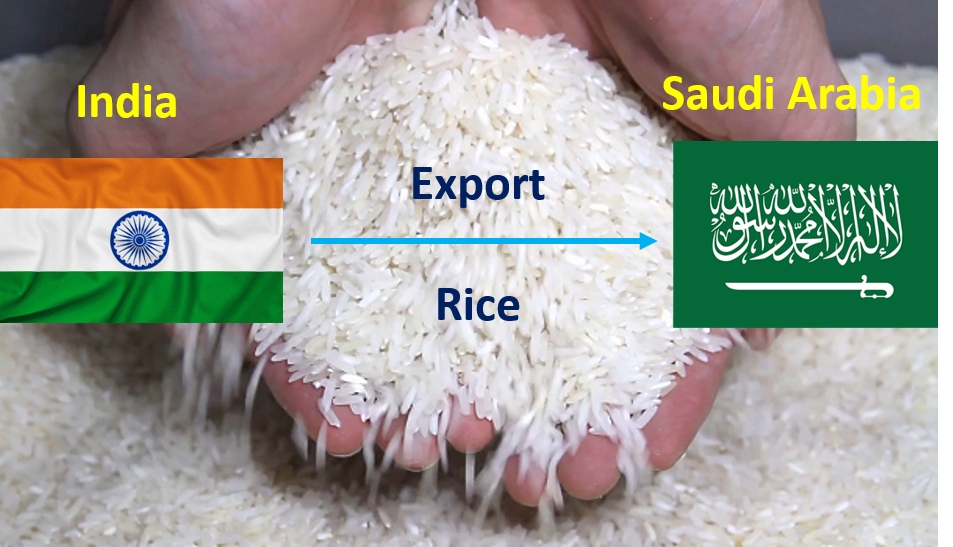
One client I worked with—a mid-sized Indian rice exporter—switched 70% of UAE volume to INR settlement in late 2025. They reported 1.8% net margin improvement and closed two new distributor deals because their landed cost was suddenly more attractive than competitors still on dollar terms.
Looking Ahead: The Bigger Picture for Gulf Trade
The rupee-dirham mechanism is part of a broader trend—UAE’s digital dirham pilots, BRICS+ integration, and India’s push for rupee internationalization. For Indian SMEs, it’s no longer a “nice-to-have.” In 2026, sticking to dollar-only trade is starting to feel like leaving money on the table.
If you’re serious about growing in the UAE market, the time to adapt is now.
Ready to cut your transaction costs and make every UAE deal more profitable? Join Tendify today—post your products, connect directly with verified UAE buyers already open to local currency settlement, and start trading smarter. Registration takes under 60 seconds, and our platform is built exactly for exporters like you who want secure, direct, middleman-free deals.
Join Tendify Now and Start Connecting with UAE Buyers
You’ve read this far—don’t let currency friction hold your business back any longer. Let’s build that next level of growth together.