وبلاگ
Karachi Port Tariff Freeze: What It Means for GCC & Regional B2B Traders in 2026

In the cutthroat world of international trade, every rupee shaved off port fees can mean the difference between a profitable deal and one that barely breaks even. After years of watching margins get squeezed by rising operational costs, volatile freight rates, and unpredictable port charges, the recent decision to freeze a proposed 5% tariff hike at Karachi Port Trust (KPT) feels like a much-needed breath of fresh air for B2B traders across the region.

Karachi Port Tariff Freeze
This move, announced by Pakistan’s Maritime Affairs Minister, halts the planned increase for the 2026-27 fiscal year and delivers an estimated relief of over 500 million Pakistani rupees to importers, exporters, shipping lines, and the broader logistics ecosystem. For those of us running cross-border operations—whether sourcing from South Asia, routing through GCC hubs, or managing transshipment flows—this isn’t just bureaucratic fine print. It’s a tangible shift that can reshape cost structures, improve cash flow, and open new arbitrage opportunities in one of the region’s busiest trade corridors.
In this comprehensive guide, I’ll break down exactly what this Karachi Port tariff freeze means in practice, why it matters for global traders in 2026, the deeper strategic implications for supply chains, and—most importantly—actionable steps you can take right now to turn this relief into a competitive edge. Drawing from real-world experience navigating these waters, we’ll explore how to optimize your routes, update your budgeting models, and position your business for stronger margins without relying on guesswork.
Pakistani Ports vs Jebel Ali: The 2026 Trade Shift
Understanding the Karachi Port Tariff Freeze: The Details Behind the Decision
Karachi Port stands as Pakistan’s primary gateway for seaborne trade, handling a massive share of the country’s imports and exports. With over 2,000 ships calling in recent years and high traffic volumes, even small adjustments in tariffs ripple through entire value chains.

Karachi Port
The proposed 5% increase was intended for the new fiscal year but faced pushback from industry stakeholders. By suspending it, authorities aim to stabilize costs, reduce the burden on businesses already grappling with global headwinds like fluctuating fuel prices and supply chain disruptions, and keep the port competitive against regional rivals.
🗓️
Crucial Timeline for Traders: The July 1st Milestone
When planning your logistics budget, precision is everything. It’s important to note that Pakistan’s fiscal year does not align with the standard calendar year. The 2026-27 fiscal year officially begins on July 1, 2026, and runs through June 30, 2027.
Actionable Takeaway: This means the tariff freeze guarantees stabilized rates starting exactly on July 1st. If you are currently booking shipments, negotiating Q3/Q4 freight contracts, or calculating landed costs for the upcoming months, you can safely lock in current KPT rates without anticipating a mid-summer spike.
🔍 The Inside Context: Why Did the Government Back Down?
For anyone familiar with Pakistan’s economic landscape, a tariff freeze is highly unusual. Grappling with fiscal deficits and pressure to maximize state revenue, authorities typically lean toward increasing taxes and port fees. So, why the sudden retreat on this 5% hike?
Behind the scenes, this decision points to two harsh realities: intense pushback from powerful export lobbies (especially the textile and rice sectors) and growing anxiety over shifting cargo volumes. With regional competitors aggressively offering incentives, a tariff hike at Karachi Port right now risked driving transshipment and transit cargo elsewhere. By freezing the rates, the government is making a calculated play to protect its export competitiveness and prevent a slowdown in port traffic—a clear signal that trade volume preservation currently outweighs immediate revenue generation.
Key Impacts at a Glance:
- Direct Savings: Over Rs500 million in avoided additional charges across vessel operations, cargo handling, storage, and related services.
- Affected Stakeholders: Importers of raw materials and consumer goods, exporters of bulk commodities (think textiles, rice, leather, and more), freight forwarders, and shipping companies.
- Broader Economic Signal: It underscores a focus on supporting trade activity amid efforts to boost Pakistan’s role in regional logistics, including potential transshipment growth.
This isn’t an isolated event. It follows earlier reforms like significant cuts in port charges for dry bulk exports and incentives for transshipment, signaling a longer-term push toward more trader-friendly policies.
For B2B players, predictability in port costs is gold. When fees spike unexpectedly, it cascades into higher demurrage risks, revised Incoterms negotiations, and squeezed supplier margins. Freezing the hike buys time and breathing room to plan more effectively.
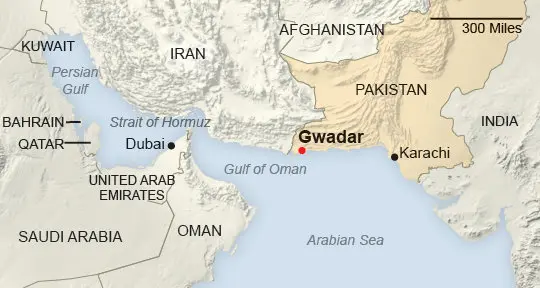
⚓ What About Other Major Pakistani Ports? KPT vs. Port Qasim & Gwadar
While the spotlight is currently on the Karachi Port Trust (KPT) and its 5% tariff freeze, regional traders immediately face a critical question: Does this cost relief apply to neighboring Port Qasim or the deep-sea Gwadar Port?
The short answer is خیر. This specific tariff suspension is exclusively a KPT initiative. Port Qasim (managed by a separate authority) operates under a distinct regulatory structure and has not yet announced a matching freeze, though they often face market pressure to align with KPT to remain competitive. Meanwhile, Gwadar Port continues to operate under its own specialized economic zone incentives, primarily targeting deep-sea transit and CPEC corridors rather than general commercial freight.
This policy divergence creates a vital decision point for your supply chain. KPT’s stabilized rates now make it highly attractive for general containers and breakbulk cargo in 2026. However, if your shipments involve specialized bulk (like LNG, chemicals, or coal) or require bypassing Karachi’s heavy city congestion, Port Qasim might still justify its standard rates. Always run a comparative multi-port landed cost analysis before finalizing your logistics strategy.
Why This Matters for GCC and Regional B2B Traders in 2026
If your operations touch the GCC-Iran-Pakistan corridor, the Indian Ocean trade routes, or involve re-exports via UAE or Saudi hubs, Karachi’s role as a cost-effective alternative or complementary port becomes even more relevant. Lower or stabilized fees here can influence overall landed costs for goods moving between South Asia and the Middle East.
📊 Breaking Down the Micro-Impact: What It Saves You Per Shipment
Aggregate figures like Rs 500 million sound impressive, but what does this mean for your actual baseline? Let’s look at a practical scenario for a standard B2B shipment routing through KPT:
- For Containerized Cargo (FCL): If your average port handling, terminal charges, and documentation fees at KPT hover around $350 to $500 per 20ft container (TEU), the frozen 5% hike prevents an immediate, unbudgeted addition of $18 to $25 per container. For a standard 50-container contract, that is up to $1,250 kept directly in your margin.
- For Bulk Commodities (Bitumen, Cement, Minerals): In bulk logistics, where margins are notoriously razor-thin and calculated per metric ton (MT), avoiding a 5% increase in port loading and wharfage fees translates to a saving of roughly $0.40 to $0.80 per ton. On a modest 5,000 MT vessel, you are looking at preventing $2,000 to $4,000 in bottom-line leakage.
The Takeaway: In high-volume B2B trading, these avoided costs directly protect your arbitrage gaps. It allows you to maintain your current pricing models for regional buyers without having to pass down hidden logistics surcharges.
🌐 Strategic Corridor Focus: Impact on Key GCC-Pakistan Commodities
While bulk industrial goods like cement and bitumen are heavily impacted by port tariffs, the GCC-Pakistan trade corridor relies deeply on two major high-volume sectors. Stabilizing KPT fees directly secures the margins for these critical commodity flows in 2026:
Pakistan imports vast volumes of polypropylene, polyethylene, and organic chemicals from industrial hubs like Saudi Arabia (SABIC) and the UAE (Borouge). Because these raw materials feed Pakistan’s local manufacturing, keeping inbound port handling fees frozen helps regional exporters maintain competitive, predictable landed quotes for Pakistani industrial buyers.
Karachi Port is the primary exit point for Pakistan’s massive agricultural exports to the Middle East, particularly Basmati rice, fresh meat, and fruits bound for Jebel Ali (UAE), Muscat (Oman), and Doha (Qatar). In food logistics, where supply chain speed and cost predictability dictate market share, this tariff freeze prevents sudden price bumps on supermarket shelves across the Gulf.
Pakistan Exhibitions 2026 – Interactive Calendar: Your Complete Guide
Real-World Cost Dynamics:
- Demurrage and Detention Savings: Stabilized tariffs help control ancillary fees that often balloon during congestion. Traders moving containers or bulk cargo can better forecast total logistics spend.
- Competitive Edge vs. Other Hubs: With ports like Jebel Ali or those in Oman and Qatar offering their own incentives, this freeze helps Karachi remain attractive for certain cargo types, potentially enabling smarter multi-port routing strategies.
- Impact on Bulk and Breakbulk: For commodities like bitumen, cement, grains, or machinery—common in regional trade—this directly affects end-to-end budgeting.
From my experience, when port costs drop or stabilize, savvy operators don’t just pocket the savings—they reinvest them into better inventory positioning, stronger supplier relationships, or exploring new markets. This decision creates a window for exactly that kind of proactive adjustment.
Strategic Implications: Beyond Immediate Savings
This tariff freeze isn’t just about today’s invoice—it reshapes risk and opportunity in your supply chain playbook.
1. Enhanced Predictability in Volatile Markets
Global trade faces constant pressure from geopolitical shifts, currency fluctuations, and regulatory changes. Stable port fees reduce one variable, allowing you to model scenarios more accurately. Use this to lock in better freight contracts or negotiate favorable payment terms with partners.
2. Opportunities for Arbitrage and Route Optimization
With Karachi maintaining lower relative costs, consider it for transshipment or as a feeder port. Cross-reference with tools like world trade tariff calculators or container optimization software to identify sweet spots where routing via Karachi beats direct shipments in total cost or time.
3. Supply Chain Resilience
Lower costs can free up capital for diversification—perhaps adding redundancy in sourcing or investing in digital tracking. In high-volume corridors linking to GCC reconstruction projects or infrastructure booms, this relief supports scaling without proportional cost increases.
4. ESG and Sustainability Angle
Many recent port reforms tie into climate goals, such as supporting low-emission operations. Stabilized fees might encourage greener shipping practices, which align with growing buyer demands in GCC and European markets for compliant, sustainable logistics.
Actionable Steps: How to Leverage the Karachi Port Tariff Freeze in Your Operations
Don’t treat this as passive news—turn it into a strategic advantage with these practical moves.
Step 1: Audit Your Current and Planned Shipments
- Review all contracts involving Pakistani ports or nearby routes.
- Recalculate landed costs using the frozen tariffs. Factor in potential savings on handling, storage, and vessel-related charges.
- Identify high-volume SKUs where the relief has the biggest impact (e.g., bulk commodities).
Step 2: Update Financial and Budget Models
- Revise your export/import cost calculators to reflect the new reality.
- Build sensitivity analyses: What if congestion eases further? What if competing ports adjust their fees?
- Tools within platforms like Tendify can help simulate these scenarios quickly.
Step 3: Renegotiate with Partners
- Reach out to freight forwarders and shipping lines. Highlight the tariff stability to push for better rates or volume discounts.
- For buyers in GCC, use this as leverage in discussions about Incoterms—perhaps shifting toward terms that maximize the port savings.
Step 4: Optimize Logistics Routing
- Explore multimodal options: Karachi as entry point for overland or feeder connections to other regional destinations.
- Monitor demurrage vs. detention policies closely—stabilized base fees often correlate with smoother operations and fewer penalties.
- Use HS code finders and tariff tools to ensure compliance while maximizing exemptions or lower-duty classifications.
Step 5: Monitor and Adapt Long-Term
- Stay updated on KPT developments and regional port policies. Policies can shift, but early movers gain the edge.
- Integrate real-time market pulse data into your decision-making for predictive rather than reactive strategies.
Here’s a quick comparison table for context on port cost considerations:
| جنبه | Pre-Freeze Scenario | Post-Freeze (2026-27) | Potential Trader Benefit |
|---|---|---|---|
| Tariff Increase | +5% planned | Frozen at 0% | Direct savings on volume shipments |
| Demurrage Risk | Higher due to cost pressure | More stable operations | Reduced unexpected fees |
| Competitiveness | Pressure from regional hubs | Improved positioning | Better for bulk/transshipment cargo |
| Cash Flow Impact | Tighter margins | Relief > Rs500M aggregate | Reinvestment into growth initiatives |
چالشهای رایج و چگونگی غلبه بر آنها
Even with good news like this, execution matters. Traders often face:
- Congestion Persistence: Savings on tariffs won’t help if turnaround times lag. Solution: Prioritize carriers with strong performance at KPT and use digital tools for real-time tracking.
- Documentation and Compliance: Ensure all paperwork aligns with current rules to avoid delays that negate fee benefits. Checklists for export documentation are essential here.
- Currency and Hedging: Rupee fluctuations can offset port savings. Build robust hedging strategies into your contracts.
- Supply Chain Visibility: Fragmented data leads to missed opportunities. Centralized platforms help connect the dots across tariffs, logistics, and compliance.
By addressing these head-on, you transform a policy win into operational excellence.
Integrating Technology and Tools for Maximum Advantage
In today’s trade environment, manual processes are a liability. Leverage AI-driven market analysis, CRM for partner management, and specialized calculators for duties, containers, and costs. These help quantify the exact impact of the tariff freeze on your specific lanes and automate alerts for further policy shifts.
For instance, exploring route intelligence or arbitrage hunters can reveal how this Karachi development fits into broader Gulf and South Asian strategies. The key is using data to move faster than competitors.
Case Studies: Real Traders Benefiting from Port Cost Stability
While specifics vary, consider operators in textiles or agri-exports who, during similar relief periods, expanded volumes by 15-25% by passing partial savings to buyers while protecting margins. Others rerouted partial shipments to balance loads across ports, reducing overall risk.
In infrastructure-related bulk trades (cement, steel, machinery), stable fees support competitive bidding on GCC projects by keeping logistics quotes tight.
Looking Ahead: The Bigger Picture for 2026 Trade Corridors
This freeze aligns with Pakistan’s ambitions to enhance its maritime sector, attract more transshipment, and support export-led growth. For regional players, it reinforces the importance of agile, multi-hub strategies—never putting all volume through one port.
Combined with exhibitions calendars, free zone setups, and digital tools for contracts and compliance, it creates a fertile ground for expansion. Those who adapt quickest will capture the most value.
Final Thoughts and Next Steps
The Karachi Port tariff freeze delivers immediate financial relief and a strategic window for smarter operations. By auditing routes, updating models, renegotiating terms, and embracing technology, you can amplify these benefits far beyond the headline savings.
For traders serious about turning policy shifts like this into sustained advantage, having the right operating system makes all the difference. Head over to Platform.Tendify.Net to explore the command center—whether it’s AI market pulse for real-time insights, duty calculators, contract builders, or logistics optimizers. It’s built precisely for scenarios like this, helping you stay ahead in dynamic markets.
What does this tariff decision mean for your upcoming shipments? Review your current routes today and identify quick wins. The market waits for no one—those who act decisively on opportunities like this are the ones building lasting success in global trade.
Ready to streamline your operations and capture more value from corridors like Karachi? Sign up at Tendify.net and access the full suite of trade tools designed for real-world B2B efficiency.