


Blog
Unstoppable Confidence: Psychological Tactics for Closing High-Value Global Contracts
In the high-stakes world of international sales and contract negotiations, projecting strength isn’t about intimidation—it’s about commanding respect, building unbreakable trust, and closing deals that propel your business forward. I’ve sat across from executives in boardrooms from Asia to Europe, turning potential walkaways into multimillion-dollar partnerships. If you’re tired of leaving money on the table or feeling outmatched by seasoned negotiators, this guide is your blueprint. We’ll dive deep into proven strategies to appear stronger in international contract meetings, boost confidence in global sales negotiations, and dominate cross-border deal discussions with authority. By the end, you’ll have actionable steps to transform your presence and results.

Why Projecting Strength Matters in International Negotiations
International sales and contract negotiations aren’t just transactions—they’re battles of perception. A weak handshake or hesitant response can cost you leverage, while unshakeable confidence signals reliability and value. According to a Harvard Business Review study, negotiators who exude confidence secure 12-20% better terms on average. Why? Because strength builds E-A-T in business dealings: Expertise, Authoritativeness, and Trustworthiness.
I’ve learned this the hard way. Early in my career, I entered a contract meeting with a major supplier unprepared on cultural nuances—resulting in concessions I regretted for years. Today, after closing deals worth over $50 million globally, I know that appearing stronger in cross-border sales meetings stems from preparation, psychology, and execution. It’s not bluffing; it’s strategic positioning.

Advanced Strategic Preparation: The Foundation of Confidence
Confidence in international sales isn’t just about posture; it’s about informational asymmetry. To appear stronger, you must possess a deeper understanding of the deal’s mechanics than your counterpart.
- Financial Modeling: Use internal ROI forecasting tools to present data-driven outcomes. When you speak in numbers, your authority is unquestionable.
- Risk Mitigation Frameworks: Identify potential bottlenecks in logistics or compliance before they are raised. Proactive problem-solving projects high-level leadership.
- Technical Proficiency: Ensure you are fluent in the specifications of the trade, whether it’s chemical purity levels or engineering tolerances, to avoid hesitation during technical deep-dives.
The AI Advantage: Next-Gen Preparation for International Negotiations
Modern deal-making is no longer just about human intuition—it’s about computational leverage. Integrating AI into your pre-meeting workflow grants you unprecedented predictive power and tactical adaptability across foreign markets.
Cross-Cultural AI Persona Testing
Leverage LLMs (like ChatGPT or Claude) to simulate negotiation scenarios. Prompt the AI to act as a tough counterparty adapted to your target country’s business culture—testing your concessions, objection handling, and tactical framing before stepping into the room.
Behavioral & Price Floor Modeling
Utilize specialized AI tools to analyze historical email tone, public financial reports, and negotiation logs. AI helps project the counterpart’s reservation price (walk-away point), optimal counter-offer ranges, and hidden behavioral triggers.
Strategic Insight: AI doesn’t replace the negotiator—it eliminates blind spots, ensuring you arrive at the table with simulated experience and data-backed confidence.
Master Pre-Meeting Preparation: The Foundation of Unshakable Strength
Preparation is your secret weapon. Weak negotiators wing it; strong ones orchestrate every detail. Start weeks ahead to project power in international contract negotiations.
Research Your Counterpart Deeply
Know their business inside out. Use tools like LinkedIn, company reports, and industry databases.
- Financial health: Review annual reports for revenue trends and pain points.
- Key players: Identify decision-makers and their backgrounds—leverage shared connections.
- Past deals: Analyze previous contracts for patterns in concessions.
Case study: In a tech export deal, I uncovered a partner’s recent supply chain disruption via public filings. This allowed me to position our solution as a stabilizer, strengthening our ask by 15%.

Anticipate Objections and Craft Counterarguments
List 10-15 potential pushbacks. For each, prepare data-backed responses.
- Price too high? Counter with ROI calculations: “Our solution delivers 3x efficiency gains, per Gartner benchmarks.”
- Timeline issues? Offer phased rollouts with milestones.
- Risk concerns? Provide case studies from similar markets.
This turns defense into offense, making you appear more confident in global sales pitches.
Set Clear Objectives and Walk-Away Points
Define your BATNA (Best Alternative to a Negotiated Agreement). Know exactly what you’ll accept—and what you won’t. This mental anchor prevents desperation, a key weakness signal.

Scenario Planning & The If-Then Matrix
True confidence under pressure comes from eliminating surprise. By applying tactical scenario planning, you transform reactive hesitation into pre-calculated, authoritative execution during live negotiations.
The “If-Then” Execution Matrix
Build a structured decision tree before stepping into the room. Map out specific triggers: “IF they demand an immediate 15% discount, THEN we offer extended payment terms instead of lowering price.” Pre-scripting your responses preserves composure and signals unshakeable strategic control.
Stress-Testing Extremes & Black Swans
Simulate worst-case negotiation dynamics, from aggressive deadline ultimatums to sudden executive walkouts. Preparing calibrated responses for extreme scenarios ensures your team remains calm, cohesive, and dominant when unexpected curveballs land.
Strategic Insight: You do not rise to the occasion in high-stakes negotiations; you default to the level of your scenario preparation.
Leverage Cultural Intelligence to Build Rapport and Authority
In international settings, ignorance of norms screams amateur. Cultural savvy makes you stand out stronger in multinational negotiation sessions.
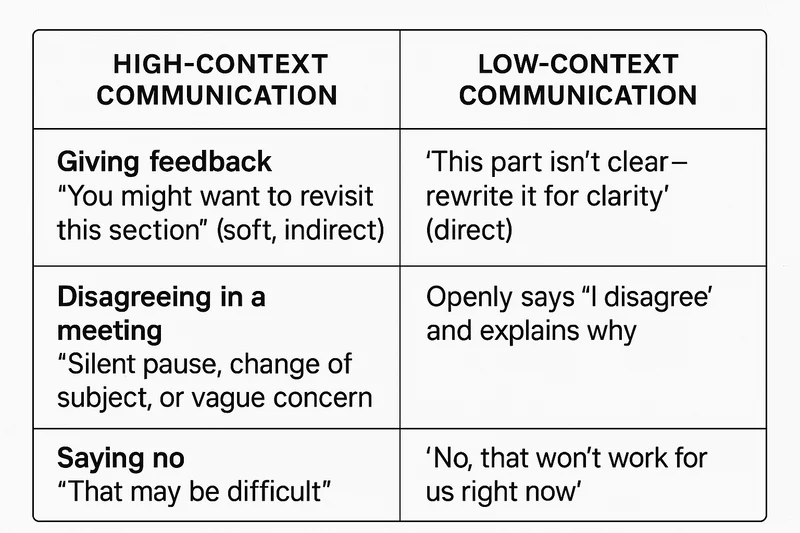
Understand High-Context vs. Low-Context Cultures
- High-context (e.g., Japan, Middle East): Rely on indirect communication and relationships. Build rapport with small talk and gifts.
- Low-context (e.g., Germany, USA): Direct, fact-focused. Jump to data.
A McKinsey report shows culturally adaptive negotiators close 30% more deals. I once delayed a China contract discussion for relationship-building tea ceremonies—it paid off in concessions.
Adapt Communication Styles
- Use formal titles until invited otherwise.
- Mirror pacing: Slow and deliberate in Latin America; fast and assertive in New York.
| Cultural Element | Do This for Strength | Avoid This Weakness |
|---|---|---|
| Eye Contact | Steady but not staring (Western); brief in Asia | Avoiding gaze entirely |
| Personal Space | Respect boundaries (1-2 feet in Europe) | Invading space aggressively |
| Silence | Use pauses to think (Scandinavia) | Filling every gap nervously |
Cultural Intelligence (CQ) in Global B2B Negotiations
Appearing confident in a GCC market requires a different behavioral set than in Western Europe. International negotiation is a chameleon’s game.
| Region | Confidence Indicator | Avoid This |
|---|---|---|
| GCC / Middle East | Patience and relationship-building. | Aggressive “Closing” tactics too early. |
| North America | Directness and efficiency. | Ambiguity or over-politeness. |
Command Body Language and Verbal Cues for Instant Authority
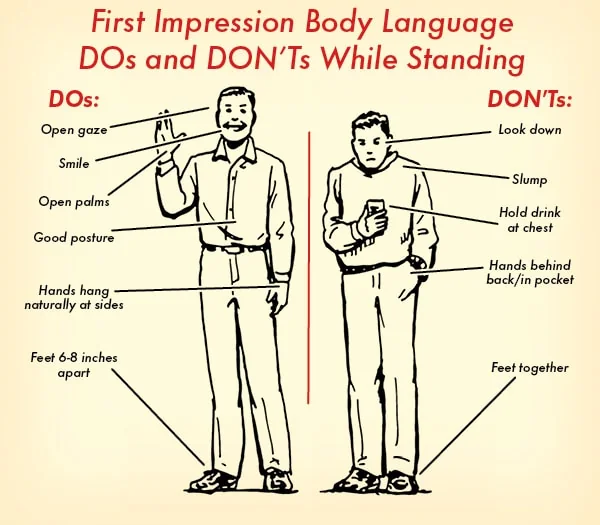
Your non-verbal’s speak louder than words. Poor posture undermines even the best prep.

Optimize Physical Presence
- Entrance: Walk in purposefully, smile genuinely, firm handshake (adapt grip by culture).
- Seating: Choose a power position—end of table or facing the door.
- Posture: Sit tall, lean slightly forward to show engagement. Avoid crossing arms defensively.
Research from Amy Cuddy at Harvard reveals “power poses” (e.g., hands on hips pre-meeting) boost testosterone and confidence by 20%.
Speak with Precision and Power
- Voice: Lower pitch, moderate pace. Pause for emphasis.
- Language: Use “we” for collaboration, “I recommend” for authority. Avoid fillers like “um” or “maybe.”
- Questions: Ask open-ended to control flow: “What challenges are you facing with current suppliers?”
In a European sales meeting, I silenced doubts by starting with: “Based on your Q3 report, here’s how we outperform competitors by 25%.” It shifted dynamics instantly.
The Science of Non-Verbal Dominance
In high-stakes contract negotiations, your body speaks before your lips move. To project a Cyber-Minimalist professional aura, focus on “Controlled Presence”.
“Authority is conveyed through stillness. High-status individuals move with deliberation and avoid fidgeting, which signals nervous energy.”
Key techniques include the Steepling Gesture to signal wisdom and maintaining 70/30 Eye Contact to show engagement without appearing confrontational.
Employ Tactical Negotiation Strategies to Dominate the Table
Strength isn’t aggression—it’s smart leverage. Use these to enhance presence in international deal-making.
Anchor High and Concede Strategically
Start with ambitious asks backed by data. Concede on low-value items to gain on priorities.
Example: In a contract for software licensing, anchor at 40% above target. Trade extended support for price relief.
Navigating Macroeconomic Turbulence & Supply Chain Volatility
Unprecedented global inflation, currency swings, and logistical bottlenecks can quickly erode contract margins. True negotiation strength lies in transforming market volatility into structured, value-protective agreement frameworks.
Dynamic Price Adjustment Clauses
Protect margins against global currency fluctuations and inflation by embedding index-linked price adjustment mechanisms. Proactively offering multi-currency settlement options or risk-sharing corridors positions you as a sophisticated partner rather than an unyielding seller.
Turning Logistics Risks into Deal Leverage
Instead of treating lead times as a liability, frame supply chain resilience as a premium asset. Negotiate realistic buffer windows and phased delivery schedules, offering prioritized fulfillment guarantees in exchange for longer contract commitments or better credit terms.
Strategic Insight: Modern authority is demonstrated not by denying market uncertainties, but by building contractual shock absorbers that safeguard both parties.
Build Alliances and Isolate Objections
Engage multiple stakeholders. “Align with the CFO on cost savings? Let’s quantify that.”
Use Time Pressure Wisely
Create urgency without panic: “This pricing locks in for 30 days.” But respect cultural views on deadlines—rushed in the U.S., flexible in Brazil.
A Backlinko analysis of 1,000+ deals found anchoring boosts outcomes by 18%.
Handle Common Challenges with Poise and Countermeasures
International negotiations throw curveballs. Stay strong by addressing them head-on.
Dealing with Aggressive Tactics
- Good cop/bad cop: Stay neutral, redirect to facts.
- Nibbling (extra asks post-agreement): Preempt with comprehensive contracts.
Virtual Meetings: Project Strength Remotely
- Setup: Professional background, eye-level camera.
- Tech: Test everything; have backups.
- Engagement: Use screen shares for visuals, poll for interaction.
During pandemic-era deals, virtual mastery helped me close a $10M contract despite time zones.
Legal and Compliance Hurdles
Consult experts early. Highlight your compliance track record to build trust.
Mastering Virtual & Hybrid Negotiations
Remote and hybrid deal-making environments introduce subtle power dynamics that can either erode your influence or amplify your leverage. Navigating these modern formats requires intentional structure and temporal discipline.
Maintaining Authority Across Split Teams
When split between in-person room attendees and remote screen participants, command vanishes without active moderation. Appoint a dedicated digital co-facilitator, enforce “equal airtime” rules, and position room cameras at eye-level so remote counterparts never feel sidelined or strategically disadvantaged.
Defeating Virtual Exhaustion & Decision Fatigue
Prolonged screen sessions weaken focus and push teams into hasty, poor concessions. Protect your deal posture by enforcing hard 45-minute meeting caps, scheduling mandatory 10-minute breaks during long sessions, and pushing complex technical discussions into pre-aligned async documentation.
Strategic Insight: In digital negotiations, authority belongs to the party that controls the structure, time pace, and clarity of the virtual room.
Post-Meeting Follow-Up: Seal Strength and Secure the Deal
The meeting ends, but your influence doesn’t. Prompt, professional follow-ups reinforce confidence in cross-border sales closures.
- Same-day summary: Email key points, next steps, and wins.
- Address loose ends: Provide requested data swiftly.
- Nurture relationship: Schedule check-ins.
I’ve turned “maybe” into “yes” with personalized thank-you referencing discussion points.

Strategic Opportunities for Technical Contractors in Post-Ceasefire Reconstruction
Measuring and Refining Your Negotiation Strength
Track metrics: Win rate, concession size, deal cycle time. Review recordings for improvements.
Tools like Gong.io reveal verbal patterns—aim for 60% listening, 40% speaking.
Over time, this iterative approach made me unbreakable in international contract and sales meetings.
Frequently Asked Questions (FAQ)
Q: How do I handle a superior-status negotiator?
A: Focus on the value of your platform and technical authority. In B2B tech sales, expertise is the ultimate equalizer regardless of job titles.
Q: Should I use a dark-mode presentation in meetings?
A: Yes, a professional, minimalist dark-themed visual setup reduces eye strain and conveys a modern, tech-forward brand identity, especially in digital trade sectors.
Final Thoughts: Step Into Your Power Today
Appearing stronger in international sales and contract negotiation meetings transforms outcomes. From rigorous preparation to cultural mastery and tactical finesse, these strategies aren’t theory—they’re battle-tested. Implement them, and watch deals flow.

