Blog
Iraq Contracts: Don’t Sign Without These War-Risk & Force Majeure Clauses
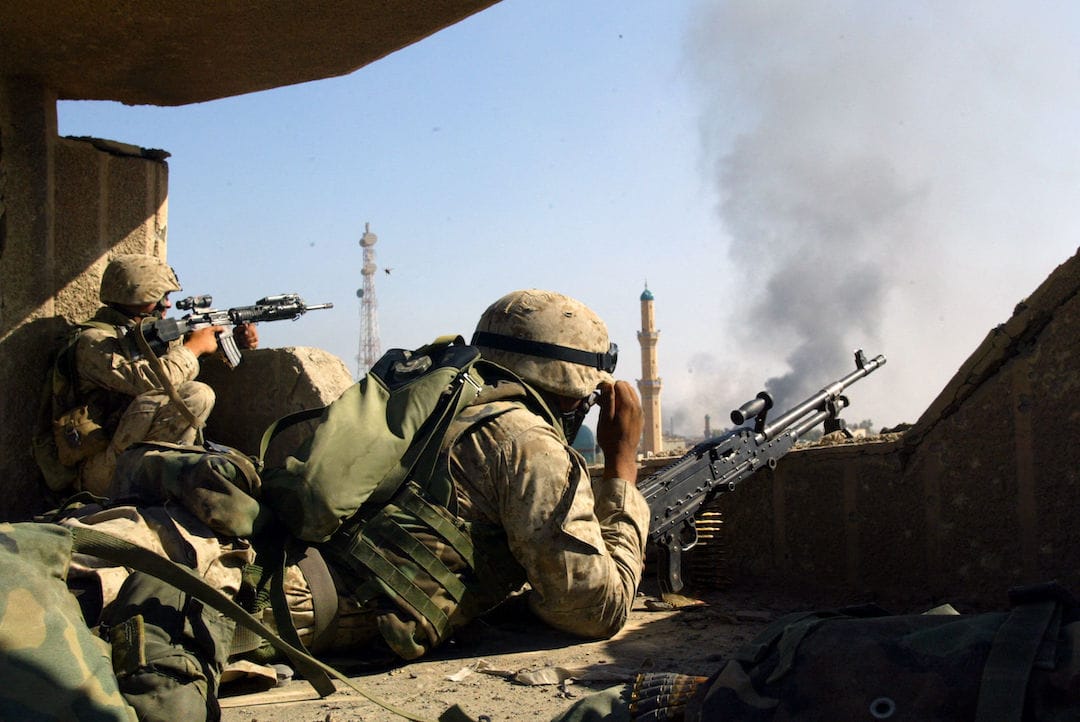
I’ve closed deals in some of the world’s most volatile markets over the past twenty years, supplying everything from construction materials to machinery in regions where stability can shift overnight. One reality hits hard: war-risk insurance and force majeure clauses aren’t optional add-ons in Iraq contracts—they’re your lifeline. Political instability, militia activity, and regional tensions mean standard policies often exclude coverage for war-related losses, leaving exporters exposed to massive financial hits. In Iraq, where reconstruction drives billions in trade but security risks persist, ignoring these can wipe out profits or strand shipments.
The Real Risks Exporters Face in Iraq Contracts
Think about this: global marine war risk premiums surged 20-50% in recent years due to Middle East tensions, according to industry reports. For exporters to Iraq, routes through the Persian Gulf or overland borders amplify exposures. I’ve seen deals collapse when unrest triggered delays, with one side claiming force majeure while the other disputed it—leading to costly disputes. This guide breaks down the essentials of war-risk insurance and force majeure clauses in Iraqi contracts. I’ll cover what they protect, why they matter under Iraqi law, and actionable steps to negotiate strong terms. By the end, you’ll sign with confidence, protecting your margins in this high-opportunity market.
The Real Risks Exporters Face in Iraq Contracts
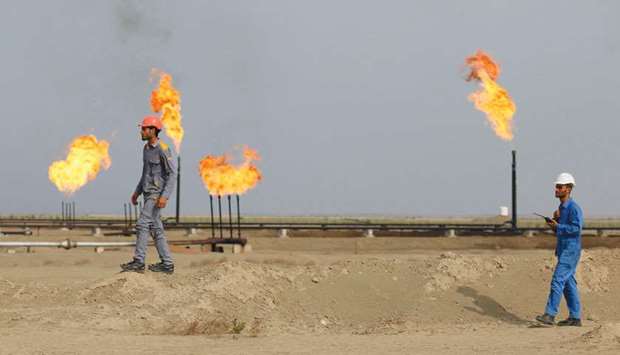
Iraq’s economy booms with reconstruction needs—oil infrastructure, building projects, and consumer goods imports fuel growth. Yet, risks like civil unrest, terrorism, and geopolitical spillover remain elevated.
Key exposures for exporters:
- Physical Loss or Damage: Cargo seized, destroyed in attacks, or delayed indefinitely.
- Delayed Delivery: Border closures or security checkpoints stalling shipments.
- Contractual Disputes: Buyers invoking force majeure for non-payment amid instability.
- Route Vulnerabilities: Marine shipments via the Gulf face piracy or conflict zones; overland adds border risks.
Standard cargo insurance excludes war, strikes, riots, and civil commotions (SRCC). Without specific add-ons, you’re self-insuring massive losses. Reports highlight ongoing militia threats and attacks on facilities, underscoring why proactive coverage is non-negotiable.
Understanding War-Risk Insurance for Exports to Iraq
War-risk insurance bridges the gap left by standard policies, covering losses from war, invasion, terrorism, piracy, and related perils.
Why Standard Policies Fall Short
Most marine cargo or all-risk policies exclude war perils automatically. Insurers cancel war coverage on short notice (often 7 days) for high-risk zones.
In Iraq’s context:
- Gulf routes may trigger additional premiums.
- Overland or air shipments need tailored extensions.
War-Risk in Iraq
Key Coverages in War-Risk Policies
- Loss/damage from hostilities, mines, or torpedoes.
- Confiscation or seizure by authorities.
- Terrorism and political violence.
- Strikes, riots, and civil commotions (often bundled as SRCC).
Policies can be voyage-specific or annual, with premiums based on route, commodity value, and current threats.
Practical Options for Exporters
- Marine War Risk: Essential for sea shipments—covers hull and cargo separately if needed.
- Political Risk Insurance: For broader protections like contract frustration.
- Specialized Providers: Look for syndicates experienced in Middle East risks.
Pro Tip: Factor premiums into pricing— they’ve risen with regional volatility, but coverage prevents total loss. In one shipment I managed, war-risk add-on saved recovery when delays hit.
Cost Trends and Considerations
Premiums vary: base rates low, but additional for Iraq/Gulf routes. Dynamic pricing reflects real-time threats—monitor Joint War Committee listed areas.
Force Majeure Clauses: Your Contractual Shield in Iraqi Deals
Force majeure clauses excuse performance when extraordinary events make it impossible or impracticable.
Under Iraqi Civil Code (influenced by civil law traditions):
- Obligations extinguish if impossible due to external causes (Article 425-like principles).
- Courts reluctant to apply broadly against government entities for unrest/war.
Explicit clauses override or supplement this—essential for exporters.
Why Clauses Matter More Than Statutory Relief
Iraqi law recognizes force majeure for impossibility, but proof is strict. Clauses allow tailored relief: suspension, extension, or termination.
Common triggers in Iraq contracts:
- War, hostilities, terrorism.
- Civil commotion, insurrection.
- Government actions (embargoes, curfews).
Drafting Strong Force Majeure Provisions
Make them exporter-friendly:
- Broad Definition: List events explicitly (war, terrorism, riots) plus catch-all for unforeseeable circumstances.
- Mitigation Duty: Require reasonable efforts, but not heroic measures.
- Notice Requirements: Prompt notification with evidence.
- Consequences: Automatic suspension; option to terminate if prolonged.
- No Fault Allocation: Avoid blaming one party.
Example Clause Insight: Include “acts of militia or non-state actors” given Iraq’s dynamics—standard “war” may not cover all.
Courts interpret strictly—vague clauses fail. Negotiate mutual relief to build trust.
Comparison: Statutory vs Contractual Force Majeure
| Aspect | Iraqi Civil Code (Statutory) | Contractual Clause | Exporter Advantage |
|---|---|---|---|
| Trigger Events | External impossibility | Specified + catch-all | Broader, tailored protection |
| Relief Provided | Extinguishes obligation | Suspension/termination options | Flexibility in ongoing deals |
| Proof Burden | Heavy on claimant | Defined notice/process | Easier invocation |
| Against Government Buyers | Reluctant application | Negotiable if agreed | Stronger leverage |
Integrating War-Risk Insurance and Force Majeure in Contracts
These tools complement each other:
- Link Coverage to Clauses: Require buyer to maintain insurance; tie to force majeure triggers.
- Risk Allocation: Decide who bears war risks—exporter via Incoterms (e.g., CIP includes insurance).
- Dispute Prevention: Include arbitration for quick resolution.
In government tenders, clauses often favor the state—push for balanced terms in private deals.
Step-by-Step Negotiation Checklist for Iraq Contracts
- Assess Risks Early: Map shipment route and contract timeline against current threats.
- Mandate War-Risk Coverage: Specify in contract who procures and minimum limits.
- Draft Robust Force Majeure: Use international templates adapted to Iraqi law.
- Require Evidence: For claims, demand proof of event impact.
- Build in Reviews: Allow renegotiation if threats escalate.
- Consult Experts: Local counsel for compliance; brokers for insurance.
I’ve used this to secure deals where others walked away—turning risk into managed cost.
For related trade strategies, explore these guides:
- The 7 Key Documents That Must Be Included in Every Winning Iraqi Government Tender Submission (Technical Focus) – Essential for public sector deals.
- Managing Currency Exchange Risk in UAE Trade Contracts: A Practical Guide to AED vs USD Hedging
- Air Freight vs Sea Freight from China to Jebel Ali: The 2026 Cost-Benefit Analysis for Your Commodity
Secure Your Iraq Exports with Confidence
War-risk insurance and force majeure clauses turn Iraq’s challenges into manageable risks. Standard protections fall short here—proactive drafting and coverage preserve your position.
Over years exporting to tough markets, I’ve learned these safeguards compound success: one protected shipment funds many more.
Ready to source opportunities in Iraq, connect with verified buyers, and handle secure payments? Sign up on Tendify.net today for free RFQ tools, real-time matches, and trust accounts that streamline high-risk trade. Register now and safeguard your next deal.