Blog
China to Jebel Ali 2026: Air vs. Sea Freight Cost-Benefit Analysis
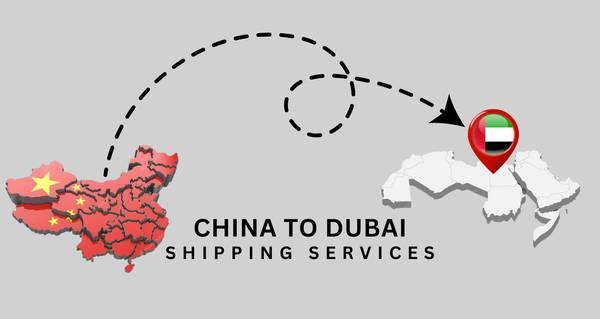
I’ve spent decades sourcing and importing goods across global supply chains, from electronics in Shenzhen to machinery in Shanghai, routing thousands of containers and pallets into Jebel Ali Port. One truth holds firm: choosing between air freight and sea freight isn’t just about speed versus cost—it’s about aligning your commodity’s value, urgency, and volume with real-world logistics realities. In 2026, with stabilizing post-peak rates and evolving e-commerce demands, UAE importers face nuanced decisions. Jebel Ali remains the Middle East’s powerhouse hub, handling over 13 million TEUs annually, but disruptions like occasional congestion or global events can tip the scales.
China-to-Jebel Ali
Consider this eye-opener: while sea freight dominates 90% of global trade volume, air freight captures high-value shipments worth trillions. Yet for China-to-UAE routes—where top imports include electronics, machinery, textiles, and consumer goods—a mismatched mode can erode 10-20% of margins through delays or excess costs. This guide delivers a no-nonsense 2026 cost-benefit analysis, backed by current trends and data from sources like Freightos and industry reports. I’ll break down pros, cons, rates, and commodity-specific recommendations to help you optimize.
Pro-Tip: The “Hidden” 45kg Threshold
Based on our 2025 shipping data, many SMEs lose money by choosing Sea Freight for loads between 45kg and 100kg. While Sea Freight unit costs look lower, the Port Handling Charges (PHC) at Jebel Ali often neutralize the savings for small volumes.
Actual Case: A shipment of 60kg of electronics from Shenzhen to Dubai cost $350 via Air (door-to-door), whereas Sea Freight (LCL) totaled $410 after adding terminal handling and documentation fees. Rule of thumb for 2026: If it’s under 100kg, always run a full DDP comparison before defaulting to sea.
Why the China-to-Jebel Ali Route Demands Careful Freight Mode Selection
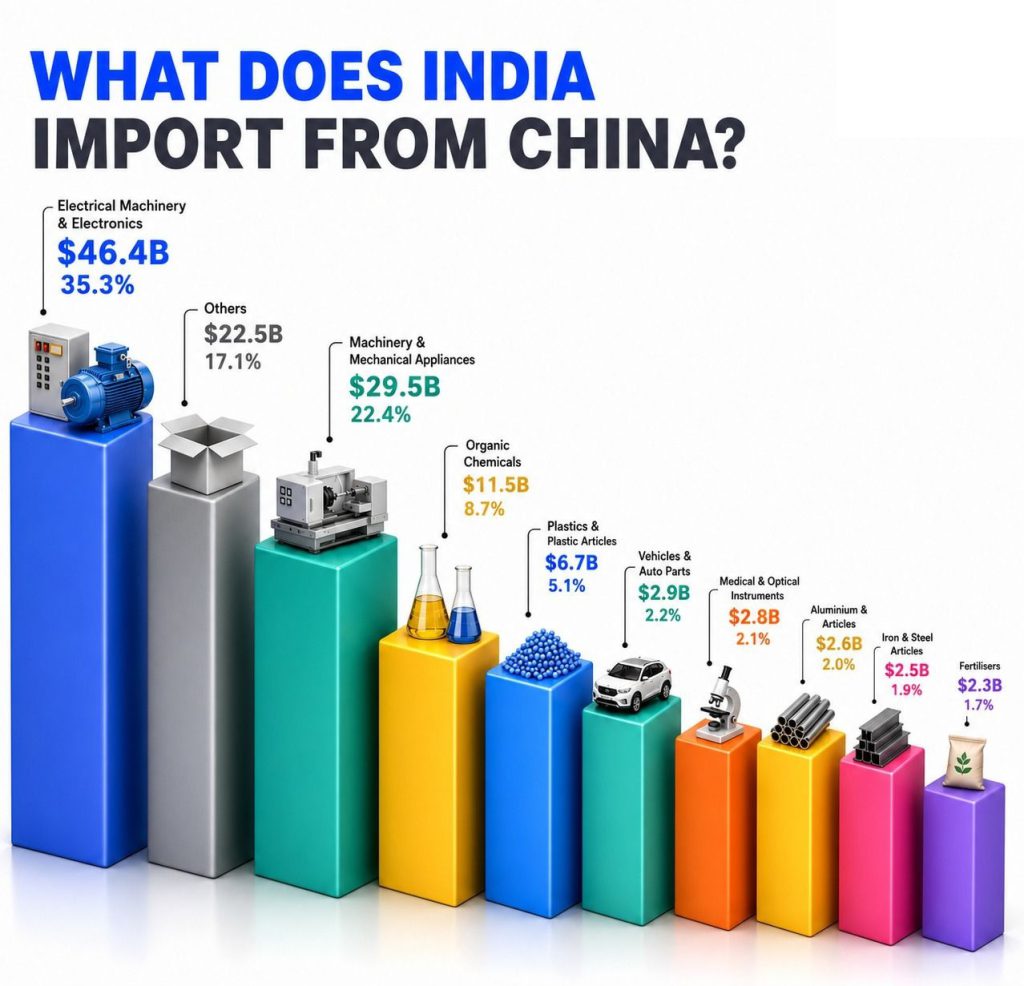
China remains the UAE’s top trading partner, with bilateral trade exceeding $100 billion in recent years. Key commodities flowing into Jebel Ali include:
- Electrical machinery and electronics (phones, components)
- Mechanical appliances and machinery
- Textiles, apparel, and footwear
- Plastics, furniture, and toys
- Vehicles and parts
Jebel Ali’s efficiency—deep berths, fast clearance—makes it ideal, but route specifics matter. Direct sailings from Shanghai or Shenzhen cut sea times, while Dubai International Airport (DXB) supports seamless air arrivals.
The core tension: sea freight excels in volume and affordability, perfect for bulk non-urgent goods. Air freight prioritizes speed for time-sensitive or high-value items. In 2026, expect sea rates to soften slightly with new vessel capacity, while air holds steady amid e-commerce growth.
HubSpot and similar analyses show 60%+ of importers blend modes strategically—sea for base loads, air for replenishment.
Current Transit Times: Sea vs Air from China to Jebel Ali/Dubai
Speed often dictates inventory costs and customer satisfaction.
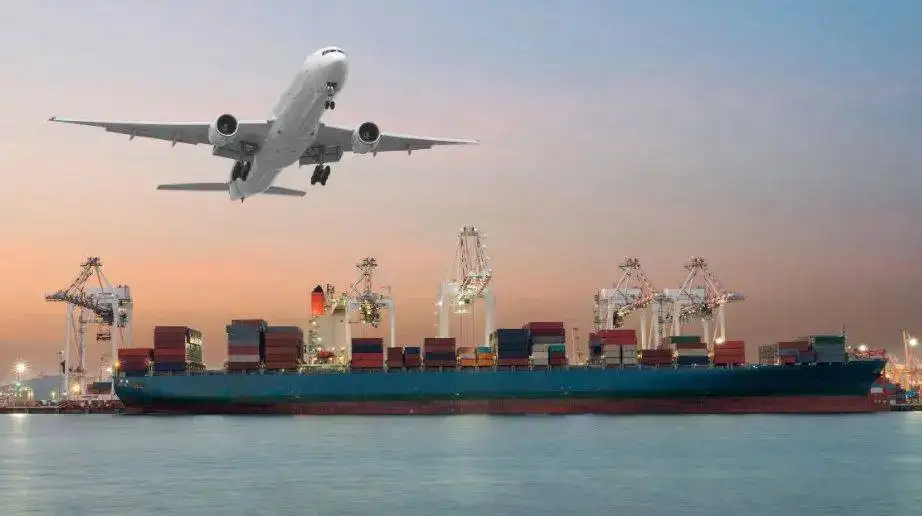
Sea vs Air from China to Jebel Ali
Sea Freight Transit Times
In 2026, maritime transit times from China to Jebel Ali are influenced by advanced port automation and evolving global shipping corridors. While base timelines remain consistent, strategic logistics planning now requires a deeper understanding of regional nuances:
Key Port-to-Port Timelines:
Shanghai & Ningbo (East China): As the primary manufacturing hubs, direct sailings typically range between 19 and 25 days. During peak seasons (pre-Lunar New Year or Golden Week), expect a potential 5-day buffer due to increased port congestion at the origin.
Shenzhen & Guangzhou (South China): Benefiting from geographical proximity, shipments from the Greater Bay Area offer the fastest maritime route, arriving at Jebel Ali in 16 to 22 days.
Qingdao & Tianjin (North China): For heavy industrial or northern commodities, transit usually spans 22 to 30 days, often involving an intermediate call at southern transshipment hubs.
FCL vs. LCL Operational Realities:
Full Container Load (FCL): Major liners such as Maersk, COSCO, and MSC maintain rigid weekly schedules. In 2026, the integration of AI-driven berth allocation at Jebel Ali Terminal 4 has streamlined offloading, allowing FCL units to be “gate-out ready” within 24 hours of vessel berthing.
Less than Container Load (LCL): Cargo consolidation in China and subsequent deconsolidation at Jebel Ali’s CFS (Container Freight Station) adds a mandatory 5 to 10 days to the total lead time. For time-sensitive LCL, we recommend “Expedited LCL” services which bypass certain secondary sorting layers.
Critical Factors Influencing 2026 Transit:
Sustainable Shipping (Slow Steaming): To comply with 2026 carbon emission targets, some carriers utilize “Eco-speed” settings. While this may add 1–2 days to the voyage, it significantly stabilizes fuel surcharges for the shipper.
Infrastructure Synergy: The synchronization between China’s “Digital Silk Road” tracking and Dubai’s Bayyan 2.0 system now provides real-time visibility, reducing administrative “blind days” during the Indian Ocean crossing.
Expert Insight: Always account for a 7-day “Final Mile” buffer. This covers the gap between the ship’s arrival and the actual delivery to your warehouse in Dubai or the Northern Emirates, accounting for customs spot-checks and local haulage scheduling.
Strategic Updates for Jebel Ali in 2026
As Jebel Ali moves toward full automation of Terminal 4, the integration of AI-driven slot booking is expected to reduce vessel idling time by 15%. However, this requires more precise documentation from the Chinese side.
- Digital Twin Integration: Shippers using carriers with digital twin tracking will see a 2-day reduction in “blind spots” during the Indian Ocean transit.
- Green Freight Corridors: Look for “Eco-Sea” options. Starting mid-2026, Jebel Ali offers priority berthing for vessels using low-carbon fuels, potentially shaving 24 hours off your lead time.
Air Freight Transit Times
In the fast-paced 2026 trade environment, Air Freight remains the definitive choice for high-value electronics, seasonal fashion, and critical industrial spares. While the speed is unmatched, understanding the nuances of the “Total Transit Cycle” is key to maximizing ROI:
Standard Service Levels:
Direct Cargo Hold (Airport-to-Airport): Utilizing major carriers like Emirates SkyCargo or Air China, transit usually takes 1–3 days. These are ideal for consolidated shipments where the importer handles local clearance.
Express/Courier (Door-to-Door): Services such as DHL, FedEx, or UPS provide a seamless 3–7 day window. This is the “gold standard” for e-commerce and sample testing, bypassing many of the manual coordination steps required in traditional freight.
Comprehensive Logistics Cycle: For standard commercial air freight, we recommend budgeting 5–10 days. This includes the “First Mile” (factory to airport in China), origin export clearance, flight duration, and the “Final Mile” delivery from DXB or DWC to your facility.
Strategic Hubs in 2026:
The China Exit: While Hong Kong (HKG) remains a duty-free powerhouse for electronics, the Shenzhen (SZX) and Guangzhou (CAN) hubs have integrated specialized AI-sorting for Middle East-bound cargo, often reducing ground handling time by 12 hours.
The UAE Entry: Most cargo arrives at Dubai International (DXB) or Al Maktoum International (DWC). DWC, in particular, has become the 2026 hub for “Sea-Air” hybrid models, offering rapid bonded transfer to the Jebel Ali Free Zone (JAFZA).
Operational Excellence & Efficiency:
Customs Acceleration: By utilizing the Bayyan 2.0 system for pre-arrival filing, air shipments can often achieve “Clearance on Arrival,” meaning the goods are released by UAE Customs before the plane even touches the tarmac.
Volumetric Awareness: In 2026, air carriers have tightened “dim-weight” (dimensional weight) calculations. For lightweight but bulky goods, the cost can escalate quickly. Always optimize packaging to minimize “dead air” within cartons.
Expert Insight: Air freight isn’t just about speed; it’s about capital liquidity. By reducing transit from 30 days (sea) to 5 days (air), you free up 25 days of cash flow. For high-margin products, the interest saved on tied-up capital often outweighs the higher freight cost.
2026 Cost Comparison: Air Freight vs Sea Freight
While freight rates are subject to market volatility, 2026 benchmarks reveal a stabilizing trend with a shift toward “Green Logistics” surcharges. Sea freight remains the undisputed leader for volume, while air freight has optimized its pricing for mid-tier bulk (1,000kg+).
Sea Freight Costs (China to Jebel Ali)
Sea freight remains the backbone of B2B trade, offering the lowest cost-per-unit for large inventories.
FCL (Full Container Load):
20ft Container: $1,800 – $2,500 (Ideal for heavy machinery or dense raw materials).
40ft/40ft HC Container: $2,500 – $3,200 (Most cost-effective for consumer goods and furniture).
LCL (Less than Container Load):
Rate: $15 – $25 per Cubic Meter (CBM).
Note: While the base rate is low, 2026 LCL shipments require careful attention to “Minimum Billable Volume” (usually 1 CBM) and terminal handling charges at Jebel Ali which can sometimes exceed the ocean freight itself for very small loads.
2026 Market Variable: These rates typically exclude the IMO 2026 Low-Sulfur Surcharge and local documentation fees (BL fee, DO fee), which add roughly $300–$500 to the total landed cost per container.
Air Freight Costs (China to DXB/UAE)
Air freight is no longer just for emergencies; it is a cash-flow tool. In 2026, the gap between “Standard” and “Economy” air freight has narrowed due to increased freighter capacity between Shenzhen and Dubai.
Standard Air Cargo: $4.00 – $6.50 per kg. This applies to high-priority shipments or smaller loads (under 500kg).
High-Volume Economy (1,000kg+): ~$4.30 per kg. For established traders moving consistent tonnage, “Block Space Agreements” (BSA) can drive this even lower.
Cost Ratio: Air freight typically costs 5 to 12 times more than sea freight per kg. However, when the product value exceeds $50 per kg, the insurance and inventory holding cost savings often justify the air premium.
The “Landed Cost” Perspective (Expert Insight)
In 2026, savvy entrepreneurs don’t just look at the freight quote; they look at the Total Landed Cost.
Sea Freight has higher “hidden” costs: Port storage (Demurrage), trucking from Jebel Ali, and longer capital tie-up.
Air Freight has lower “hidden” costs: Minimal warehousing, faster time-to-market, and significantly lower insurance premiums due to reduced transit risk.
Pro-Decision Rule for 2026:
If your Freight Cost is < 15% of the Product Value, stick to Air Freight to maintain agility.
If your Cargo Volume exceeds 15 CBM, Sea Freight is mathematically unbeatable for your bottom line.
Side-by-Side Cost Breakdown (Example: 10-ton Shipment)
| Commodity Type | Sea Freight (FCL/LCL est.) | Air Freight (per kg est.) | Cost Difference | Best Mode |
|---|---|---|---|---|
| Heavy Machinery (low value/ton) | $3,000-4,000 (40ft) | $40,000-65,000 | Air 10-15x higher | Sea |
| Electronics (high value) | $2,500-3,500 | $20,000-40,000 | Air 8-12x higher | Air if urgent |
| Textiles/Apparel | $2,000-3,000 | $30,000-50,000 | Air 12-20x higher | Sea (unless seasonal) |
Pros and Cons of Sea Freight from China to Jebel Ali
Sea freight handles 90% of China-UAE volume for good reason.
Advantages
- Cost-Effective: Lowest per-unit cost for bulk—saves thousands on containers.
- High Capacity: Ships full loads, oversized, or heavy items effortlessly.
- Eco-Friendly: Lower CO2 per ton than air (up to 90% less emissions).
- Reliable Schedules: Weekly direct sailings minimize surprises.
Disadvantages
- Longer transit exposes to inventory holding costs.
- Vulnerable to port congestion or global events.
- More paperwork and handling for LCL.
Ideal for stable-demand commodities like machinery or furniture.
Pros and Cons of Air Freight from China to Jebel Ali/Dubai
Air freight is the go-to for speed.
Advantages
- Blazing Speed: Reduces lead times dramatically—critical for fashion or perishables.
- Higher Security: Stringent airport protocols lower theft risk.
- Flexibility: Easier for smaller or urgent replenishments.
- Reliable Tracking: Real-time visibility.
Disadvantages
- Premium pricing eats margins on low-value goods.
- Weight/volume limits—chargeable weight often volumetric.
- Higher environmental impact.
- Capacity constraints during peaks.
Best for electronics, samples, or high-turnover e-commerce.
Commodity-Specific Recommendations for 2026
Match your goods to the mode—here’s my battle-tested advice:
- Electronics & High-Tech: Air for prototypes/samples; sea for bulk. Value density justifies air premiums.
- Machinery & Construction Materials: Sea dominates—volume and weight favor containers.
- Textiles, Apparel, Footwear: Sea for seasonal planning; air for fast fashion trends.
- Plastics, Toys, Furniture: Sea—cost trumps speed.
- Perishables or Urgent: Air exclusively.
Hybrid approach: Sea for core stock, air for top-ups. In one operation, this blend cut costs 15% while hitting delivery targets.
The Poland Corridor: A Strategic Guide to Import-Export Opportunities
Hidden Costs and Risk Factors in 2026
Expert traders know that the freight quote is only the beginning. In 2026, global trade shifts—from green energy mandates to digital customs—have introduced new variables that can impact your final “Landed Cost.”
1. Sea Freight: The “Delay” Multiplier
While sea freight is economical, it carries the highest risk of secondary charges if your logistics chain is not tightly managed.
Demurrage & Detention (D&D): In 2026, Jebel Ali’s high-efficiency terminals have shortened “free time” windows. Exceeding your allotted days for container pickup or return can result in daily penalties ranging from $80 to $200 per TEU.
BAF (Bunker Adjustment Factor): As carriers transition to Liquefied Natural Gas (LNG) and ammonia fuels to meet 2026 emission targets, expect fluctuating fuel surcharges that may be adjusted mid-transit.
LCL “Wasted Space” Fees: For LCL shipments, poor packaging that prevents stacking (non-stackable cargo) can trigger surcharges as you are billed for the “void” space above your goods.
2. Air Freight: The “Demand” Spike
Air freight costs are highly sensitive to global events and seasonal shifts.
Peak Season Surcharges (PSS): With the continued boom in cross-border e-commerce, air capacity from hubs like Shenzhen and Hong Kong becomes extremely tight from October to January. Rates can spike by 30-50% during these windows.
Lithium Battery & Dangerous Goods (DG) Handling: In 2026, safety regulations for electronics have intensified. Shipping products with batteries requires specialized labeling and “DG” fees, which can add $50–$150 to your airway bill.
Security & Fuel (FSC/SSC): Standard add-ons that fluctuate weekly based on jet fuel prices and regional security levels at transit hubs.
3. Universal Costs (Applicable to Both)
UAE Customs & VAT: Most goods entering the UAE are subject to a 5% Customs Duty and 5% VAT. Accurate HS Code classification is mandatory; incorrect filing in the Bayyan 2.0 system can lead to inspection delays and fines.
Comprehensive Insurance: We recommend budgeting 0.1% to 0.5% of the CIF value. In 2026, given the complexity of global maritime routes, “All-Risk” insurance is no longer optional—it is a strategic necessity for capital protection.
The “Green Tax” Trend: 2026 marks the widespread implementation of carbon-offsetting fees. While sea freight is hit by fuel transition costs, air freight providers are increasingly integrating “Sustainable Aviation Fuel” (SAF) premiums into their base rates.
Expert Insight: To minimize these risks, always request a “Landed Cost Quote” from your forwarder. This should include everything from the factory gate in China to your warehouse door in the UAE, ensuring there are no surprises when the cargo arrives at the port.
Step-by-Step Decision Framework
Optimize with this process:
- Assess Commodity: Value per kg? Urgency? Volume?
- Calculate Total Landed Cost: Freight + duties + inland.
- Factor Inventory: Sea’s delay ties up capital—use carrying cost formulas.
- Scenario Plan: Model disruptions.
- Quote Multiple: Forwarders for best rates.
For deeper logistics insights, explore these resources:
- The Ultimate Practical Guide to Re-Exporting Goods from Dubai
- The Ultimate Guide to Payment Gateways and Banking Services for International Trade in the UAE
- The Comprehensive Guide to the UAE Market for Specialized Products
2026 Logistics Decision Checklist
| Factor | Choose AIR if… | Choose SEA if… |
|---|---|---|
| Inventory Turnover | Turnover > 12x/year | Turnover < 4x/year |
| Commodity Type | Fashion, Tech, Samples | Furniture, Raw Materials, Bulk |
| Risk Tolerance | Zero (High value) | Moderate (Insurance covered) |
Final Verdict: Optimize Your China-to-Jebel Ali Freight Strategy Now
In 2026, air freight vs sea freight boils down to priorities: sea for cost-efficient scale, air for agile responsiveness. Most UAE importers thrive on sea-dominant strategies with air accents—preserving margins while meeting demands.
China-to-Jebel Ali Freight Strategy
I’ve seen mismatched modes sink profits; the right choice compounds advantages. With China-UAE trade booming, smart freight decisions drive competitive edges.
Ready to streamline sourcing from China, secure reliable freight, and connect with verified suppliers? Sign up on Tendify.net today for free RFQ tools, real-time quotes, and secure transactions that make importing effortless. Register now and transform your supply chain.