Blog
Iraq Tax Exemptions: How to Use Article 15 to Boost Your Project Profits
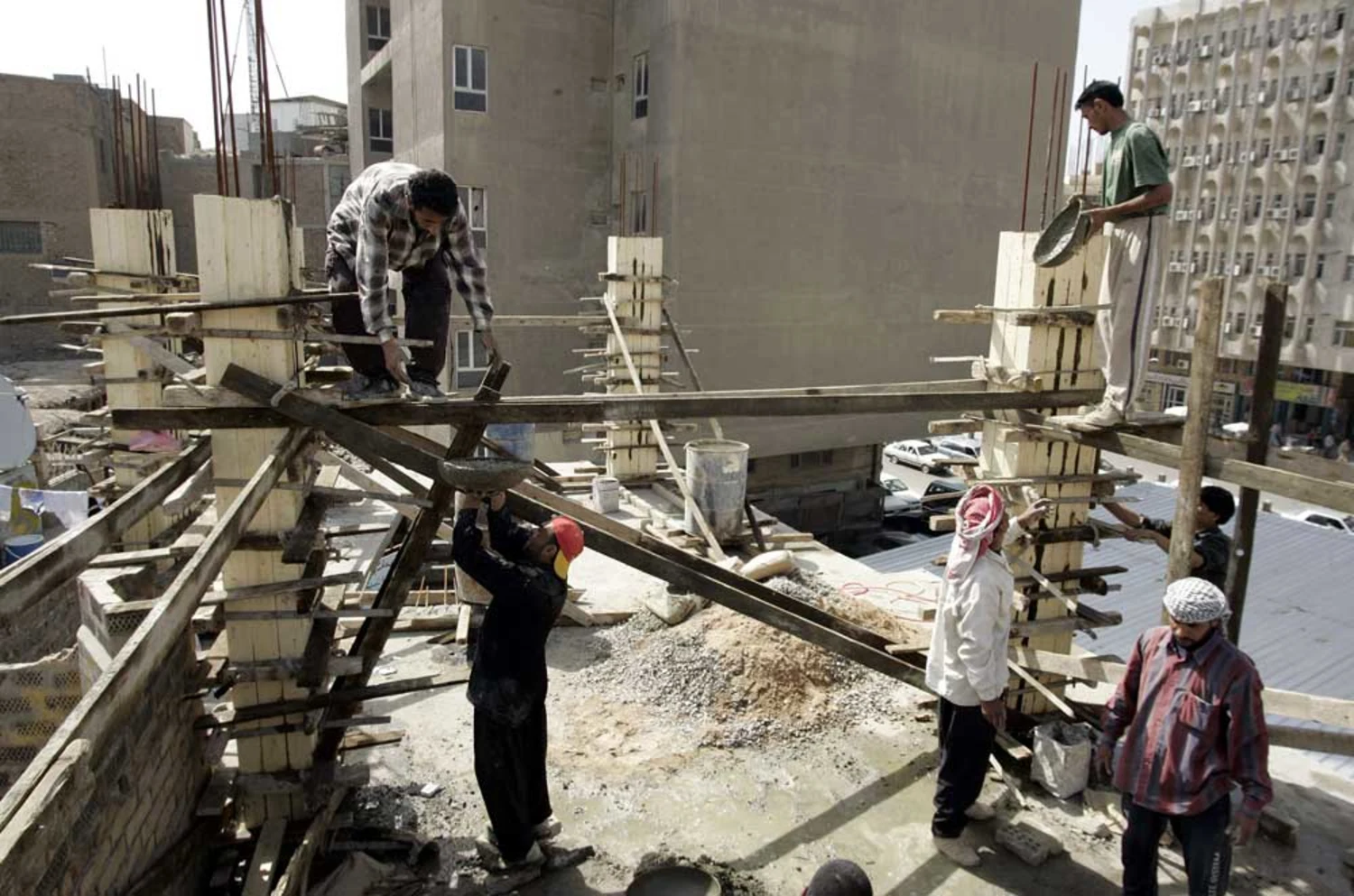
Over my years navigating complex emerging markets, I’ve seen how the right incentives can turn ambitious infrastructure visions into profitable realities. Iraq today stands at a pivotal moment—massive reconstruction needs in housing, roads, energy, and public facilities demand bold investment. Yet, many overlook one of the most powerful tools available: tax exemptions under Article 15 of the National Investment Law.
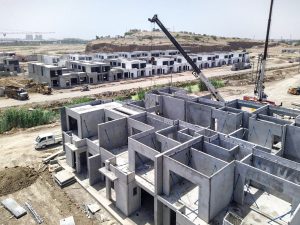
Iraq’s Reconstruction Projects
Imagine slashing your project’s tax burden for a full decade, freeing up capital to accelerate timelines and boost returns. That’s the reality for licensed investments. Iraq’s government designed these incentives to fuel rebuilding, and smart operators are already leveraging them effectively.
In this comprehensive guide, we’ll break down Article 15, explain eligibility for reconstruction initiatives, walk through the application process, and share actionable strategies to maximize benefits. Whether you’re eyeing urban development, transportation upgrades, or utility restoration, this is your roadmap to compliant, cost-effective entry.
The Foundations of Iraq’s Investment Law and Article 15
Iraq’s National Investment Law No. 13 of 2006, amended over the years, provides the framework for attracting capital into priority sectors. At its core is a commitment to treat foreign and domestic investors equitably while offering tangible perks.
Article 15 specifically addresses exemptions:
- Projects with an approved investment license gain a 10-year exemption from taxes and fees, starting from commercial operations.
- This can extend to 15 years if Iraqi partners hold over 50% ownership.
- Additional relief includes duty waivers on imported equipment and materials essential for project execution.
Why does this matter for reconstruction? Post-conflict recovery requires heavy upfront spending on machinery, materials, and labor. These exemptions directly reduce costs, making large-scale projects viable where margins might otherwise be too thin.
Why Now is Prime Time for Reconstruction Investment
Data backs this up: Reports from sources like the U.S. Department of State highlight how these incentives have drawn billions into infrastructure, supporting Iraq’s shift toward diversified growth beyond oil.
For related compliance in goods movement, explore our Cross-Border Logistics in Gulf: Your 2026 Guide to Multimodal Transport and Freight Costs.
Why Reconstruction Projects Qualify for These Tax Incentives
Reconstruction isn’t just repair—it’s strategic redevelopment. Iraq prioritizes investments in:
- Housing complexes to address shortages.
- Roads, bridges, and railways for connectivity.
- Power plants, water systems, and public buildings.
These align perfectly with the law’s goals of economic revival and job creation. Licensed projects in these areas routinely secure exemptions because they contribute to national development zones, often qualifying for enhanced terms based on location and scale.
From experience, the “why” boils down to risk mitigation. Governments offer these breaks to offset uncertainties in emerging markets, ensuring projects reach completion and deliver long-term value.
Recent examples include multi-billion initiatives in railways and urban housing, where exemptions have enabled faster mobilization of resources.
Eligibility Criteria: Does Your Project Fit?
Not every venture qualifies—precision matters.
Core Requirements
- Minimum capital threshold (often equivalent to $250,000, varying by sector).
- Project must fall outside excluded areas like oil extraction or banking.
- Focus on economic impact: job creation, technology transfer, or infrastructure improvement.
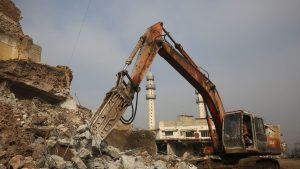
Unlocking Tax Exemptions for Iraq
Reconstruction-Specific Advantages
- Projects in underdeveloped or recovery zones may receive priority.
- Mixed-ownership models unlock longer exemptions.
- Imports for construction (machinery, raw materials) often gain duty-free status.
Pro tip: Partnering locally not only extends exemptions but builds essential networks for permits and execution.
Check compliance needs in our The Ultimate Guide to Iraqi Quality Standards (IQS): Mandatory Products and Compliance Strategies.
Step-by-Step Application Process for Investment Licenses
Securing exemptions starts with a license from the National Investment Commission (NIC) or provincial bodies.
Phase 1: Preparation
- Assemble your team: Legal advisors familiar with Iraqi regulations are non-negotiable.
- Develop a robust feasibility study covering costs, timelines, and impacts.
- Prepare documentation: Business plan, financial projections, ownership details.
Phase 2: Submission
- Apply via the NIC’s one-stop shop or relevant provincial commission.
- Include land allocation requests if needed (leases common for non-residential).
- Pay nominal fees and await initial review.
Phase 3: Approval and Activation
- NIC coordinates with ministries for clearances.
- Upon license grant, notify start of operations to trigger exemptions.
- Maintain records for audits—transparency ensures ongoing benefits.
Timelines vary, but thorough preparation can expedite to months rather than years.
One project I observed scaled rapidly after licensing: Initial infrastructure builds led to phased expansions, compounding savings from exemptions.
Maximizing Benefits: Additional Exemptions and Strategies
Beyond the baseline 10 years:
- Import Duties: Zero on project-specific assets for the build phase.
- Sector Bonuses: Hospitals, schools, or tourism facilities get extra renewals on furnishings.
- Repatriation: Freely transfer profits post-taxes.
Strategies for optimization:
- Structure joint ventures for extended periods.
- Align with national priorities like sustainable energy or housing.
- Reinvest savings into expansions for compounded growth.
Common Challenges and Proven Solutions
Bureaucracy tops the list—delays in approvals frustrate many.
Solutions:
- Engage local consultants early.
- Build buffers into timelines.
- Stay updated on amendments via official channels.
Another hurdle: Verifying exemption activation with tax authorities. Follow up diligently post-license.
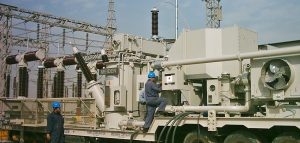
A Practical Guide
Environmental and quality compliance can’t be overlooked—integrate from day one.
For handling material imports smoothly, see our The Ultimate Guide to Handling Pre-Existing Container Damage and Repair Cost Disputes in International Shipping.
Long-Term Outlook: Why Now is Prime Time for Reconstruction Investment
Iraq’s pipeline includes railways modernization, vast housing developments, and utility upgrades—opportunities projected into the billions. With stabilizing conditions and proactive policies, returns potential is high for those who navigate incentives wisely.
These exemptions aren’t handouts—they’re tools to align private profit with public progress. Used right, they transform challenges into advantages.
Master Article 15, and you’re not just investing in projects; you’re positioning for sustained success in one of the region’s most promising recovery stories.
Ready to explore verified opportunities or connect with partners for reconstruction ventures in Iraq? Join Tendify.net today—our platform streamlines sourcing, secures deals, and links you directly to serious players in global trade. Sign up for free and turn insights into action.