


Blog
Which Incoterm is Best for Bulk Liquids? (CFR vs. FOB for Oil & Chemicals)

Why FOB Isn’t Always Ideal and Safer Options to Consider
As someone who’s spent over two decades navigating the complexities of global trade, I’ve seen firsthand how the wrong shipping term can turn a profitable deal into a logistical nightmare. Picture this: You’re coordinating a massive shipment of industrial chemicals across oceans, and a small oversight in your contract leads to disputes over who bears the cost of unexpected delays or contamination. It’s a scenario I’ve encountered more times than I’d like, and it’s why choosing the right Incoterms rule is crucial for bulk liquid cargoes. In this comprehensive guide, we’ll dive deep into Incoterms 2020 tailored for liquid bulk shipments, explore why Free on Board (FOB) isn’t always the go-to option, highlight lower-risk alternatives, and break down the key differences among relevant terms. By the end, you’ll have actionable insights to protect your business and streamline your operations.

Bulk Liquid Cargoes
Understanding Incoterms 2020: The Foundation for Liquid Bulk Trade
Incoterms 2020, published by the International Chamber of Commerce (ICC), represent a set of standardized rules that define responsibilities between buyers and sellers in international transactions. These rules clarify who handles costs, risks, and logistics at each stage of the supply chain. For bulk liquid cargoes—like oils, chemicals, or biofuels—transported via tankers or flexitanks, selecting the appropriate term is even more critical due to the unique challenges involved, such as precise measurement, contamination risks, and regulatory compliance.
Why do these rules matter so much for liquids? Unlike dry goods, liquid cargoes are prone to evaporation, spillage, or quality degradation during loading and transit. According to data from the TT Club, a leading provider of mutual insurance for the transport industry, mishandling during loading accounts for up to 25% of claims in bulk liquid shipments. Incoterms 2020 addresses these by allocating clear duties, but they’re not one-size-fits-all. The 11 rules are divided into two categories: seven for any mode of transport (EXW, FCA, CPT, CIP, DAP, DPU, DDP) and four specifically for sea and inland waterway transport (FAS, FOB, CFR, CIF).
In my experience, many traders default to sea-specific terms for bulk liquids because most shipments involve ocean freight. However, overlooking multimodal options can lead to inefficiencies. For instance, if your cargo starts with road or rail before hitting the port, a rule like FCA might offer more flexibility. The “why” behind this? Sea terms assume direct vessel access, which isn’t always practical for liquids stored in inland tanks.
Let’s break it down further. Incoterms 2020 introduced subtle but impactful changes from the 2010 version, such as expanded notes on security requirements and varying insurance levels between CIF and CIP. These updates emphasize risk transfer points, making them essential for volatile markets where liquid prices fluctuate daily.
Free AI CRM: Transform Your Business Without Spending a Dime
Key Incoterms Applicable to Bulk Liquid Cargoes
Not all Incoterms suit bulk liquids, but several stand out for their practicality in handling large volumes via tankers or containers. Here’s a focused look at the most relevant ones, with an eye on how they manage the inherent risks of liquids like volatility in temperature control or hazardous material regulations.

Bulk Liquid Logistics
Sea and Inland Waterway Rules: Tailored for Maritime Bulk
These four rules—FAS, FOB, CFR, and CIF—are designed for shipments where the main carriage is by water, ideal for bulk liquids loaded directly onto vessels.
- FAS (Free Alongside Ship): The seller delivers goods alongside the vessel at the named port, handling export clearance. Risk transfers when goods are placed next to the ship. For liquids, this means pumping to dockside tanks, but the buyer arranges loading. It’s low-risk for sellers but requires buyers to manage crane or pump operations.
- FOB (Free on Board): Seller loads goods onto the vessel nominated by the buyer. Risk passes once goods cross the ship’s rail. Common for bulk liquids, but as we’ll discuss, it can expose sellers to unforeseen loading issues.
- CFR (Cost and Freight): Seller covers costs up to the destination port, including loading and freight, but risk transfers at the origin port once loaded. Great for sellers wanting control over shipping without insurance obligations.
- CIF (Cost, Insurance, and Freight): Similar to CFR, but the seller also procures insurance. This adds a layer of protection for buyers in high-value liquid trades.
Multimodal Rules: Flexibility for Complex Liquid Supply Chains
For bulk liquids that involve pre-carriage (e.g., trucking to port), these offer alternatives:
- FCA (Free Carrier): Seller hands over goods to the carrier at a named place, often inland. Risk shifts early, making it safer for sellers than FOB for containerized liquids.
- CPT (Carriage Paid To): Seller pays for carriage to the destination, but risk transfers when goods are handed to the first carrier.
- CIP (Carriage and Insurance Paid To): Like CPT, but with insurance. Updated in 2020 to require higher coverage levels, it’s ideal for hazardous liquids.
- DAP (Delivered at Place) and DPU (Delivered at Place Unloaded): Seller bears all risks and costs until delivery at the destination, with DPU including unloading. Useful for door-to-door liquid deliveries.
From my years in the field, I’ve found that mixing modes for liquids—say, rail to port then sea—often favors multimodal terms to avoid disputes over intermediate handling.

Complex Liquid Supply Chains
Why FOB Isn’t Always the Best Choice for Bulk Liquid Cargoes
FOB has long been a staple in international trade, especially for bulk shipments. Under Incoterms 2020, the seller is responsible for loading the goods onto the vessel at the named port of shipment, with risk transferring once the cargo is on board. Costs like export clearance and origin handling fall on the seller, while the buyer takes over freight, insurance, and unloading.
But here’s the insight most overlook: For bulk liquid cargoes, FOB can introduce unnecessary risks and costs that erode margins. Why? Liquids demand precise loading—measuring volumes, ensuring tank integrity, and preventing contamination. If the seller doesn’t have direct control over the vessel’s tanks or pumping equipment, disputes arise. I’ve dealt with cases where evaporation during loading led to short-delivery claims, and under FOB, the seller bears that until the cargo is fully aboard.
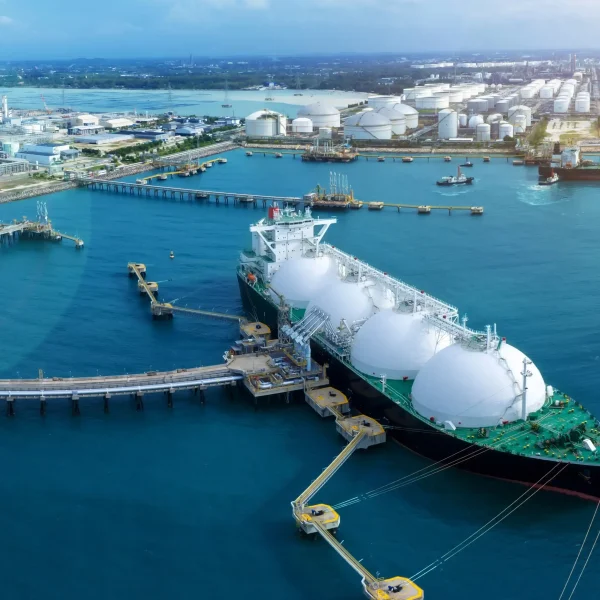
Best Choice for Bulk Liquid Cargoes
Data backs this up. A study by the ICC highlights that FOB-related disputes spiked 15% in liquid trades post-2010, often due to ambiguous “on board” definitions for non-containerized goods. For liquids in flexitanks or ISO tanks, FOB assumes vessel access, but modern ports often require terminal drop-offs days before loading, shifting de facto risk earlier.
Another challenge: Regulatory compliance. Hazardous liquids under IMDG codes need certified handling, and FOB places this squarely on the seller without buyer input on vessel choice. If delays occur—say, due to weather or port congestion—the seller absorbs holding costs. In volatile markets, where oil prices can swing 5% daily, this ties up capital.
From a practical standpoint, FOB favors buyers with strong logistics networks but burdens smaller sellers. I’ve advised clients to avoid it for high-value chemicals, where a single contamination event could cost thousands. Instead, consider the “why” behind alternatives: They redistribute risk to align better with control points in liquid handling.
Common Pitfalls with FOB in Liquid Shipments
To make this actionable, here’s what I’ve learned from real-world challenges:
- Loading Supervision Issues: Sellers can’t always oversee pumping onto tankers, leading to measurement errors. Solution: Opt for terms allowing earlier handover.
- Containerized vs. Break-Bulk: For liquids in containers, FOB is outdated; terminals handle loading, not sellers.
- Cost Overruns: Unexpected demurrage fees if the vessel is late—seller pays until loaded.
- Insurance Gaps: Risk transfers mid-process, leaving sellers exposed during partial loading.
If you’re exporting bulk liquids, audit your last few deals. Chances are, FOB worked fine for standard runs but faltered on complex ones.
Lower-Risk Alternatives to FOB for Bulk Liquid Shipments
Shifting away from FOB doesn’t mean complicating your contracts. Based on my experience optimizing supply chains, here are proven alternatives that reduce risk while maintaining efficiency. These prioritize early risk transfer for sellers or added protections for buyers, tailored to liquid cargoes’ sensitivities.
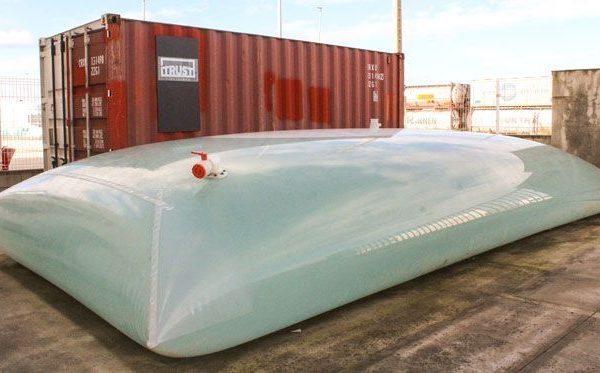
Alternatives to FOB for Bulk Liquid Shipments
FAS: Simplifying Seller Responsibilities
Free Alongside Ship (FAS) moves the delivery point to beside the vessel, not on it. Seller clears exports and places goods dockside—think pumping liquids to port tanks. Risk transfers there, so buyers handle loading.
Why lower risk than FOB? No loading liability for sellers. For liquids, this avoids disputes over onboard measurements. Per ICC data, FAS reduces seller claims by 20% in bulk trades. Drawback: Buyers need reliable stevedores. Use it for non-hazardous oils where port access is straightforward.
CFR and CIF: Extending Seller Control with Safeguards
Cost and Freight (CFR) has the seller pay for loading and freight to destination, but risk passes at origin once loaded—like FOB but with seller-arranged shipping.
The edge over FOB: Seller chooses the carrier, ensuring compatibility with liquid requirements (e.g., heated tanks for viscous fluids). It’s lower risk for buyers on transit issues.
CIF adds insurance, mandating minimum coverage under Incoterms 2020. For high-value liquids, this is a game-changer—seller procures policy, but buyer benefits.
Insightful tip: In fluctuating markets, CIF’s insurance (now aligned with Institute Cargo Clauses) covers evaporation or spills better than buyer-arranged policies. I’ve seen it save deals during stormy seasons.
FCA: The Multimodal Powerhouse for Liquids
Free Carrier (FCA) is my go-to recommendation for containerized bulk liquids. Seller delivers to a named carrier (e.g., trucker or terminal), often inland.
Why safer? Risk shifts early, before port chaos. For flexitank shipments, this aligns with reality—containers are sealed pre-port. A HubSpot logistics report notes FCA cuts disputes by 30% versus FOB for mixed-mode transports.
CPT and CIP: Buyer-Friendly with Insurance Boosts
Carriage Paid To (CPT) mirrors CFR but for any mode—seller pays carriage, risk transfers at first handover.
CIP ups the ante with insurance, now requiring “all risks” coverage in 2020 updates.
Practical application: For inland-to-sea liquid routes, CIP minimizes buyer exposure to transit perils like leaks.
To choose: Assess your control. Sellers with strong carrier networks favor CFR/CIF; those minimizing involvement pick FAS/FCA.
| Incoterm | Risk Transfer Point | Seller Costs | Buyer Risks | Best for Bulk Liquids |
|---|---|---|---|---|
| FOB | On board vessel | Up to loading | From loading onward | Traditional tanker loads |
| FAS | Alongside ship | Up to dockside | Loading and beyond | Low-supervision scenarios |
| CFR | On board (seller pays freight) | Loading + freight | Transit perils | Seller-controlled shipping |
| CIF | On board (with insurance) | Loading + freight + insurance | Minimal until destination | High-value, hazardous liquids |
| FCA | To carrier (inland possible) | Up to handover | From handover | Containerized liquids |
Differences Among Incoterms for Bulk Liquid Cargoes: A Detailed Comparison
Understanding nuances is key to avoiding costly errors. Let’s compare the rules side-by-side, focusing on liquid-specific factors like handling, measurement, and compliance.
Risk Allocation: Where Danger Shifts
In FOB, risk moves once liquids are pumped aboard—vulnerable to partial loads. FAS shifts earlier (dockside), reducing seller exposure to loading mishaps. CFR/CIF match FOB’s point but add seller freight/insurance, buffering buyers.
Multimodal like FCA/CPT transfer at carrier handover, often pre-port, ideal for avoiding port delays. DPU goes furthest, with seller unloading at destination—rare for bulk but useful for specialized deliveries.
Key difference for liquids: Sea rules assume vessel-centric ops; multimodal handle inland risks better, per a Search Engine Journal analysis on trade efficiencies.
Cost Distribution: Who Pays What
FOB: Seller covers origin to loading; buyer everything else.
FAS: Even less for seller—just to dock.
CFR/CIF: Seller adds freight/insurance, appealing for distant buyers.
FCA: Minimal seller costs post-handover.
Why it matters: Liquids incur high terminal fees; terms like CFR shift these to sellers with volume discounts.
Free Professional 3D Container Optimization Tool (20ft & 40ft)
Insurance and Compliance Obligations
Only CIF and CIP mandate insurance—CIF at basic levels, CIP higher. For hazardous liquids, this is non-negotiable under SOLAS conventions.
2020 updates: Clearer security notes mean sellers in CFR/CIF handle export checks, reducing buyer red tape.
Practical Variations in Liquid Handling
- Measurement Disputes: FOB/FAS require precise ullage (space measurement) at transfer; FCA allows earlier verification.
- Contamination Risks: Seller-loaded terms (FOB/CFR) demand clean tanks; buyer-loaded (FAS) shifts this.
- Mode Flexibility: Sea rules lock to water; multimodal adapt to rail/road combos for inland sources.
Case study: A biofuel exporter switched from FOB to FCA, cutting claims by 40% via earlier risk transfer, as reported in industry journals.
Best Practices for Selecting Incoterms in Bulk Liquid Trade
Drawing from my career, here’s a step-by-step framework:
- Assess Cargo Nature: Hazardous? Opt for insured terms like CIF.
- Evaluate Control: Strong port access? FOB works; otherwise, FAS/FCA.
- Factor Market Volatility: Use CFR for cost predictability.
- Negotiate Based on Power: Buyers push FOB; sellers advocate FCA.
- Incorporate Clauses: Add specifics on measurement standards.
Link this to broader strategies—for more on financing these shipments, check our guide on Pre-Shipment vs Post-Shipment Finance: The Ultimate Guide for Exporters.
In wrapping up, mastering Incoterms 2020 for bulk liquid cargoes isn’t just about compliance—it’s about safeguarding your bottom line. FOB has its place, but alternatives like FAS, CFR, and FCA often provide the lower-risk path you need in today’s unpredictable trade landscape. I’ve built successful ventures by prioritizing these details, and you can too.
Ready to apply these insights and connect with reliable partners for your next bulk liquid deal? Sign up on Tendify.net today to access verified suppliers, post RFQs, and streamline your global trade operations. Join now and turn knowledge into action.

