Blog
Why Desert-Rich Nations Like Saudi Arabia Import Sand from Australia
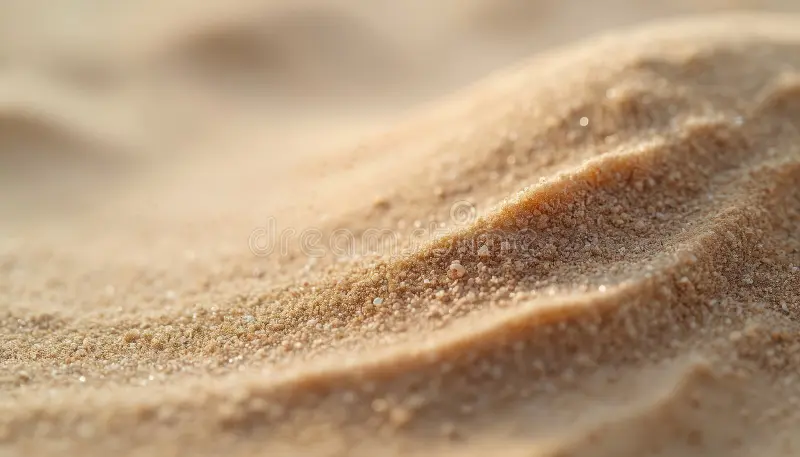
Picture this: vast deserts stretching as far as the eye can see, endless dunes of golden sand. Yet, countries like Saudi Arabia and the UAE ship in massive quantities of sand from halfway across the world, including Australia. It sounds counterintuitive, doesn’t it? I’ve seen this paradox firsthand in large-scale projects over the years—abundant local resources that simply don’t fit the bill. The truth boils down to one critical factor: not all sand is created equal. Desert sand, despite its volume, is useless for modern construction and industrial needs. Let’s dive deep into why this happens, backed by real-world data and practical insights.
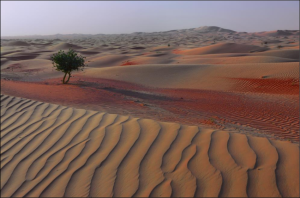
UAE Import Sand
Understanding Different Types of Sand
Sand isn’t just “sand.” Its properties—grain shape, size, composition, and purity—determine its usability. This distinction explains why desert-rich nations import specific types.
Desert Sand: Abundant but Unsuitable
Desert sand forms through relentless wind erosion over millennia. Winds polish grains into smooth, rounded spheres, often too fine (typically under 0.25mm).
Why this matters: In concrete, sand acts as aggregate, filling gaps and binding with cement. Rounded grains slide past each other like tiny marbles, creating weak bonds and poor structural integrity.

Desert Sand
Studies from sources like the United Nations Environment Programme (UNEP) confirm desert sand lacks the angularity needed for strong concrete. It’s great for sandboarding or natural landscapes, but not for building skyscrapers.
Construction-Grade Sand: Sharp and Angular
The sand needed for construction comes from rivers, quarries, beaches, or marine sources. Water erosion tumbles particles, creating sharp, irregular edges that interlock effectively.
Key benefits:
- Better cohesion with cement paste
- Higher compressive strength
- Optimal particle size distribution (usually 0.075mm to 4.75mm)
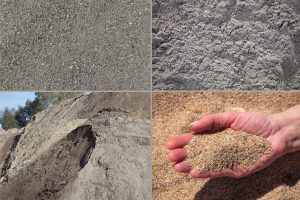
Construction-Grade Sand
This type makes up 60-80% of concrete volume, per industry reports.
High-Purity Silica Sand: For Glass and More
Beyond construction, high-silica sand (over 95% SiO2) is essential for glass manufacturing, electronics, and solar panels.
Australia excels here with vast deposits of pure, white silica sand.

High-Purity Silica Sand
Desert sand often contains impurities that discolor or weaken glass.
Why Australia? Quality and Reliability
Australia ranks as one of the top global exporters of high-quality sand. In 2023, it exported $273 million worth, making it the second-largest exporter among 183 countries (Observatory of Economic Complexity data).
Reasons Australia stands out:
- Geologically stable deposits with angular grains for construction
- Ultra-pure silica for industrial uses
- Sustainable mining practices compared to overexploited sources elsewhere
Ships load bulk sand at Australian ports and deliver it to Gulf hubs.
Saudi Arabia and the UAE also source from China and Belgium, but Australia’s consistency makes it a preferred partner.
The Driving Force: Mega-Projects and Urbanization
Saudi Arabia’s Vision 2030 and the UAE’s post-oil diversification fuel unprecedented construction booms.
Saudi Arabia’s Ambitions
Projects like NEOM (a futuristic linear city), The Line, Qiddiya entertainment city, and the Red Sea Project require billions of cubic meters of high-strength concrete.
Desert sand won’t suffice—structures would risk cracking or collapsing under load.
UAE’s Iconic Builds
The Burj Khalifa alone used concrete equivalent to 330 million liters, much built with imported aggregates. Artificial islands like Palm Jumeirah consumed 186.5 million cubic meters of marine and imported sand.
These nations prioritize longevity and safety in extreme climates.
The Global Sand Crisis: A Bigger Picture
This isn’t unique to the Gulf. The world consumes about 50 billion tons of sand annually (UNEP estimate), more than any other natural resource except water.
Why a crisis?
- Rapid urbanization in Asia, Africa, and the Middle East
- Depletion of river and marine sources leading to illegal mining
- Environmental damage: river erosion, biodiversity loss, coastal degradation
Cement production (heavily reliant on sand) contributes up to 8% of global CO2 emissions.
Gulf imports highlight how even resource-rich areas face shortages of the right resources.
| Aspect | Desert Sand | Construction/Silica Sand (Imported) |
|---|---|---|
| Grain Shape | Rounded, smooth | Angular, sharp |
| Primary Formation | Wind erosion | Water erosion or quarrying |
| Suitability for Concrete | Poor (weak bonding) | Excellent (strong interlocking) |
| Purity (for glass) | Often impure | High silica content |
| Global Availability | Abundant in deserts | Limited to specific deposits |
| Environmental Impact | Low extraction impact | High if unsustainably mined |
In my experience, relying solely on imports isn’t sustainable long-term. Forward-thinking approaches include:
- Manufactured Sand (M-Sand): Crush rock into angular particles. Many projects now adopt this—it’s consistent and reduces natural depletion.
- Recycled Aggregates: Process construction waste into reusable sand-like material.
- Advanced Materials: Explore geopolymer concretes or sand-free alternatives, though not yet scaled.
- Sustainable Sourcing: Regulate mining and invest in restoration.
Saudi Arabia and the UAE already experiment with M-sand for non-critical applications.
Key Takeaways from Decades in the Field
I’ve learned that cutting corners on materials leads to costly failures. The “sand import paradox” teaches us:
- Quality over quantity: Endless deserts mean nothing if the sand doesn’t perform.
- Specialization matters: Modern engineering demands precise inputs.
- Sustainability is urgent: The global sand shortage affects everyone—innovate now.
This counterintuitive trade underscores resource management in a growing world. Next time you see a gleaming skyscraper in the desert, remember: much of its foundation came from distant shores.
If you’re curious about emerging trends in construction materials or sustainable building practices, check out our related articles on Basra Reconstruction 2026 or The Hidden Goldmine Investment: Investing in Exports to the Gulf .
Ready to stay ahead in your projects? Sign up for Tendify.net today to access exclusive insights, tools, and updates on industry trends that drive real results.