Blog
Cheapest Way to Export to Saudi Arabia in 2026
A Practical Guide from a Trader Who Learned the Hard Way
Introduction: Why “Cheap Export to Saudi Arabia” Is Usually a Lie
Let me be honest with you.
If someone tells you “exporting to Saudi Arabia is cheap”, they either:
have never actually shipped a container there, or
are hiding half of the costs from you.
I’ve been trading in the Middle East for more than 15 years. I’ve shipped containers to Jeddah Islamic Port, Dammam (King Abdulaziz Port), and even smaller Saudi entry points that most exporters don’t dare to use. I’ve lost money on my first Saudi shipment—not because the product was wrong, but because I misunderstood the real cost structure.
Cheap Export to Saudi Arabia
Saudi Arabia is not cheap.
But it can be optimized.
And that’s the difference between exporters who survive in 2026 and those who quit after one bad shipment.
This article is not theory. It’s a field manual.
Real numbers. Real mistakes. Real fixes.
The Saudi FMCG : Complete Strategic Directory and Market Analysis for 2024
Aligning Your Exports with Saudi Vision 2030 Giga-Projects
In 2026, the “cheapest” way isn’t just about shipping rates; it’s about Strategic Commodity Alignment. With NEOM and the Red Sea Global projects reaching peak construction phases, the Saudi government has streamlined import processes for specific sectors.
- Building Materials: Priority clearance for sustainable and “green-certified” materials.
- Tech & AI Hardware: Reduced customs delays for electronics supporting the Kingdom’s digital transformation.
- FMCG: Massive demand in the hospitality sector near Giga-project sites.
Pro Tip: Check if your goods fall under the Industrial Development Fund (SIDF) incentives, which can offer duty exemptions for raw materials.
Understanding the Saudi Import Market (Before You Talk About Cost)
Before we talk about “cheap”, you must understand how Saudi Arabia thinks about imports.
Saudi Arabia is:
The largest economy in the Middle East
Extremely regulation-driven
Very serious about compliance
Less forgiving than UAE or Oman
What This Means for Exporters
In Saudi Arabia:
Documentation mistakes = delays + fines
HS code errors = reclassification + higher duty
Wrong Incoterm = unexpected costs you must pay
VAT is 15% (this alone kills many margins)
Saudi buyers are professional. They expect you to know your numbers.
If you don’t, they will push costs onto you.
Saudi Import Market (Before You Talk About Cost)
What “Cheapest Way” Really Means in 2026
Let’s define it clearly.
❌ Cheapest does NOT mean:
Lowest freight quote
Cheapest shipping line
Skipping insurance
Cutting corners on documents
✅ Cheapest means:
Lowest total landed cost
Minimum cash blockage
No penalties
No surprise invoices
Faster clearance = lower storage cost
In Saudi Arabia, cheap = controlled.
Cheapest Way to Export to Saudi Arabia in 2026
Real Cost Structure: Exporting One Container to Saudi Arabia
Now let’s talk numbers.
These are realistic 2025–2026 ranges for MENA exporters (Iran, Turkey, Egypt, South Asia).
Cost Breakdown – 20ft vs 40ft Container (Saudi Arabia)
1️⃣ Inland Transport (Origin Side)
| Cost Item | 20ft | 40ft |
|---|---|---|
| Trucking to port | $250 – $600 | $300 – $750 |
| Container positioning | $80 – $150 | $100 – $180 |
| Loading & sealing | $60 – $120 | $80 – $150 |
🧠 Trader Tip:
If your factory is far from port, this cost quietly destroys your “cheap export” dream.
2️⃣ Export Documentation & Compliance
| Item | Cost (USD) |
|---|---|
| Certificate of Origin | $40 – $120 |
| Export declaration | $50 – $120 |
| Commercial invoice & packing list | $0 – $30 |
| Inspection (if required) | $0 – $200 |
⚠️ Saudi customs cross-check documents digitally. Errors don’t disappear.
3️⃣ Ocean Freight to Saudi Arabia (2026 Reality)
| Route | 20ft | 40ft |
|---|---|---|
| Iran → Dammam | $1,200 – $1,900 | $2,100 – $3,200 |
| Turkey → Jeddah | $1,300 – $2,000 | $2,300 – $3,600 |
| Egypt → Jeddah | $1,100 – $1,800 | $2,000 – $3,100 |
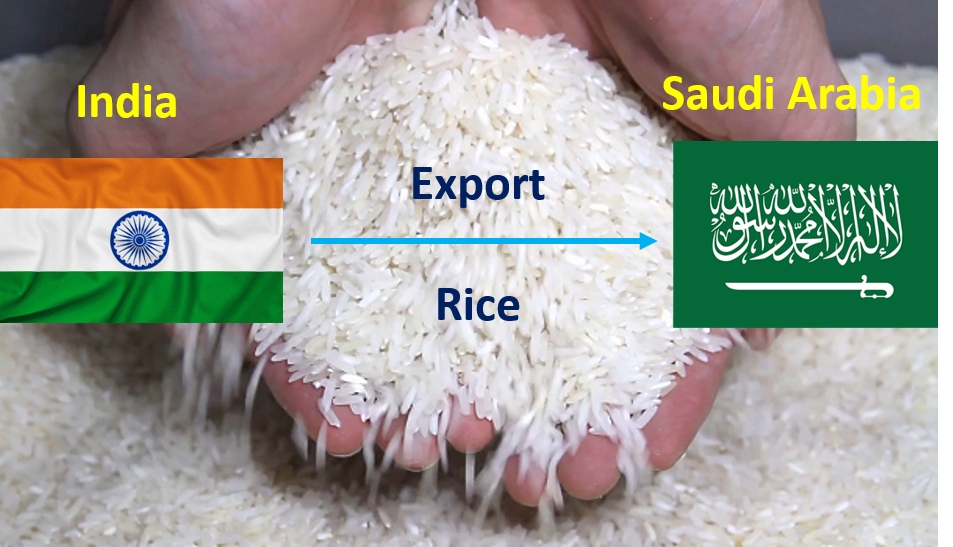
| India → Dammam | $1,000 – $1,700 | $1,900 – $3,000 |
🧠 Reality Check:
Freight is only ~40% of total Saudi cost.
4️⃣ Origin Port Charges
| Charge | Cost |
|---|---|
| Terminal Handling Charge (THC) | $150 – $300 |
| Port documentation | $40 – $90 |
| Customs checks | $0 – $150 |
5️⃣ Destination Port Charges (Saudi Arabia)
Saudi ports are not cheap.
| Item | Average Cost |
|---|---|
| THC (Destination) | $300 – $450 |
| Port service fees | $120 – $180 |
| Container handling | $80 – $140 |
| Storage after free days | $50–$80/day |
⚠️ Free days are limited. Delays = cash bleed.
6️⃣ Customs Clearance in Saudi Arabia
| Service | Cost |
|---|---|
| Clearance agent | $250 – $450 |
| HS reclassification risk | Variable |
| Inspection delay cost | Hidden but real |
🧠 I’ve seen containers delayed 10 days for HS disputes. That’s not cheap.
7️⃣ Duties & Taxes (Biggest Shock)
| Item | Rate |
|---|---|
| Import duty | 5–12% |
| VAT | 15% |
📌 VAT is calculated on:
Product value + freight + insurance + duty
This is where most exporters miscalculate.
The “FASAH” Edge: How We Cut Clearance Time by 40%
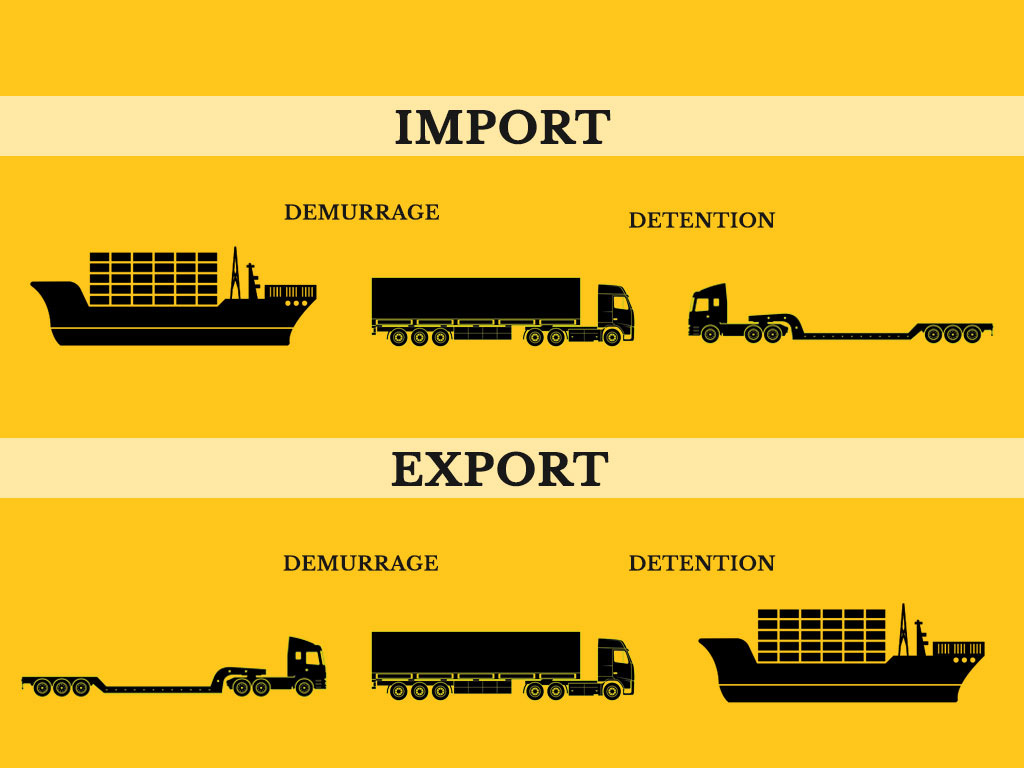
If you’re still relying on manual paperwork in 2026, you’re paying too much in Demurrage and Detention (D&D) charges. The FASAH Platform is now the mandatory backbone of Saudi logistics.
My Experience: By integrating your shipping documents directly into FASAH 48 hours before the vessel berths at Jeddah, you can often secure “Pre-Arrival Clearance.” This eliminates the 3-5 day waiting period that kills the margins of small-scale exporters. Don’t let your broker tell you it’s “impossible”—in the 2026 Saudi market, speed is the ultimate cost-saver.
Total Real Cost: One Container to Saudi Arabia
✅ 20ft Container – All-In Cost
| Scenario | Total Cost |
|---|---|
| Optimized (Best Case) | $3,200 – $3,600 |
| Average Reality | $3,800 – $4,500 |
| Bad Planning | $5,000+ |
✅ 40ft Container – All-In Cost
| Scenario | Total Cost |
|---|---|
| Optimized | $4,800 – $5,800 |
| Average | $5,800 – $7,000 |
| Bad Planning | $8,000+ |
Incoterms Comparison: Where Exporters Lose or Save Money

Where Exporters Lose or Save Money
FOB (Free On Board)
Good for: Experienced exporters
Risk: Buyer controls freight & destination costs
🧠 I prefer FOB only with trusted Saudi buyers.
CIF (Cost, Insurance, Freight)
Good for: First-time exporters
Risk: You carry freight risk
💡 CIF gives price clarity, but you must calculate properly.
DDP (Delivered Duty Paid)
Danger Zone ⚠️
Unless you have a Saudi entity, avoid DDP.
Legal & Regulatory Risks (Real Talk)
❌ Wrong HS Code → higher duty
❌ Missing SASO/SABER compliance → shipment rejection
❌ Wrong Arabic labeling → relabeling costs
❌ Non-Saudi importer → blocked clearance
Saudi Arabia is strict, not flexible.
My Personal Rule (After Losing Money Once)
“If I don’t know my landed cost to the last dollar, I don’t quote Saudi.”
That rule saved me more money than any cheap freight deal.
Why Smart Exporters Use Tools (Not Excel)
Serious traders in 2026:
Track costs per route
Store Incoterm logic
Compare historical shipments
👉 Tendify Free CRM helps exporters:
Control Saudi costs
Avoid Incoterm mistakes
Build repeatable export pricing
4. Real Container Shipping Costs to Saudi Arabia (2026 Reality Check)
Let me be brutally honest here.
If you’re still Googling “average container cost to Saudi Arabia”, you’re already one step behind real traders.
In 2026, there is no single price. There is only your route, your timing, your Incoterm, and your mistakes.
4.1 20ft vs 40ft Container – What Makes More Sense?
As a trader with 15+ years in GCC exports, I can say this clearly:
If your cargo volume is above 60–65%, a 40ft container is almost always cheaper per unit.
But many new exporters still choose 20ft containers because:
Lower upfront cost
Less risk fear
Smaller cash flow pressure
Let’s put emotions aside and look at real numbers.
4.2 Cost Table: Exporting One Container to Saudi Arabia (2026)
Route assumption:
Origin: Jebel Ali (UAE)
Destination: Jeddah Islamic Port
Cargo: Non-hazardous general goods
Season: Normal (non-peak)
| Cost Item | 20ft Container (USD) | 40ft Container (USD) |
|---|---|---|
| Ocean Freight | 1,100 – 1,400 | 1,700 – 2,100 |
| Terminal Handling (Origin) | 180 – 250 | 220 – 300 |
| Documentation Fees | 90 – 150 | 90 – 150 |
| Export Customs Clearance | 120 – 180 | 150 – 220 |
| Port Handling (Jeddah) | 250 – 320 | 320 – 420 |
| Delivery Inside KSA | 300 – 500 | 400 – 650 |
| Total Estimated Cost | 2,140 – 2,800 | 2,880 – 3,960 |
Key Insight (From Experience)
A 40ft container costs ~30–35% more,
but carries almost double the cargo.
That’s where profit lives.
5. Port Charges in Saudi Arabia: The Silent Profit Killer
Many exporters lose money not on freight, but at the port.
Saudi ports are efficient — but not forgiving.
5.1 Main Saudi Port Fees You Must Budget
| Fee Type | Average Cost (USD) |
|---|---|
| THC (Terminal Handling Charge) | 180 – 300 |
| Container Storage (per day) | 45 – 70 |
| Inspection Fee (if selected) | 120 – 250 |
| Customs Service Charge | 60 – 120 |
| Delivery Gate Pass | 30 – 60 |
⚠️ Hard Lesson Learned:
If your documents are not ready before vessel arrival, storage fees can destroy your margin in 3–4 days.
I once paid $620 extra just because a certificate of origin had a typo.
6. Incoterms Comparison: FOB vs CIF vs DDP (Real Trade Perspective)
Let’s talk like real traders, not textbooks.
6.1 FOB – Best for New Exporters?
FOB (Free On Board) means:
You handle export side
Buyer handles shipping & Saudi clearance
✅ Pros:
Lower responsibility
Less financial risk
Cleaner accounting
❌ Cons:
Less control
Buyer may push price down
🧠 My advice:
FOB is ideal for your first 3–5 shipments to Saudi Arabia.
6.2 CIF – The Most Used (and Most Misunderstood)
CIF (Cost, Insurance, Freight) means:
You control freight
Buyer handles customs & delivery
✅ Pros:
More competitive offers
Better margin control
Preferred by Saudi buyers
❌ Cons:
Currency exposure
Freight price volatility
📌 Real Insight:
Most Saudi importers expect CIF pricing — especially in food, FMCG, and industrial supplies.
6.3 DDP – Sounds Good, Rarely Is
DDP (Delivered Duty Paid) is the dream… and the nightmare.
You pay:
Freight
Port charges
Customs
VAT
Local delivery
❌ Hidden Risks:
Saudi tax complexity
Unexpected inspections
Customs delays in your name
🛑 My rule:
Never offer DDP unless you have a Saudi partner or agent.
7. Customs Clearance & VAT in Saudi Arabia (2026 Update)
Saudi Arabia is not a “grey-zone” market anymore.
7.1 Saudi Import VAT
Standard VAT: 15%
Calculated on:
CIF value + customs duty
Example:
CIF Value: $25,000
Customs Duty (5%): $1,250
VAT Base: $26,250
VAT (15%): $3,937
Total tax impact: ~21–22% of CIF value
7.2 Documents That MUST Be Perfect
From painful experience:
Commercial Invoice (Arabic description helps)
Certificate of Origin (chamber-stamped)
Packing List (exact weights)
HS Code accuracy (critical)
SABER registration (for regulated goods)
❗ One mismatch = inspection = delay = cost.
8. Legal & Commercial Risks (What Google Won’t Warn You About)
8.1 Payment Risks
Saudi buyers are reliable — but not fast.
Common terms:
30–60 days
LC at sight (for new suppliers)
Post-dated cheques (avoid)
💡 Pro Tip:
For first deals, insist on:
Partial advance (30%)
Or LC with confirmed bank
8.2 Cultural & Business Reality
Saudi trade is:
Relationship-based
Reputation-driven
Long-term oriented
If you rush, pressure, or overpromise — you lose trust.
9. Real Example: My Cheapest Export to Saudi Arabia
Product: Industrial spare parts
Route: Jebel Ali → Dammam
Incoterm: CIF
Container: 40ft
Result:
Total logistics cost: $3,420
Cargo value: $68,000
Net margin after tax: 11.8%
What made it cheap?
Off-peak booking
Fixed freight contract
Zero storage days
Clean documents
10. Cheapest Export Routes to Saudi Arabia (What Really Works)
One of the biggest myths in exporting is this:
“The shortest route is always the cheapest.”
In real-world trade, the cheapest route is defined by a combination of port efficiency, shipping lines, timing, and paperwork — not geography.
After years of shipping to Saudi Arabia, here’s the reality.
10.1 Exporting via UAE (Still the Smartest Trade Hub)
Let’s be honest.
The UAE remains the most cost-efficient and reliable export hub to Saudi Arabia in 2026 — even for non-UAE exporters.
Why UAE still wins:
Extremely competitive freight rates
Faster customs clearance
Strong logistics ecosystem
Neutral political positioning
Professional freight forwarders
| Route | Average Transit Time | Cost Efficiency |
|---|---|---|
| Jebel Ali → Jeddah | 5–7 days | ⭐⭐⭐⭐ |
| Jebel Ali → Dammam | 4–6 days | ⭐⭐⭐⭐ |
📌 Real trader insight:
I’ve re-exported Turkish and Iranian-origin goods through UAE and still saved 8–12% per container compared to direct shipping.
10.2 Exporting from Turkey (Quality + Competitive Costs)
Turkey remains a strong export base for:
Food products
Construction materials
Industrial goods
Main routes:
Mersin → Jeddah
Istanbul → Dammam
| Advantages | Challenges |
|---|---|
| High quality perception | Longer transit times |
| Trade agreements | Seasonal port congestion |
💡 Experience tip:
If delivery speed isn’t critical, Turkey can be a very cost-effective origin.
10.3 Exporting from Iran (Unfiltered Reality)
This needs honesty.
Direct exports from Iran to Saudi Arabia are:
Politically sensitive
Operationally risky
Limited in scale
What actually works:
Re-export through UAE
Neutral branding
FOB sales to third-country buyers
⚠️ Professional advice:
If you’re new to exporting, do not attempt direct routes without an experienced intermediary.
10.4 Exporting from India & Pakistan
Best suited for:
Agricultural products
Spices
Raw materials
Pros:
Lower freight costs
Cons:
Documentation complexity
Strict compliance
SABER registration challenges
📌 Cheap freight doesn’t help if your shipment gets stuck at Saudi customs.
| Route Mode | Avg. Lead Time | Cost Index | Best For |
|---|---|---|---|
| Sea (Jeddah Islamic Port) | 15-22 Days | Low ($) | Bulk/Heavy Goods |
| Land (GCC Transit) | 4-7 Days | Medium ($$) | Urgent Wholesale Batches |
| Air (Riyadh King Khalid) | 1-3 Days | High ($$$) | High-Value Tech/Samples |
11. Timing Strategies That Save $500–$1,000 Per Container
This is where experience turns into money.
11.1 Best Shipping Months to Saudi Arabia
| Period | Cost Reality |
|---|---|
| January – February | ⭐ Lowest |
| March – April | Medium |
| May – August | ⚠️ Expensive |
| September – October | ⭐⭐ Very good |
| November – December | ⚠️ Congested |
📌 Golden rule:
Never ship close to Ramadan or Hajj unless absolutely necessary.
11.2 Spot Rates vs Contract Rates
Spot rates → Best for testing the market
Contract rates → Best for recurring shipments
My personal rule:
1–2 shipments → Spot
3+ shipments → Contract
11.3 How to Negotiate with Freight Forwarders (Real Trick)
Never ask:
❌ “What’s your price?”
Ask instead:
✅ “Which week is cheapest for this route?”
✅ “Which shipping line is discounting right now?”
Those two questions alone have saved me $300–$700 per container multiple times.
12. Why Small Exporters Often Beat Big Corporations
Large corporations are:
Slow
Bureaucratic
Locked into rigid contracts
Small exporters are:
Fast
Flexible
Negotiation-driven
12.1 The Hidden Advantage of Small Traders
Faster decision-making
Smarter Incoterm switching
Lean packaging strategies
Direct buyer communication
💬 A sentence I’ve heard repeatedly from Saudi buyers:
“We prefer dealing with decision-makers, not departments.”
13. Costly Mistakes That Kill Export Profit
These are not textbook errors — these are expensive lessons.
❌ Overpromising delivery times
❌ Incorrect HS Code classification
❌ Ignoring Saudi VAT
❌ Trusting buyers without advance payment
❌ Shipping without SABER verification
📌 My worst mistake:
A single wrong HS Code cost me $4,800 in penalties and delays.
14. Realistic Profit Margins for Saudi Arabia (2026)
If someone promises you:
“Guaranteed 30% profit exporting to Saudi Arabia”
They are either lying — or inexperienced.
Average Net Margins (After All Costs)
| Sector | Realistic Margin |
|---|---|
| FMCG | 6–10% |
| Industrial Goods | 8–15% |
| Food Products | 5–12% |
| Niche Products | 15–22% |
📌 Sustainable profit comes from repeat shipments, not one-off deals.
Financial Logistics: Securing Payments in the KSA Market
Cheap exporting is useless if you don’t get paid. In 2026, the Saudi Central Bank (SAMA) has enforced strict digital payment protocols for B2B transactions.
Use Escrow-based B2B platforms or ensure your Letter of Credit (L/C) is issued by a Tier-1 Saudi bank (like SNB or Al Rajhi). We’ve seen a rise in “compliance-related payment holds” where funds are frozen because the HS Code on the invoice doesn’t perfectly match the SABER certificate. Precision is your best insurance policy.
Final Conclusion: The True Cheapest Way to Export to Saudi Arabia
After more than 15 years in international trade, here’s the truth in five lines:
Real cost savings come from planning, not luck
40ft containers usually win on unit cost
CIF works best for most Saudi buyers
Timing determines half your profit
Clean documentation equals faster money
Saudi Arabia in 2026 is:
Large
Cash-rich
Strict but fair
If you operate professionally,
this market rewards consistency.