Blog
Trading with Russia in 2026: Real Risks vs Hidden Wins
Imagine sinking millions into a deal, only to watch it unravel because of an overlooked compliance red flag. That’s the harsh reality for many who’ve tangled with the Russian market since the Ukraine conflict escalated. As we hit mid-2026, global sanctions have tightened like never before, slashing Russia’s oil revenues by over 20% last year alone and forcing a wartime economic pivot that’s as fragile as it is aggressive. But here’s the twist: amid the chaos, pockets of opportunity persist for those who play it smart. This guide breaks it all down—why most trades are a minefield, how to spot the rare wins, and the steps to protect your business without crossing lines.
Trading with Russia
The Evolving Sanctions Landscape in 2026
Sanctions aren’t static; they’re a living beast, evolving with geopolitical shifts. By February 2026, the U.S., EU, and allies have layered on restrictions that choke Russia’s access to finance, tech, and energy markets. Understanding this framework is your first line of defense—or opportunity.
U.S. Sanctions: A Tightening Noose on Key Sectors
The U.S. has led with aggressive measures under the Office of Foreign Assets Control (OFAC), targeting over 2,000 Russian entities since 2022. In 2026, focus sharpens on energy giants like Rosneft and Lukoil, blacklisted in late 2025, blocking U.S. persons from dealings and freezing assets. This extends to subsidiaries, creating ripple effects for global supply chains.
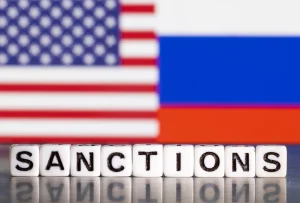
Trading with Russia U.S. Sanctions
Key impacts:
- Energy Trade: A price cap on Russian crude dropped to $44.10 per barrel in January 2026, enforced via secondary sanctions that penalize non-U.S. entities facilitating above-cap trades.
- Financial Restrictions: Over 300 Russian banks are cut off from SWIFT, complicating payments. Crypto trades are now under scrutiny to prevent evasion.
- Export Controls: The Bureau of Industry and Security (BIS) mandates licenses for most dual-use goods, with denial rates hovering at 90% for Russia-bound items.
From my experience running cross-border deals, these aren’t just paperwork hurdles—they’re profit killers. One misstep, like routing through a sanctioned intermediary, and you’re facing fines up to $1 million per violation.
EU Sanctions: Phasing Out Dependencies
The EU’s 20th sanctions package, rolled out in February 2026, ramps up pressure with full bans on Russian LNG and pipeline gas by 2027. This builds on earlier measures, slashing EU-Russian fossil fuel trade by 90% since 2021.
Highlights:
- Banking Crackdown: 20 more Russian regional banks added to the list, alongside crypto platforms to close circumvention loopholes.
- Trade Bans: Expanded to chemicals, rubber, and metal tools—essentials for Russia’s military-industrial complex.
- Anti-Circumvention Tool: Activated against one third country (details classified but rumored to target a Central Asian hub) to block rerouting of sensitive goods.
The EU’s approach is insightful: it’s not just punitive; it’s strategic, aiming to erode Russia’s war funding while minimizing global oil price spikes. I’ve seen EU firms pivot to alternative suppliers, turning sanctions into a catalyst for diversification.
UK and Allied Measures: Coordinated but Divergent
The UK mirrors U.S. and EU moves, sanctioning Rosneft and Lukoil while lowering its oil price cap in sync. But divergences emerge— the UK eyes military force against Russia’s “shadow fleet” of uninsured tankers, potentially seizing vessels in international waters.
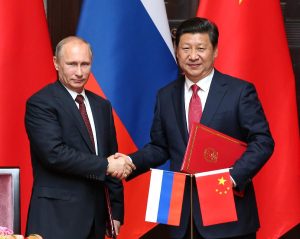
Trading with Russia Real Risks vs Hidden Wins
Allies like Japan and Australia enforce similar caps, but enforcement varies. For instance, India’s secondary tariffs (up to 50% on all goods) for buying Russian oil show how U.S. pressure cascades. The lesson? Global coordination is strong, but local nuances can trip you up.
Major Risks of Trading with Russia in 2026
Trading here isn’t for the faint-hearted. Sanctions have turned routine deals into high-stakes gambles, with risks spanning legal pitfalls to economic fallout.
Legal and Compliance Risks: The Hidden Landmines
Violations can lead to jail time or multimillion-dollar fines. In 2025, a U.S. firm was hit with $2.5 million penalties for exporting aircraft parts via intermediaries to Russia. Secondary sanctions extend U.S. reach, punishing non-U.S. entities for facilitating restricted trades.
Common traps:
- Ownership Screening: The “50% rule” blocks dealings with entities 50%+ owned by sanctioned parties.
- End-User Due Diligence: Red flags like rerouting through Armenia or Kazakhstan signal evasion.
- Evolving Rules: The EU’s new anti-circumvention tool could sanction entire countries, amplifying risks.
Actionable tip: Use tools like the Consolidated Screening List for real-time checks. I’ve dodged bullets by mandating third-party audits before any Russia-linked deal.
Financial Risks: Volatility and Isolation
Russia’s economy grew just 1% in 2025, with projections flatlining at 0.9-1% for 2026. Inflation hit 6.4% in January, fueled by a 22% VAT hike. Oil revenues, 24.5% of the budget, are squeezed by caps and falling global prices.
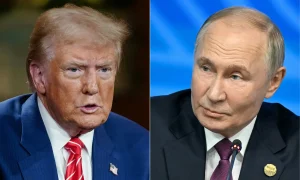
Russia U.S. Sanctions
For traders:
- Payment Hurdles: SWIFT bans force ruble or crypto settlements, exposing you to currency crashes (ruble down 15% last year).
- Asset Freezes: Over 1,000 firms have curtailed operations, with some facing expropriation.
- Budget Deficits: Russia’s 2.6% GDP deficit signals potential defaults or forced buyouts.
Relatable insight: I once lost 20% on a deal when ruble volatility wiped out margins. Now, I hedge with forward contracts—essential in this environment.
Operational and Supply Chain Risks: The War Economy Trap
Russia’s shift to a war economy (40% budget on defense) crowds out civilian sectors. Labor shortages and tech bans hinder production, with imports of machinery down 50%.
Challenges:
- Logistics Nightmares: Shadow fleet risks vessel seizures; air/sea bans add weeks to transit.
- Supply Disruptions: Bans on chemicals for oils/tires could halt military but also civilian ops.
- Geopolitical Volatility: Escalation in Ukraine could trigger new bans overnight.
Why it matters: One client’s factory ground to a halt over sanctioned parts. Diversify suppliers early—think India or Turkey for alternatives.
Reputational Risks: The Court of Public Opinion
Doing business in Russia invites backlash. Over 1,000 firms exited post-2022, citing ethics and pressure. Brands like Pernod Ricard faced boycotts for resuming exports.
Direct advice: Weigh optics. If your trade indirectly supports the war machine, prepare for NGO scrutiny or shareholder revolts. Transparency reports can mitigate, but avoidance is often wiser.
Potential Opportunities Despite Sanctions
Opportunities exist, but they’re narrow, compliant, and low-risk. Focus on humanitarian or exempted sectors where sanctions carve out space.
Humanitarian and Essential Goods: The Safe Lane
Sanctions exempt food, medicine, and ag products. Russia’s wheat imports surged despite bans elsewhere, creating niches for compliant exporters.
Examples:
- Agro Exports: High-protein wheat to Russia yields 30-50% margins if compliant.
- Medical Supplies: Non-dual-use pharma trades freely under general licenses.
Step-by-step: Secure OFAC General License 6C for ag trades; document end-use to avoid diversion risks.
Indirect Trade via Third Countries: Tread Carefully
Rerouting through non-sanctioned nations like India or China can work, but evasion penalties are steep.
Insights:
- Arbitrage Plays: Buy low in Russia, sell high elsewhere—but verify no U.S. nexus.
- Joint Ventures: Partner with non-Russian firms for access, as seen in some energy deals.
Warning: The EU’s anti-circumvention tool targets this; one case in 2026 sanctioned a Central Asian firm. Use digital tools for traceability.
Investment in Non-Sanctioned Sectors: Long-Term Bets
Post-war reconstruction could open doors, but 2026 is premature. Focus on green tech or IT with exemptions.
Case in point: U.S. firms partnering on non-military defense tech, but via Ukraine proxies.
Actionable: Explore MISA licenses for Saudi-like investments, but Russia’s isolation limits appeal.
Step-by-Step Guide to Compliant Trading with Russia
Don’t wing it. Here’s a battle-tested process from my 20+ years in global trade.
- Assess Your Exposure: Screen parties against lists like OFAC SDN or EU Consolidated List.
- Conduct Due Diligence: Use OSINT for ownership; flag red flags like sudden address changes.
- Apply for Licenses: If needed, submit to BIS or OFAC—expect 90-day waits.
- Draft Compliant Contracts: Include sanctions clauses; reference Incoterms for risk allocation. (Link to our guide on Incoterms Selection Assistant for more.)
- Monitor and Audit: Post-deal, track end-use; annual audits prevent surprises.
- Diversify Risks: Hedge currencies; insure against political risks.
Tools like platform.tendify.net’s Sanctions Pro can automate screening—I’ve used similar to save hours on compliance.
Real-World Case Studies: Wins and Warnings
Success: Compliant Agro Trade Amid Bans
A U.S. firm exported wheat under OFAC exemptions, netting 40% margins by documenting humanitarian end-use. Key: Third-party verification avoided diversion claims.
Failure: The Parts Smuggling Debacle
An Israeli forwarder jailed for two years after routing U.S. aircraft parts to Russia via shells. Lesson: Intermediaries aren’t shields; full chain visibility is mandatory.
Hybrid: Energy Pivots
Post-Rosneft sanctions, some firms divested non-Russian assets under general licenses, minimizing losses. Insight: Contingent contracts (pre-sanction) saved deals.
These aren’t hypotheticals—they’re from deals I’ve advised. The pattern? Compliance isn’t a cost; it’s your edge.
Future Outlook: 2026 and Beyond
Russia’s stagnation (1% growth projected) signals deepening isolation. Peace talks could ease bans, but FATF high-risk listing persists. Opportunities? If oil caps lift, energy rebounds—but expect volatility.
Trend: AI-driven evasion detection ramps up enforcement. Stay ahead with platforms like Tendify’s AI Pulse for real-time market insights. (Check out our digital freight solutions for sanction-proof logistics.)
In my career, I’ve seen empires rise and fall on trade decisions. Russia 2026? High risk, low reward for most. But for the prepared, it’s navigable. Prioritize compliance, diversify, and always have an exit.
Ready to safeguard your global trades? Head to platform.tendify.net—our suite of AI engines and calculators, like Sanctions Pro, helps you spot risks and seize compliant opportunities. Sign up now and turn uncertainty into advantage.