Blog
Middle East FMCG Trends 2026: Innovation & Growth Strategies for Brands
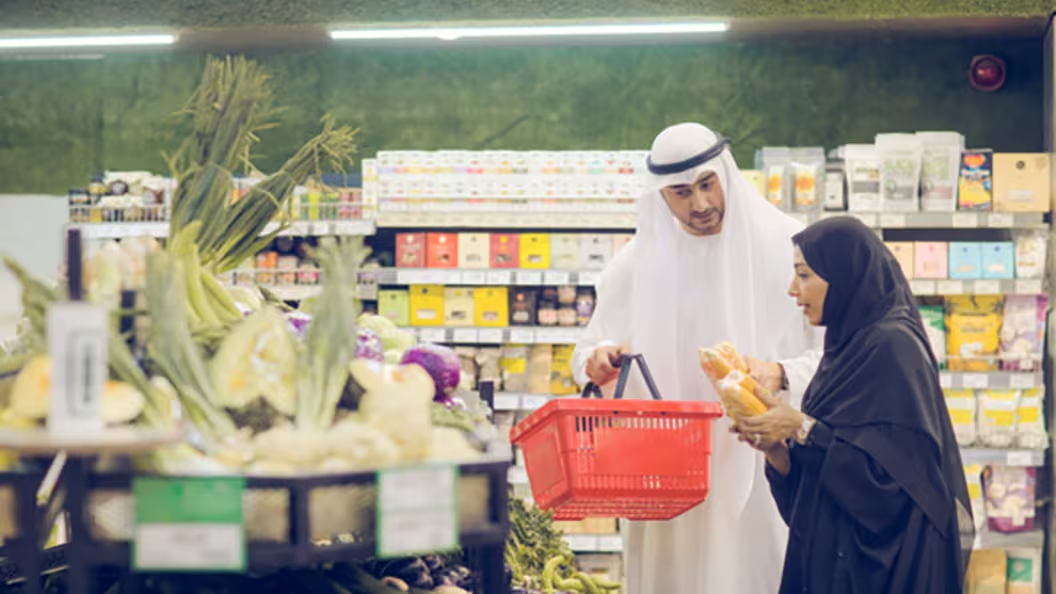
I’ve been in the trenches of retail and supply chain businesses for over 40 years, watching markets rise and fall across regions. One thing I’ve learned: the Middle East FMCG sector isn’t just growing—it’s transforming at breakneck speed. With a market valued at around $568 billion in 2025 and projected to climb steadily, driven by young populations, urbanization, and digital adoption, this is a goldmine for producers, distributors, and brands who get it right.
Picture this: A region where consumers are increasingly health-conscious, eco-aware, and glued to their phones for shopping—yet still loyal to quality and value amid economic pressures. I’ve seen suppliers thrive by spotting these shifts early, turning trends into profitable partnerships. But miss them, and you’re left with unsold stock.
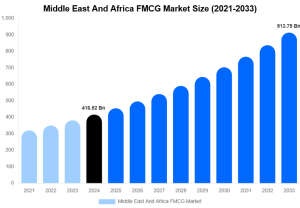
FMCG Trends in the Middle East
This comprehensive guide breaks down the key FMCG trends in the Middle East for 2025 and beyond. We’ll dive into the data, the “why” behind each shift, and actionable steps to capitalize. Backed by insights from sources like Statista, NielsenIQ, and Technavio, this is your roadmap to staying ahead.
The Poland Corridor: A Strategic Guide to Import-Export Opportunities
Market Overview: FMCG in MENA (2024-2026)
Based on recent trade data, the FMCG market in the Middle East is projected to witness a CAGR of 4.5% through 2026. Saudi Arabia and the UAE remain the primary engines, accounting for over 60% of total regional spending. As a professional active in regional logistics, we’ve observed a 15% year-on-year shift from traditional bulk imports to specialized, high-purity industrial materials and refined consumer goods.
The Booming Middle East FMCG Market: Key Statistics and Growth Drivers
The Middle East FMCG landscape is not just growing; it is fundamentally transforming. As of 2025, the sector holds approximately 3.88% of the global market share, driven by exceptionally strong performance in GCC powerhouses like the UAE and Saudi Arabia.
Middle East FMCG Market
Vital Stats at a Glance
These figures highlight a market that is successfully balancing volume growth with inflationary pressures:
Regional FMCG Value: Recent data places the market value at approximately $58 billion, characterized by a 2% volume growth and a 4% price adjustment.
GCC Online Retail Dominance: Digital adoption is skyrocketing, with the online retail share expected to exceed 16% by 2025.
UAE Spending Surge: Total FMCG spending in the UAE is up 7%, with significant momentum in high-frequency categories like snacking, beverages, dairy, and personal care.
Saudi Arabia’s Specialized Growth: The Kingdom maintains a steady 3.3% overall growth, but specific niches are exploding: pet care is up 10% and snacking has risen by 9%.
Core Growth Drivers
The underlying mechanics of this growth are tied to structural shifts in the region’s economy:
Rapid Urbanization & Demographics: The MENA region is now 64% urbanized. This shift, combined with a young, affluent, and tech-savvy population, is creating a permanent demand for modern retail solutions.
Rising Disposable Incomes & Tourism: Increased purchasing power and a massive boost in international tourism—particularly in Saudi Arabia and the UAE—are diversifying the consumer base and driving “premiumization” across product lines.
Government Diversification Mandates: Strategic frameworks like Saudi Vision 2030 and the UAE’s economic diversification strategies have created a stable environment for international trade and industrial investment.
Why This Matters
These aren’t just abstract numbers—they represent a market that consistently outperforms many other global regions. While the world grapples with economic cooling, the Middle East’s urban consumers continue to demand convenience and quality. For businesses, this economic resilience ensures that spending remains steady, providing a fertile ground for brands that can adapt to high-velocity supply chains and automated customs environments.
Trend 1: Digital Transformation and E-Commerce Explosion
Digital isn’t a side channel anymore; it’s the main artery for FMCG growth in the Middle East.
Why It’s Happening: Young, tech-savvy consumers (average 2-3 hours daily on social media) crave convenience. Post-pandemic habits and fast delivery options have accelerated this.
Key Insights for 2025:
- E-commerce FMCG share surging: 11% in UAE (up from previous years), with double-digit online growth in personal care and laundry.
- Social commerce and direct-to-consumer models booming, especially in Saudi Arabia and UAE.
- AI and data analytics driving personalization—brands using real-time insights for inventory and targeted promotions.
Actionable Steps:
- Build a robust online presence: Partner with platforms like Noon or Amazon for wider reach.
- Invest in vendor portals and quick-commerce for same-day delivery.
- Use AI tools for predictive demand—I’ve seen this reduce waste by 20-30% in similar operations.
Ignoring digital means ceding ground to agile competitors. Brands that blend online and offline win big.
Top Trends FMCG in Middle East
Trend 2: Health and Wellness Taking Center Stage
Consumers aren’t just buying products; they’re investing in better lives.
The Shift Explained: Rising awareness of ultra-processed foods, pesticides, and lifestyle diseases. In Saudi Arabia, GLP-1 drug usage hits 11%, signaling proactive health choices.
2025 Highlights:
- Demand for clean-label, plant-based, fortified, and functional foods skyrocketing.
- Organic and health-focused items leading growth in snacks, beverages, and personal care.
- Wearables and apps integrating with shopping—67% of consumers concerned about food quality.
Why It Matters: Health trends drive premiumization. Consumers pay more for perceived benefits, boosting margins.
How to Capitalize:
- Reformulate products: Add fortification or go plant-based—test with certifications like Halal and organic.
- Highlight benefits transparently: Use packaging and marketing to educate on ingredients.
- Target urban centers like Dubai and Riyadh, where wellness adoption is highest.
I’ve advised suppliers who pivoted to healthier lines and saw sales double—it’s not a fad; it’s the future.
CARICOM Trade Guide: How to Profit in the Caribbean Single Market
Trend 3: Sustainability and Eco-Conscious Choices
Sustainability isn’t optional—it’s a consumer demand and competitive edge.
Driving Forces: Global pressures plus regional initiatives for greener practices. Consumers seek reduced waste and ethical sourcing.
Key Developments in 2025:
- Eco-friendly packaging innovations: Recyclable materials and reduced plastics gaining traction.
- Sustainable brands seeing higher unit sales growth.
- Emphasis on local sourcing and carbon footprint reduction.
Pro Insight: 73% of global consumers (higher among youth) willing to pay more for sustainable options—this holds in the Middle East too.
Practical Strategies:
- Audit supply chains for sustainability—partner with eco-certified suppliers.
- Innovate packaging: Smart, minimal-waste designs that appeal to conscious buyers.
- Communicate efforts: Certifications and stories build trust and loyalty.
Brands leading here not only sell more but build lasting relationships.
Trend 4: Premiumization vs. Value Seeking—A Bifurcated Market
Economic realities create a split: Some chase premium, others hunt value.
The Dynamics: Inflation tempers spending, but affluent segments splurge on quality.
Observations:
- Double-digit growth in both premium and value segments in UAE and Saudi Arabia.
- Private labels and affordable alternatives rising.
- Snacking and beverages leading, with seasonal spikes (Ramadan, festivals).
Balancing Act:
- Offer tiered products: Premium for aspirational buyers, value for price-sensitive.
- Leverage promotions during peaks for volume boosts.
- Monitor data: Use analytics to stock accordingly.
This duality offers opportunities—position smartly to capture both ends.
Trend 5: Supply Chain Resilience and Localization
Geopolitical and logistical challenges push for stronger, local networks.
Why Now: Events and costs highlight vulnerabilities; localization reduces risks.
Trends:
- Investments in smart logistics, AI, and 3PL partnerships.
- Preference for regional brands and sourcing.
- Re-export hubs like UAE strengthening distribution.
Steps Forward:
- Diversify suppliers and build buffers.
- Embrace tech for traceability and efficiency.
- Explore local manufacturing for faster, cheaper access.
Resilient chains turn challenges into advantages.
Trading with ASEAN : Opportunities, Regulations, and Market Entry Strategies
Challenges and How to Overcome Them
No growth comes without significant hurdles, and the Middle Eastern FMCG landscape is particularly nuanced. Based on current market shifts, here is how to navigate the primary obstacles:
Inflation and Heightened Price Sensitivity: While the region sees high spending, global inflationary pressures have made consumers more “value-conscious” than ever.
How to Overcome: Move beyond simple discounting by implementing Value Innovations. This includes “right-sizing” packaging for different price points and focusing on “affordable premiumization”—offering high-quality essentials that justify a slightly higher margin through superior benefits.
Hyper-Competition in a Crowded Digital Space: The barrier to entry has lowered, leading to an explosion of both local and international D2C brands.
How to Overcome: Differentiation is no longer optional; it must be driven by Data-Backed Uniqueness. Utilize AI-driven consumer insights to identify untapped niches—such as hyper-localized flavors or specialized wellness needs—and leverage “Engineering as Marketing” by providing interactive tools that help distributors and retailers forecast demand more accurately.
Rapidly Evolving Regulatory & Compliance Landscapes: Governments across the GCC and MENA are tightening standards around Halal certification, mandatory nutritional labeling (Front-of-Pack), and plastic reduction mandates.
How to Overcome: Treat compliance as a competitive advantage rather than a bureaucratic hurdle. By proactively adopting sustainable packaging and transparent labeling before they become law, brands build immense trust with both regulators and the growing demographic of “conscious consumers”.
Supply Chain Volatility and Geopolitical Shifts: Fluctuating energy markets and regional tensions can disrupt even the most robust logistics networks.
How to Overcome: Diversify trade corridors by utilizing emerging systems like rail freight and automated customs processing (e.g., Bayyan 2.0) to reduce reliance on single-mode transport. Investing in localized warehousing and multipurpose maritime vessels can provide the agility needed to bypass regional bottlenecks.
Persistence and adaptation are the ultimate differentiators—I’ve seen it time and again: those who integrate technical expertise with market agility are the ones who dominate.
For deeper dives into regional opportunities, explore these Tendify.net resources:
- The Ultimate Guide to Major Hypermarkets, Supermarket Chains, and Large Grocery Stores in the UAE for Suppliers and Producers
- Domestic Logistics in the UAE: Mastering Inter-Emirate Road Networks, Etihad Rail Revolution, and the Rise of Smart 3PL Partnerships
- Why the UAE Stands as the Middle East’s Premier Re-Export Hub: A Deep Dive into Dubai and Abu Dhabi’s Strategic Edge
The Middle East FMCG market in 2025 rewards the prepared. Whether you’re a producer eyeing distribution or a brand scaling up, these trends point to massive potential.
Ready to align your business with these FMCG trends in the Middle East and unlock new growth? Tendify.net equips you with expert tools, market intelligence, and supplier networks to make it happen. Sign up today and let’s turn insights into action—register now at Tendify.net!
In our experience managing technical equipment and industrial supply chains through Shayesteh Kar Rad Caspian, the bottleneck for FMCG growth in 2026 won’t be demand, but Customs Automation. Transitioning to systems like Bayyan 2.0 and leveraging rail freight over traditional road transport is reducing lead times by up to 30% in the GCC corridor.
Strategic Trade Corridors: Beyond the GCC
While Dubai remains the hub, 2026 will see the rise of the ECO (Economic Cooperation Organization) and AfCFTA corridors. Brands that utilize multipurpose working vessels and specialized maritime logistics to reach markets like Ethiopia and Uzbekistan will gain a first-mover advantage. At Tendify, we are seeing increased demand for high-margin industrial commodities like Lithium and Vein Graphite, which are essential for the manufacturing side of the FMCG ecosystem.
Need a Lead Generation Strategy for your Brand?
Use our interactive B2B Trade Audit tool to assess your market readiness for 2026.
Top Trending FMCG Products to Watch in the Middle East for 2025-2026
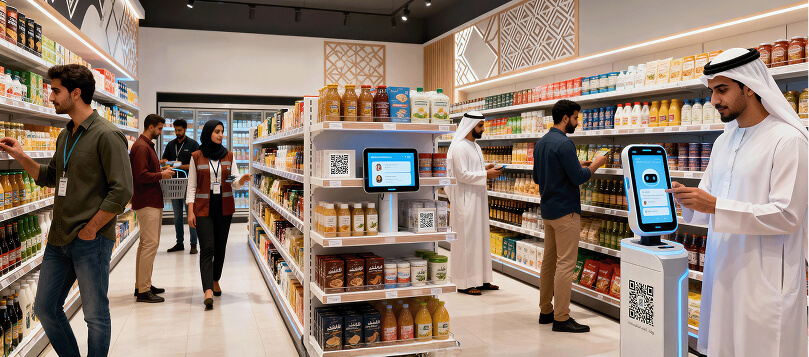
As these broader trends reshape the FMCG landscape in the Middle East, here are some specific product categories gaining serious traction right now—ones I’ve seen fly off shelves and dominate distributor conversations:
Top Trending FMCG Products
- Functional beverages with health boosts: Think probiotic sodas, mushroom-infused drinks, and low-sugar energy options that support gut health and immunity—perfect for consumers prioritizing wellness without sacrificing taste.
- Plant-based and clean-label snacks: High-protein, vegan biscuits and snacks made with natural ingredients are exploding, especially among younger buyers seeking convenient, guilt-free options.
- Herbal and beauty supplements: Collagen gummies, biotin boosters, and herbal supplements for skin, hair, and longevity are topping sales charts, driven by the “beauty from within” movement.
- Eco-friendly personal care items: Sustainable packaging in skincare serums, cruelty-free cosmetics, and recyclable hygiene products that align with growing environmental awareness.
- Premium yet affordable dairy alternatives: Plant-based milks, yogurts, and functional dairy with added probiotics or proteins, appealing to the bifurcated market of value-seekers and premium hunters.
- Halal-Certified Natural Beauty & Personal Care: There is a surging demand for skincare and cosmetics that combine Halal certification with indigenous regional ingredients like black seed oil, saffron, and date extracts.
- Gourmet Frozen & Ready-to-Eat Meals: As lifestyles accelerate across the GCC, consumers are shifting toward high-quality, preservative-free frozen meals that offer restaurant-grade taste with the convenience of rapid preparation.
- Concentrated & Eco-Friendly Household Cleaners: Driven by both sustainability goals and the need to optimize logistics costs, concentrated formulas that reduce plastic waste and shipping volume are gaining significant shelf space.
- At-Home Wellness & Diagnostic Kits: Reflecting the “preventative health” trend, rapid home testing kits for monitoring glucose, vitamin deficiencies, and food intolerances are becoming a staple in the FMCG health aisle.
- Low-Glycemic & Natural Sweeteners: With rising health awareness regarding diabetes in the Middle East, natural alternatives like Stevia, monk fruit, and low-GI syrups are rapidly replacing traditional refined sugars.
- Premium Organic Baby Food & Care: Modern parents in the region are increasingly prioritizing organic, paraben-free, and chemically clean products for their children, making this one of the most resilient high-margin sectors.

FMCG Products to Watch in the Middle East
Frequently Asked Questions (FAQ)
Q1: What are the primary growth drivers for the FMCG sector in the Middle East for 2026? The sector is primarily driven by rapid urbanization—with MENA now 64% urbanized—and a young, tech-savvy population with high disposable income. Additionally, government initiatives like Saudi Vision 2030 and UAE economic diversifications are creating a highly stable environment for trade and investment.
Q2: How significant is the shift toward E-commerce in the GCC? The shift is transformative. Online retail share in the GCC is expected to exceed 16% by 2025. This surge is particularly evident in the UAE, where spending in snacking, beverages, and personal care has seen a 7% increase.
Q3: Which product categories are seeing the highest growth in Saudi Arabia? While the overall market grows at a steady 3.3%, specialized categories are leading the way. Specifically, pet care has seen a 10% increase, while the snacking category has grown by 9%.
Q4: How can brands overcome the challenge of inflation and price sensitivity? Brands should focus on “Value Innovations” rather than just price cuts. This involves right-sizing packaging for different price points and focusing on “affordable premiumization”—delivering high-quality essentials that justify their value through superior benefits.
Q5: What regulatory trends should FMCG distributors be aware of? There is an increasing focus on strict Halal certification, mandatory nutritional “Front-of-Pack” labeling, and sustainability mandates aimed at reducing plastic waste. Proactively adopting these standards is now a key competitive advantage in the region.
Q6: How is the supply chain evolving to meet these new demands? Efficiency is being driven by automation and infrastructure diversification. The transition to automated customs systems like Bayyan 2.0 and the increasing use of rail freight are significantly reducing lead times and helping brands bypass traditional logistics bottlenecks.