Blog
Iran–US–Israel Tensions: Strategic Risks, War Scenarios, and Global Economic Consequences
The Middle East has entered one of its most fragile strategic moments in decades. Escalating tensions involving Iran, the United States, and Israel are no longer confined to rhetoric, proxy conflicts, or diplomatic standoffs. Instead, they are increasingly defined by direct warnings, military posturing, economic sanctions, and regional instability that threatens to spill beyond borders.
Unlike previous cycles of tension, the current environment is shaped by three compounding realities: prolonged economic pressure on Iran, heightened Israeli security doctrine centered on preemptive deterrence, and a United States navigating global commitments while managing domestic political and economic constraints. At the same time, global markets—already strained by inflation, energy transitions, and geopolitical fragmentation—are far less resilient than they were a decade ago.
Iran–US–Israel Tensions
This article provides a fact-based, non-ideological analysis of the current Iran–US–Israel confrontation, examines realistic military and regional war scenarios, and evaluates the economic consequences of a potential conflict—both for the Middle East and the global economy. The goal is not prediction by speculation, but structured forecasting grounded in historical precedent, economic modeling, and strategic behavior.
1. The Current Strategic Context: What Has Changed?
1.1 Iran’s Position: Strategic Pressure Meets Economic Fragility
Iran today faces a convergence of internal and external pressures. Economically, years of sanctions have constrained oil exports, limited access to global finance, and reduced investment inflows. Politically, domestic unrest and legitimacy challenges increase the regime’s sensitivity to external threats. Strategically, Iran’s regional posture—through allied groups and deterrence signaling—has become more explicit.
Recent official statements from senior Iranian officials have framed any direct attack as grounds for a “full-scale response,” signaling a shift from calibrated ambiguity to overt deterrence language .
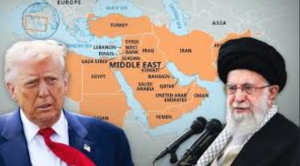
Iran’s Position Strategic Pressure Meets Economic Fragility
From a strategic standpoint, Iran’s calculus is shaped by:
The need to preserve deterrence credibility
Avoidance of direct conventional war if possible
Maintenance of regional influence through asymmetric means
However, deterrence under economic strain is inherently unstable.
1.2 The United States: Deterrence Without Entrapment
The U.S. approach to Iran has oscillated between pressure and restraint. Sanctions remain the primary tool, particularly targeting Iran’s energy exports and shipping networks. Recent actions against oil tankers and intermediaries underscore Washington’s intent to restrict revenue streams without immediate kinetic escalation .
The United States Deterrence Without Entrapment
Yet the U.S. faces constraints:
War fatigue after prolonged global engagements
Inflation sensitivity to energy shocks
Strategic competition with China and Russia
Any military action would be weighed not only against regional security goals, but against global economic spillovers.
1.3 Israel: Preemption as Doctrine
Israel’s security doctrine emphasizes preemptive action against existential threats. From its perspective, Iran’s military capabilities and regional network pose long-term strategic risks. Israel’s tolerance for strategic ambiguity has declined, particularly in the context of regional instability and perceived narrowing windows for action.
This creates a structural risk: Israel’s timeline may not align with U.S. or global economic tolerance for escalation.
2. Why This Crisis Is Structurally More Dangerous Than Past Episodes
2.1 Reduced Diplomatic Shock Absorbers
Historically, crises were mitigated by:
Active multilateral diplomacy
Backchannel communications
Strong economic interdependence
Today, diplomatic channels are weaker, trust deficits are deeper, and global economic blocs are fragmenting. This increases miscalculation risk.
Depth Analysis of the UAE Construction Sector and Its Titans
2.2 The Energy Market Is Less Resilient
Unlike previous decades, global energy markets are:
Operating with tighter spare capacity
More exposed to geopolitical choke points
Politically sensitive due to inflation
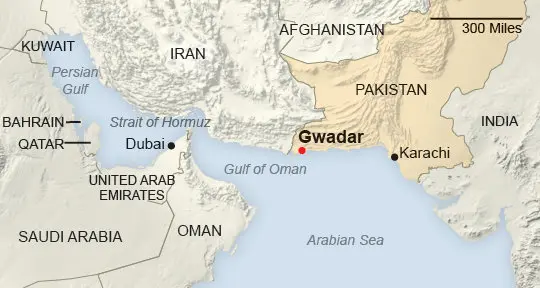
Any disruption in the Persian Gulf or Strait of Hormuz would transmit shockwaves rapidly through oil, gas, shipping, and insurance markets.
3. Military Escalation Pathways: Realistic, Not Hypothetical
Military Escalation Pathways Realistic, Not Hypothetical
3.1 Scenario Framing (Not Predictions)
Rather than “will there be war?”, a realistic framework asks:
What types of conflict are most likely?
What escalation ladders exist?
Where are off-ramps or failure points?
We examine three broad pathways (expanded in later sections):
Limited strikes with controlled retaliation
Regional conflict involving proxies and maritime disruption
Direct state-to-state confrontation (low probability, high impact)
Each pathway carries distinct economic signatures.
4. The Regional Dimension: Why a Local Conflict Won’t Stay Local
4.1 Spillover Effects in the Middle East

Spillover Effects in the Middle East
Any Iran–US–Israel confrontation would involve:
Iraq (bases, logistics, political instability)
The Gulf states (energy infrastructure risk)
Lebanon and Syria (proxy theaters)
Regional economies—already managing fiscal reforms and diversification—would face capital flight, insurance cost spikes, and currency pressures.
4.2 Trade and Shipping Vulnerabilities
The Middle East is not only an energy hub—it is a logistics corridor. Disruptions would affect:
Global container shipping
Food imports for dependent regions
Insurance and reinsurance markets
These effects propagate beyond energy prices into global trade inflation.
5. Setting the Economic Baseline: The World Before a War
Before analyzing war impacts, it’s essential to understand the starting point.
5.1 Global Economy Snapshot
Elevated inflation in advanced economies
Tight monetary policy and high interest rates
Slowing growth in Europe and parts of Asia
High debt levels in both developed and emerging markets
This means less policy room to absorb shocks.
5.2 Energy and Inflation Linkages
Energy prices remain one of the strongest drivers of:
Headline inflation
Consumer confidence
Central bank decision-making
A geopolitical energy shock would complicate the already fragile balance between inflation control and growth.
6. The Role of China and Russia: Strategic Hedging
China and Russia are not neutral observers.
China prioritizes energy security, stable trade routes, and avoidance of price volatility.
Russia benefits from higher energy prices but risks secondary sanctions and market instability.
Their responses would shape the duration and intensity of economic fallout, particularly in commodity markets and global finance.
Escrow vs. Traditional Wires: Why Savvy Businesses Are Making the Move
7. Why Markets React Before Missiles Fly
Financial markets are forward-looking. Even credible threats—without conflict—can:
Raise oil futures
Increase risk premiums
Strengthen safe-haven assets
Weaken emerging market currencies
This anticipatory behavior can create economic damage even if war is avoided.
Conclusion of Part 1: A High-Risk, Low-Resilience Moment
The Iran–US–Israel triangle sits at the intersection of strategic mistrust and economic fragility. The risk today is not just war, but miscalculation in a world with limited buffers. Energy markets, trade systems, and financial stability are tightly coupled to geopolitical outcomes.
In Part 2, we will move from context to detailed scenario analysis, examining:
How military escalation could unfold
Regional war dynamics
Probability-weighted outcomes
From there, we will quantify economic impacts with data-driven forecasts.
Military Escalation Scenarios: How a Conflict Could Actually Unfold
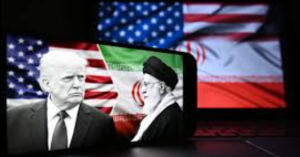
Military Escalation Scenarios
1. Why “Will There Be War?” Is the Wrong Question
In geopolitics, wars rarely start with declarations. They begin with escalation chains—a sequence of actions, reactions, miscalculations, and forced responses. Asking whether war will happen misses the more relevant question:
What kinds of conflict are structurally likely given current incentives, constraints, and red lines?
Between Iran, the United States, and Israel, the strategic environment suggests asymmetric, layered escalation, not immediate full-scale war. Understanding this requires breaking conflict into plausible scenarios, each with distinct military, regional, and economic implications.
2. Strategic Red Lines of the Three Actors
Before modeling scenarios, we must define non-negotiable red lines.
2.1 Iran’s Red Lines
Iran’s behavior over the last two decades reveals consistent priorities:
Avoid full conventional war with the U.S.
Preserve regime survival above all else.
Maintain deterrence credibility.
Protect energy export routes and internal stability.
Iran is willing to absorb limited strikes if retaliation preserves deterrence without triggering overwhelming response.
2.2 United States’ Red Lines
The U.S. seeks to:
Prevent nuclear proliferation.
Protect allies and regional bases.
Avoid prolonged regional war.
Minimize global economic disruption.
Washington tolerates limited instability, but not sustained threats to global energy flows or U.S. personnel.
2.3 Israel’s Red Lines
Israel’s security doctrine is the most rigid:
No tolerance for existential threats.
Preference for preemptive action.
Low patience for prolonged uncertainty.
Israel is the actor most willing to escalate quickly, especially if it believes delay worsens strategic outcomes.
3. Scenario Framework: Three Escalation Pathways
Rather than dozens of hypotheticals, analysts converge around three realistic scenarios. These are not predictions but decision-path outcomes based on historical behavior and current capabilities.
Scenario 1: Limited Kinetic Exchange (Contained Escalation)
3.1 Description
This scenario involves:
Precision strikes (air or cyber)
Symbolic retaliation
Rapid de-escalation through backchannels
Examples:
Israeli strike on Iranian-linked facilities
U.S. strike on specific assets
Iranian retaliation via calibrated proxy actions
No actor seeks prolonged conflict.
3.2 Why This Scenario Is Likely
It allows all sides to “save face”
Limits domestic political fallout
Keeps escalation below full war
Preserves energy infrastructure
Historically, this has been the default outcome of high-tension periods.
3.3 Military Characteristics
Duration: days to weeks
Geography: localized
Civilian impact: limited
Infrastructure damage: selective
3.4 Economic Signature (Preview)
Oil price spike (short-lived)
Increased market volatility
Risk premiums rise temporarily
Central banks remain cautious
This scenario is economically disruptive—but manageable.
Scenario 2: Regional Conflict via Proxies (High Probability, High Cost)
4.1 Description
This is the most dangerous likely scenario.
It involves:
Sustained proxy warfare
Maritime incidents in the Gulf
Missile and drone exchanges
Attacks on logistics and energy infrastructure
Iran avoids direct confrontation but raises the cost for all parties.
4.2 Why This Scenario Is Structurally Attractive to Iran
Preserves plausible deniability
Avoids direct U.S. invasion risk
Exploits regional fault lines
Stretches adversaries economically
This is asymmetric warfare optimized for endurance, not victory.
4.3 Regional Expansion Zones
Potential theaters include:
Iraq (bases, supply lines)
Syria (airspace and logistics)
Lebanon (northern Israel pressure)
Red Sea & Strait of Hormuz (shipping)
Each zone adds economic and political friction.
4.4 Military Characteristics
Duration: months
Geography: multi-country
Civilian impact: moderate to high
Infrastructure damage: significant risk to energy/logistics
4.5 Strategic Risk: Escalation Without Control
The danger here is horizontal escalation—new fronts opening unintentionally. Each incident increases the probability of miscalculation.
4.6 Economic Signature (Preview)
Sustained oil prices above equilibrium
Insurance costs surge
Shipping delays compound inflation
Emerging markets face capital flight
This scenario is economically severe, even without full war.
Scenario 3: Direct State-to-State War (Low Probability, Extreme Impact)
5.1 Description
This scenario involves:
Direct strikes between Iran and Israel or U.S.
Air campaigns
Missile exchanges
Major infrastructure damage
All actors understand this is mutually destructive.
5.2 Why This Scenario Is Unlikely—but Not Impossible
Constraints include:
High civilian casualties
Global economic collapse risk
Domestic political backlash
Loss of strategic control
However, miscalculation or forced escalation could override rational restraint.
5.3 Military Characteristics
Duration: unpredictable
Geography: regional-wide
Civilian impact: high
Infrastructure damage: catastrophic
5.4 Economic Signature (Preview)
Oil prices potentially >$150/barrel
Global recession risk
Severe inflation shock
Financial market dislocation
This scenario is systemic, not regional.
6. The Maritime Dimension: The Hidden Escalation Vector
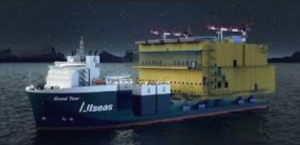
Maritime Dimension
6.1 Why the Strait of Hormuz Matters

Hormuz Matters
Roughly 20% of global oil trade passes through the Strait of Hormuz. Even perceived threats can:
Spike futures prices
Trigger insurance withdrawal
Disrupt shipping schedules
Iran does not need to close the Strait—uncertainty alone is enough.
6.2 Gray-Zone Maritime Tactics
Harassment of vessels
GPS interference
Seizure of tankers
Drone surveillance
These tactics blur the line between peace and war.
7. Cyber Warfare: The Silent Battlefield
Cyber operations are now standard escalation tools.
Targets include:
Energy infrastructure
Financial systems
Ports and logistics software
Communication networks
Cyber escalation:
Is deniable
Has real economic cost
Can precede kinetic conflict
Markets often react before attribution is confirmed.
8. Why De-escalation Is Harder Than It Looks
Several factors reduce off-ramps:
Domestic political pressures
Media amplification
Alliance commitments
Loss of strategic trust
Once escalation begins, leaders may feel locked into response cycles.
9. Probability Weighting (Analytical, Not Predictive)
Based on current data and behavior patterns:
Scenario 1 (Limited Exchange): ~45%
Scenario 2 (Regional Proxy Conflict): ~40%
Scenario 3 (Direct War): ~15%
These probabilities are dynamic, not static.
10. Why Economics Will Shape Military Decisions
Crucially, all actors are constrained by:
Inflation sensitivity
Energy market stability
Domestic economic resilience
This makes economic fallout a strategic variable, not a side effect.
Probability of a Regional War & Escalation Pathways
3.1 Why a Regional War Is a More Likely Scenario Than a Direct Full-Scale War

Regional War
From a strategic standpoint, a direct, declared war between Iran and the United States remains low-probability, but a regional multi-front conflict involving Israel is significantly more plausible.
This distinction matters.
Modern conflicts involving major powers rarely begin as formal wars. Instead, they escalate through:
proxy engagements
limited strikes
retaliatory cycles
economic warfare
cyber operations
The Middle East is already structured as a networked conflict system, not a set of isolated bilateral relationships.
Directory of FMCG Companies in the UAE (2026 Edition)
Iran does not need — nor want — a conventional war with the US. Instead, its strategic doctrine focuses on:
deterrence through regional depth
asymmetric retaliation
cost-imposition rather than victory
The US and Israel, meanwhile, seek:
containment
deterrence restoration
prevention of nuclear breakout
These objectives collide not head-on, but sideways — across multiple theaters.
3.2 The Key Regional Flashpoints
3.2.1 Israel–Iran Shadow War Turning Overt
The Israel–Iran conflict has already crossed several red lines:
Israeli strikes on Iranian assets in Syria
Alleged Israeli involvement in assassinations of Iranian personnel
Iranian missile and drone launches toward Israeli territory (April 2024 precedent)
What has changed recently is visibility.
Previously:
deniability existed
escalation could be managed quietly
Now:
actions are public
retaliation is expected
political leaders face domestic pressure to respond
This dramatically increases escalation risk.
A single miscalculation, especially involving civilian casualties or symbolic targets (embassies, energy infrastructure, major cities), could trigger a broader regional response.
3.2.2 Lebanon and Hezbollah: The Northern Front Risk
Hezbollah remains the most powerful non-state military actor in the region.
Key facts:
Estimated arsenal: 130,000–150,000 rockets and missiles
Precision-guided munitions increasingly present
Capable of overwhelming Israel’s missile defense through saturation
Despite this, Hezbollah has so far shown strategic restraint.
Why?
Lebanon’s economic collapse limits tolerance for war
Hezbollah understands that a full war would be devastating domestically
Iran prefers Hezbollah as a deterrent reserve, not a first-move asset
However, escalation could occur if:
Israel launches a large-scale strike on Iranian nuclear facilities
Iranian leadership believes deterrence credibility is collapsing
Hezbollah perceives existential threat
If Hezbollah fully enters the conflict, this becomes a regional war by default.
3.2.3 Gulf States and Maritime Escalation
The Persian Gulf is one of the most fragile escalation zones globally.
Critical vulnerabilities:
Strait of Hormuz (20–25% of global oil passes through)
LNG terminals in Qatar and UAE
Offshore energy platforms
Shipping lanes for Asian and European markets
Iran’s naval doctrine emphasizes:
fast attack boats
mines
drones
missile threats against shipping
Even temporary disruption — not closure — of Hormuz would:
spike oil prices instantly
trigger insurance withdrawal
force naval intervention
Gulf states do not want war, but:
US military presence makes them potential targets
Israeli–Iran escalation could spill into Gulf infrastructure
Markets react before governments do
3.3 The Proxy Network: Multiplying the Conflict Surface
Iran’s strategic advantage lies in horizontal escalation.
Rather than escalating vertically (bigger bombs, more troops), Iran escalates by:
expanding the number of active fronts
increasing uncertainty for adversaries
raising costs without direct attribution
Potential proxy theaters:
Iraq (militias targeting US bases)
Syria (airstrikes and counterstrikes)
Yemen (Red Sea shipping disruptions)
Cyber operations against energy, finance, logistics
This creates a conflict geometry problem for the US and Israel:
too many simultaneous threats
difficulty defining victory
risk of mission creep
3.4 Escalation Ladders and Trigger Events
Likely Triggers for Broader War
Direct strike on Iranian nuclear facilities
Mass civilian casualties in Israel or Iran
Closure or mining of Strait of Hormuz
Assassination of senior political or military leadership
Misinterpreted military movement during heightened alert
Less Likely But High-Impact Triggers
Cyberattack causing prolonged blackout in major city
Strike on religious or symbolic sites
Accidental engagement between US and Iranian naval forces
History shows wars often begin not from intention, but from failed signaling.
3.5 Why De-escalation Is Still Possible (But Fragile)
Despite rising tensions, multiple factors still constrain full-scale war:
Economic exhaustion on all sides
Election cycles in the US and regional states
Chinese and Russian pressure for stability
Global energy market fragility
Unpredictable domestic backlash
However, restraint today does not guarantee restraint tomorrow.
The system is stable — but brittle.
3.6 Probability Assessment (Based on Current Data)
| Scenario | 12-Month Probability |
|---|---|
| No major escalation | ~40% |
| Limited regional conflict | ~35% |
| Multi-front regional war | ~20% |
| Direct US–Iran war | <5% |
Markets, investors, and governments are increasingly pricing in Scenario 2, while preparing contingencies for Scenario 3.
Economic Consequences for the Middle East
4.1 Why Economics, Not Military Power, Will Decide the Outcome
Modern wars in the Middle East are not decided on the battlefield alone. They are decided in:
currency markets
energy flows
capital movement
investor confidence
supply chains
Military escalation triggers economic shockwaves that often cause more long-term damage than physical destruction.
In a potential Iran–US–Israel conflict, the economic center of gravity would be the Middle East itself. Even countries not directly involved militarily would experience immediate consequences.
4.2 Iran’s Economy Under War Conditions
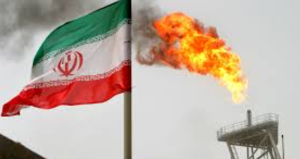
Iran’s Economy Under War Conditions
4.2.1 Current Economic Baseline
Iran enters any potential conflict from a position of structural economic fragility, but also adaptation.
Key indicators (pre-war conditions):
Chronic inflation (40–50% range)
Currency depreciation pressure (rial volatility)
Sanctions-constrained oil exports, mainly to China
High youth unemployment
Limited access to global financial systems (SWIFT restrictions)
However, Iran has also developed:
sanctions circumvention networks
barter-based trade
regional economic integration
domestic substitution industries
This creates a paradox: Iran is weak, but resilient.
4.2.2 Immediate Effects of Escalation
If hostilities expand:
Short-term impacts (0–3 months):
Rapid depreciation of the rial
Surge in inflation due to import disruption
Capital flight into gold, foreign currency, crypto
Panic buying of essentials
Pressure on fuel subsidies
Medium-term impacts (3–12 months):
Government monetization of deficits
Increased reliance on China and Russia
Expansion of informal economy
Decline in living standards
Risk of social unrest
Iran’s leadership would likely prioritize:
internal security
subsidy control
food and fuel supply continuity
Economic reform would be postponed indefinitely.
4.2.3 Oil Exports: Lifeline and Vulnerability
Iran’s oil exports are already constrained, but war introduces new risks:
interdiction of shipping
sanctions enforcement tightening
insurance withdrawal
payment delays
Even a 20–30% reduction in exports would significantly reduce hard currency inflows.
The Saudi FMCG : Complete Strategic Directory and Market Analysis for 2024
However, paradoxically:
higher global oil prices could partially offset volume loss
China may increase purchases at deeper discounts
Iran’s oil strategy under war would focus on:
secrecy
diversification of routes
political leverage rather than revenue maximization
4.3 Israel’s Economy Under Conflict Stress
Israel’s Economy
4.3.1 Israel’s Economic Strength — and Fragility
Israel has a technologically advanced, globally integrated economy:
strong high-tech sector
foreign investment inflows
advanced financial markets
stable currency (shekel)
But this strength is also a vulnerability.
Israel’s economy is confidence-driven.
4.3.2 Immediate Economic Impacts
Financial markets:
sharp stock market declines
shekel depreciation
central bank intervention
capital outflows from foreign investors
Real economy:
shutdown of tourism
labor shortages due to mobilization
disruption to logistics and ports
higher defense spending
Israel’s tech sector is particularly sensitive:
VC funding slows immediately
startups face cash flow pressure
global clients reassess risk exposure
4.3.3 Long-Term Risks
If conflict becomes prolonged or multi-front:
Israel’s debt-to-GDP ratio would rise
rating agencies may revise outlooks
foreign direct investment could decline structurally
brain drain risk increases
Israel can sustain short wars economically.
Long wars are a different story.
4.4 Gulf Economies: Between Windfall and Risk

Gulf Economies Between Windfall and Risk
4.4.1 Oil Producers: Saudi Arabia, UAE, Qatar
At first glance, Gulf oil exporters benefit from:
higher oil prices
increased fiscal revenues
stronger trade balances
However, this is only half the story.
Risks include:
attacks on energy infrastructure
insurance withdrawal for shipping
capital market volatility
disruption to diversification plans (Vision 2030, UAE non-oil growth)
Markets price risk faster than revenue.
4.4.2 Financial Centers Under Pressure
Dubai, Abu Dhabi, Doha function as:
regional financial hubs
logistics centers
safe havens for capital
In a regional war scenario:
capital inflows may initially increase
but sustained conflict leads to risk reassessment
expatriate workforce confidence becomes fragile
A single major attack on Gulf infrastructure would change everything.
4.5 Lebanon, Iraq, Syria: Fragile States, Severe Impact
Lebanon
Banking system already collapsed
Hezbollah involvement would trigger:
destruction of infrastructure
further capital flight
humanitarian crisis
Lebanon has no economic shock absorbers left.
Iraq
Oil-dependent economy
US military presence raises risk
Militias could disrupt exports
Political fragmentation increases
Syria
Already devastated
Escalation would deepen humanitarian catastrophe
Reconstruction becomes impossible
These states would bear disproportionate human and economic costs.
4.6 Trade, Logistics, and Insurance Breakdown
4.6.1 Shipping and Insurance
Even limited conflict causes:
war-risk insurance premiums to surge
shipping rerouting
delays in delivery
increased costs for importers
This affects:
food prices
construction materials
industrial inputs
Inflation spreads region-wide.
4.6.2 Airspace and Ports
Flight rerouting increases costs
Cargo delays impact time-sensitive goods
Regional hubs lose efficiency
Logistics disruption often outlasts military conflict.
4.7 Currency and Inflation Dynamics Across the Region
| Country | Currency Impact | Inflation Risk |
|---|---|---|
| Iran | Severe depreciation | Very high |
| Israel | Moderate–high volatility | Medium |
| Saudi Arabia | Peg under pressure | Low–medium |
| UAE | Peg stable initially | Low |
| Lebanon | Collapse | Extreme |
| Iraq | Moderate | Medium–high |
Inflation becomes a regional political risk, not just an economic one.
4.8 Who Benefits Economically?
Paradoxically:
Oil exporters (short-term)
Defense industries
Energy traders
Shipping and insurance intermediaries (high margins)
But net global welfare declines.
War reallocates wealth; it does not create it.
Global Economic Consequences of a Middle East War
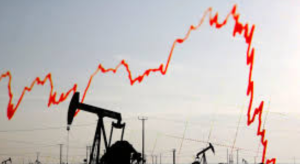
Global Economic Consequences of a Middle East War
5.1 Why a Regional War Becomes a Global Economic Event
In today’s interconnected economy, a war in the Middle East is never regional in its economic impact.
The Middle East sits at the intersection of:
global energy supply
major shipping corridors
geopolitical alliances
inflation-sensitive economies
Even limited military escalation can cascade into:
energy price shocks
inflation resurgence
financial market volatility
supply chain disruptions
The global economy is already fragile due to:
post-pandemic debt
persistent inflation
high interest rates
geopolitical fragmentation
A new war would act as a systemic stress test.
5.2 Energy Markets: The Primary Transmission Channel
5.2.1 Oil Price Dynamics Under Conflict Scenarios
Oil markets react before physical supply is disrupted.
Key factors:
fear premium
insurance costs
speculative positioning
precautionary stockpiling
Estimated price ranges by scenario:
| Scenario | Brent Crude Range |
|---|---|
| No escalation | $75–85 |
| Limited regional conflict | $95–115 |
| Multi-front regional war | $130–160 |
| Hormuz disruption | $180+ |
Even a temporary threat to the Strait of Hormuz could remove millions of barrels per day from the market psychologically — if not physically.
5.2.2 Natural Gas and LNG Markets
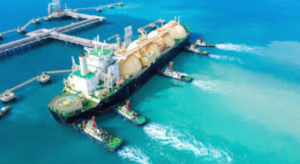
Natural Gas and LNG Markets
Gas markets are even more sensitive than oil.
Qatar supplies ~20% of global LNG
Europe remains dependent on LNG post-Russia
Asian demand is price-inelastic during peak seasons
Disruption risks:
shipping delays
insurance refusal
contract force majeure
Result:
Europe faces renewed energy insecurity
Asian buyers outbid poorer economies
energy poverty rises globally
5.3 Inflation Transmission Across Major Economies
5.3.1 The Inflation Comeback Risk
Energy inflation feeds into:
transportation
food production
manufacturing
services
Even economies that have “defeated inflation” remain vulnerable.
United States
Headline inflation reaccelerates
Federal Reserve delays or reverses rate cuts
Consumer confidence weakens
European Union
Energy shock hits households hardest
ECB faces policy dilemma
Southern Europe disproportionately affected
Asia
Import-dependent economies suffer
Central banks forced to tighten
Currency depreciation amplifies inflation
5.3.2 Food Prices and Political Risk
Higher energy prices raise:
fertilizer costs
transportation costs
agricultural input prices
Regions at risk:
Middle East
North Africa
Sub-Saharan Africa
South Asia
Food inflation historically correlates with:
protests
political instability
migration pressure
War-driven inflation becomes a security issue, not just economic.
5.4 Financial Markets: Volatility and Risk Repricing
5.4.1 Equity Markets
Expected responses:
sell-offs in risk assets
sector rotation
flight to defensive stocks
Winners:
energy
defense
commodities
Losers:
airlines
tourism
emerging markets
consumer discretionary
5.4.2 Bond Markets and Debt Stress
Yields rise due to inflation expectations
Sovereign spreads widen
Highly indebted countries face refinancing risk
Developing economies are hit hardest:
higher borrowing costs
currency pressure
capital outflows
5.4.3 Currency Markets
Safe-haven flows into:
USD
CHF
Gold
Pressure on:
emerging market currencies
energy importers
fragile pegs
Currency volatility increases trade costs and planning uncertainty.
5.5 Global Trade and Supply Chains
5.5.1 Shipping and Insurance Shock
Key chokepoints affected:
Strait of Hormuz
Red Sea
Suez Canal
Consequences:
longer routes
higher costs
delivery delays
inventory shortages
Supply chains become:
slower
more expensive
less reliable
5.5.2 Re-Fragmentation Accelerates
War accelerates trends already underway:
de-globalization
friend-shoring
regionalization
Companies respond by:
diversifying suppliers
holding more inventory
accepting lower efficiency for resilience
This raises structural inflation long-term.
5.6 Global Growth Outlook Under Conflict
| Region | Growth Impact |
|---|---|
| US | Mild slowdown |
| EU | Recession risk |
| China | Lower export demand |
| Japan | Energy shock |
| EMs | Severe slowdown |
| Global | Growth −0.5% to −1.5% |
A prolonged conflict could push the global economy toward stagflation.
5.7 China and Russia: Strategic Economic Positioning
China
Benefits from discounted energy
Positions as diplomatic mediator
Seeks stability for trade routes
However:
global demand slowdown hurts exports
shipping disruptions impact Belt & Road
Russia
Benefits from higher energy prices
Increased geopolitical leverage
Expanded sanctions evasion networks
War indirectly strengthens energy exporters under sanctions.
5.8 Who Loses the Most Globally?
Energy-importing developing nations
Highly indebted economies
Food-import-dependent regions
Global poor
The cost of war is regressive.
Energy Markets at the Center of the Conflict
6.1 Why Energy Is the Strategic Core of This War Scenario
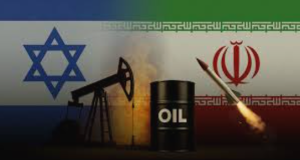
Why Energy Is the Strategic Core of This War Scenario
If a large-scale conflict involving Iran, Israel, and the United States occurs, energy will not just be affected — it will be weaponized.
Oil and gas are:
Iran’s economic leverage
The Gulf’s strategic vulnerability
The West’s inflation trigger
Asia’s growth dependency
Every major actor understands that energy disruption causes global pain faster than military losses.
That is why most escalation scenarios revolve not around total shutdowns — but controlled uncertainty.
6.2 The Strait of Hormuz: The World’s Most Dangerous Chokepoint
6.2.1 Strategic Importance
Key facts:
~20–25% of global oil supply transits Hormuz
~30% of global LNG shipments pass nearby
Narrow shipping lanes (at points <40 km)
No viable short-term alternatives
Countries most exposed:
China
Japan
South Korea
India
Europe (indirectly via LNG)
Even partial disruption causes immediate price spikes.
6.2.2 Iran’s Hormuz Strategy: Disruption, Not Closure
Iran is unlikely to fully close Hormuz because:
It would trigger overwhelming military response
It would damage Iran’s own exports
It would unify international opposition
Instead, Iran prefers:
naval harassment
drone overflights
mine threats
selective interference
This keeps prices high without crossing the point of no return.
Markets react to risk, not just reality.
6.3 Oil Supply Scenarios Under Escalation
Scenario 1: Psychological Shock (No Physical Disruption)
Oil spikes $10–20
Volatility increases
Strategic reserves untouched
Scenario 2: Limited Disruption (Insurance Withdrawal)
Tankers delayed
Freight costs surge
1–2 million bpd “lost” temporarily
Oil above $110
Scenario 3: Infrastructure Damage
Attacks on terminals, pipelines, platforms
3–5 million bpd removed
Emergency SPR releases
Oil $140–180
Scenario 4: Hormuz Crisis
Severe disruption
Shipping halts intermittently
Global recession risk
Oil above $180
6.4 OPEC and OPEC+: Strategic Balancing Act
6.4.1 Saudi Arabia’s Dilemma
Saudi Arabia faces conflicting incentives:
Higher prices = higher revenue
But instability threatens long-term investment
Vision 2030 requires predictability
Saudi likely strategy:
verbal support for stability
gradual output increases
coordination with US quietly
avoidance of public confrontation with Iran
Saudi Arabia wants price control, not chaos.
6.4.2 UAE and Gulf Producers
UAE, Kuwait, Iraq:
benefit from higher prices
vulnerable to infrastructure attacks
prioritize security guarantees
Qatar:
LNG exports critical
avoids political escalation
relies on US naval protection
6.4.3 Russia’s Position Inside OPEC+
Russia benefits from:
high prices
Western inflation
increased bargaining power
But:
too much volatility risks demand destruction
China prefers stable prices
Russia will support controlled tightness, not extreme shocks.
6.5 Strategic Petroleum Reserves (SPR): Limited Cushion
6.5.1 US and OECD Reserves
Post-Ukraine war:
SPR levels are lower than historical norms
Political willingness to release is constrained
SPR is a short-term tool only
SPR releases can:
smooth price spikes
calm markets temporarily
NOT replace sustained supply loss
Markets know this.
6.6 Natural Gas and LNG: The Silent Vulnerability
6.6.1 Europe’s Exposure
Europe replaced Russian gas with:
LNG imports
long shipping routes
higher costs
Qatar and Gulf LNG stability is critical.
Any disruption leads to:
price spikes
industrial shutdowns
political backlash
6.6.2 Asia’s Energy Competition
Asian buyers:
outbid Europe during shortages
lock long-term contracts
absorb price shocks better
Result:
poorer regions priced out
global inequality worsens
6.7 Energy and Inflation: Central Bank Nightmare
Energy shocks feed directly into:
headline inflation
inflation expectations
wage demands
Central banks face a lose-lose choice:
tighten → recession
ease → inflation spiral
This mirrors the 1970s risk environment.
6.8 Long-Term Impact on Energy Transition
6.8.1 Short-Term Setback
High fossil fuel prices:
boost oil & gas investment
delay energy transition politically
weaken climate commitments
Governments prioritize:
affordability
security
stability
6.8.2 Long-Term Acceleration
Paradoxically, conflict also:
strengthens energy security arguments
accelerates renewables adoption
boosts nuclear reconsideration
increases efficiency investment
But transitions take years, not months.
6.9 Winners and Losers in the Energy Sector
Winners
Oil producers
LNG exporters
Energy traders
Shipping companies
Defense-energy hybrids
Losers
Energy-importing nations
Consumers
Energy-intensive industries
Climate-focused policy agendas
6.10 Energy as the Red Line
No actor wants:
total Hormuz closure
long-term oil above $150
global recession
But escalation often ignores intentions.
Energy markets will be the first indicator of how close the world is to the edge.