Blog
IQS Compliance Secrets: Mandatory Quality Standards for Iraq Exports in 2026
Over my decades in international trade, I’ve seen markets rise and fall, but few opportunities match the potential of exporting to Iraq today. With reconstruction efforts in full swing and consumer demand surging, Iraq represents a goldmine for savvy exporters. But here’s the hard truth I’ve learned the hard way: ignoring Iraqi Quality Standards (IQS) and mandatory conformity requirements can turn a profitable deal into a costly nightmare—shipments delayed, penalties piled on, or goods rejected outright.
Iraqi Quality Standards
I’ve dealt with these challenges firsthand on multiple consignments. One overlooked detail in testing led to weeks of hold-ups at the border. That’s why compliance isn’t just a checkbox—it’s the foundation of sustainable success in this market. This guide breaks down everything you need to know about IQS, the list of mandatory products, and actionable steps to ensure smooth entry. By the end, you’ll have the tools to protect your shipments and build lasting partnerships.
Understanding Iraqi Quality Standards (IQS) and the Role of COSQC
The Central Organization for Standardization and Quality Control (COSQC), under Iraq’s Ministry of Planning, oversees all quality standards. Established decades ago, COSQC develops and enforces Iraqi Quality Standards (IQS), which align with international benchmarks while addressing local needs like health, safety, and environmental protection.
These standards aren’t optional for regulated imports. Through programs like the Import Conformity Inspection and Certification (ICIGI), COSQC mandates pre-shipment verification to block substandard goods. This protects consumers and levels the playing field for quality exporters.
IQS VS COSQC
Why does this matter so much? Iraq’s import market has grown massively in recent years, with billions in goods flowing in annually. But without compliance, your products won’t clear customs. Authorized bodies like Intertek, Bureau Veritas, TÜV Rheinland, and others handle the Certificate of Conformity (CoC) process on COSQC’s behalf.
Key Differences: CoC vs. COI
- Certificate of Conformity (CoC): Mandatory for regulated products. Proves full compliance via testing, inspection, and documentation.
- Certificate of Inspection (COI): Often used for non-regulated goods, focusing on quantity, quality, and basic checks—though recommended for smoother clearance.
Iraq CoC vs. COI
Failure to present a valid CoC for mandatory items results in rejection or forced re-export.
The List of Products Subject to Mandatory Iraqi Standards
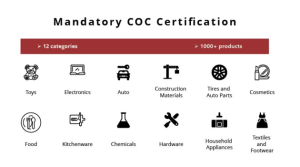
COSQC maintains a dynamic list of regulated products requiring a CoC. As of late 2025, this covers over 1,000 items across multiple categories, with updates reflecting new risks or international alignments.
The program emphasizes consumer goods that impact health, safety, and the environment. Here’s a breakdown of the main categories subject to mandatory IQS compliance:
- Food Products (excluding fresh items): All processed foods, beverages, dairy, canned goods, oils, sugars, and additives. Special rules apply for halal certification on meat and poultry.
- Toys and Children’s Products: All toys, baby care items, and stationery to ensure no choking hazards or toxic materials.
- Electrical and Electronic Appliances: Household devices, lighting, cables, and electronics—tested for safety and energy efficiency.
- Automotive Parts and Tires: Spare parts, vehicle tires, and lubricants for road safety.
- Chemicals and Cosmetics: Paints, detergents, perfumes, personal care products, and industrial chemicals.
- Construction and Building Materials: Cement, steel bars, bricks, pipes, and insulation materials.
- Textiles, Footwear, and Leather Goods: Clothing, fabrics, shoes, and bags.
- Household Gas Appliances: Stoves, heaters, and related equipment.
- Kitchenware and Metal Packaging: Utensils, containers, and caps.
- Tobacco Products: Cigarettes and related items, with strict quality controls.
- Medical and Dental Products: Certain supplies under updated standards.
This list evolves—recent 2025 updates include revised IQS for steel reinforcement bars, heat-insulating bricks, and dental gypsum products. Always verify the latest catalog through authorized providers, as HS codes guide but don’t define regulation.
For exporters I’ve worked with, misclassifying a product as non-regulated has been a common pitfall. When in doubt, consult early.
Step-by-Step Guide to Compliance with Iraqi Quality Standards
Compliance boils down to preparation, verification, and execution. Here’s the direct process I’ve refined over years:
- Determine if Your Product is Regulated Check the latest COSQC-regulated list via providers like Bureau Veritas or Intertek. Use HS codes as a starting point.
- Gather Required Documentation
- Proforma invoice and packing list.
- Test reports from accredited labs (aligned with relevant IQS or international equivalents like ISO/IEC).
- Additional certificates (e.g., halal for food, health/phytosanitary for agri-products).
- Quality management proofs (ISO 9001, HACCP where applicable).
- Submit Request for Certification Contact an authorized body early—ideally before final production. Submit a Request for Certification (RfC) with all docs.
- Undergo Testing and Inspection
- Lab testing if reports are missing or outdated.
- Physical pre-shipment inspection: Quantity verification, visual checks, labeling, and packaging.
- Sampling for high-risk items like food or chemicals.
- Receive Certificate of Conformity Upon passing, get your CoC. This is your customs golden ticket.
- Prepare for Arrival and Destination Checks Iraqi authorities may perform random verifications at ports. Ensure seals match and goods align with the CoC.
Common Pitfalls and How to Avoid Them
- Outdated Test Reports: Always use recent reports from recognized labs.
- Labeling Errors: Follow IQS for prepackaged goods—clear, accurate info in Arabic/English.
- Halal Oversights: Mandatory for relevant foods; source from accredited bodies.
- Delays in Scheduling: Book inspections weeks ahead, especially for bulk shipments.
In one case I handled, proactive registration for frequent shipments cut processing time by half and reduced costs.
Why Compliance Pays Off: Real Benefits Beyond Avoidance
Getting this right does more than prevent problems—it builds advantage:
- Faster Customs Clearance: CoC-equipped shipments sail through while others stall.
- Stronger Buyer Trust: Iraqi partners prefer reliable suppliers who deliver on time.
- Market Edge: With substandard goods weeded out, quality exporters dominate.
- Long-Term Savings: Avoid penalties, storage fees, or re-exports that can erase profits.
Data from trade reports shows compliant exporters capture larger shares in growing sectors like construction materials and consumer electronics.
How to Qualify and Win Oil & Gas Tenders in Iraq 2026
Advanced Tips for Seasoned Exporters
For regular shippers:
- Pursue product registration for streamlined future certifications.
- Invest in in-house testing to speed up submissions.
- Monitor COSQC announcements—2025 brought updates to building materials and food regs.
- Consider third-party quality management certification to simplify proofs.
If you’re moving commodities like bitumen or wheat, cross-reference with related guides on phytosanitary or fumigation requirements for full alignment.
Mastering Iraqi Quality Standards (IQS) and mandatory compliance isn’t about bureaucracy—it’s about unlocking reliable access to a vibrant market. I’ve seen businesses thrive here by treating standards as a strategic tool, not a hurdle.
Ready to ensure your next shipment complies seamlessly? Sign up on Tendify.net today for personalized export tools, market alerts, and expert support tailored to markets like Iraq. Register now and take the next step toward confident, profitable trade.