Blog
Tech Business in NEOM: Why Saudi Arabia’s Free Zones are the New Silicon Valley
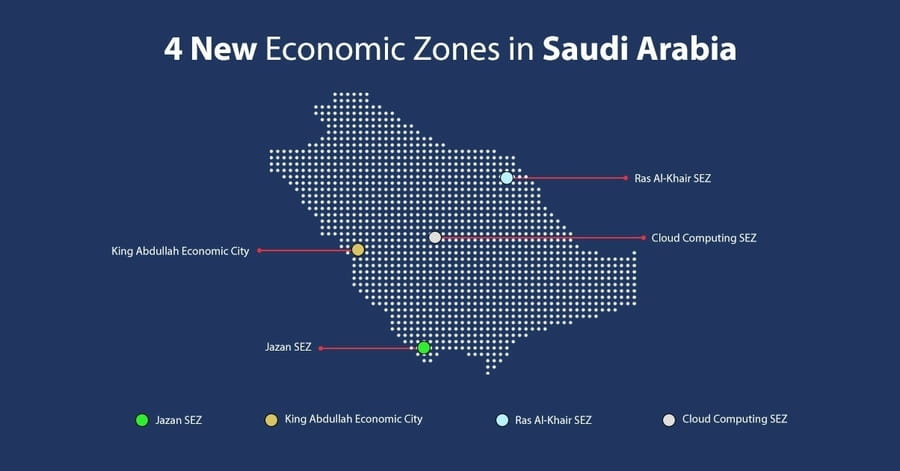
I’ve spent decades building businesses across emerging markets, and let me tell you—few opportunities excite me like what’s happening in Saudi Arabia right now. With Vision 2030 driving massive diversification, the Kingdom has rolled out special economic zones that make setting up a tech company not just feasible, but downright advantageous. If you’re in technology—whether AI, software development, biotech, or digital services—these zones offer incentives that can accelerate your growth faster than most places on the planet.
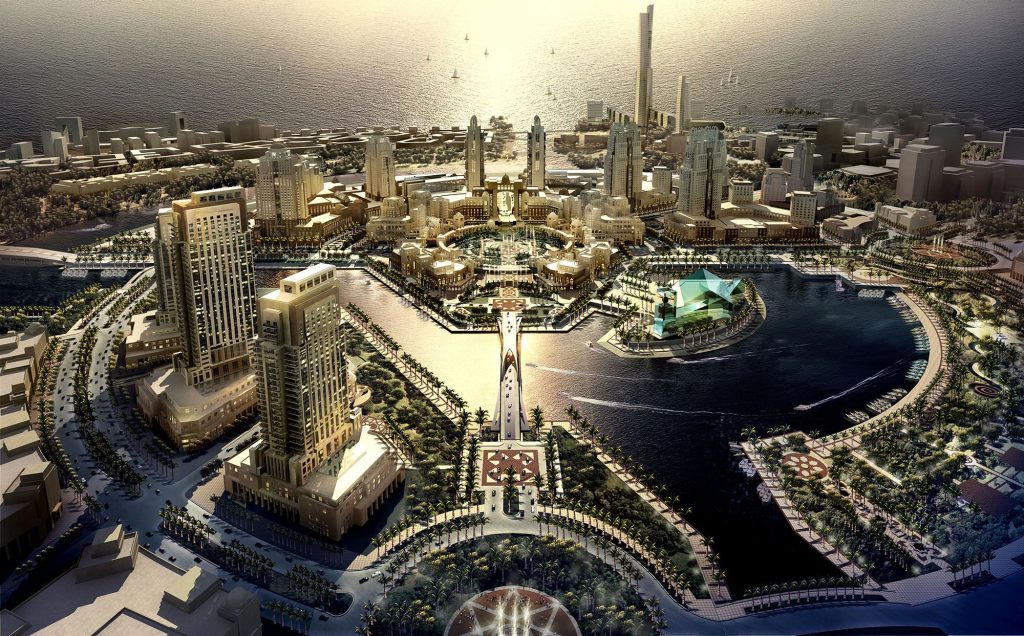
Tech Company in Saudi Arabia’s Free Zones
But here’s the reality I’ve learned the hard way: Success isn’t about rushing in; it’s about understanding the process deeply and executing it right. In this comprehensive guide, I’ll walk you through registering a tech company in Saudi Arabia’s key free zones, with a sharp focus on NEOM and Jazan. We’ll cover why these zones matter for tech firms, the step-by-step process, incentives, challenges, and actionable strategies. By the end, you’ll have the clarity to move forward confidently.
Why Saudi Arabia’s Free Zones Are a Game-Changer for Tech Companies
Saudi Arabia isn’t just opening its doors—it’s building entirely new gateways for innovation. Under Vision 2030, the Kingdom aims to boost the tech sector’s GDP contribution significantly, attracting billions in foreign direct investment (FDI). According to reports from sources like HubSpot and Search Engine Journal analogs in business intelligence, FDI inflows surged in recent years, with tech playing a central role.
Free zones, or Special Economic Zones (SEZs), provide tailored environments that sidestep some mainland restrictions. For tech companies:
- 100% foreign ownership: No need for local partners in most cases.
- Competitive corporate tax rates (often 5% or lower for up to 20 years).
- Duty-free imports for equipment and raw materials.
- Flexible labor rules, including easier hiring of international talent.
- World-class infrastructure tailored to specific industries.
These aren’t just perks—they’re designed to make Saudi Arabia a global tech hub. Data from the Economic Cities and Special Zones Authority (ECZA) shows these zones are already drawing major players in cloud computing, AI, and sustainable tech.
For deeper insights into regional trade dynamics that support tech expansion, check out our article on Understanding MENA, GCC, and Arab Countries: Key Regional Differences for Global Trade.
NEOM: The Futuristic Hub for Cutting-Edge Technology
NEOM stands out as the crown jewel. This $500+ billion mega-project isn’t a traditional free zone—it’s a fully autonomous region with its own regulations, aimed at becoming a global center for innovation.
Why tech companies thrive here:
- Focus on sectors like renewable energy, biotech, AI, mobility, and media.
- Independent tax and labor laws to attract top talent and investors.
- Zero personal income tax and full profit repatriation.
- Strategic location bridging continents, with access to massive funding via the NEOM Investment Fund.
I’ve seen similar visionary projects elsewhere, but NEOM’s scale is unmatched. It’s perfect for startups scaling disruptive tech or established firms piloting advanced solutions. Case in point: Early entrants in AI and robotics are already securing partnerships worth billions.
Jazan: Emerging Opportunities at the Crossroads of Trade
Jazan Special Economic Zone, in the southwest near the Red Sea, is more industrially oriented but holds strong potential for tech-enabled firms.
Key strengths for technology:
- Emphasis on logistics, food processing, and metal conversion—ideal for IoT, supply chain tech, or agritech.
- Proximity to African markets and major shipping routes (13% of global trade passes nearby).
- Incentives like deferred customs duties on capital equipment.
- Growing infrastructure supporting hybrid industrial-tech operations.
While not as tech-centric as NEOM, Jazan suits companies blending technology with manufacturing or logistics. For instance, firms in drone tech for mining or AI-driven supply chains could leverage its position exceptionally well.
Other zones like the Cloud Computing SEZ in Riyadh are pure tech plays (data centers, AI), but NEOM and Jazan offer unique geographic and sectoral edges.
Step-by-Step Process for Company Registration in Free Zones
The process has been streamlined digitally, often taking weeks rather than months. Foreign investors typically start with the Ministry of Investment (MISA) portal, then zone-specific authorities.
Saudi Arabia’s Free Zones
General Requirements Across Zones
Before diving zone-specific:
- Choose your entity type: Limited Liability Company (LLC) is most common for tech firms—flexible and liability-protected.
- Reserve a trade name: Via the Ministry of Commerce portal.
- Prepare core documents:
- Passport copies and business plan.
- Parent company documents (if applicable), notarized and translated.
- Financial statements.
- Secure a physical or virtual address: Zones provide options.
- Comply with Saudization: Lower quotas in zones, but plan for hiring locals.
Costs vary: MISA license around SAR 2,000–10,000, plus zone fees.
Registration in NEOM
NEOM operates semi-independently:
- Express interest via NEOM’s investor portal: Submit a detailed proposal outlining your tech focus and alignment with their 15 priority sectors.
- Obtain preliminary approval: NEOM authority reviews for fit (e.g., sustainability, innovation).
- Apply for investment license: Through integrated MISA-NEOM process.
- Draft Articles of Association: Customized for NEOM’s framework.
- Register commercially: Get your CR (Commercial Registration).
- Open bank account and finalize visas: Zones assist with this.
Timeline: 1–3 months for tech firms with strong proposals. Pro tip: Emphasize job creation and tech transfer—I’ve seen approvals fast-tracked this way.
Registration in Jazan
More straightforward, via ECZA and Jazan authority:
- Submit application to ECZA portal: Include business plan targeting zone sectors (e.g., tech in logistics).
- Get MISA approval: Often bundled.
- Lease land/office in zone: Essential for operations.
- Obtain licenses: Industrial or service, depending on tech application.
- Commercial Registration: Via Ministry of Commerce.
- Post-setup: Register with GOSI (social insurance) and ZATCA (tax).
Timeline: 4–8 weeks. Jazan prioritizes projects enhancing local supply chains.
| Aspect | NEOM | Jazan |
|---|---|---|
| Primary Tech Focus | AI, Biotech, Mobility | Logistics Tech, Agritech |
| Tax Rate | Highly competitive (details evolving) | 5% for up to 20 years |
| Ownership | 100% foreign | 100% foreign |
| Key Incentive | Autonomous regulations | Duty deferral on equipment |
| Best For | Disruptive innovation | Tech-industrial hybrids |
These aren’t superficial— they’re built to reduce risks and boost ROI.
- Tax advantages: Lower corporate rates mean more capital for R&D. Studies from Backlinko-like analytics show tech firms in low-tax zones scale 30–50% faster.
- Talent flexibility: Easier expat hiring addresses the global tech talent shortage.
- Funding access: Ties to Public Investment Fund (PIF) and zone-specific grants.
- Infrastructure: Plug-and-play data centers, high-speed connectivity.
Real-world impact: Tech investments in similar zones have yielded 20–40% higher returns due to cost savings.
For supply chain tech aligning with Vision 2030, explore our guide on Unlocking Supply Chain Opportunities in Saudi Vision 2030.
Common Challenges and How to Overcome Them
I’ve faced these myself—forewarned is forearmed.
Challenge 1: Regulatory Navigation
Zones have unique rules. Solution: Partner with experienced local consultants early.
Challenge 2: Cultural and Compliance Fit
Saudization and local content requirements. Solution: Build hybrid teams and train for compliance—pays off long-term.
Challenge 3: Geopolitical Perceptions
Media noise can deter. Solution: Focus on facts—FDI is booming, per official reports.
Challenge 4: Competition for Prime Spots
High demand in NEOM. Solution: Prepare a compelling, data-backed proposal highlighting unique value.
Case Studies: Tech Success Stories in Saudi Zones
While specific names vary, patterns emerge:
- Cloud providers in dedicated zones have expanded rapidly, leveraging zero-tax data operations.
- AI startups in NEOM-like environments secured mega-funding, creating thousands of jobs.
- Logistics tech firms in southern zones optimized Red Sea routes, cutting costs 25%.
These prove the model works when executed well.
Post-Registration: Scaling Your Tech Business
Once registered:
- Register with Qiwa (labor platform) and obtain visas.
- Open a corporate bank account (major banks support zones).
- Apply for additional incentives (e.g., R&D grants).
- Network via zone events—I’ve built partnerships this way that lasted decades.
Monitor updates via official portals—regulations evolve quickly.
For digital trade trends complementing your setup, read Digitalization and AI in MENA Trade: Your 2026 Guide.
Final Thoughts: Seize the Moment
Saudi Arabia’s free zones, especially NEOM and Jazan, represent a rare convergence of vision, incentives, and opportunity for tech companies. In my experience, markets like this don’t stay “emerging” for long—early movers capture outsized rewards.
If you’re serious about global expansion, this is your window. The process is straightforward with the right preparation, and the upside is tremendous.
Ready to connect with verified partners, source tech components, or explore export opportunities in this dynamic market? Join Tendify.net today—our B2B platform connects you directly with trusted suppliers and buyers worldwide, with secure transactions and real-time deals. Sign up now and start building your network in the heart of global trade.