


Blog
Business Generations: How to Work, Negotiate, and Build Trust with Every Age Group

How Culture, Economics, and Technology Shape Business Behavior — and How to Work with Each Generation Effectively
The Strategic Importance of Generational Intelligence in Business
Why Generational Understanding Is No Longer “Soft Skill”
In modern global business, generational awareness is not HR theory —
it is operational intelligence.
Contracts fail, partnerships collapse, and teams underperform not because people lack skills, but because they interpret trust, authority, speed, and value differently.

Different Generations
A supplier thinks a buyer is “indecisive.”
The buyer thinks the supplier is “aggressive.”
In reality, they belong to different generations with different decision-making models.
Understanding generations allows you to:
Negotiate more effectively
Design better proposals
Manage multicultural teams
Reduce friction in long-term partnerships
This is especially critical in:
International trade
B2B sales
Corporate management
Cross-border startups
The Four Forces That Shape Every Business Generation
Before analyzing each generation, we must understand what creates generational behavior.

Business Generation
Every generation is shaped by four main forces:
1. Economic Environment
Boomers experienced post-war growth
Gen X saw instability and layoffs
Millennials faced debt and recession
Gen Z entered uncertainty and inflation
💡 Money trauma creates money behavior.
2. Technology Exposure
Boomers adapted to technology
Gen X learned it
Millennials grew with it
Gen Z was born inside it
This directly impacts:
Speed expectations
Communication style
Attention span
Trust mechanisms
3. Authority & Power Structures
Hierarchy vs flat structures
Titles vs skills
Loyalty vs mobility
4. Information Access
Scarce (Boomers)
Limited (Gen X)
Abundant (Millennials)
Overloaded (Gen Z)
📌 Access to information changes confidence.
Why Generational Conflicts Happen in Business
Most conflicts are not personal — they are structural misunderstandings.
Common Examples
A Gen Z employee leaves after 6 months → Seen as “disloyal”
A Boomer delays a decision → Seen as “outdated”
A Millennial asks “why” → Seen as “challenging authority”
A Gen X avoids meetings → Seen as “unengaged”
None of these are flaws.
They are different survival strategies shaped by different eras.
Baby Boomers: The Architects of Long-Term Business Trust
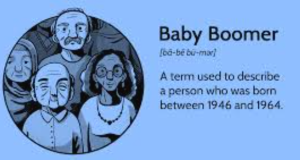
Baby Boomers
Deep Cultural & Economic Background
Baby Boomers grew up in:
Post-war reconstruction
Industrial expansion
Lifetime employment models
Their identity is strongly tied to:
Career
Title
Organizational loyalty
To them, business is not a transaction — it is a reputation system.
How Baby Boomers Define “Good Business”
For Boomers, good business means:
Predictability
Formality
Continuity
Personal accountability
They trust:
People they’ve met
Companies with history
Agreements with structure
They distrust:
Sudden change
Informality
Over-flexibility
Decision-Making Style of Baby Boomers
Slow but deliberate
Consensus-oriented
Risk-averse
Relationship-based
📌 Once they commit, they commit long-term.
Common Mistakes When Dealing with Baby Boomers
❌ Being too casual
❌ Rushing decisions
❌ Ignoring hierarchy
❌ Overusing digital-only communication
How to Communicate with Baby Boomers (Advanced Guide)
Tone: Respectful, formal
Medium: Calls, meetings, structured emails
Content: History, stability, guarantees
💬 What resonates:
“We’ve been doing this consistently for over a decade, and our partners stay.”
Generation X: The Strategic Survivors

Generation X
The Forgotten but Most Powerful Generation
Gen X is often overlooked — and that’s a mistake.
They:
Run operations
Control budgets
Approve deals
Execute strategy
They grew up in:
Corporate downsizing
Political uncertainty
Early digital disruption
This made them skeptical, independent, and extremely practical.
How Gen X Thinks About Business
Business is a tool, not an identity
Efficiency beats ideology
Results matter more than vision statements
Trust is earned through performance
They don’t need motivation speeches.
They need proof.
Decision-Making Style of Gen X
Data-driven
Risk-aware
Time-conscious
ROI-focused
📌 Gen X respects competence more than titles.
Common Mistakes When Dealing with Gen X
❌ Overselling
❌ Emotional arguments
❌ Long presentations
❌ Buzzwords without substance
How to Communicate with Gen X (Advanced Guide)
Tone: Direct, professional
Medium: Email, concise calls
Content: Numbers, timelines, outcomes
💬 What resonates:
“Here’s the cost, the risk, and the expected return.”
Why This Matters for Global Trade & B2B
In export, procurement, and international negotiations:
Boomers often own companies
Gen X manages execution
Millennials handle partnerships
Gen Z drives digital operations
If you speak only one generational language,
you lose 75% of the room.
Millennials (Gen Y) — The Purpose-Driven Power Brokers

Millennials (Gen Y)
Who Are Millennials in Today’s Business World?
Millennials — also known as Generation Y — are not “young professionals” anymore.
In 2026, they are:
Procurement managers
Startup founders
Sales directors
Department heads
Decision-makers in SMEs and corporates
They control significant budgets and influence long-term partnerships.
Many companies still misunderstand them — and pay the price.
The Economic DNA of Millennials
To understand how Millennials behave in business, you must understand what shaped them.
Key Economic Experiences
Graduated around or after the 2008 financial crisis
Entered job markets with:
Student debt
Job insecurity
Slower wealth accumulation
Witnessed:
Corporate layoffs
Failed “stable” institutions
The rise of startups and gig economy
📌 Result:
Millennials don’t blindly trust systems — they trust values and transparency.
How Millennials Define Success in Business
For Millennials, success is not just revenue.
They care about:
Meaningful work
Flexibility
Growth opportunities
Ethical alignment
Work-life balance
This doesn’t mean they’re not ambitious —
it means they are selectively ambitious.
Decision-Making Psychology of Millennials
Millennials make decisions through a filter:
Does this make sense financially?
Does this align with my values?
Does this company feel transparent?
Will this partnership grow with me?
📌 If you fail at step 2 or 3, price becomes irrelevant.
How Millennials Research Before Doing Business
Unlike older generations, Millennials rarely rely on:
Cold calls
Brand reputation alone
Sales pressure
They research:
Online reviews
LinkedIn profiles
Company websites
ESG policies
Founder stories
💡 Silent evaluation happens before first contact.
Communication Style of Millennials in Business
Preferred Channels
Email (well-structured)
Collaboration platforms (Slack, Teams)
LinkedIn messages
What They Expect
Clarity
Honesty
Two-way dialogue
Human tone
📌 Over-formality feels fake.
📌 Over-casual feels unprofessional.
Common Mistakes When Dealing with Millennials
❌ Selling without context
❌ Avoiding questions about ethics or impact
❌ Using aggressive sales tactics
❌ Hiding risks or limitations
Millennials don’t mind bad news.
They hate surprises.
How to Sell to Millennials (Practical Framework)
Step 1: Lead with Purpose, Not Product
Instead of:
“We sell logistics services.”
Say:
“We help exporters reduce friction and hidden costs.”
Step 2: Be Radically Transparent
Explain:
Pricing structure
Risks
Limitations
Alternatives
📌 Transparency builds trust faster than discounts.
Step 3: Invite Collaboration
Millennials want to feel part of the solution, not targets.
Use language like:
“Let’s design this together”
“Here’s what usually works — what do you think?”
Negotiation Style of Millennials
Millennial negotiation is:
Collaborative
Data-supported
Value-driven
They dislike:
Zero-sum games
Hidden leverage
Pressure deadlines
📌 They will walk away quietly if they feel manipulated.
Managing Millennials in Business Teams
What Motivates Them
Learning opportunities
Clear goals
Feedback and recognition
Autonomy
What Demotivates Them
Micromanagement
Unclear expectations
Lack of growth
Toxic hierarchy
📌 Millennials don’t fear hard work —
they fear wasted effort.
Millennials in Global Business & Trade
In international trade, Millennials often:
Manage supplier relationships
Handle compliance and ESG
Oversee digital operations
Drive market expansion
They are:
Process-oriented
Compliance-aware
Risk-conscious
Eastern vs Western Millennials (Important Distinction)
Not all Millennials behave the same.
Western Millennials
More vocal about values
Strong focus on work-life balance
Direct communication
Middle East & Asian Millennials
Balance respect with modernity
Value relationships alongside purpose
More adaptable to hierarchy
📌 Never assume cultural uniformity.
How to Win Long-Term Loyalty from Millennials
Be consistent
Keep promises
Admit mistakes
Evolve together
💬 What creates loyalty:
“This company listens and improves.”
What Millennials Think About Gen Z & Boomers
View Boomers as experienced but rigid
See Gen Z as creative but impatient
Often act as bridges between generations
📌 Millennials are natural translators inside organizations.
Strategic Takeaway for Businesses
If you want to grow sustainably in the next decade:
You must win Millennials
You must respect their intelligence
You must align values with execution
They don’t just buy products —
they invest in relationships and meaning.
Generation Z, Cross-Generational Strategy, and the Future of Business Interaction
Generation Z: The First Truly Global Business Generation

Generation Z
Generation Z (born roughly between 1997–2012) is not “the future of business.”
They are already inside it.
In 2026, Gen Z professionals are:
Startup founders
E-commerce operators
Digital marketers
Analysts and product managers
Cross-border freelancers and traders
What makes Gen Z fundamentally different is not age —
it’s how they process information, risk, and authority.
The Economic & Psychological DNA of Gen Z
Gen Z grew up in a world defined by:
Permanent economic uncertainty
Inflation and housing crises
Global pandemics
Political instability
Algorithm-driven platforms
📌 Key outcome:
Gen Z does not expect stability — they design for instability.
This directly shapes how they behave in business.
How Gen Z Defines Business Success
For Gen Z, success is:
Speed over perfection
Flexibility over structure
Skill over title
Independence over loyalty
They are less interested in:
Corporate ladders
Long approval chains
Fixed career paths
And more interested in:
Optionality
Skill accumulation
Monetization of knowledge
Personal leverage
Decision-Making Style of Gen Z in Business
Gen Z decisions are:
Fast
Iterative
Low-attachment
They don’t wait for “perfect conditions.”
They test, observe, and adjust.
📌 Important:
What older generations see as “impatience” is often risk distribution.
How Gen Z Evaluates Business Opportunities
Gen Z uses a very different filter:
Does this make sense quickly?
Can I test it without high risk?
Is the information transparent?
Do I trust the people involved?
Can I exit easily if needed?
Long explanations reduce confidence.
Clear logic increases it.
Communication Style of Gen Z in Business
Preferred Channels
Messaging apps
Short emails
Visual dashboards
Voice notes (yes, seriously)
What They Expect
Brevity
Honesty
Clear outcomes
Fast feedback
📌 Silence = rejection
📌 Long delays = loss of interest
Common Mistakes When Dealing with Gen Z
❌ Long presentations
❌ Corporate jargon
❌ Excessive hierarchy
❌ Delayed responses
❌ Over-polished messaging
Gen Z values realness over professionalism theater.
How to Sell to Gen Z (Advanced Framework)
Step 1: Compress the Message
If your value proposition cannot be explained in 30 seconds, it’s too complex.
Instead of:
“We offer integrated multi-layered solutions…”
Say:
“We help you do this faster and cheaper.”
Step 2: Show Proof, Not Promises
Gen Z trusts:
Screenshots
Metrics
Demos
Real use cases
They distrust:
Testimonials without context
Vague success stories
Step 3: Offer Control
Gen Z wants:
Trial options
Modular pricing
Exit flexibility
📌 Control builds trust more than discounts.
Managing Gen Z Inside Organizations
What Motivates Gen Z
Skill growth
Autonomy
Visibility
Speed
What Kills Motivation
Micromanagement
Slow decision cycles
Lack of feedback
Meaningless tasks
📌 Gen Z doesn’t fear work —
they fear being stuck.
Gen Z in Global Trade & Digital Business
In international trade and B2B:
Gen Z handles digital tools
Automates workflows
Optimizes marketplaces
Manages cross-border platforms
They may not own the company —
but they often run the systems.
Ignoring them is operational risk.
How Gen Z Sees Other Generations
Sees Boomers as experienced but slow
Sees Gen X as competent and practical
Sees Millennials as relatable mentors
📌 Gen Z respects competence, not age.
Cross-Generational Business Strategy: How Smart Companies Win
The most successful organizations don’t favor one generation —
they design systems that integrate all of them.
Ideal Role Distribution
| Generation | Natural Strength |
|---|---|
| Baby Boomers | Vision, trust, reputation |
| Gen X | Execution, negotiation, risk control |
| Millennials | Collaboration, scaling, culture |
| Gen Z | Speed, digital leverage, innovation |
When aligned, this mix is extremely powerful.
Where Most Cross-Generational Conflicts Come From
Different definitions of urgency
Different trust signals
Different communication speeds
Different risk tolerance
📌 Conflict is rarely about goals —
it’s about methods.
How to Lead Across Generations (Practical Rules)
Standardize outcomes, not processes
Allow multiple communication styles
Measure results, not presence
Encourage reverse mentoring
Remove unnecessary hierarchy
The future belongs to adaptive leadership, not rigid control.
The Future of Business Interaction (2026–2035)
Here’s what’s coming:
Shorter deal cycles
More asynchronous communication
Skill-based authority
Platform-driven trust
Cross-generational teams as default
Companies that fail to adapt will not collapse suddenly —
they will slowly lose relevance.
Final Strategic Conclusion: Business Is Still Human — Just More Complex
Across all generations, one truth remains:
People don’t buy products.
They buy confidence, clarity, and connection.
What changes is:
How confidence is built
How clarity is delivered
How connection is formed
The professionals who win in the next decade will be those who can:
Speak the language of experience (Boomers)
Operate with logic and efficiency (Gen X)
Lead with purpose and collaboration (Millennials)
Move fast and stay real (Gen Z)
Master that —
and you don’t just survive generational change.
You lead it.
Final Summary & Conclusion: Mastering Generational Business Dynamics
In today’s fast-evolving global business environment, understanding generations is no longer optional — it’s critical for success. From Baby Boomers to Gen Z, each generation brings unique strengths, decision-making styles, and communication preferences to the table.
Key Takeaways by Generation
| Generation | Core Strength | How to Engage Effectively |
|---|---|---|
| Baby Boomers | Experience, loyalty, trust | Respect hierarchy, provide proven track records, communicate formally |
| Gen X | Pragmatism, execution, risk management | Be direct, focus on ROI, present clear data |
| Millennials | Purpose, collaboration, adaptability | Align with values, communicate transparently, invite participation |
| Gen Z | Speed, digital fluency, independence | Be concise, visual, honest, offer control and flexibility |
Why Generational Awareness Translates to Business Success
Improved Communication: Avoid misinterpretation and conflict across teams, partners, and clients.
Faster Decision-Making: Present your proposals in ways each generation can process efficiently.
Stronger Relationships: Build trust that lasts across age groups and international markets.
Competitive Advantage: Companies that integrate generational strengths outperform those that ignore them.
Future-Proof Leadership: Adaptive leadership and cross-generational collaboration prepare organizations for the next decade of change.
Practical Action Steps
Map your stakeholders: Know which generation dominates each decision point.
Tailor your pitch: Adjust language, format, and speed according to generational preferences.
Use cross-generational teams: Blend the wisdom of Boomers, the efficiency of Gen X, the purpose-driven focus of Millennials, and the innovation of Gen Z.
Invest in ongoing learning: Monitor trends, tech adoption, and evolving generational expectations.
Closing Thought
Business is still human. Products, services, and strategies matter — but the ability to understand and adapt to people across generations is what truly drives growth and resilience.
Master this skill, and you don’t just navigate generational differences —
you leverage them to create smarter, faster, and more sustainable business outcomes.
✅ Call to Action (CTA)
Start integrating generational insights into your business strategy today —
and unlock stronger partnerships, higher engagement, and long-term success across all age groups.

