المدونة
Turkey-Iraq Border Logistics 2026: Clear Ibrahim Khalil in Hours, Not Days
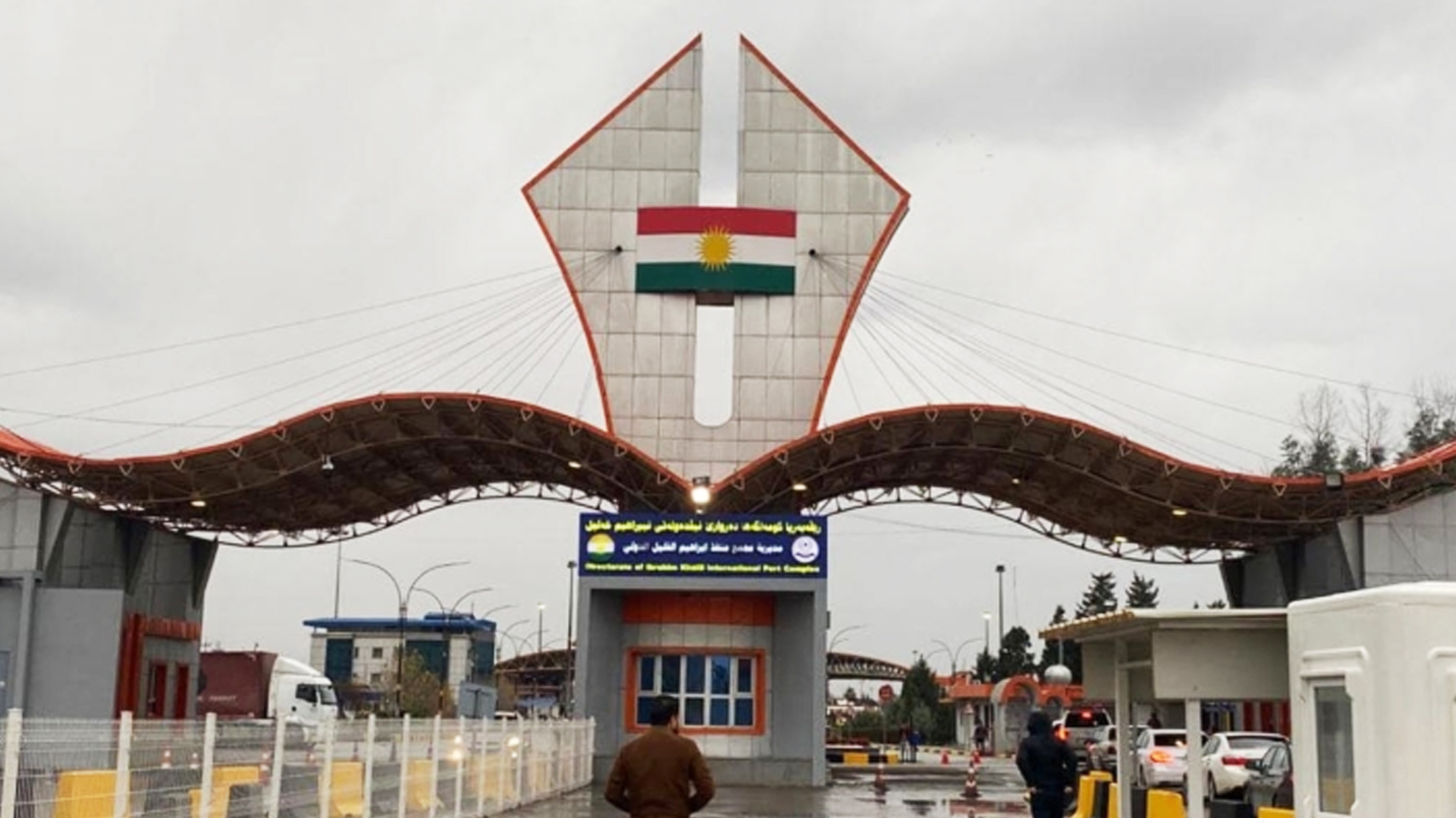
I’ve spent decades moving goods across borders, building supply chains that deliver on time and under budget. One of the toughest routes I’ve tackled is the Turkey-Iraq border في Ibrahim Khalil (known as Habur on the Turkish side). In 2026, this gateway handles massive volumes of transit goods, but congestion, shifting regulations, and paperwork pitfalls can grind operations to a halt.
Ibrahim Khalil
Picture this: A convoy of trucks backed up for miles under the scorching sun, drivers waiting days for clearance while perishable cargo spoils. That’s the reality too many face at Ibrahim Khalil customs point. Yet, with the right preparation, I’ve cut clearance times from days to hours and kept costs predictable. This guide breaks it all down—step by step—so you can navigate Turkey-Iraq logistics smoothly and turn this border into a competitive advantage.
لماذا Ibrahim Khalil Remains the Key Artery for Turkey-Iraq Trade
إن Ibrahim Khalil/Habur border crossing stands as the primary land route for commercial traffic between Turkey and Iraq. In recent years, it has processed around 1,500 trucks entering Iraq daily و 1,000 exiting, with a total capacity pushing 2,200 to 5,000 vehicles per day depending on conditions.
This crossing dominates because:
- It connects directly to northern Iraq’s economic hubs like Dohuk, Erbil, and beyond.
- It serves as the main conduit for European and Turkish exports heading south, and Iraqi goods moving north.
- Bilateral trade between Turkey and Iraq has surged, with Turkey ranking as one of Iraq’s top trading partners.
But here’s the insight: While the Development Road project—a massive rail and highway corridor from Basra to Turkey—promises to transform regional logistics long-term, it routes toward a potential new crossing at Ovaköy/Faysh Khabur. For 2026, Ibrahim Khalil will still handle the bulk of road-based transit goods. The project won’t fully divert truck traffic overnight; expect Habur to remain dominant for years.
That said, the introduction of the TIR system in Iraq (fully operational since April 2025) has already sped up transit goods movements. TIR carnets now serve as a prerequisite for land transit, reducing inspections and enabling sealed shipments to move faster across borders.
Current State of Ibrahim Khalil Customs in 2026
As of early 2026, operations at Ibrahim Khalil run normally but with familiar pain points.
Key capacities and flows:
- Daily truck volume: Up to 3,000 trucks in parking areas pre-clearance.
- Separate lanes for commercial vehicles and passenger cars.
- X-ray and physical inspections standard on both sides.
- Free passage for Turkish and Iraqi registered trucks in many cases.
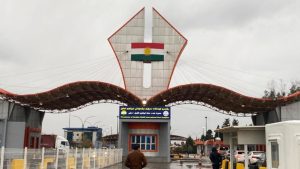
Ibrahim Khalil Turkey-Iraq Border
Challenges persist:
- Congestion leads to waits of several hours to multiple days, especially during peak seasons.
- Technical glitches or system upgrades on either side can halt traffic temporarily.
- Ongoing tensions over customs revenue sharing between federal Iraq and the Kurdistan Regional Government (KRG) have led to calls for unified systems like ASYCUDA, potentially causing double duties or delays for non-compliant shipments.
On the upside, TIR adoption has slashed transit times for qualifying loads—one operator recently moved goods from Turkey to Kuwait via Iraq in just four days, versus weeks by sea.
Essential Documentation for Transit Goods
Getting paperwork wrong is the fastest way to rack up delays and penalties. I’ve seen shipments held for weeks over a single mismatch.
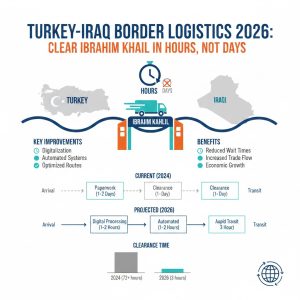
Turkey-Iraq Border Logistics 2026 Clear Ibrahim Khalil in Hours, Not Days
Core documents required:
- Commercial invoice and packing list (detailed, accurate values essential to avoid valuation disputes).
- Bill of lading or CMR (Convention on the Contract for the International Carriage of Goods by Road).
- Certificate of origin.
- TIR carnet—for transit without unloading or duties paid en route (now mandatory for many routes).
- Export declaration from Turkish customs.
- Import/transit permits on the Iraqi side, especially for restricted goods.
نصيحة احترافية: Pre-lodge declarations electronically where possible. Turkish customs allows much of this via their NCTS (New Computerised Transit System), and Iraq is pushing digital integration.
For certain goods:
- Phytosanitary certificates for agricultural products.
- Health certificates for food items.
- Dangerous goods declarations under ADR standards.
Always verify restricted or prohibited items—explosives, certain chemicals, and dual-use goods face strict controls.
Step-by-Step Guide to Clearing Ibrahim Khalil Customs Point
Here’s the practical process I’ve refined over countless crossings.
- Pre-Border Preparation (Turkish Side) Complete export formalities at Silopi or nearby customs offices. Get your TIR carnet endorsed if applicable. Ensure vehicle and driver documents (insurance, licenses) are current.
- Approach Habur Gate Join the queue—use dedicated commercial lanes. Expect initial checks: passport/visa for drivers, vehicle inspection.
- Turkish Exit Procedures Submit declarations, pay any exit fees. Goods scanned via X-ray. Seals applied for transit.
- Cross the Neutral Zone Short bridge over the Khabur River—no man’s land.
- Iraqi Entry at Ibrahim Khalil Present documents to KRG customs officials. Scans and possible physical inspection. Pay transit fees or deposits (refundable under TIR).
- Final Clearance Receive entry stamp and proceed. For pure transit (e.g., to southern Iraq or Gulf), maintain seals until destination.
Time estimates: Smooth runs take 4-8 hours total. Peak or issues? Plan for 24-48 hours.
To speed things up:
- Use experienced customs brokers familiar with both sides.
- Travel mid-week and off-peak hours.
- Monitor border status via apps or logistics networks.
التحديات الشائعة وكيفية التغلب عليها
Delays at Ibrahim Khalil aren’t inevitable—most stem from preventable issues.
Top challenges:
- Congestion — Queues build quickly.
- Documentation Errors — Mismatches trigger holds.
- Inspections — Random or risk-based physical checks.
- Regulatory Shifts — Ongoing push for unified customs data.
Actionable solutions:
- Partner with reliable forwarders who have on-ground agents.
- Leverage TIR fully — It minimizes intermediate checks.
- Build buffers into schedules—add 2-3 days for contingencies.
- Stay informed — Follow updates from IRU (International Road Transport Union) or local chambers.
Case in point: One of my clients switched to TIR-sealed trailers and cut average clearance from 36 hours to under 12.
For deeper insights on Iraqi import exemptions that can reduce duties on reconstruction-related goods, check our guide on Iraq Zero-Tariff Exemptions 2026.
Future Outlook: Development Road and Alternatives
إن Development Road megaproject will eventually include high-speed rail and highways, potentially shifting some volume away from Ibrahim Khalil. But in 2026, road transport rules.
Watch for:
- Potential opening of secondary gates like Ovaköy to ease pressure.
- Full TIR integration opening faster routes to Gulf markets.
- Digital customs harmonization reducing paperwork.
Smart operators position now for both current efficiencies and future shifts.
Risk Management and Best Practices for Turkey-Iraq Logistics
Solid risk management separates profitable routes from money pits.
Key strategies:
- Insure cargo comprehensively (all-risk coverage).
- Use GPS tracking and sealed containers.
- Vet partners for compliance—avoid trade-based laundering red flags.
- Diversify routes where possible (e.g., via ports for non-urgent goods).
| التحدي | Impact | Mitigation Strategy |
|---|---|---|
| Congestion | 1-3 day delays | Off-peak timing, pre-clearance |
| Documentation Errors | Holds & fines | Double-check + digital submission |
| Inspections | Added time | TIR carnets, accurate declarations |
| Regulatory Changes | Unexpected costs | Stay updated via reliable sources |
الإتقان Turkey-Iraq border logistics في Ibrahim Khalil customs demands preparation, partnerships, and persistence. Get it right, and you gain faster delivery, lower costs, and a real edge in Middle East trade.
If you’re sourcing or supplying across this corridor, explore more on regional customs in our articles like GCC Ports 2026: Master Customs Valuation و Mastering FASAH for Saudi Customs 2026.
Ready to streamline your supply chain? سجّل على Tendify.net اليوم—connect directly with verified suppliers, post RFQs, and access tools that make global trade simpler and more secure. Join thousands already moving goods efficiently.