المدونة
The End of Letters of Credit? How Escrow Services Are Winning the Middle East B2B Market in 2026
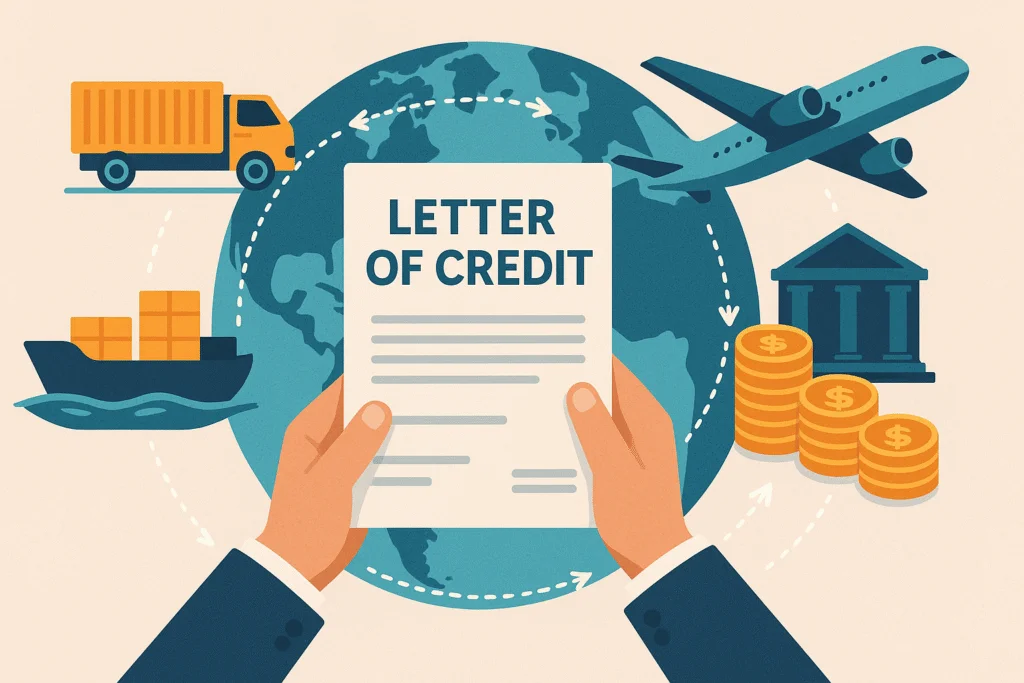
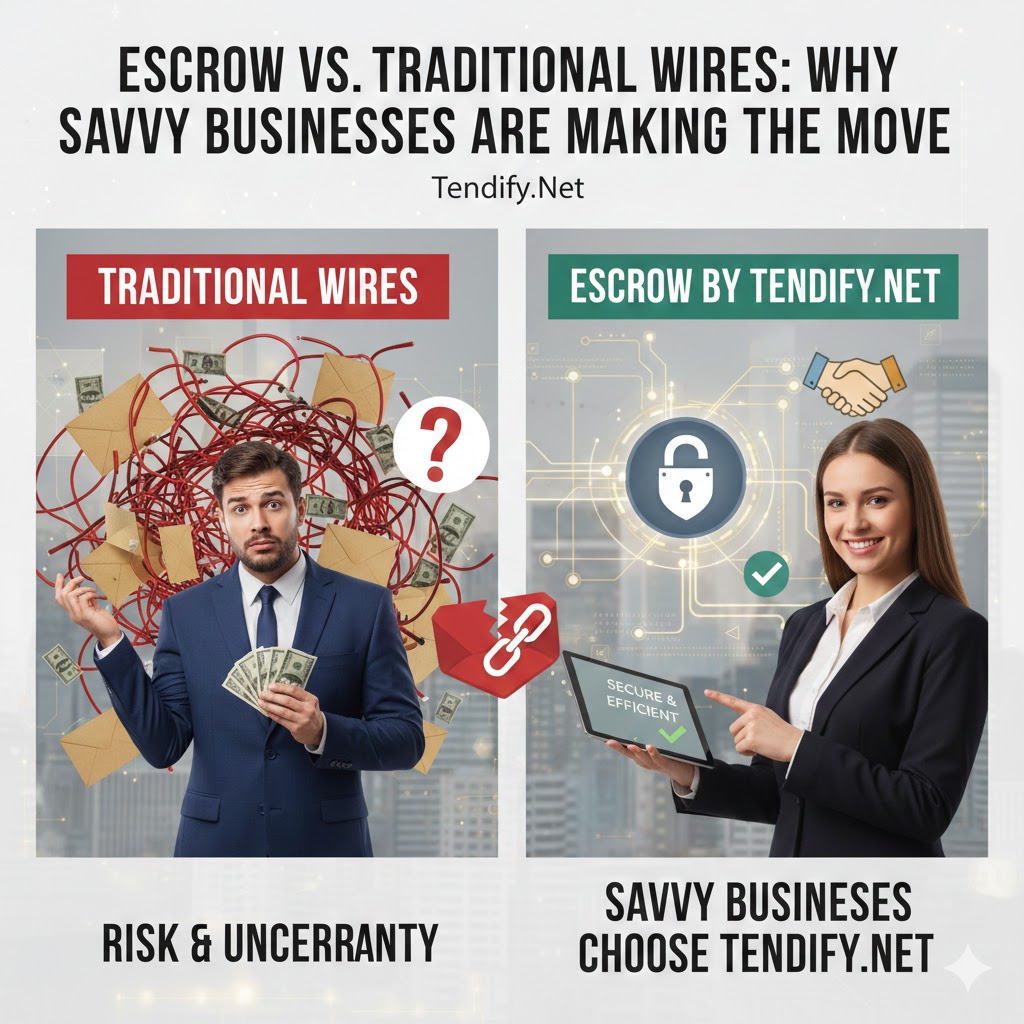
I remember my first big cross-border deal back in the early 2000s. We needed a container load of industrial components shipped from one side of the region to the other. The buyer insisted on a letter of credit — standard procedure, right? Weeks of paperwork, bank fees that ate into margins, and constant back-and-forth to make sure every document matched perfectly. The deal closed, but the process felt like running a marathon with weights on my ankles. Fast forward to today, and I see the same frustration repeating across the Middle East B2B landscape — except now, smart platforms are quietly replacing that old system with something far better: modern escrow services.

End of Letters of Credit
في عام 2026, escrow services aren’t just an option; they’re becoming the default for forward-thinking B2B marketplaces in the Gulf and beyond. Traditional letters of credit (LCs) still exist, but they’re losing ground fast. Why? Because digital escrow solutions deliver speed, lower costs, and real trust without the bureaucracy. Platforms are embedding secure payment mechanisms — often called trust accounts or protected payments — that hold funds until delivery conditions are met. The result? Deals close in days instead of weeks, risks drop, and businesses scale faster.
If you’re trading wholesale goods, sourcing raw materials, or exporting industrial equipment in the Middle East, understanding this shift is no longer optional. It’s the difference between staying competitive and getting left behind.
The Traditional Role of Letters of Credit in Middle East B2B Trade
For decades, letters of credit were the gold standard in international B2B transactions, especially in regions with diverse regulatory environments and long supply chains. A bank promises payment to the seller once the buyer’s conditions (usually shipping documents) are verified. It reduces non-payment risk for sellers and non-delivery risk for buyers.
Letters of Credit in Middle East B2B Trade
In the Middle East, LCs have been particularly popular in energy, construction materials, and heavy machinery trade. Banks act as neutral guarantors, which made sense when relationships were new and geopolitical factors added uncertainty.
But here’s the reality check: even though LCs feel safe, they cover only a shrinking portion of global trade. Industry estimates show LCs now facilitate less than 15% of cross-border transactions worldwide. The rest? Open accounts, advance payments, or newer alternatives.
Why the decline? The process is rigid. You need:
- Conforming documents (bills of lading, certificates of origin, inspection reports)
- Bank-to-bank communication
- Compliance with UCP 600 rules (the international standard for LCs)
One small mismatch — wrong date format, missing stamp — and payment gets held up. In my experience, I’ve seen deals delayed by 30-45 days over paperwork issues alone.
Hidden Costs and Pain Points of Letters of Credit in Today’s Market
The real cost of LCs goes far beyond bank fees (typically 0.5-2% of transaction value). Opportunity costs are brutal.
Time drag: Average LC processing takes 7-15 days just for issuance, plus another 5-10 for negotiation and payment. In a world where buyers want just-in-time inventory, that’s unacceptable.
Letters of Credit in Today
Cash flow lock-up: Buyers tie up capital or credit lines while funds sit in limbo. Sellers wait longer for payment, hurting working capital.
Complexity for SMEs: Small and medium enterprises often can’t access LCs easily. Banks demand collateral, high credit ratings, or hefty margins — barriers many growing businesses can’t clear.
Administrative burden: Teams spend hours chasing documents instead of closing new deals.
Recent data from trade finance reports confirms this pain. In the Middle East and Africa, B2B e-commerce is growing at a blistering 15-16% CAGR through 2031, driven by platforms that remove friction. Legacy instruments like LCs simply can’t keep up.
The Rise of Digital Escrow Services in B2B Marketplaces
أدخل escrow services — a neutral third party holds buyer funds in a secure account and releases them to the seller only when pre-agreed conditions (proof of shipment, delivery confirmation, quality inspection) are satisfied.
Digital Escrow Services in B2B Marketplaces
Unlike LCs, which are document-heavy and bank-centric, modern digital escrow is platform-native and condition-based. Funds move fast, disputes resolve quicker, and transparency is built-in.
Key trends fueling adoption in 2026:
- Blockchain and smart contracts automate verification and release.
- Embedded finance lets marketplaces offer escrow without external providers.
- Regulatory sandboxes in the Gulf encourage fintech innovation.
- SMEs demand inclusive tools that don’t require massive bank relationships.
B2B platforms now treat secure payments as a core feature — not an add-on. Escrow builds trust between strangers, accelerates order cycles, and reduces fraud.
Why Middle East B2B Marketplaces Are Making the Switch
The Middle East’s B2B ecosystem is unique: high-value bulk trades, cross-Gulf supply chains, and a push toward economic diversification. Traditional LCs fit the old world of slow, paper-based trade. Today’s reality? Digital marketplaces connect verified suppliers directly to buyers, often across borders, with real-time pricing and chat.

Middle East B2B Marketplaces Are Making the Switch
Several forces are driving the migration to escrow services:
- Speed wins deals — Buyers compare quotes in hours, not weeks. Platforms that enable instant secure payments close transactions faster.
- Cost efficiency — Escrow fees are often flat or percentage-based but lower than LC charges, with no collateral requirements.
- SME inclusion — Smaller players, who represent growing procurement volume, gain access to protected transactions without bank hurdles.
- تسوية المنازعات — Built-in mediation and evidence upload beat lengthy LC amendments or court battles.
- Transparency and traceability — Digital trails reduce fraud and build long-term relationships.
Marketplaces embedding these tools see higher repeat business and larger order values. One regional platform reported 30% faster inventory turnover after switching to protected payments. The math is simple: lower friction = more volume.
If you’re exploring B2B opportunities in the Gulf, check out articles like Investment Opportunities Through B2B Marketplaces أو Mastering Digital Networking for Gulf Markets for more context on how platforms are reshaping trade.
Core Benefits of Modern Escrow for B2B Transactions
Switching to escrow services isn’t just about replacing LCs — it’s about unlocking growth. Here’s what businesses gain:
- Risk mitigation without freezing capital — Buyers pay only when satisfied; sellers ship knowing funds are secured.
- Faster cash conversion — Payments release in days, not weeks, improving working capital cycles.
- Lower transaction costs — No letter issuance fees, no amendment charges, no courier costs for documents.
- Built-in buyer confidence — New trading partners close deals quicker when funds are protected.
- Scalability for SMEs — No need for established bank lines or high credit scores.
- Dispute protection — Clear conditions and evidence logs make resolution straightforward.
In high-stakes categories like industrial machinery or raw materials, these advantages compound quickly.
How Trust Accounts Work on Platforms Like Tendify.net
Tendify.net runs a verified B2B wholesale marketplace that connects buyers and suppliers directly. Their الحسابات الاستئمانية function as a built-in escrow service, designed specifically for secure wholesale transactions.
The process is straightforward:
- Buyer and seller agree on terms (price, quantity, delivery timeline, inspection criteria).
- Buyer transfers funds to the Trust Account — money sits securely until conditions are met.
- Seller ships goods and uploads proof (tracking, photos, certificates).
- Buyer inspects upon receipt and approves release — or raises issues for mediation.
- Funds release to seller automatically on approval; disputes go through platform resolution.
This eliminates middlemen, reduces paperwork, and keeps everything inside one platform. Verification of both parties adds another trust layer. For buyers, it’s free to post RFQs and browse; suppliers pay a small commission only on successful deals.
The beauty? No external banks dictating terms. Everything happens in real time, with encrypted communication and daily price updates.
Real-World Impact: Case Patterns from the Region
Across Gulf-based B2B platforms, the pattern repeats:
- Order cycles shrink from 4-6 weeks to under 10 days.
- First-time transaction success rates climb above 90%.
- Average order values rise as buyers feel protected.
- Supplier participation grows because payments are reliable.
One Egyptian wholesaler saw 30% faster inventory turns after adopting protected payments. In the Gulf, digital tools compress cycles and open new corridors. The flywheel is clear: trust drives volume, volume drives efficiency, efficiency drives growth.
Step-by-Step: Implementing Secure Escrow Payments in Your B2B Operations
Ready to move away from LCs? Here’s how to start:
- Audit current payment pain points — Track delays, costs, and disputes over the last 12 months.
- Choose platforms with built-in protection — Look for verified users, clear release conditions, and mediation support.
- Set clear transaction terms — Define milestones (shipment proof, delivery confirmation, quality check) upfront.
- Test with small deals — Start with lower-value orders to build confidence.
- Train your team — Teach upload protocols and dispute handling.
- Monitor and optimize — Track cycle times and feedback to refine processes.
Platforms like Tendify make steps 2-6 seamless.
Overcoming Common Challenges in the Transition
No change is frictionless. Common hurdles:
- Resistance to new tools — Old-school partners prefer LCs. Solution: Share data on faster closes and lower costs.
- Verification concerns — Use platforms with rigorous supplier checks.
- Dispute fears — Modern systems log evidence automatically, reducing arguments.
- Integration with existing workflows — Start hybrid: use escrow for new partners, LCs for legacy ones.
The key? Start small, measure results, scale what works.
The Bottom Line: Secure Payments Are the New Competitive Edge
في عام 2026, escrow services aren’t a nice-to-have — they’re table stakes for serious B2B players in the Middle East. Letters of credit served their time, but they belong to a slower era. Digital trust accounts deliver the security businesses need with the speed the market demands.
If you’re tired of paperwork delays, frozen capital, and unnecessary risk, the path forward is clear. Join a platform that puts protection first.
Ready to trade smarter? Head to تينديفاي دوت نت, create your free buyer account, and experience الحسابات الاستئمانية in action. Post an RFQ today, connect directly with verified suppliers, and close deals with confidence. Your next opportunity is waiting — make it secure, fast, and frictionless.