المدونة
Indonesia: The Sleeping Giant – A Comprehensive Analysis of the 200-Million Consumer Market Opportunities for Consumer Goods

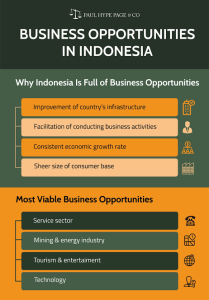
Indonesia stands as Southeast Asia’s largest economy and one of the most promising consumer markets in the world. With a population exceeding 200 million, a rapidly expanding middle class, and steady economic growth, the archipelago nation offers substantial opportunities for international manufacturers and distributors of consumer goods. From fast-moving consumer goods (FMCG) and personal care products to electronics, apparel, and household durables, Indonesia’s consumer market is undergoing profound structural changes that reward companies prepared to engage with disciplined, compliance-first strategies.
Indonesia market Opportunities
This strategic guide provides executives, brand managers, supply-chain leaders, and compliance professionals with a clear, audit-ready roadmap for understanding and successfully entering the Indonesian consumer market. The analysis covers demographic trends, economic drivers, regulatory environment, distribution channels, cultural nuances, and practical market entry strategies. All recommendations prioritize full regulatory compliance, sanctions screening, transparent due diligence, and sustainable business practices consistent with international standards.
Indonesia market
Strategic Insight: Indonesia is not a single uniform market but a diverse archipelago of opportunities. Success depends on combining deep local understanding with robust compliance frameworks, digital integration, and long-term partnership development.
Indonesia’s Demographic and Economic Profile
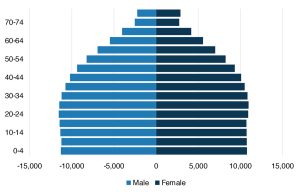
Indonesia is the world’s fourth most populous country, with a young and increasingly urban population. More than half of Indonesians are under the age of 30, creating a powerful demographic dividend that drives consumption across multiple categories. The expanding middle and upper-middle classes, particularly in Java, Sumatra, and major urban centers such as Jakarta, Surabaya, Bandung, and Medan, represent a growing base of discretionary spending power.
Indonesia’s Demographic
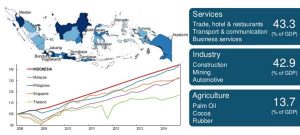
Economic growth has been supported by strong domestic consumption, natural resource wealth, and increasing foreign direct investment. The government has pursued infrastructure development, digital economy expansion, and regulatory reforms aimed at improving the ease of doing business. These efforts have positioned Indonesia as a key player within the ASEAN Economic Community and a gateway to broader Southeast Asian markets.
Indonesia’s Economic
For international consumer goods companies, Indonesia offers scale, growth potential, and increasing sophistication in consumer preferences. However, success requires navigating a complex regulatory landscape, diverse cultural and religious considerations, and fragmented distribution networks. For related strategies on compliant market entry in high-growth ASEAN economies, see our guide on Comprehensive Guide to Trading with ASEAN in 2026: Opportunities, Regulations, and Market Entry Strategies.
Key Consumer Segments and Spending Patterns
Indonesia’s consumer market can be segmented into several distinct groups with varying needs and purchasing behaviors:
- Urban Middle Class: Concentrated in major cities, this segment shows strong demand for branded FMCG, personal care, electronics, and lifestyle products.
- Emerging Middle Class: Growing rapidly in secondary cities and peri-urban areas, with increasing spending on packaged foods, affordable durables, and digital services.
- Premium Segment: High-income consumers in Jakarta, Bali, and other cosmopolitan centers who seek international brands and luxury positioning.
- Rural and Lower-Income Consumers: Price-sensitive buyers who respond well to affordable, value-oriented products and strong distribution reach.
Digital penetration has accelerated dramatically, with e-commerce platforms and social commerce playing an increasingly important role in reaching consumers across the archipelago. Companies that combine strong offline distribution with effective digital strategies tend to achieve faster market penetration and higher brand loyalty.
For manufacturers considering regional production strategies to serve the Indonesian market, Vietnam and other ASEAN locations offer complementary options. Strategic considerations for supply-chain relocation are detailed in Vietnam: The New Factory of the World – Why Tech Giants Are Moving Production from China to Vietnam.
Regulatory Environment and Compliance Requirements
Indonesia maintains a generally open investment regime for consumer goods sectors, though certain categories remain subject to specific licensing, halal certification, and local content requirements. The government has introduced reforms to improve the ease of doing business, including the Omnibus Law on Job Creation, which aims to streamline regulations and attract foreign investment.
Key compliance areas for foreign companies include:
- Company registration and foreign ownership limitations in certain sectors
- Halal certification for food, beverages, and personal care products
- Import licensing, customs procedures, and Single-Window integration
- Product registration and labeling requirements
- Anti-bribery and corruption controls under applicable laws
Businesses are strongly encouraged to maintain robust due diligence processes, transparent documentation, and clear contractual safeguards when engaging with local distributors, agents, or joint-venture partners. For guidance on managing geopolitical and snapback risks in contract drafting, refer to Snapback Risk in the Iran-US-Israel Ceasefire: A Strategic Contract Management Guide for CEOs and Investors.
Distribution Channels and Go-to-Market Strategies
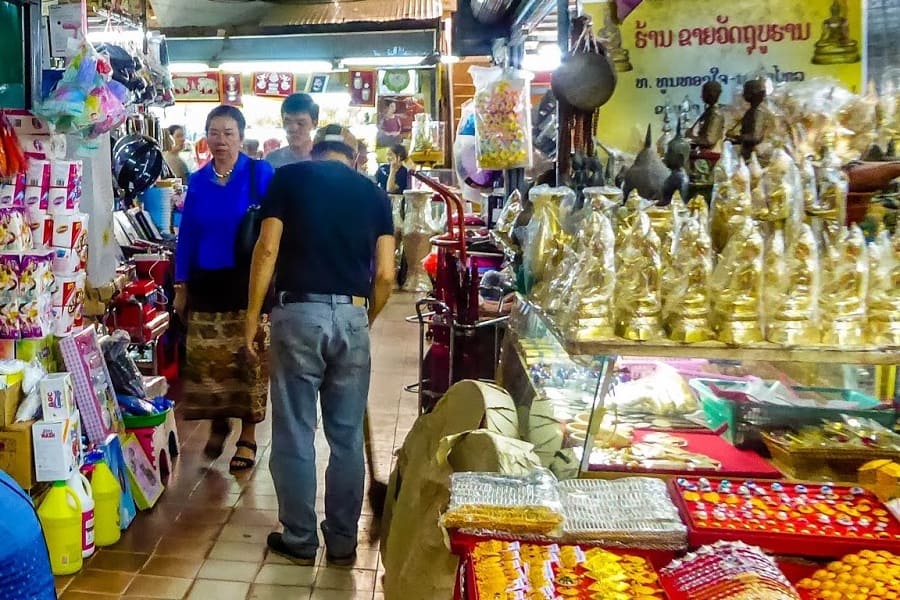
Indonesia’s distribution landscape remains fragmented, with a mix of modern retail (supermarkets, hypermarkets, and e-commerce) and traditional trade (warungs, small kiosks, and wet markets). Modern retail channels are growing rapidly in urban areas, while traditional trade continues to dominate volume in rural and lower-income segments.
Successful market entry strategies typically combine:
- Strong partnerships with established distributors and modern retail chains
- Investment in direct-to-consumer and e-commerce capabilities
- Localized marketing and product adaptation to meet cultural and religious preferences
- Robust last-mile logistics solutions to reach dispersed island populations
Companies that invest in building trusted local relationships while maintaining centralized compliance oversight tend to achieve better long-term results. For insight into green logistics and sustainable supply-chain practices that complement consumer goods distribution, see The Green Logistics Revolution on the New Silk Road: China’s Strategies for Decarbonizing Trade Routes and Smart Ports.
Risk Management and Audit-Ready Compliance Frameworks
Operating successfully in Indonesia requires proactive risk management across multiple dimensions. Recommended practices include:
- Continuous sanctions and adverse media screening for all local partners and suppliers
- Documented due diligence processes with clear escalation protocols
- Performance-based contracting and escrow mechanisms for significant investments
- Regular third-party audits of labor, environmental, and anti-corruption compliance
- Integration of digital tools for real-time supply-chain visibility and compliance monitoring
These measures not only satisfy regulatory expectations but also strengthen operational resilience and stakeholder confidence. For additional perspectives on compliant market entry and supply-chain strategies in high-growth ASEAN economies, refer to our ASEAN overview in Comprehensive Guide to Trading with ASEAN in 2026: Opportunities, Regulations, and Market Entry Strategies.
90-Day Market Entry Checklist for Indonesia
Days 1–15: Strategic Assessment
- Define target consumer segments and product categories
- Conduct regulatory and compliance gap analysis
- Assemble cross-functional market entry team
Days 16–45: Legal and Partnership Setup
- Register legal entity and secure necessary licenses
- Identify and evaluate local distributors and partners
- Develop audit-ready due diligence and screening protocols
Days 46–75: Operational Pilot
- Launch controlled pilot distribution in priority regions
- Validate end-to-end compliance and logistics workflows
- Refine marketing and product adaptation based on consumer feedback
Days 76–90: Scale and Governance
- Expand distribution to target volume levels
- Establish ongoing monitoring and quarterly compliance reviews
- Prepare for independent audit and certification processes
Conclusion: Indonesia as a Strategic Consumer Market
Indonesia’s 200-million consumer base, combined with its demographic advantages, economic momentum, and ongoing regulatory improvements, positions the country as one of the most compelling consumer markets in Asia. For international brands and manufacturers of consumer goods, the opportunity is substantial — provided entry is executed with disciplined compliance, cultural sensitivity, and long-term commitment.
Success in Indonesia requires more than product excellence. It demands robust local partnerships, audit-ready compliance frameworks, investment in distribution infrastructure, and continuous adaptation to evolving consumer preferences and regulatory requirements. Companies that approach the market with transparency, patience, and respect for local context will be best positioned to build sustainable, profitable operations.
The continued development of Indonesia’s consumer economy will create significant opportunities for those prepared to invest responsibly. Platforms purpose-built for regulated international trade and market entry provide the operational infrastructure necessary to execute these strategies efficiently and compliantly. Entities seeking to strengthen their Indonesia engagement are encouraged to evaluate integrated solutions that combine commercial agility with full regulatory alignment.