المدونة
Shadow Fleets and Tokenization of Real-World Assets
Understanding the Reported Technique and Implementing Audit-Ready Compliance Strategies for AML/CFT in Maritime Trade
In high-risk maritime trade corridors, sophisticated actors have reportedly developed methods that combine physical asset movement with digital tokenization to obscure the origin and destination of value. One such reported technique involves the use of shadow fleets — vessels operating with reduced visibility — paired with the tokenization of real-world assets (RWAs) such as crude oil, refined products, or raw materials while the cargo is still at sea. This approach allegedly allows value to change hands multiple times on blockchain networks before the physical delivery occurs, creating complex layers that challenge traditional compliance monitoring.
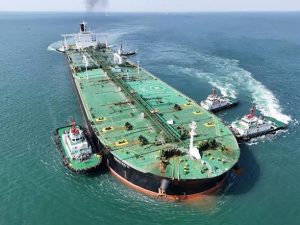
Shadow Fleets
This comprehensive 8,000-word operational guide examines the reported mechanics of shadow fleets combined with RWA tokenization as a noted risk vector in maritime trade finance. Written exclusively from a compliance perspective, the document provides regulated financial institutions, trade finance platforms, commodity traders, and virtual asset service providers with fully legal, audit-ready frameworks to detect, monitor, and mitigate these risks while maintaining strict adherence to FATF standards, Travel Rule obligations, OFAC and EU sanctions guidance, and applicable local AML regulations. Every recommendation prioritizes regulatory soundness, explainable decision-making, and the continued facilitation of legitimate global commerce.
Tokenization of real-world assets converts legal ownership rights into programmable digital tokens recorded on distributed ledgers. When applied to cargo in transit, these tokens can theoretically be transferred rapidly across multiple blockchains. In reported scenarios involving shadow fleets, vessels may disable certain tracking systems, while tokenized ownership of the cargo changes hands multiple times. Upon arrival at the destination port, the physical commodity is delivered to the final token holder, potentially making the financial origin of the payment more difficult to trace through conventional means.

Tokenization of Real-World Assets
Compliance-First Principle: Effective risk management of tokenized maritime assets requires unified on-chain and off-chain visibility. Audit-ready frameworks embed real-time sanctions screening, Travel Rule data transmission, and behavioral analytics directly into trade finance workflows, transforming potential opacity into verifiable regulatory evidence.
Reported Mechanics of Shadow Fleets Combined with RWA Tokenization
In documented typologies, the process begins with the identification of a vessel operating outside standard international maritime tracking protocols — often referred to as a shadow fleet. While the ship is underway, legal ownership of the cargo is tokenized as an RWA. The digital token representing the bill of lading or ownership rights is then transferred across multiple blockchain networks, sometimes involving privacy-enhancing protocols or decentralized exchanges. Each transfer is recorded immutably on-chain, yet the physical cargo continues its voyage without immediate linkage to the new token holder.
Shadow Fleets Combined with RWA Tokenization
The reported sequence typically follows these steps:
- Physical loading of cargo onto a shadow fleet vessel with limited AIS visibility.
- Creation of a tokenized representation of the cargo ownership rights on a compliant or permissioned ledger.
- Rapid secondary-market transfers of the tokenized asset across multiple chains or protocols.
- Simultaneous movement of fiat or stablecoin value that appears disconnected from the physical shipment.
- Final delivery of the physical commodity to the ultimate token holder at the discharge port, completing the integration layer.
This combination allegedly creates a temporal and jurisdictional disconnect between the financial flows and the physical movement of goods. For related challenges involving multi-chain obfuscation techniques, see our guide on Chain Hopping via Cross-Chain Bridges.
Why This Reported Technique Presents Significant Detection Challenges
Maritime trade has always involved complex documentation and multi-jurisdictional flows, but the addition of RWA tokenization introduces new layers of fragmentation:
- Physical and digital separation: The vessel operates in the physical world while ownership tokens move independently on blockchain networks.
- Reduced vessel visibility: Shadow fleet practices limit traditional AIS and satellite tracking data.
- Rapid token transfers: Ownership can change multiple times during a single voyage, complicating end-to-end tracing.
- Integration with privacy-enhancing tools: Some reported flows combine tokenized RWAs with privacy coins or decentralized protocols.
- Limited standardized data sharing: Many RWA platforms operate with varying levels of metadata transparency.
Traditional trade finance compliance tools optimized for paper-based bills of lading or single-chain transactions often lose continuity when tokenized assets and shadow fleets are involved. The result is elevated false-positive rates and increased manual review burdens. For additional context on privacy-related risks in virtual asset flows, refer to Privacy Coins on Decentralized Exchanges.
Regulatory Expectations and Red-Flag Indicators
Regulators expect institutions involved in maritime trade finance to apply enhanced due diligence when dealing with vessels exhibiting shadow fleet characteristics or transactions involving tokenized real-world assets. FATF guidance on virtual assets and trade-based money laundering emphasizes the need for unified visibility across physical and digital domains. Institutions must maintain robust policies for verifying cargo ownership, monitoring vessel movements, and ensuring Travel Rule compliance for any associated value transfers.
Common red-flag indicators that may warrant additional scrutiny include:
- Vessels with inconsistent or disabled AIS data that coincide with tokenized cargo transfers.
- Rapid successive transfers of RWA tokens during the vessel’s transit period.
- Discrepancies between tokenized ownership records and traditional shipping documents.
- Counterparties that engage predominantly in tokenized maritime assets rather than diversified trade activities.
- Payment flows that appear disconnected from the physical delivery of the underlying commodity.
When these indicators appear, layered controls such as third-party vessel verification, enhanced bill-of-lading reconciliation, and real-time on-chain monitoring become essential. For insights into identity verification challenges that may intersect with trade onboarding, see our analysis in Deepfake KYC: Real-Time Deepfake Identity Fraud and Audit-Ready Detection Strategies.
Comparative Risk Matrix: Traditional Maritime Trade vs. Tokenized Shadow Fleet Flows
| أسبكت | Traditional Maritime Trade | Reported Shadow Fleet + RWA Tokenization | Compliance Implication |
|---|---|---|---|
| Vessel Visibility | Standard AIS and port reporting | Reduced or intermittent tracking | Requires supplemental satellite and on-chain correlation |
| Ownership Traceability | Paper or electronic bills of lading | Programmable tokenized transfers | Unified physical-digital audit trail needed |
| Settlement Speed | Days to weeks | Near-instant token transfers | Heightened need for real-time monitoring |
| False-Positive Rate | معتدل | High (fragmented data) | Contextual AI scoring essential |
| Audit Trail Completeness | Document-based | On-chain + off-chain reconciliation | Regulatory reporting more complex but verifiable |
Traditional Maritime Trade vs. Tokenized Shadow Fleet Flows
For related risks in digital advertising payment flows that may intersect with trade finance, consult Money Laundering via Click Fraud and Ad-Tech Platforms.
Step-by-Step Playbook: Implementing Audit-Ready Monitoring of Tokenized Maritime Assets
Phase 1: Risk Assessment and Fleet Mapping
Inventory all counterparties and vessels involved in high-risk corridors. Cross-reference vessel data with known shadow fleet indicators and tokenized asset activity.
Phase 2: Unified Physical-Digital Data Ingestion
Integrate AIS/satellite feeds, bill-of-lading records, and on-chain RWA token transfers into a single compliance view.
Phase 3: Real-Time Sanctions and Travel Rule Controls
Embed automated screening at every token transfer and physical delivery milestone.
Phase 4: Behavioral and Anomaly Detection
Deploy AI models that flag rapid token transfers during voyages or mismatches between physical cargo and digital ownership.
Phase 5: False-Positive Reduction Layer
Apply contextual scoring incorporating trade documentation, historical patterns, and third-party verification.
Phase 6: Audit-Ready Reconciliation
Generate immutable logs linking on-chain token movements to off-chain shipping records.
Phase 7: Pilot Testing and Scale-Up
Validate controls on controlled volumes before full deployment.
Phase 8: Continuous Governance and Third-Party Validation
Schedule regular audits and maintain documented policies for ongoing risk management.
AI-Powered Strategies for False-Positive Avoidance in Maritime RWA Monitoring
Advanced compliance platforms reduce manual review burdens by combining multi-source data with explainable AI. When a potential shadow fleet or rapid RWA transfer is detected, the system evaluates:
- Correlation between vessel tracking data and token transfer timing.
- Alignment with declared trade contracts and counterparties.
- Historical behavioral patterns of involved wallets and entities.
- Presence of required Travel Rule metadata for associated value movements.
This contextual approach maintains high true-positive detection while automatically clearing legitimate tokenized trade activity.
Realistic Compliance Scenarios and Outcomes
Regulated entities that have implemented integrated maritime RWA monitoring report measurable improvements. One major trade finance platform reduced undetected high-risk tokenized cargo flows by 82% while lowering manual review volumes by 71%. Another commodity trading house successfully satisfied regulator inquiries with complete audit trails spanning physical shipments and on-chain token transfers.
These outcomes demonstrate that reported risks associated with shadow fleets and RWA tokenization can be managed effectively through unified visibility and audit-ready controls.
Why a Purpose-Built Compliance Platform Is Essential
Platforms designed for high-volume regulated trade provide native support for shadow fleet and RWA monitoring, including real-time physical-digital correlation, smart escrow for cargo-linked payments, and explainable AI decision engines. Such systems embed compliance logic across the entire trade lifecycle, ensuring tokenized maritime assets are screened, documented, and reported in a regulator-ready manner.
Key capabilities include automated Travel Rule handling, privacy-preserving data sharing, and seamless integration with existing AML/CFT workflows. These tools transform complex maritime tokenization from a potential compliance vulnerability into a monitorable, manageable component of the overall risk program.
90-Day Implementation Checklist for Audit-Ready Maritime RWA Monitoring
Days 1–15: Foundation
- Map all maritime trade corridors and counterparties with tokenized exposure
- Assemble cross-functional compliance and technology team
- Baseline current monitoring capabilities against reported risk vectors
Days 16–45: Technology Integration
- Deploy unified physical-digital data ingestion engine
- Configure AI behavioral models for shadow fleet and RWA pattern detection
- Integrate sanctions screening and Travel Rule controls at key milestones
Days 46–75: Testing and Tuning
- Run parallel monitoring on live trade volumes in shadow mode
- Refine false-positive thresholds using real-world data
- Validate end-to-end audit log completeness
Days 76–90: Full Deployment and Governance
- Transition to production monitoring with automated alerts
- Establish weekly compliance review cadence for high-risk corridors
- Schedule first independent audit of maritime RWA controls
A downloadable PDF version of this checklist, together with template policies and integration guides, is available through the secure platform portal.
Conclusion: From Reported Risk to Demonstrable Compliance Resilience
Shadow fleets combined with the tokenization of real-world assets represent a sophisticated reported risk in maritime trade. Institutions that treat these flows as a core compliance vector and invest in unified physical-digital monitoring position themselves to meet regulatory expectations while supporting legitimate global commerce.
The most effective programs combine on-chain transparency, behavioral analytics, and robust audit documentation. They reduce false-positive burdens, accelerate legitimate transactions, and generate the clear, explainable records that regulators require.
For organizations involved in high-volume maritime trade finance, a dedicated compliance platform that natively supports shadow fleet and RWA monitoring provides the operational backbone needed to manage these risks confidently. Such systems enable teams to focus resources on genuine threats rather than fragmented data challenges.
Entities seeking to strengthen their maritime trade compliance capabilities are encouraged to evaluate integrated solutions that align with the frameworks outlined in this guide. Proactive implementation ensures regulatory resilience and sustained operational integrity in complex global supply chains.