المدونة
Vietnam: The New Factory of the World
Why Tech Giants Are Moving Production from China to Vietnam
Vietnam has rapidly emerged as one of the most attractive manufacturing destinations in Asia. Major technology companies, electronics manufacturers, and multinational corporations are increasingly shifting production capacity from China to Vietnam, driven by supply-chain diversification, cost optimization, regulatory predictability, and access to a young, skilled workforce. This strategic relocation reflects a broader global trend toward “China+1” and friendshoring strategies, where businesses seek to reduce concentration risk while maintaining operational efficiency and compliance standards.
Vietnam: The New Factory of the World
This comprehensive guide provides executives, supply-chain managers, and compliance professionals with an objective, audit-ready analysis of Vietnam’s rise as a manufacturing powerhouse. It covers economic advantages, regulatory environment, labor market dynamics, infrastructure development, and practical market entry strategies. All recommendations prioritize full regulatory compliance, sanctions screening, export-control adherence, and transparent due diligence processes.
Strategic Insight: Vietnam’s success as the “new factory of the world” is built on a combination of policy stability, competitive labor costs, strategic geography, and strong international trade agreements. Companies that approach the market with disciplined compliance frameworks and long-term partnership strategies will capture sustainable competitive advantage.
Vietnam’s Economic Transformation and Manufacturing Boom
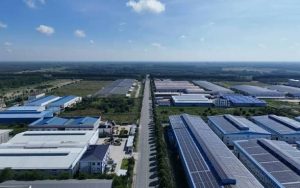
Over the past two decades, Vietnam has transformed from an agrarian economy into a dynamic manufacturing and export-oriented powerhouse. The country has consistently achieved high GDP growth rates, supported by strong foreign direct investment (FDI), integration into global value chains, and proactive trade liberalization policies.
Vietnam’s Economic Transformation and Manufacturing Boom
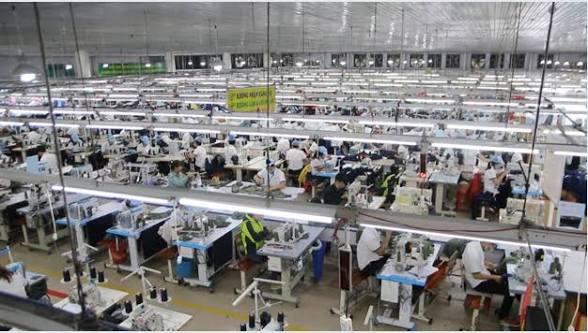
Vietnam is now a leading exporter of electronics, smartphones, textiles, footwear, and furniture. The country has become a critical node in the global supply chains of major technology brands, particularly in consumer electronics and semiconductor assembly. This shift has been accelerated by multinational corporations seeking to diversify away from over-reliance on a single manufacturing base while maintaining cost competitiveness and supply-chain resilience.
The Vietnamese government has actively supported this transformation through investment incentives, special economic zones, and improvements in logistics infrastructure. For international manufacturers considering relocation or expansion, Vietnam offers a compelling combination of relatively low labor costs, improving infrastructure, and favorable trade agreements with major economies. For related strategies on compliant nearshoring and friendshoring, see our guide on Friendshoring 2.0: Compliant Nearshoring Strategies for Manufacturers Targeting GCC and Emerging Markets.
Key Drivers Behind the Shift from China to Vietnam
Several structural and strategic factors explain why technology giants and other manufacturers are accelerating their move to Vietnam:
Key Drivers Behind the Shift from China to Vietnam
1. Supply-Chain Diversification and Risk Mitigation
Geopolitical tensions, trade disputes, and pandemic-related disruptions have highlighted the risks of excessive concentration in one manufacturing hub. Vietnam offers a viable alternative that allows companies to maintain regional proximity to Asian markets while reducing single-country exposure.
2. Competitive Labor Costs and Demographic Advantage
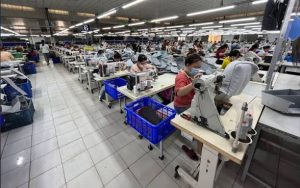
Vietnam possesses a young, increasingly skilled workforce with labor costs that remain competitive compared to many other Asian economies. The country’s focus on technical education and vocational training has improved the quality of available human capital for manufacturing and assembly operations.
3. Favorable Trade Agreements and Market Access
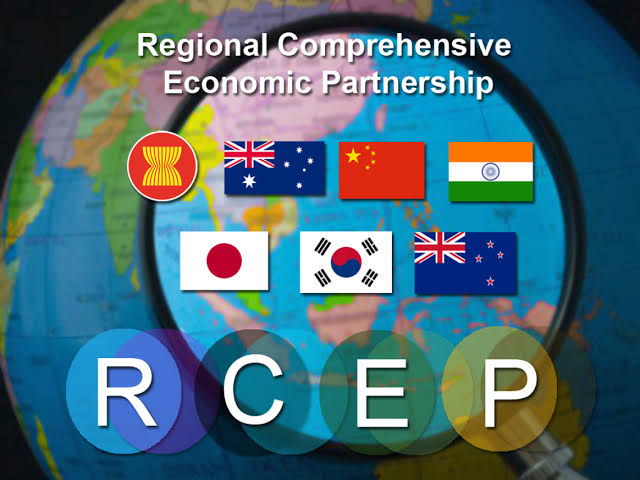
Vietnam is a signatory to multiple free trade agreements, including the Comprehensive and Progressive Agreement for Trans-Pacific Partnership (CPTPP), the Regional Comprehensive Economic Partnership (RCEP), and bilateral agreements with the EU, UK, and others. These agreements provide preferential tariff treatment and improved market access for Vietnamese exports.
4. Government Incentives and Infrastructure Development
The Vietnamese government offers attractive investment incentives, including tax holidays, reduced corporate income tax rates, and support for infrastructure development in industrial parks and economic zones. Ongoing investments in ports, highways, and logistics corridors continue to improve the country’s connectivity.
For businesses evaluating long-term supply-chain reconfiguration, Vietnam represents a balanced option between cost, capability, and compliance predictability. Additional perspectives on green logistics and sustainable supply chains are available in The Green Logistics Revolution on the New Silk Road: China’s Strategies for Decarbonizing Trade Routes and Smart Ports.
Regulatory and Compliance Landscape for Foreign Investors
Vietnam maintains a relatively open investment regime for foreign companies, particularly in manufacturing and export-oriented sectors. However, successful operation requires careful navigation of local regulations, including company registration, land use rights, labor laws, environmental standards, and intellectual property protection.
Regulatory and Compliance Landscape for Foreign Investors
Key compliance considerations include adherence to rules of origin under various free trade agreements, proper documentation for import/export activities, and implementation of robust anti-bribery and corruption controls. Companies are also expected to maintain accurate records for tax purposes and participate in Vietnam’s digital customs and Single-Window systems where applicable.
For international traders and manufacturers, integrating Vietnam into regional supply chains requires audit-ready due diligence processes and clear contractual safeguards. Practical guidance on contract management in geopolitically sensitive environments is provided in Snapback Risk in the Iran-US-Israel Ceasefire: A Strategic Contract Management Guide for CEOs and Investors.
Practical Market Entry Strategies for Manufacturers and Suppliers
Successful establishment in Vietnam typically follows a structured approach:
- Conduct thorough market and regulatory due diligence before committing capital.
- Establish a legal entity (often a 100% foreign-owned company) and secure necessary investment licenses.
- Partner with experienced local firms or consultants for land acquisition, facility setup, and workforce recruitment.
- Implement robust compliance programs covering labor standards, environmental protection, and supply-chain traceability.
- Integrate digital tools for real-time supply-chain visibility and automated compliance reporting.
Technical contractors and equipment suppliers can find substantial opportunities in supporting Vietnam’s industrial expansion. Detailed strategies for participating in energy and infrastructure projects are available in Rebuilding Energy Infrastructure: Strategic Opportunities for Technical Contractors in Post-Ceasefire Reconstruction.
Risk Management and Compliance Best Practices
Operating successfully in Vietnam requires proactive risk management. Recommended practices include:
- Continuous sanctions and adverse media screening for all local partners and suppliers.
- Documented due diligence processes with clear escalation protocols.
- Performance-based contracting and escrow mechanisms for significant investments.
- Regular third-party audits of labor, environmental, and anti-corruption compliance.
These measures not only satisfy regulatory expectations but also strengthen operational resilience and long-term stakeholder confidence.
90-Day Market Entry Checklist for Vietnam
Days 1–15: Strategic Assessment
- Define specific manufacturing or sourcing objectives in Vietnam
- Conduct regulatory and compliance gap analysis
- Assemble cross-functional market entry team
Days 16–45: Legal and Operational Setup
- Register legal entity and secure investment approvals
- Identify and evaluate local partners or service providers
- Develop audit-ready compliance and due diligence frameworks
Days 46–75: Infrastructure and Pilot Phase
- Secure facility and begin recruitment processes
- Execute controlled pilot production or sourcing activities
- Validate end-to-end compliance and operational workflows
Days 76–90: Scale and Governance
- Ramp up to target production or sourcing volumes
- Establish ongoing monitoring and quarterly compliance reviews
- Prepare for independent audit and certification processes
Conclusion: Vietnam as a Strategic Manufacturing Destination
Vietnam has successfully positioned itself as the “new factory of the world” by offering a compelling combination of competitive costs, improving infrastructure, favorable trade agreements, and policy stability. For technology companies, electronics manufacturers, and other multinational corporations seeking to diversify their supply chains, Vietnam represents a pragmatic and future-oriented choice.
Success in Vietnam requires more than cost arbitrage. It demands disciplined compliance, long-term partnership building, investment in local capabilities, and integration with digital trade and logistics platforms. Companies that approach the market with audit-ready processes, transparent governance, and a commitment to sustainable operations will be best positioned to thrive in Vietnam’s dynamic manufacturing ecosystem.
The continued growth of Vietnam as a global production hub will depend on sustained policy reform, infrastructure investment, and skilled workforce development. International businesses that align their strategies with these national priorities while maintaining the highest standards of regulatory compliance will contribute to — and benefit from — Vietnam’s continued economic ascent.
Platforms purpose-built for regulated international trade and supply-chain management provide the operational infrastructure necessary to execute these strategies efficiently and compliantly. Entities seeking to strengthen their Vietnam engagement are encouraged to evaluate integrated solutions that combine commercial agility with full regulatory alignment.