المدونة
China’s Export Leadership: How Did It Scale to the Global Stage?
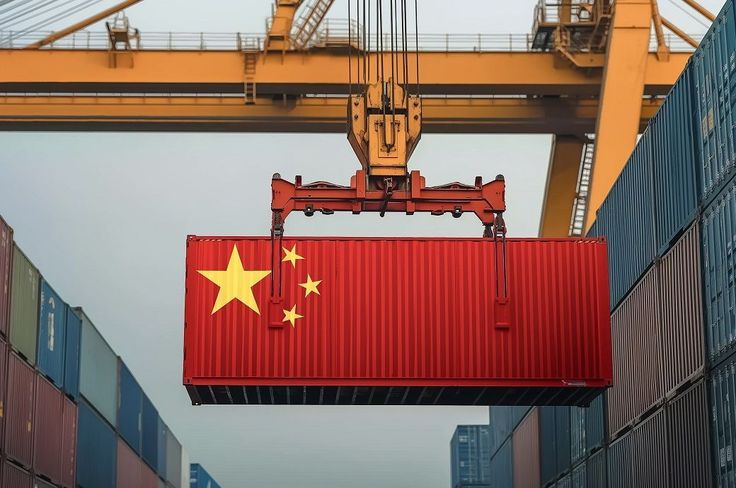
I’ve spent decades navigating the highs and lows of international trade—building supply chains, negotiating deals across borders, and watching markets shift in ways that can make or break a business overnight. Few stories in modern commerce are as instructive as China’s transformation into the undisputed leader in global exports. What started as a cautious opening in the late 1970s has become a masterclass in strategy, execution, and relentless adaptation.

China’s Export Leadership
Today, China’s exports exceed $3.5 trillion annually, dominating everything from electronics and machinery to emerging high-tech sectors like electric vehicles and renewable energy components. This isn’t luck or a one-off policy win. It’s the result of deliberate, layered decisions that created an ecosystem where manufacturing, logistics, policy, and human capital reinforced each other.
In this guide, I’ll break down exactly how China did it, why the model worked so powerfully, and—most importantly—what practical lessons you can apply to your own export operations right now. Whether you’re sourcing components, scaling shipments to the GCC, or exploring new markets, understanding these dynamics will help you compete smarter.
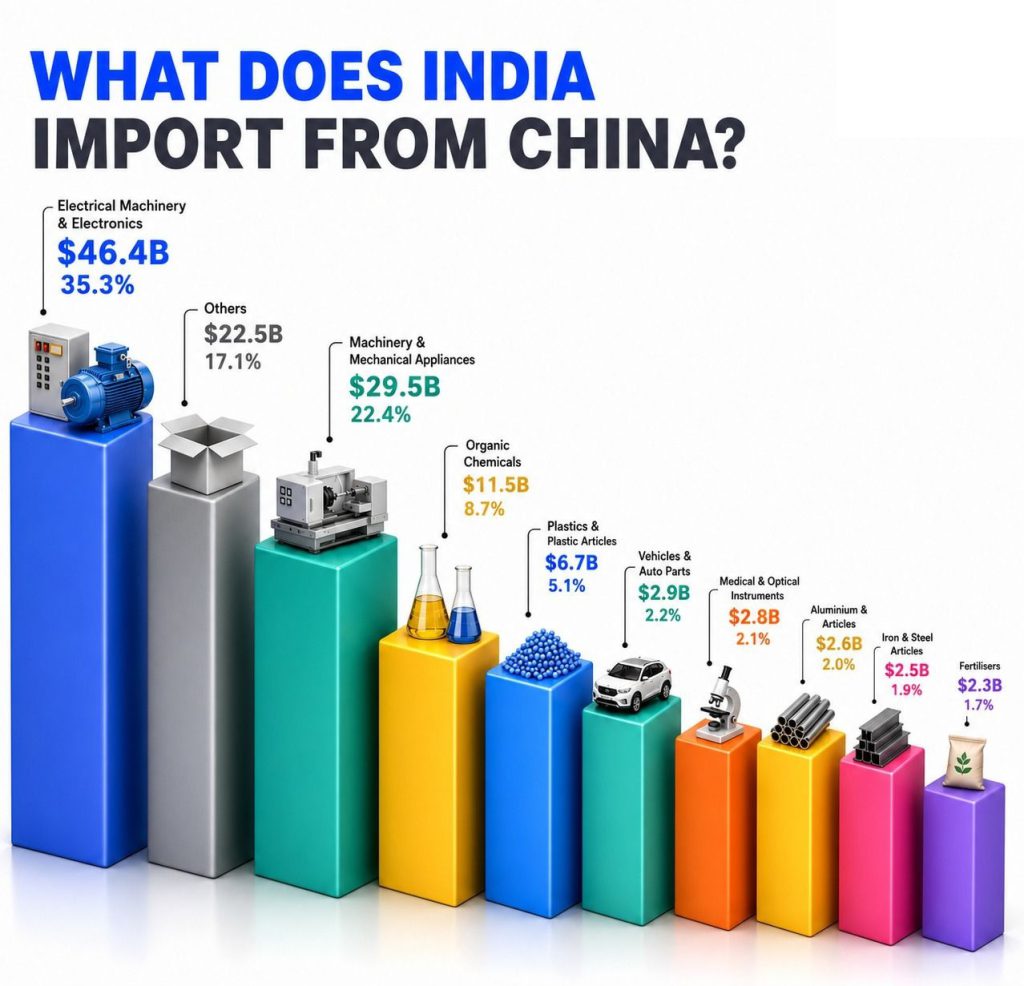
India-China Trade Shift: Navigating the $76B Import Substitution
The Foundations: From Isolation to Export Machine (1978–2000)
China’s journey didn’t begin with factories churning out goods for the world. It started with a bold but measured pivot under Deng Xiaoping’s reforms. After years of inward focus, leaders recognized that integration into global markets was essential for growth.
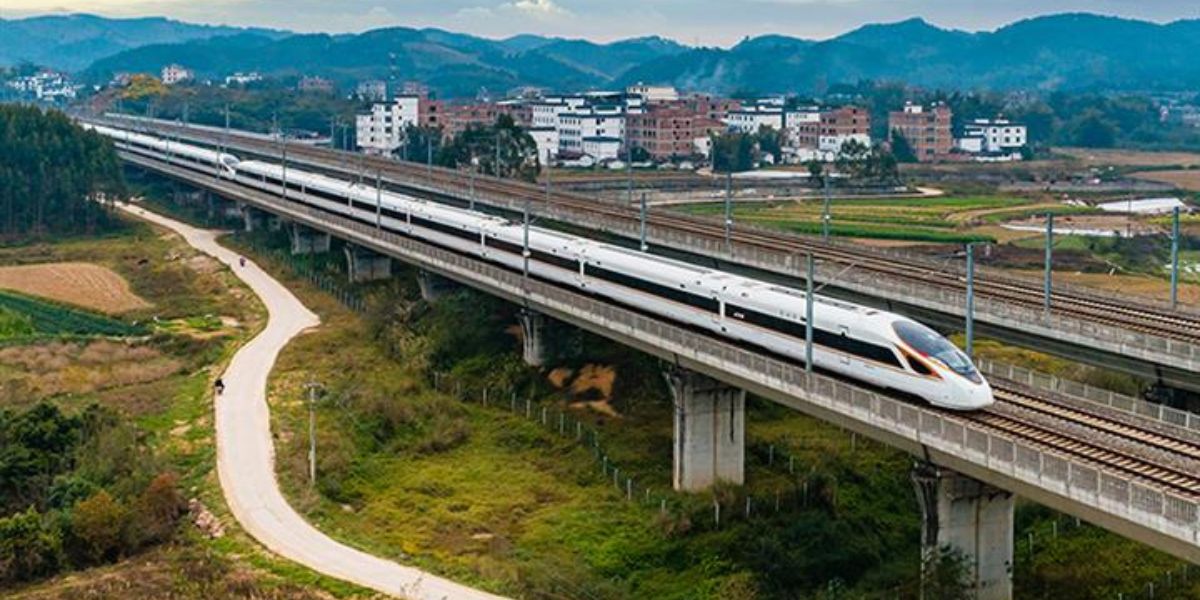
China’s journey
Key Early Moves:
- Special Economic Zones (SEZs): In 1980, places like Shenzhen, Zhuhai, Shantou, and Xiamen were designated as testing grounds. These zones offered tax incentives, simplified regulations, duty-free imports for equipment, and flexible labor rules. Foreign investors poured in, bringing capital, technology, and know-how.
- Infrastructure as a Priority: Ports, roads, and power systems were built or upgraded aggressively. This wasn’t just about moving goods—it was about creating speed and reliability that competitors couldn’t match.
- Attracting FDI: Policies encouraged joint ventures and foreign direct investment, allowing local firms to learn advanced manufacturing techniques quickly.
The results were dramatic. Shenzhen, once a fishing village, exploded into a metropolis. SEZs accounted for a outsized share of national exports and FDI in their early years, proving the model and paving the way for nationwide reforms.
What made this work? It wasn’t blind liberalization. It was controlled experimentation: test in zones, learn what succeeds, then scale. This pragmatic approach reduced risk while building momentum.
The WTO Catalyst and Hyper-Growth Era (2001–2010s)
China’s accession to the World Trade Organization in 2001 was a game-changer. Tariffs dropped, market access improved, and global value chains shifted production to China en masse.
Exports surged at an average of around 30% annually in the early post-WTO years. China overtook Germany as the top goods exporter by 2009. Why?
Core Drivers:
- Scale and Industrial Clusters: Massive manufacturing ecosystems formed, where suppliers, factories, and logistics providers clustered together. This slashed costs and lead times. Need a phone assembled? Components are often available within hours in the same region.
- Workforce Advantage: A large, adaptable labor pool—combined with improving education and skills training—supported rapid scaling. Migration from rural areas to industrial hubs provided the manpower.
- Government Coordination: Policies prioritized export-oriented industries. Subsidies, cheap financing, and land access fueled investment. Local officials were incentivized to hit growth targets through manufacturing metrics.
Strategic Shift
The Digital Catalyst: How B2B Platforms Democratized Trade
China’s export miracle was not driven solely by physical ports and Special Economic Zones (SEZs). The true inflection point occurred when trade went digital. The rise of pioneering B2B marketplaces like Alibaba و Global Sources fundamentally restructured global commerce. For the first time, international buyers did not need to physically travel to trade fairs or navigate dense layers of local brokers; they could discover, verify, and source directly from small and medium-sized factories deep within China’s industrial clusters.
- Zero-Cost Price Discovery: Digital catalogs and instant RFQs eliminated the massive information asymmetry that once protected bloated middleman margins.
- Frictionless Sourcing: Scalable online verification built immediate international trust, allowing overseas buyers to confidently secure contracts with overseas suppliers.
💡 The Modern Parallel: Today, the global trade landscape demands even smarter integration. Just as early B2B platforms opened China’s factories to the world, Platform.Tendify.Net serves as your modern trade command center—compressing cost, automating cross-border documentation, and utilizing targeted digital architecture to connect you to high-yield GCC, MENA, and global supply chains seamlessly.
Modern Dominance: High-Tech Shift and Resilience (2020s Onward)
Fast-forward to today, and China continues to lead with $3.59 trillion in exports as of recent data, holding the top spot globally. The “New Three”—electric vehicles, lithium-ion batteries, and solar products—have seen explosive growth, alongside semiconductors and machinery.

High-Tech Shift and Resilience
Even amid trade tensions and global shifts, China’s export machine shows resilience through diversification (strong growth to ASEAN, Africa, and Europe) and innovation.
What Sets China Apart Now:
- Supply Chain Mastery: End-to-end integration from raw materials to finished goods, backed by world-class ports and digital logistics.
- Policy Evolution: Focus on “high-quality development,” self-reliance in tech, and green industries.
- Adaptation to Challenges: Overcapacity at home pushes exports; investments in R&D accelerate premium products.
Supply Ripple
The “New Three” Ripple Effect: What High-Tech Shift Means for Traditional Traders
When global headlines analyze China’s explosive export growth in the “New Three”—Electric Vehicles (EVs), lithium-ion batteries, and solar products—traditional B2B traders often look away, assuming it doesn’t apply to them. This is a strategic mistake. China’s hyper-focus on these advanced sectors is drastically reshaping the global supply chains of commodity goods, industrial spare parts, and raw materials. A shift in high-tech manufacturing creates a massive vacuum and massive opportunity for conventional industries.
How High-Tech Shifts Drive Traditional B2B Sectors:
- Chemicals & Polymers: The manufacturing of batteries and solar panels requires an unprecedented volume of specialized chemical compounds, polymers, protective coatings, and industrial lubricants.
- Precision Parts & Components: The massive EV assembly ecosystem has optimized the production of traditional hardware, casting components, wiring, and stamped metal parts, driving down their global costs.
- Agricultural & Infrastructure Logistics: As manufacturing hubs scale up to handle massive green tech components, peripheral container lines and bulk shipping routes become highly optimized, reducing overall freight costs for traditional agro-commodities.
💡 The Trading Pivot: You do not need to export electric cars to profit from this shift; you need to trade the components, chemicals, and supporting spare parts that feed these industrial ecosystems. Identifying these hidden cross-border product connections requires sharp market data. By utilizing the granular HS code classifiers and bulk freight optimization engines on Platform.Tendify.Net, traditional B2B operators can spot high-yield product niches and ride the wave of global industrial transformation seamlessly.
Financial Frontier
The Currency Pivot: De-Dollarization and Modern Trade Finance
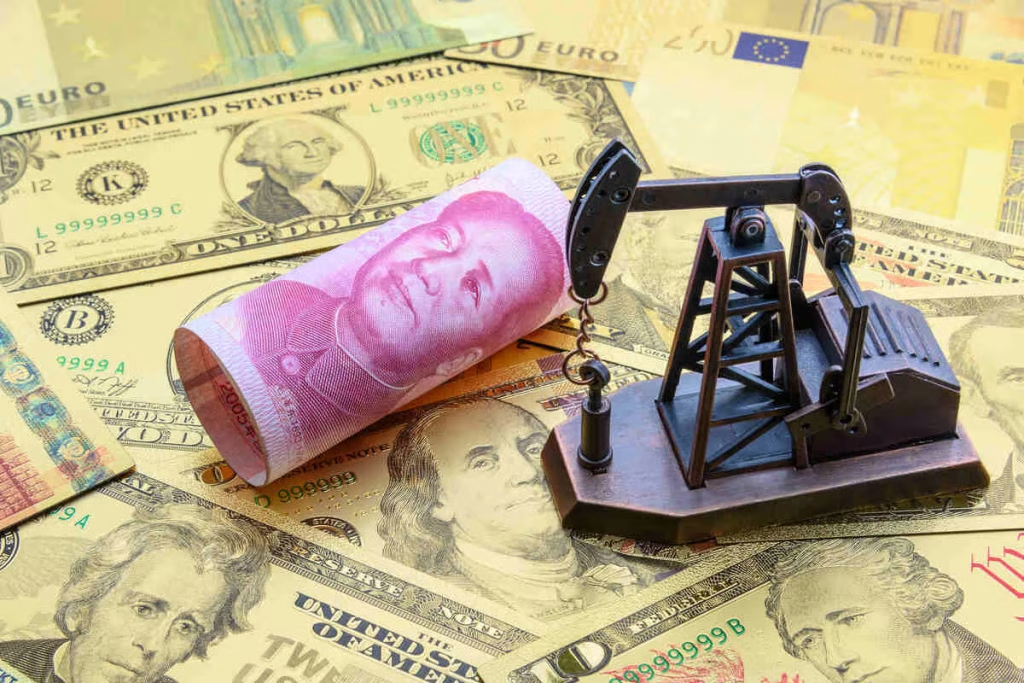
Resilience in modern trade is no longer just about manufacturing speeds; it is about navigating complex geopolitical financial architectures. In recent years, the acceleration of de-dollarization has fundamentally shifted how cross-border settlements occur. Driven by bilateral agreements, global traders are increasingly bypassing traditional banking friction by settling invoices directly in local currencies—most notably utilizing the Chinese Yuan (RMB) against regional anchors like the UAE Dirham (AED) and other Middle Eastern currencies.
Navigating the Modern Financial Corridor:
- Alternative Liquidity: Leveraging RMB-denominated clearing banks in the GCC to mitigate FX volatility and hedge against Western banking corridor bottlenecks.
- Digital Trade Finance: Utilizing structured trade finance instruments, blockchain-backed letters of credit, and non-SWIFT payment infrastructure to secure supply chains.
⚙️ Strategic Takeaway: To mitigate transactional risk in today’s landscape, relying on single-currency channels is a vulnerability. Successful operations require platforms that understand these macro shifts. Incorporating multi-currency cost-modeling and understanding direct regional settlement channels through systems like Platform.Tendify.Net allows serious B2B entities to preserve operating margins and ensure uninterrupted cargo flow.
Breaking Down the Key Success Factors
Let’s get granular. Here’s what truly powered China’s rise, with actionable insights for your business.
1. Strategic Policy and SEZs: Creating Predictable Advantages
SEZs provided a low-risk entry for experimentation. Incentives like tax holidays, streamlined customs, and infrastructure made them magnets for investment.
Lesson for Traders: Seek or create favorable environments. When expanding to new markets like the UAE or Saudi Arabia, leverage free zones with similar benefits. Use tools like Tendify’s export documentation generators and duty calculators to minimize friction.
2. World-Class Infrastructure and Logistics
Efficient ports (like Shanghai and Shenzhen), high-speed rail, and digital tracking systems turned China into a logistics superpower. Goods move fast and cheaply.
Practical Takeaway: Optimize your own logistics ruthlessly. Model container loading, calculate CBM/volumetric weights accurately, and choose routes that mirror China’s efficiency. Platforms with real-time calculators can save thousands per shipment.
Regional Axis
The GCC Corridor: Leveraging the Dubai D33 and MENA Logistics Hubs
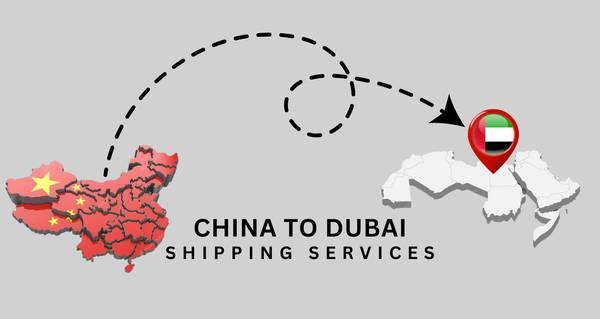
China’s modern supply chain does not end at its own borders; it is deeply intertwined with the logistical infrastructure of the Middle East. Under strategic initiatives like the Dubai Economic Agenda D33, the GCC has transformed from a simple destination into a critical multi-modal re-export hub. By linking China’s mega-ports directly with the massive multi-modal networks of Jebel Ali, the expanding port systems of Oman (like Sohar and Salalah), and Saudi Arabia’s Red Sea gateways, global trade has unlocked unprecedented speed and tax-optimized routing.
How Regional Traders Capitalize on This Synergy:
- Re-Export Optimization: Utilizing GCC free zones to break bulk cargo from China, re-package, and distribute across Africa, Europe, and the wider MENA region with minimal customs friction.
- Transit Time Reduction: Combining sea-air corridors through regional hubs to slash transshipment delays, bypassing traditional global maritime chokepoints.
📍 The Regional Playbook: To win in the GCC and MENA markets, you must treat these regional hubs as your tactical leverage points. Navigating the differing tariff structures between China, the UAE, Saudi Arabia, and regional free zones requires precision data. By utilizing the advanced localized trade intelligence and cross-border documentation flows on Platform.Tendify.Net, serious traders can map out optimal regional routes, accurately project duty costs, and turn the China-GCC corridor into a predictable profit center.
GCC Customs Duty Calculator & Exemption Guide
📊 Strategic Distribution Matrix (MENA & GCC Corridors)
| Operational Factor | Traditional Supply Chain (Single-Source) | Modern Distribution (Regional Hubs + D33) | Tendify Tactics |
| Tariff & Customs Risk | 100% vulnerability to sudden trade sanctions, punitive tariffs, and trade wars. | High resilience through legal parallel routing and “China + 1” frameworks. | Deploying automated custom duty calculators and real-time tariff stress-tests. |
| Transactions & Finance | Heavy reliance on legacy currencies and restrictive Western banking corridors. | Direct settlements using localized currency pairs (e.g., RMB / AED clearing). | Utilizing multi-currency cost modeling integrated with live FX market pulses. |
| Logistics & Warehousing | Centralized inventory at origin with severe capital stagnation risks. | Fluid regional re-exporting, dynamic cross-docking, and free zone bulk-breaking. | Leveraging precise CBM and container loading engines for bulk cargo optimization. |
3. Industrial Clusters and Ecosystem Thinking
Proximity of suppliers reduces costs and risks. Clusters enable rapid iteration and specialization.
Apply It: Build or join strong supplier networks. Diversify beyond single sources. Tools for HS code classification and tariff checks help navigate cross-border complexities seamlessly.
4. Workforce and Continuous Upgrading
From low-cost assembly to high-tech production, China invested in skills and technology transfer.
البصيرة: Invest in your team’s capabilities. Use data-driven tools for market intelligence and compliance to stay ahead.
5. Export-Oriented Mindset with Domestic Scale
Huge internal market provided a base, but global orientation drove growth. Adaptation to demand (e.g., shifting to EVs and renewables) kept momentum.
For You: Balance domestic stability with aggressive export strategies. Monitor trends via market pulse tools.
Port vs. Terminal: Why Confusing Them Costs You Thousands
Challenges and Criticisms: The Full Picture
No success story is flawless. China faced overcapacity, environmental costs, debt issues, and geopolitical pushback. Yet, its ability to pivot—emphasizing innovation and new markets—highlights resilience.
Risk Management
Tariff Wars and the Rise of the “China+1” Strategy
Geopolitical friction, escalating tariff barriers, and aggressive trade sanctions have fundamentally altered the math of global sourcing. Relying entirely on a single-source supply chain inside China is no longer just inefficient—it is a critical business vulnerability. To safeguard operations, seasoned global traders are aggressively deploying the “China+1” strategy: maintaining their foundational manufacturing footprint in China while establishing parallel supply lines in alternative manufacturing hubs like Vietnam, India, or Turkey.
Why Modern B2B Operations Diversify:
- Tariff Mitigation: Routing secondary production or final assembly through alternative nations to legally bypass punitive cross-border duties and quotas.
- Supply Chain Redundancy: Preventing complete operational shutdown during local lockdowns, power shortages, or regional logistical bottlenecks.
⚠️ Operational Reality: Executing a multi-country sourcing strategy multiplies paperwork, duty structures, and compliance checks. Without structured oversight, the administrative overhead can wipe out your margins. Smart procurement teams use the multi-market sourcing analytics and HS code tariff calculators built into Platform.Tendify.Net to stress-test alternative routes and manage fragmented supply chains from a single, unified interface.
Border Gate
The Compliance Gateway: Quality Control, HS Codes, and Border Friction
China’s systemic shift toward “high-quality development” means that sourcing cheap, sub-standard products is a relic of the past. However, higher standards bring vastly more complex regulatory frameworks. For a B2B trader, a single administrative oversight at the origin can lead to catastrophic failure. Without rigorous upfront compliance, your cargo will not just face delays—it will be blocked, fined, or seized at the destination port.
Critical Failure Points in Sourcing Compliance:
- Pre-Shipment Inspections (PSI): Skipping third-party verification (such as SGS or Intertek) at the factory floor exposes you to severe quality discrepancies that are impossible to litigate once the container leaves China.
- HS Code Misalignment: Harmonized System (HS) codes must be perfectly synchronized between Chinese export customs and your regional import authorities. A minor classification error can trigger accusations of customs fraud and immediate audit red-flags.
🛑 The Operational Shield: In the world of high-volume B2B trade, hoping for smooth customs clearance is not a strategy. You need proactive tools to stress-test your documentation. By deploying the smart HS code matching engines, integrated duty calculators, and structured pre-shipment compliance checklists available on Platform.Tendify.Net, professional traders can insulate their capital from border risks and guarantee a seamless, compliant path from factory floor to regional warehouse.
How to Compete and Collaborate in a China-Led World
You don’t need to replicate China’s scale. Focus on niches, speed, and value.
- Leverage Data and Tools: Use advanced calculators for costs, tariffs, and optimization to match efficiency.
- Focus on Compliance and Relationships: Strong documentation and networks win deals.
- Explore Synergies: Many traders source from or partner with Chinese ecosystems while adding unique value in logistics or market access.
Internal Tip: Check related guides on our blog for deeper dives, such as GCC Logistics Revolution or procurement strategies that complement global supply chains.
Real-World Application: Building Your Export Playbook
Step 1: Map your supply chain for cluster-like efficiencies.
Step 2: Utilize advanced digital infrastructure to synchronize HS codes and secure multi-currency trade finance channels.
Step 3: Mitigate geopolitical risks by stress-testing a “China + 1” sourcing fallback in regional hubs like Turkey or India.
Step 4: Invest in compliance and relationships for long-term trust.
Step 5: Monitor and adapt using real-time insights.
Businesses that apply these principles see reduced costs, faster turnaround, and higher margins.
The Road Ahead for Global Trade
China’s story shows that export leadership comes from aligned systems: policy, infrastructure, talent, and execution. In 2026 and beyond, the winners will be those who combine technology, strategic positioning, and adaptability.
At Platform.Tendify.Net, we’ve built exactly the kind of integrated tools that make this possible—whether it’s AI-powered market analysis, document builders, or logistics optimizers. Exploring it can give you a practical edge in applying these lessons without the decades of trial and error.
The global trade landscape rewards those who learn from history’s biggest successes. China didn’t just participate—it engineered dominance through focus and integration. You can capture your share of the opportunity by doing the same, one smart decision at a time.
Ready to strengthen your export operations? Head to Platform.Tendify.Net today and start using the command center tools designed for serious traders. Sign up, explore the dashboard, and turn insights into profitable action. Your next big deal could start with the right platform and the right strategy.