المدونة
China to Jebel Ali 2026: Air vs. Sea Freight Cost-Benefit Analysis
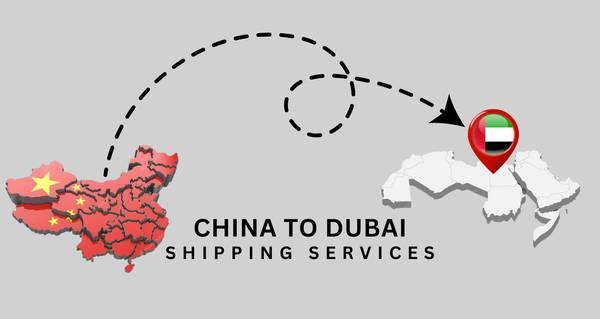
لقد أمضيت عقوداً من الزمن في توريد واستيراد البضائع عبر سلاسل التوريد العالمية، من الإلكترونيات في شينزن إلى الآلات في شنغهاي، وتوجيه آلاف الحاويات والمنصات النقالة إلى ميناء جبل علي. هناك حقيقة واحدة ثابتة: الاختيار بين الشحن الجوي والشحن البحري لا يتعلق فقط بالسرعة مقابل التكلفة - بل يتعلق الأمر بمواءمة قيمة سلعتك وإلحاحها وحجمها مع الحقائق اللوجستية في العالم الحقيقي. في عام 2026، مع استقرار أسعار ما بعد الذروة وتطور متطلبات التجارة الإلكترونية، يواجه المستوردون في الإمارات العربية المتحدة قرارات دقيقة. لا يزال جبل علي مركزاً قوياً في الشرق الأوسط، حيث يتعامل مع أكثر من 13 مليون حاوية نمطية سنوياً، ولكن يمكن أن تؤدي الاضطرابات مثل الازدحام العرضي أو الأحداث العالمية إلى قلب الموازين.
من الصين إلى جبل علي
ضع في اعتبارك هذا الأمر اللافت للنظر: بينما يهيمن الشحن البحري على 90% من حجم التجارة العالمية، فإن الشحن الجوي يستحوذ على شحنات عالية القيمة تبلغ قيمتها تريليونات. ومع ذلك بالنسبة للطرق من الصين إلى الإمارات العربية المتحدة - حيث تشمل أهم الواردات الإلكترونيات والآلات والمنسوجات والسلع الاستهلاكية - يمكن أن يؤدي عدم تطابق طريقة الشحن الجوي إلى تآكل 10-201 تيرابايت من هوامش الربح من خلال التأخير أو التكاليف الزائدة. يقدّم هذا الدليل دليلاً لا يخلو من تحليل التكاليف والفوائد 2026, مدعومة بالاتجاهات والبيانات الحالية من مصادر مثل Freightos وتقارير الصناعة. سوف أقوم بتحليل الإيجابيات والسلبيات والأسعار والتوصيات الخاصة بالسلع لمساعدتك على تحسينها.
Pro-Tip: The “Hidden” 45kg Threshold
Based on our 2025 shipping data, many SMEs lose money by choosing Sea Freight for loads between 45kg and 100kg. While Sea Freight unit costs look lower, the Port Handling Charges (PHC) at Jebel Ali often neutralize the savings for small volumes.
Actual Case: A shipment of 60kg of electronics from Shenzhen to Dubai cost $350 via Air (door-to-door), whereas Sea Freight (LCL) totaled $410 after adding terminal handling and documentation fees. Rule of thumb for 2026: If it’s under 100kg, always run a full DDP comparison before defaulting to sea.
لماذا يتطلب طريق الصين-جبل علي اختيار طريقة الشحن من الصين إلى جبل علي بعناية
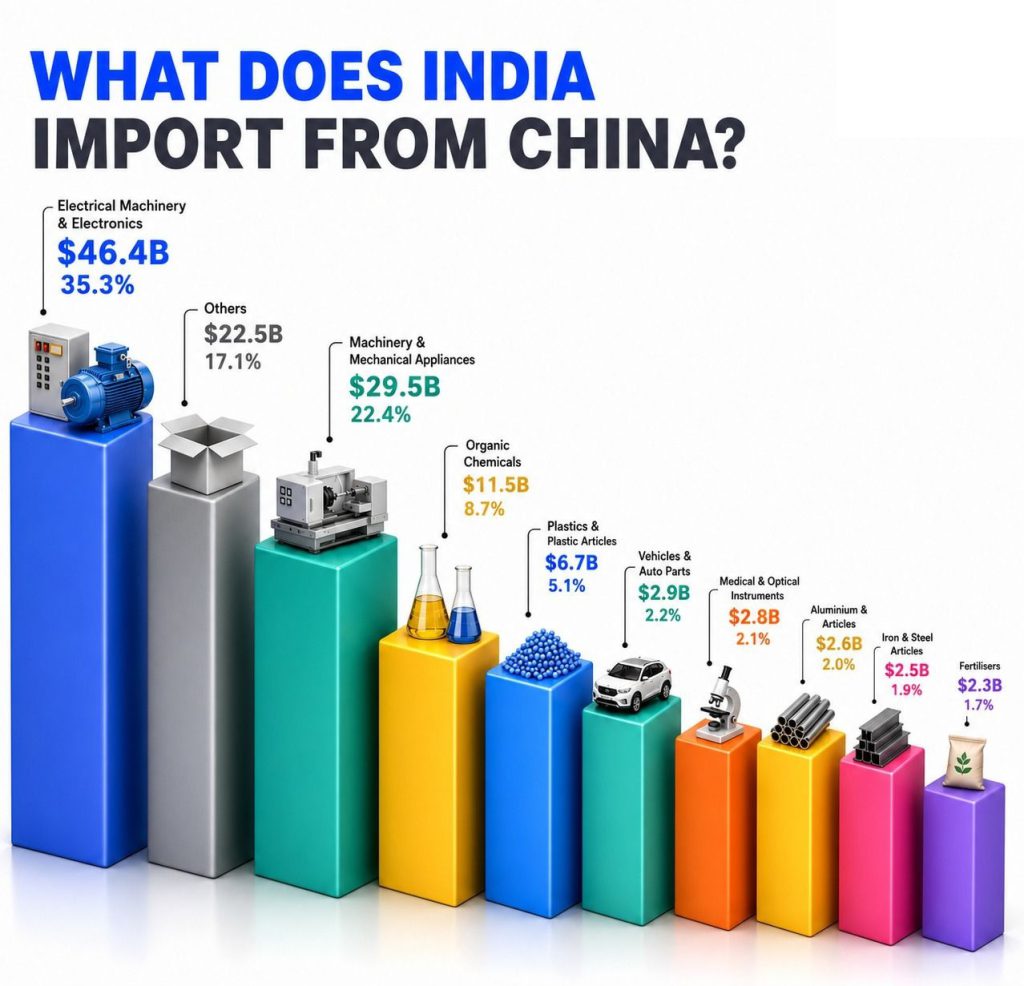
لا تزال الصين الشريك التجاري الأول لدولة الإمارات العربية المتحدة، حيث تجاوزت التجارة الثنائية بين البلدين $100 مليار دولار في السنوات الأخيرة. وتشمل السلع الرئيسية التي تتدفق إلى جبل علي ما يلي:
- الآلات الكهربائية والإلكترونيات (الهواتف والمكونات)
- الأجهزة الميكانيكية والآلات
- المنسوجات والملابس والأحذية
- البلاستيك والأثاث والألعاب
- المركبات وقطع الغيار
إن كفاءة جبل علي - الأرصفة العميقة والتخليص السريع - تجعلها مثالية، ولكن تفاصيل المسار مهمة. تقلل الإبحار المباشر من شنغهاي أو شنتشن من أوقات الإبحار في البحر، بينما يدعم مطار دبي الدولي (DXB) الوصول الجوي السلس.
التوتر الأساسي: الشحن البحري تتفوق في الحجم والقدرة على تحمل التكاليف، وهي مثالية للبضائع السائبة غير العاجلة. الشحن الجوي تعطي الأولوية للسرعة بالنسبة للسلع الحساسة من حيث الوقت أو ذات القيمة العالية. في عام 2026، من المتوقع أن تنخفض أسعار النقل البحري قليلاً مع زيادة سعة السفن الجديدة، بينما تظل أسعار النقل الجوي ثابتة وسط نمو التجارة الإلكترونية.
تُظهر تحليلات HubSpot والتحليلات المماثلة أن 60%+ من المستوردين يمزجون بين الأنماط بشكل استراتيجي - البحر للأحمال الأساسية، والجو للتجديد.
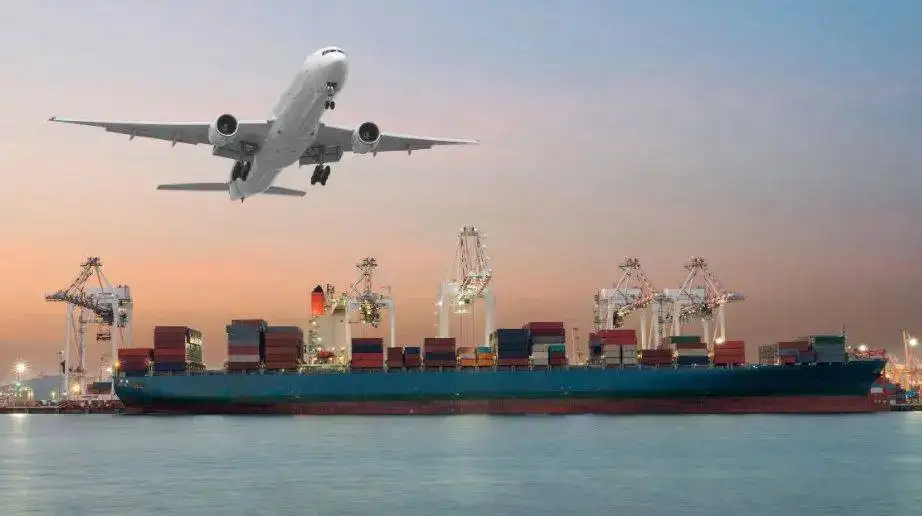
أوقات العبور الحالية: بحرًا مقابل الجو من الصين إلى جبل علي/دبي
غالباً ما تحدد السرعة تكاليف المخزون ورضا العملاء.
البحر مقابل الجو من الصين إلى جبل علي
أوقات عبور الشحن البحري
In 2026, maritime transit times from China to Jebel Ali are influenced by advanced port automation and evolving global shipping corridors. While base timelines remain consistent, strategic logistics planning now requires a deeper understanding of regional nuances:
Key Port-to-Port Timelines:
Shanghai & Ningbo (East China): As the primary manufacturing hubs, direct sailings typically range between 19 and 25 days. During peak seasons (pre-Lunar New Year or Golden Week), expect a potential 5-day buffer due to increased port congestion at the origin.
Shenzhen & Guangzhou (South China): Benefiting from geographical proximity, shipments from the Greater Bay Area offer the fastest maritime route, arriving at Jebel Ali in 16 to 22 days.
Qingdao & Tianjin (North China): For heavy industrial or northern commodities, transit usually spans 22 to 30 days, often involving an intermediate call at southern transshipment hubs.
FCL vs. LCL Operational Realities:
Full Container Load (FCL): Major liners such as Maersk, COSCO, and MSC maintain rigid weekly schedules. In 2026, the integration of AI-driven berth allocation at Jebel Ali Terminal 4 has streamlined offloading, allowing FCL units to be “gate-out ready” within 24 hours of vessel berthing.
Less than Container Load (LCL): Cargo consolidation in China and subsequent deconsolidation at Jebel Ali’s CFS (Container Freight Station) adds a mandatory 5 to 10 days to the total lead time. For time-sensitive LCL, we recommend “Expedited LCL” services which bypass certain secondary sorting layers.
Critical Factors Influencing 2026 Transit:
Sustainable Shipping (Slow Steaming): To comply with 2026 carbon emission targets, some carriers utilize “Eco-speed” settings. While this may add من يوم إلى يومين to the voyage, it significantly stabilizes fuel surcharges for the shipper.
Infrastructure Synergy: The synchronization between China’s “Digital Silk Road” tracking and Dubai’s Bayyan 2.0 system now provides real-time visibility, reducing administrative “blind days” during the Indian Ocean crossing.
Expert Insight: Always account for a 7-day “Final Mile” buffer. This covers the gap between the ship’s arrival and the actual delivery to your warehouse in Dubai or the Northern Emirates, accounting for customs spot-checks and local haulage scheduling.
Strategic Updates for Jebel Ali in 2026
As Jebel Ali moves toward full automation of Terminal 4, the integration of AI-driven slot booking is expected to reduce vessel idling time by 15%. However, this requires more precise documentation from the Chinese side.
- Digital Twin Integration: Shippers using carriers with digital twin tracking will see a 2-day reduction in “blind spots” during the Indian Ocean transit.
- Green Freight Corridors: Look for “Eco-Sea” options. Starting mid-2026, Jebel Ali offers priority berthing for vessels using low-carbon fuels, potentially shaving 24 hours off your lead time.
أوقات عبور الشحن الجوي
In the fast-paced 2026 trade environment, Air Freight remains the definitive choice for high-value electronics, seasonal fashion, and critical industrial spares. While the speed is unmatched, understanding the nuances of the “Total Transit Cycle” is key to maximizing ROI:
Standard Service Levels:
Direct Cargo Hold (Airport-to-Airport): Utilizing major carriers like Emirates SkyCargo or Air China, transit usually takes 1-3 أيام. These are ideal for consolidated shipments where the importer handles local clearance.
Express/Courier (Door-to-Door): Services such as DHL, FedEx, or UPS provide a seamless 3–7 day window. This is the “gold standard” for e-commerce and sample testing, bypassing many of the manual coordination steps required in traditional freight.
Comprehensive Logistics Cycle: For standard commercial air freight, we recommend budgeting من 5 إلى 10 أيام. This includes the “First Mile” (factory to airport in China), origin export clearance, flight duration, and the “Final Mile” delivery from DXB or DWC to your facility.
Strategic Hubs in 2026:
The China Exit: While Hong Kong (HKG) remains a duty-free powerhouse for electronics, the Shenzhen (SZX) and Guangzhou (CAN) hubs have integrated specialized AI-sorting for Middle East-bound cargo, often reducing ground handling time by 12 hours.
The UAE Entry: Most cargo arrives at Dubai International (DXB) أو Al Maktoum International (DWC). DWC, in particular, has become the 2026 hub for “Sea-Air” hybrid models, offering rapid bonded transfer to the Jebel Ali Free Zone (JAFZA).
Operational Excellence & Efficiency:
Customs Acceleration: By utilizing the Bayyan 2.0 system for pre-arrival filing, air shipments can often achieve “Clearance on Arrival,” meaning the goods are released by UAE Customs before the plane even touches the tarmac.
Volumetric Awareness: In 2026, air carriers have tightened “dim-weight” (dimensional weight) calculations. For lightweight but bulky goods, the cost can escalate quickly. Always optimize packaging to minimize “dead air” within cartons.
Expert Insight: Air freight isn’t just about speed; it’s about capital liquidity. By reducing transit from 30 days (sea) to 5 days (air), you free up 25 days of cash flow. For high-margin products, the interest saved on tied-up capital often outweighs the higher freight cost.
مقارنة التكاليف لعام 2026: الشحن الجوي مقابل الشحن البحري
While freight rates are subject to market volatility, 2026 benchmarks reveal a stabilizing trend with a shift toward “Green Logistics” surcharges. Sea freight remains the undisputed leader for volume, while air freight has optimized its pricing for mid-tier bulk (1,000kg+).
تكاليف الشحن البحري (من الصين إلى جبل علي)
Sea freight remains the backbone of B2B trade, offering the lowest cost-per-unit for large inventories.
FCL (Full Container Load):
20ft Container: $1,800 – $2,500 (Ideal for heavy machinery or dense raw materials).
40ft/40ft HC Container: $2,500 – $3,200 (Most cost-effective for consumer goods and furniture).
LCL (Less than Container Load):
Rate: $15 – $25 per Cubic Meter (CBM).
Note: While the base rate is low, 2026 LCL shipments require careful attention to “Minimum Billable Volume” (usually 1 CBM) and terminal handling charges at Jebel Ali which can sometimes exceed the ocean freight itself for very small loads.
2026 Market Variable: These rates typically exclude the IMO 2026 Low-Sulfur Surcharge and local documentation fees (BL fee, DO fee), which add roughly $300–$500 to the total landed cost per container.
تكاليف الشحن الجوي (من الصين إلى مطار دبي الدولي/الإمارات العربية المتحدة)
Air freight is no longer just for emergencies; it is a cash-flow tool. In 2026, the gap between “Standard” and “Economy” air freight has narrowed due to increased freighter capacity between Shenzhen and Dubai.
Standard Air Cargo: $4.00 – $6.50 per kg. This applies to high-priority shipments or smaller loads (under 500kg).
High-Volume Economy (1,000kg+): ~$4.30 per kg. For established traders moving consistent tonnage, “Block Space Agreements” (BSA) can drive this even lower.
Cost Ratio: Air freight typically costs 5 to 12 times more than sea freight per kg. However, when the product value exceeds $50 per kg, the insurance and inventory holding cost savings often justify the air premium.
The “Landed Cost” Perspective (Expert Insight)
In 2026, savvy entrepreneurs don’t just look at the freight quote; they look at the إجمالي التكلفة الإجمالية للهبوط.
الشحن البحري has higher “hidden” costs: Port storage (Demurrage), trucking from Jebel Ali, and longer capital tie-up.
Air Freight has lower “hidden” costs: Minimal warehousing, faster time-to-market, and significantly lower insurance premiums due to reduced transit risk.
Pro-Decision Rule for 2026:
If your Freight Cost is < 15% of the Product Value, stick to Air Freight to maintain agility.
If your Cargo Volume exceeds 15 CBM, Sea Freight is mathematically unbeatable for your bottom line.
توزيع التكلفة جنبًا إلى جنب (مثال: شحنة 10 أطنان)
| نوع السلعة | الشحن البحري (FCL/LCL Est.) | الشحن الجوي (بالكيلو جرام تقديريًا) | فرق التكلفة | أفضل وضع |
|---|---|---|---|---|
| الآلات الثقيلة (قيمة منخفضة/طن) | $3,000-4,000 (40 قدم) | $40,000-65,000 | الهواء أعلى 10-15 مرة أعلى | البحر |
| الإلكترونيات (قيمة عالية) | $2,500-3,500 | $20,000-40,000 | الهواء أعلى 8-12 مرة أعلى | الهواء إذا كان طارئاً |
| المنسوجات/الملابس | $2,000-3,000 | $30,000-50,000 | الهواء أعلى 12-20 مرة أعلى | البحر (ما لم يكن موسمياً) |
إيجابيات وسلبيات الشحن البحري من الصين إلى جبل علي
الشحن البحري يتعامل مع 90% من حجم الصين والإمارات العربية المتحدة لسبب وجيه.
المزايا
- فعالة من حيث التكلفة: أقل تكلفة للوحدة الواحدة بالنسبة للحاويات السائبة - توفر الآلاف من الحاويات.
- سعة عالية: تشحن الحمولات الكاملة أو الأغراض كبيرة الحجم أو الثقيلة دون عناء.
- صديقة للبيئة: انبعاثات ثاني أكسيد الكربون للطن الواحد أقل من الهواء (حتى 901 تيرابايت في الطن أقل من الهواء).
- جداول زمنية موثوقة: تقلل الإبحارات الأسبوعية المباشرة من المفاجآت.
العيوب
- طول فترة العبور يعرضك لتكاليف الاحتفاظ بالمخزون.
- عرضة لازدحام الموانئ أو الأحداث العالمية.
- المزيد من الأعمال الورقية والمناولة لـ LCL.
مثالية للسلع ذات الطلب المستقر مثل الآلات أو الأثاث.
إيجابيات الشحن الجوي من الصين إلى جبل علي/دبي وسلبياته
الشحن الجوي هو الخيار الأمثل للسرعة.
المزايا
- السرعة الفائقة: يقلل من المهل الزمنية بشكل كبير - وهو أمر بالغ الأهمية بالنسبة للأزياء أو المواد سريعة التلف.
- الأمان العالي: تقلل بروتوكولات المطارات الصارمة من مخاطر السرقة.
- المرونة: أسهل للتجديدات الأصغر أو العاجلة.
- تتبع موثوق: الرؤية في الوقت الحقيقي.
العيوب
- التسعير المتميز يأكل هوامش الربح على السلع منخفضة القيمة.
- حدود الوزن/الحجم - الوزن/الحجم القابل للشحن غالباً ما يكون حجمياً.
- تأثير بيئي أعلى.
- قيود السعة خلال فترات الذروة.
الأفضل للإلكترونيات أو العينات أو التجارة الإلكترونية عالية الدوران.
التوصيات الخاصة بالسلع الأساسية لعام 2026
طابق بضاعتك مع الوضع - إليك نصيحتي التي اختبرتها في المعركة:
- الإلكترونيات والتكنولوجيا الفائقة: الهواء للنماذج/العينات الأولية؛ والبحر للجملة. كثافة القيمة تبرر أقساط الهواء.
- الآلات ومواد البناء: يهيمن البحر-الحجم والوزن لصالح الحاويات.
- المنسوجات والملابس والأحذية: البحر للتخطيط الموسمي؛ والهواء لصيحات الموضة السريعة.
- البلاستيك والألعاب والأثاث: التكلفة البحرية تتفوق على السرعة.
- المواد سريعة التلف أو العاجلة: الهواء حصرياً.
نهج هجين: البحر للمخزون الأساسي، والهواء للتعبئة. في عملية واحدة، أدى هذا المزيج إلى خفض التكاليف 15% مع تحقيق أهداف التسليم.
The Poland Corridor: A Strategic Guide to Import-Export Opportunities
التكاليف الخفية وعوامل الخطر في عام 2026
Expert traders know that the freight quote is only the beginning. In 2026, global trade shifts—from green energy mandates to digital customs—have introduced new variables that can impact your final “Landed Cost.”
1. Sea Freight: The “Delay” Multiplier
While sea freight is economical, it carries the highest risk of secondary charges if your logistics chain is not tightly managed.
Demurrage & Detention (D&D): In 2026, Jebel Ali’s high-efficiency terminals have shortened “free time” windows. Exceeding your allotted days for container pickup or return can result in daily penalties ranging from $80 to $200 per TEU.
BAF (Bunker Adjustment Factor): As carriers transition to Liquefied Natural Gas (LNG) and ammonia fuels to meet 2026 emission targets, expect fluctuating fuel surcharges that may be adjusted mid-transit.
LCL “Wasted Space” Fees: For LCL shipments, poor packaging that prevents stacking (non-stackable cargo) can trigger surcharges as you are billed for the “void” space above your goods.
2. Air Freight: The “Demand” Spike
Air freight costs are highly sensitive to global events and seasonal shifts.
Peak Season Surcharges (PSS): With the continued boom in cross-border e-commerce, air capacity from hubs like Shenzhen and Hong Kong becomes extremely tight from October to January. Rates can spike by 30-50% during these windows.
Lithium Battery & Dangerous Goods (DG) Handling: In 2026, safety regulations for electronics have intensified. Shipping products with batteries requires specialized labeling and “DG” fees, which can add $50–$150 to your airway bill.
Security & Fuel (FSC/SSC): Standard add-ons that fluctuate weekly based on jet fuel prices and regional security levels at transit hubs.
3. Universal Costs (Applicable to Both)
UAE Customs & VAT: Most goods entering the UAE are subject to a 5% Customs Duty و 5% VAT. Accurate HS Code classification is mandatory; incorrect filing in the Bayyan 2.0 system can lead to inspection delays and fines.
Comprehensive Insurance: We recommend budgeting 0.1% to 0.5% of the CIF value. In 2026, given the complexity of global maritime routes, “All-Risk” insurance is no longer optional—it is a strategic necessity for capital protection.
The “Green Tax” Trend: 2026 marks the widespread implementation of carbon-offsetting fees. While sea freight is hit by fuel transition costs, air freight providers are increasingly integrating “Sustainable Aviation Fuel” (SAF) premiums into their base rates.
Expert Insight: To minimize these risks, always request a “Landed Cost Quote” from your forwarder. This should include everything from the factory gate in China to your warehouse door in the UAE, ensuring there are no surprises when the cargo arrives at the port.
إطار عمل القرار خطوة بخطوة
قم بالتحسين باستخدام هذه العملية:
- تقييم السلع: القيمة لكل كيلوغرام؟ الاستعجال؟ الحجم؟
- حساب إجمالي التكلفة الإجمالية للهبوط: شحن + رسوم + رسوم + رسوم داخلية.
- جرد العوامل: تأخير البحر يربط معادلات التكلفة الدفترية للاستخدام الرأسمالي.
- خطة السيناريو: اضطرابات النماذج.
- اقتباس متعدد: وكلاء الشحن للحصول على أفضل الأسعار.
للحصول على رؤى لوجستية أعمق، استكشف هذه المصادر:
- الدليل العملي الشامل لإعادة تصدير البضائع من دبي
- الدليل الشامل لبوابات الدفع والخدمات المصرفية للتجارة الدولية في الإمارات العربية المتحدة
- الدليل الشامل لسوق الإمارات العربية المتحدة للمنتجات المتخصصة
2026 Logistics Decision Checklist
| العامل | Choose AIR if… | Choose SEA if… |
|---|---|---|
| Inventory Turnover | Turnover > 12x/year | Turnover < 4x/year |
| نوع السلعة | Fashion, Tech, Samples | Furniture, Raw Materials, Bulk |
| Risk Tolerance | Zero (High value) | Moderate (Insurance covered) |
الحكم النهائي: حسِّن استراتيجية الشحن من الصين إلى جبل علي الآن
في عام 2026, الشحن الجوي مقابل الشحن البحري تتلخص في الأولويات: البحر من أجل الحجم الفعال من حيث التكلفة، والجو من أجل الاستجابة السريعة. يزدهر معظم المستوردين في الإمارات العربية المتحدة على استراتيجيات مهيمنة على البحر مع الحفاظ على هوامش الربح مع تلبية الطلبات في الوقت نفسه.
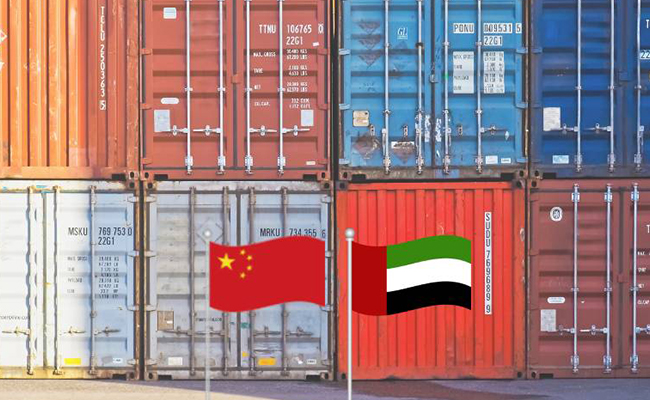
استراتيجية الشحن من الصين إلى جبل علي
لقد رأيت وسائط النقل غير المتطابقة تغرق الأرباح؛ فالاختيار الصحيح يضاعف المزايا. مع ازدهار التجارة بين الصين والإمارات العربية المتحدة، تؤدي قرارات الشحن الذكية إلى تعزيز المزايا التنافسية.
هل أنت مستعد لتبسيط عملية التوريد من الصين، وتأمين شحن موثوق به، والتواصل مع موردين معتمدين؟ اشترك على Tendify.net اليوم للحصول على أدوات طلب عروض الأسعار المجانية، وعروض الأسعار في الوقت الفعلي، والمعاملات الآمنة التي تجعل الاستيراد سهلاً. سجل الآن وتحويل سلسلة التوريد الخاصة بك.