المدونة
Saudi Arabia Manufacturing Opportunities: Vision 2030 Investor Guide
A Transforming Industrial Landscape
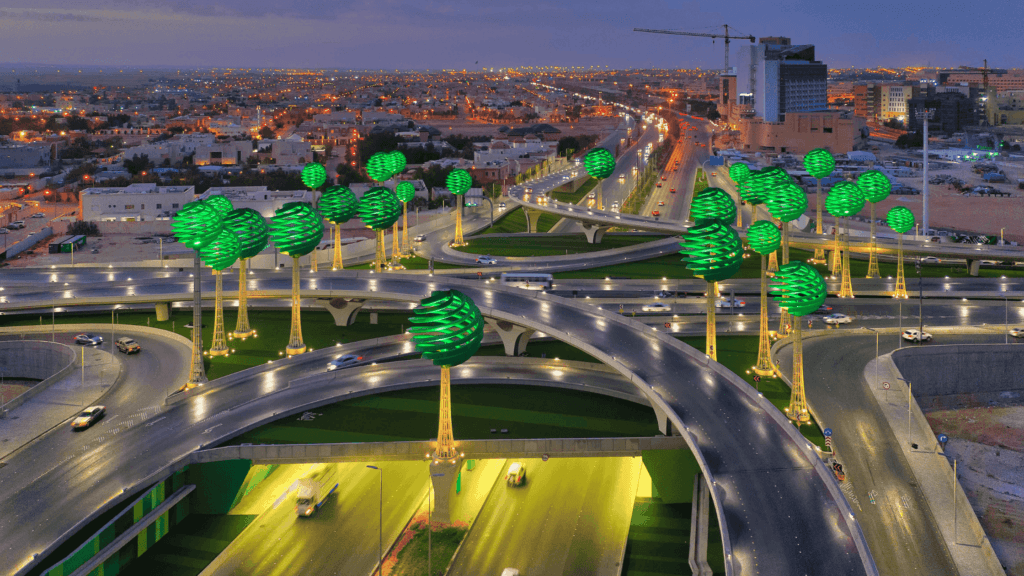
As Saudi Arabia moves into the advanced implementation phase of Vision 2030, the Kingdom has rapidly evolved from an oil-reliant economy into a established regional industrial powerhouse. With major giga-projects fully operational and manufacturing clusters active, international investors are leveraging mature local supply chains, joint ventures, and technology transfer ecosystems.

Saudi Arabia Manufacturing Opportunities
By 2030, the Kingdom’s goals include:
Raising the private sector’s GDP contribution from 40% to 65%
Expanding non-oil exports
Creating 1 million new jobs in manufacturing and industrial services
This article is written from a practical business perspective, highlighting real manufacturing opportunities, supply gaps, and investment insights.
Why Manufacturing Matters in Saudi Vision 2030
Economic diversification: Reducing dependency on oil revenues.
Job creation: Developing industrial skills among Saudi citizens.
Global competitiveness: Attracting foreign investors in key sectors.
Regional hub: Leveraging location for MENA and GCC trade.
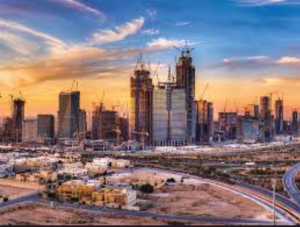
Saudi Vision 2030
Key Sectors Targeted for Growth
| القطاع | Vision 2030 Goal | Opportunity Type |
|---|---|---|
| Petrochemicals & Plastics | High value-add, downstream industries | Joint ventures, tech licensing |
| Food & Agro-processing | Reduce import dependency | Local processing, cold chain solutions |
| Automotive & Parts | Local assembly & R&D | OEM partnerships, EV supply chains |
| Renewable Energy Equipment | Manufacturing solar panels, wind components | Export + local energy projects |
| Pharmaceuticals & MedTech | Local R&D and production | Supply for GCC + Africa |
📌 Investor Insight: The government offers incentives, industrial zones, and public-private partnerships to attract capital and technology.
Supply Gap Concept: Where Opportunities Arise
Supply gaps exist where demand exceeds local production. In Saudi Arabia, key gaps include:
Food products – High reliance on imports for fruits, vegetables, dairy, and processed foods.
Industrial equipment – Limited domestic suppliers for machinery, spare parts, and tools.
Packaging & logistics solutions – Shortage of modern packaging plants, cold storage, and transport fleets.
High-tech manufacturing – Semiconductors, medical devices, electronics.
Renewables and energy-related components – Local production capacity remains low.
Practical Takeaways
For global investors, suppliers, and manufacturers:
Local production vs imports: Importing is expensive and vulnerable; local manufacturing fills the gap.
Public-private partnerships (PPPs): Many projects are structured for joint ventures.
Industrial zones: Special zones offer tax benefits, utilities, and streamlined licensing.
Sector-specific Vision 2030 targets: Understanding priority sectors helps prioritize investment and resource allocation.
💬 Real-world Insight:
A trader exporting food to Saudi Arabia discovered that fresh produce and packaged foods consistently face delays due to import quotas. Establishing a local processing facility not only reduces risk but captures premium pricing.
Sector-Wise Analysis and Supply Gap Insights
1. Food & Agro-Processing Industry
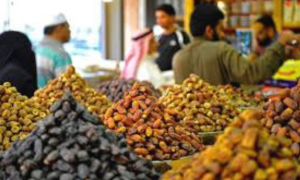
Saudi Food & Agro
1.1 Current Landscape
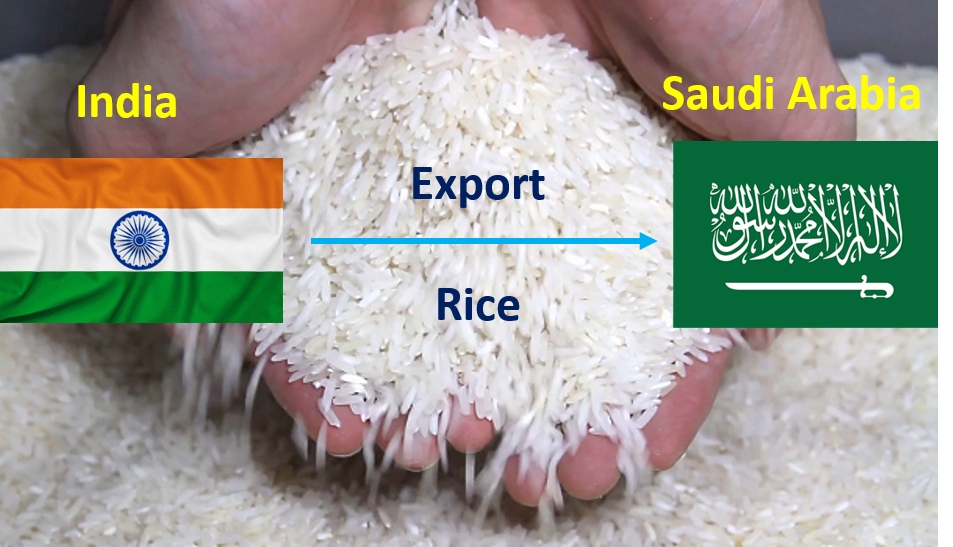
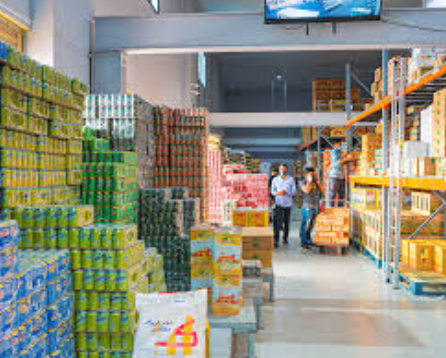
Saudi Arabia imports roughly 80–90% of its food. Despite investment in agriculture, the desert climate and water scarcity make local production limited.
High-demand categories:
Fruits & vegetables
Dairy & processed dairy products
Meat & poultry
Packaged & convenience foods
1.2 Supply Gaps
| Product Category | Local Production | Import Dependency | Gap & Investment Opportunity | Government Support / Target |
| Fresh Vegetables | متوسط | 50–60% | Greenhouse tech, vertical farming | High (Water Efficiency Directives) |
| Dairy & Processed Dairy | متوسط-عالي | 40–50% | Ultra-processed dairy, specialty cheese | Medium (Localized Packaging) |
| Packaged & Convenience Foods | Low-Medium | 65–75% | Food-grade processing & private label | High (SDRAP & PPP Initiatives) |
| اللحوم والدواجن | متوسط | 50–60% | Halal cold-chain logistics & processing | Critical (National Food Security Strategy) |
📌 Data Sources: General Authority for Statistics (GASTAT) – Foreign Trade Statistics, Ministry of Environment, Water and Agriculture (MEWA) Annual Reports.
1.3 Investment Insights
PPP projects for food parks are growing.
Cold chain and logistics solutions remain underdeveloped.
Innovative tech like hydroponics, vertical farms, and automated processing has high ROI.
💬 Practical Example:
A UAE-based investor partnered with a local Saudi company to build a vertical farm producing lettuce and herbs for Riyadh supermarkets — ROI was achieved within 18 months due to supply gap pricing.
Advanced Loan & Financial Calculator
2. Petrochemicals & Plastics
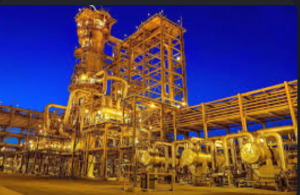
Saudi Petrochemicals & Plastics
2.1 Current Landscape
Saudi Arabia dominates petrochemical exports, but downstream products like plastics and specialty chemicals are partially imported. Vision 2030 encourages value-added processing.
High-demand categories:
Industrial plastics
Packaging materials
Automotive polymers
Specialty chemicals
2.2 Supply Gaps
| Product Category | Local Capacity | Import Dependency | Primary Gap Opportunity | Strategic Cluster Zone |
| Industrial Plastics | High (Base) / Medium (Downstream) | 30-40% | High-spec industrial & engineering polymers | Jubail Industrial City |
| Specialty Chemicals | Low-Medium | 50–60% | Chemical formulations & lab-grade catalysts | PlasChem Park (Yanbu) |
| Packaging Films | متوسط | 45–55% | Flexible, biodegradable & food-grade films | King Abdullah Economic City (KAEC) |
📌 Data Sources: Ministry of Investment Saudi Arabia (MISA) – Chemicals Investment Platform, SABIC Downstream Market Insights.
2.3 Investment Insights
جديد industrial clusters (e.g., Jubail, Yanbu) provide land and utilities.
JV with international technology providers accelerates production.
Downstream industries can significantly reduce import costs and capture regional market share.
💬 Practical Example:
A European plastics manufacturer partnered in Jubail to produce food-grade polyethylene for GCC markets — cost savings compared to imports: 20–25% per ton.
3. Automotive & Mobility Components
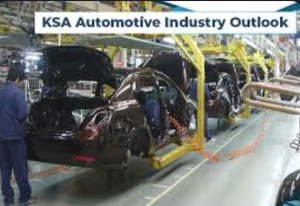
Saudi Automotive & Mobility Components
3.1 Current Landscape
Saudi Arabia has successfully established its EV manufacturing foundation, anchored by Lucid Motors’ operational plant in King Abdullah Economic City (KAEC) and the rollout of Ceer Motors, the Kingdom’s first national EV brand. The current focus has shifted from initial assembly to building a robust localized supply chain for components, advanced battery tech, and regional charging networks.
Electric vehicle adoption
Local assembly and parts manufacturing
Training Saudi engineers in automotive tech
Automotive Realities 2026
Saudi Arabia’s EV Revolution: Lucid & Ceer Ecosystems
Saudi Arabia’s ambition to become a regional automotive hub is no longer a strategic vision—it is an operational reality. Anchored in King Abdullah Economic City (KAEC), the Kingdom has established a fast-growing Electric Vehicle (EV) ecosystem spearheaded by Lucid Motors و Ceer Motors (Saudi Arabia’s first national EV brand).
Critical Supply Chain Gaps & Tier-1 / Tier-2 Opportunities:
- Localized Component Manufacturing: Urgent demand for Tier-1 and Tier-2 suppliers capable of producing high-precision stampings, interior trims, braking systems, and automotive wiring harnesses locally.
- EV Battery & Energy Storage: High reliance on imported cells creates massive investment potential for localized battery pack assembly, cell chemical formulation, and thermal management technologies.
- Charging Infrastructure Hardware: Rapid domestic adoption requires localized manufacturing of fast-charging hardware, power electronics, and smart grid integration components (partnering with EVIQ).
3.2 Supply Gaps
| Segment | Local Capability | Import Dependency | Key Supply Chain Opportunity | Target Partner / Anchor |
| EV Batteries & Assembly | Emerging | 70–80% | Cell assembly, pack integration, recycling | Lucid Motors & Ceer Value Chain |
| Auto Components (Tier 1/2) | Low-Medium | 60-70% | Braking systems, stampings, interior trim | KAEC Automotive Cluster |
| EV Charging Infrastructure | متوسط | 50–60% | Localized hardware, fast-chargers, software | EVIQ (Electric Vehicle Infrastructure Co.) |
📌 Data Sources: National Industrial Development and Logistics Program (NIDLP), Ministry of Industry and Mineral Resources (MIM).
3.3 Investment Insights
Partnerships with EV manufacturers are incentivized.
Local component production reduces cost and ensures supply security.
Training and upskilling programs support Saudization (employing local workforce).
💬 Practical Example:
A Korean automotive parts supplier established a JV in Riyadh to produce EV braking systems. Result: first-mover advantage in a rapidly growing market.
4. Renewable Energy Equipment
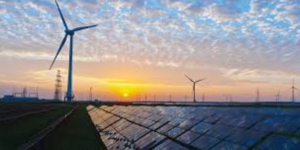
Saudi Renewable Energy Equipment
4.1 Current Landscape
Saudi Arabia is rapidly transforming its healthcare ecosystem by accelerating local pharmaceutical manufacturing and medical device production. Driven by strategic government procurement through NUPCO and SFDA regulatory fast-tracking, the Kingdom is shifting from pure importation toward localized high-value formulation, biologics JVs, and critical medical infrastructure.
4.2 Supply Gaps
| Equipment Category | Local Capacity | Import Dependency | Market Opportunity | Local Content Requirement (LCGPA) |
| Solar PV Modules | متوسط | 45–55% | Cell manufacturing, silicon processing | Very High (Mandated for Utility Projects) |
| Wind Turbine Components | منخفضة | 75–85% | Structural towers, blades, control panels | عالية |
| Battery Energy Storage (BESS) | منخفضة | 70–80% | Grid-scale lithium-ion & inverter assembly | Critical (NEOM & Red Sea Projects) |
📌 Data Sources: Ministry of Energy – REPDO (Renewable Energy Project Development Office), Saudi Electricity Company (SEC).
4.3 Investment Insights
Industrial zones like NEOM & Ras Al Khair offer incentives.
Tech partnerships can transfer know-how.
Opportunity for regional export to MENA and Africa.
💬 Practical Example:
A Chinese solar firm partnered with a Saudi company to assemble PV panels locally — reduced customs and logistics costs by 30% and gained access to government renewable contracts.
Cheapest Way to Export to Saudi Arabia in 2026
5. Pharmaceuticals & MedTech
5.1 Current Landscape
Saudi Arabia imports 80–85% of pharmaceuticals. Vision 2030 promotes local production to:
Ensure healthcare security
Reduce import dependency
Create high-skilled jobs
5.2 Supply Gaps
| الفئة | Local Capacity | Import Dependency | Primary Opportunity | Regulatory Pathway |
| Generic Pharmaceuticals | متوسط-عالي | 50–60% | Advanced formulation & active ingredients (API) | SFDA Fast-Track Licensing |
| Biologics & Vaccines | منخفضة | 75–85% | Joint ventures for plasma & complex biologics | Strategic NUPCO Procurement Contracts |
| Medical Devices & Diagnostics | Low-Medium | 65–75% | Diagnostic kits, consumables, imaging tech | Local R&D Incentives via MISA |
📌 Data Sources: Saudi Food and Drug Authority (SFDA), NUPCO (National Unified Procurement Company).
5.3 Investment Insights
Government grants and incentives for local R&D are available.
Licensing & technology transfer JVs are encouraged.
GCC regional market access is a major advantage.
💬 Practical Example:
A European medtech company set up assembly lines for diagnostic kits in Riyadh, supplying Saudi hospitals and neighboring GCC countries.
High-Tech, Logistics, Investment Frameworks & Conclusion
6. High-Tech Manufacturing & Electronics
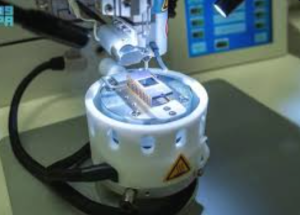
Saudi High-Tech Manufacturing & Electronics
6.1 Current Landscape
Driven by massive investments in national AI infrastructure, robotics, and data centers, Saudi Arabia is actively expanding its high-tech assembly and component manufacturing capabilities. The demand has surged for localized hardware, semiconductors, IoT sensors, and advanced cooling technologies to support smart cities and automated industrial hubs.
Electronics assembly
Robotics
AI-driven manufacturing
Semiconductor components
Vision 2030 targets technology-intensive manufacturing, aiming to attract international expertise and develop local talent.
High-Tech Focus 2026
AI Infrastructure & Data Center Hardware Boom
Backed by multi-billion-dollar sovereign investments—including the state-backed $100B Project Transcendence / HUMAIN initiative and hyperscaler hubs from Google, Microsoft, and Oracle—Saudi Arabia is aggressively building out a massive regional AI computing backbone. This rapid expansion creates unprecedented demand for localized hardware production and specialty industrial components.
High-Value Supply Gaps & Localized Hardware Opportunities:
- Advanced Liquid Cooling Systems: Extreme desert ambient temperatures require specialized direct-to-chip and immersion liquid cooling equipment for high-density GPU clusters.
- Server Rack & Chassis Assembly: High reliance on imports creates immediate opportunities for localized server mounting, power distribution units (PDUs), and custom cabling enclosures.
- High-Speed Networking & Optical Hardware: Critical gap in local manufacturing of high-throughput fiber interconnects, optic transceivers, and smart IoT sensor networks for automated facilities.
6.2 Supply Gaps
| Segment | Local Capability | Import Dependency | Growth Driver / Target Sector |
| AI Hardware & Cooling Tech | منخفضة | 80–90% | Liquid cooling, racks for Data Centers |
| Industrial Robotics & Automation | Low-Medium | 70–80% | Smart factory automation & IoT sensors |
| Consumer & Commercial Electronics | متوسط | 60-70% | Local assembly & smart home ecosystems |
📌 Data Sources: Saudi Data & Artificial Intelligence Authority (SDAIA), Communications, Space & Technology Commission (CST).
6.3 Investment Opportunities
Partnerships with global electronics firms
Industrial zones offering tech clusters (NEOM, King Abdullah Economic City)
Licensing, R&D, and technology transfer agreements
Integration with renewable energy and automotive sectors
📌 Practical Example:
A German robotics company partnered with a Saudi industrial firm to provide automation for food and beverage lines — cost efficiency improved by 25–30% and production scaled faster.
7. Logistics, Packaging & Industrial Services

Saudi Logistics, Packaging & Industrial Services
7.1 Current Landscape
Even with Vision 2030 investment, logistics and industrial support services lag behind. Saudi Arabia imports most packaging materials, cold chain equipment, and industrial tools.
7.2 Supply Gaps
| Service | Local Capability | Import Dependency | Opportunity |
|---|---|---|---|
| Cold storage | منخفضة | 80% | Modern cold chain warehouses for perishable goods |
| التعبئة والتغليف | متوسط | 60-70% | Food-grade, industrial-grade, and custom solutions |
| Industrial tools & spare parts | منخفضة | 70–80% | Machinery, tooling, maintenance services |
| Freight & customs solutions | متوسط | غير متاح | Digital platforms, automated logistics |
📌 Data Sources: General Authority for Ports (Mawani), Transport General Authority (TGA).
💬 Practical Example:
A UAE logistics firm invested in a cold storage facility in Jeddah, serving imported fruits and dairy — ROI was achieved within 2 years due to persistent demand.
7.3 Strategic Insight
Supply chain gaps create recurring revenue opportunities.
Efficient logistics reduces risk and ensures premium pricing.
Integration with local manufacturing enhances market credibility and compliance.
How to Build an Internal Export Operations Playbook: Step-by-Step Guide for 2026
8. Investment Frameworks & Incentives
Saudi Investment Frameworks & Incentives
8.1 Saudi Industrial Zones & Special Economic Zones
| Zone | التركيز | Incentives |
|---|---|---|
| King Abdullah Economic City | Multi-sector | Tax breaks, streamlined licensing |
| Jubail Industrial City | Petrochemicals | Utilities, cluster ecosystem |
| NEOM | High-tech & renewables | Land grants, R&D incentives |
| Ras Al Khair | Mining & energy | Port access, logistics support |
Mandatory Policy 2026
Saudi Regional Headquarters (RHQ) Program
Under the fully enforced Regional Headquarters (RHQ) Initiative, multinational corporations (MNCs) looking to secure lucrative Saudi government contracts, public tenders, or entity-backed procurement must establish their Middle East regional headquarters in Riyadh.
Key Operational Impact for Foreign Investors:
- Government Tender Eligibility: Government agencies, giga-projects, and state-backed entities are legally restricted from contracting with foreign firms that do not hold an active RHQ license.
- Exclusive Tax Incentives: Qualifying RHQ entities benefit from a 30-year package of zero-percent corporate income tax and zero-percent withholding tax on regional operations.
- Streamlined Talent Mobility: Priority visa issuance, exemption from standard Saudization quotas for leadership positions, and accelerated business setup processes.
8.2 Financial & Legal Incentives
Regional HQ (RHQ) Mandate: Full enforcement requiring multinational companies to establish regional headquarters in Saudi Arabia to secure government contracts.
Local Content Mandates (LCGPA): Strong procurement preferences and tax advantages for investors utilizing Saudi-made components and local talent.
100% Foreign Ownership: Streamlined investment licenses and corporate tax relief within Special Economic Zones (SEZs).
📌 Practical Insight: Early-stage investors can benefit from combined incentives in industrial clusters and priority sectors.
Critical Procurement Rule 2026
Local Content Requirement (LCGPA) & Tender Dominance
Overseen by the Local Content and Government Procurement Authority (LCGPA), Saudi Arabia’s procurement regulations mandate strict local content scoring for all public tenders, giga-projects, and state-backed supply chains. Local manufacturing is no longer just a cost decision—it is a decisive competitive leverage for winning government contracts.
How LCGPA Rules Directly Favor Domestic Manufacturers:
- Mandatory Baseline Preference: Bidders featuring higher percentages of Saudi-sourced raw materials, locally assembled components, and domestic supply chains receive substantial evaluation price preferences (up to 10–20% financial scoring advantages over purely imported solutions).
- Mandatory List (Exclusive National Buying): Dozens of industrial, construction, and healthcare product categories are restricted to the LCGPA “Mandatory List,” meaning public entities are legally prohibited from importing them if domestic production capacity exists.
- Saudization & Skill Transfer Multipliers: Employing Saudi engineers, technicians, and localized R&D directly boosts a firm’s Local Content Score, granting priority status in multi-year framework agreements.
Capital Access 2026
Industrial Financing Powerhouses: SIDF & PIF Funding Pathways
Access to competitive capital is a cornerstone of Saudi Arabia’s industrial strategy. Foreign investors and joint venture partners can tap into massive soft loans, co-investment frameworks, and equity partnerships driven by the Saudi Industrial Development Fund (SIDF) و Public Investment Fund (PIF).
Key Financial Instruments & Soft Loan Terms:
- SIDF Industrial Soft Loans: Funding up to 50% to 75% of total project capital requirements with extended repayment tenors (up to 15–20 years) and generous grace periods for manufacturing setup.
- PIF Strategic Equity Partnerships: The sovereign wealth fund actively anchors joint ventures in high-priority industrial sectors (EVs, renewables, advanced robotics, pharmaceuticals) to derisk foreign direct investment.
- Specialized Industry Programs: Targeted financing schemes like Tawteen (localization support) and Industry 4.0 digitisation loans that subsidize smart factory automation and advanced machinery imports.
8.3 Public-Private Partnerships (PPP)
PPP projects are growing across:
Food processing
Renewable energy
Industrial parks
Healthcare & MedTech
These partnerships reduce risk and accelerate market entry.
9. Cross-Sector Synergies
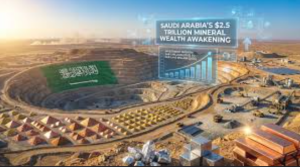
Saudi Cross-Sector Synergies
Vision 2030 encourages integration across sectors:
Renewables + High-tech: Solar panel assembly linked with industrial electronics.
Food + Logistics: Cold chain facilities integrated with local agro-processing.
Automotive + Robotics: EV manufacturing combined with automation for production efficiency.
MedTech + Pharma: Local production of devices aligned with pharmaceutical supply chains.
📌 Investor Tip: Targeting sectors with vertical integration potential maximizes ROI and mitigates supply chain risk.
10. Actionable Roadmap for Foreign Investors
Identify Supply Gaps: Focus on sectors where import dependency exceeds 60%.
Select Strategic Zone: Choose industrial or special economic zone aligned with sector.
Engage Local Partners: Leverage joint ventures for licensing and Saudization compliance.
Integrate Technology: Invest in automation, digital solutions, and advanced manufacturing.
Plan for Scale & Export: GCC & MENA markets are immediate growth opportunities.
Monitor Policy Updates: Vision 2030 is dynamic; incentives and priorities evolve annually.
11. Final Summary & Conclusion
Saudi Arabia’s Vision 2030 transforms the Kingdom from an oil-dependent economy into a diversified industrial hub.
Key points:
Supply gaps are real: Food, petrochemicals, automotive, renewable energy, high-tech, and logistics.
Government support is strong: Tax incentives, industrial zones, PPPs, and foreign ownership flexibility.
Cross-sector opportunities: Vertical integration amplifies ROI and mitigates risks.
First movers benefit most: Early entrants capture market share, government projects, and export opportunities.
✅ Strategic Takeaway:
Foreign investors, manufacturers, and technology providers that understand supply gaps, Vision 2030 priorities, and regulatory incentives can achieve high returns, market leadership, and long-term growth in Saudi Arabia and across the GCC.