المدونة
Sensex & CEPA: The Hidden Engine of the $178B India-GCC Corridor

Over two decades navigating volatile trade lanes from Jebel Ali to Mumbai ports, I’ve learned one truth the hard way: the real money in global commerce isn’t just in moving goods—it’s in understanding the financial heartbeat that powers entire economies. For GCC-based investors and Indian exporters eyeing the Gulf, the BSE Sensex isn’t some distant Indian stock index. It’s a real-time dashboard for opportunity, risk, and partnership in one of the fastest-growing bilateral corridors on the planet.
I’ve sat across tables in Dubai with family offices allocating capital and in Mumbai with manufacturers scaling exports. When the Sensex moves, it ripples through everything: rupee-Dirham flows, contract pricing, supply chain confidence, and investment decisions worth hundreds of millions. This isn’t theory. In 2026, with India-GCC bilateral trade surpassing $178 billion and the India-UAE CEPA delivering results ahead of schedule, tracking the Sensex has become essential for any serious player in this corridor.
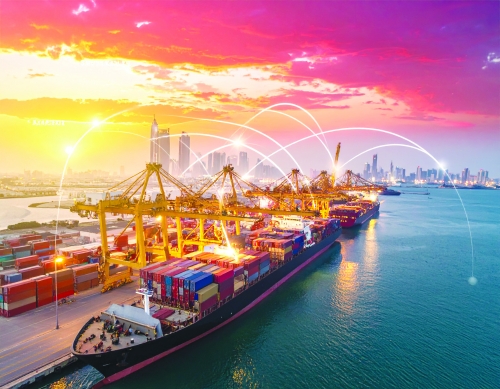
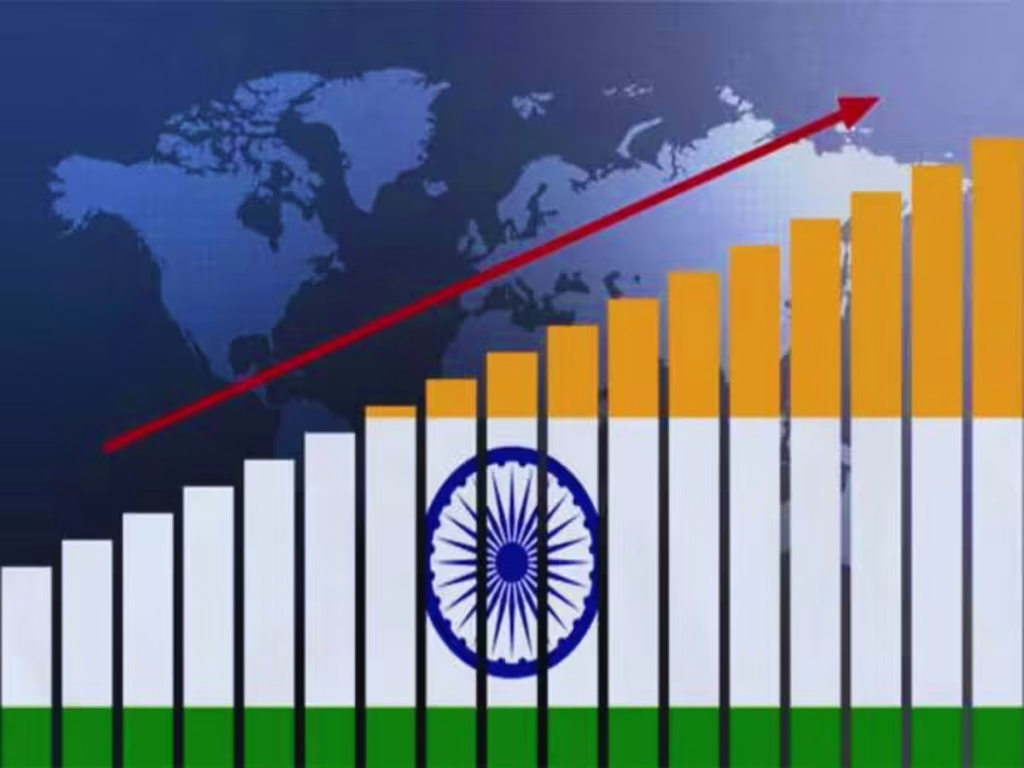
Sensex & CEPA
In this comprehensive guide, I’ll break down exactly why the BSE Sensex matters to you, which signals to watch, how it influences your day-to-day trade and investment decisions, and practical steps to turn this knowledge into actionable advantage—using tools built precisely for traders like us on Platform.Tendify.Net.
What Is the BSE Sensex and Why Should GCC Stakeholders Care?
The BSE Sensex, or Sensitive Index, tracks the performance of 30 of India’s largest and most liquid companies listed on the Bombay Stock Exchange. Launched in 1986, it represents a broad cross-section of the Indian economy—from banking and energy to IT, consumer goods, and infrastructure.

BSE Sensex
Think of it as India’s economic pulse. When Reliance, HDFC Bank, Infosys, or Tata Consultancy Services post strong results or announce Gulf expansions, the Sensex reflects it instantly. For GCC investors, this index serves as a leading indicator for sectors directly tied to Gulf-India flows: energy, construction materials, logistics, fintech, and consumer staples.
Why it matters now more than ever:
- Diversification Hedge: GCC economies continue diversifying beyond oil under Vision 2030 and similar initiatives. India’s growth—driven by services, tech, and manufacturing—offers natural balance against commodity cycles.
- CEPA and FTA Momentum: The India-UAE CEPA has already pushed bilateral trade past $100 billion, with non-oil segments growing rapidly. Broader India-GCC FTA talks are advancing, creating new tariff advantages that boost companies heavily weighted in the Sensex.
- Remittances and Capital Flows: Millions of Indian professionals in the GCC send money home. Sensex strength strengthens the rupee, affecting remittance value and NRI investment appetite.
In my experience, ignoring these linkages has cost traders dearly—missed entry points on rising demand or exposure to currency swings.
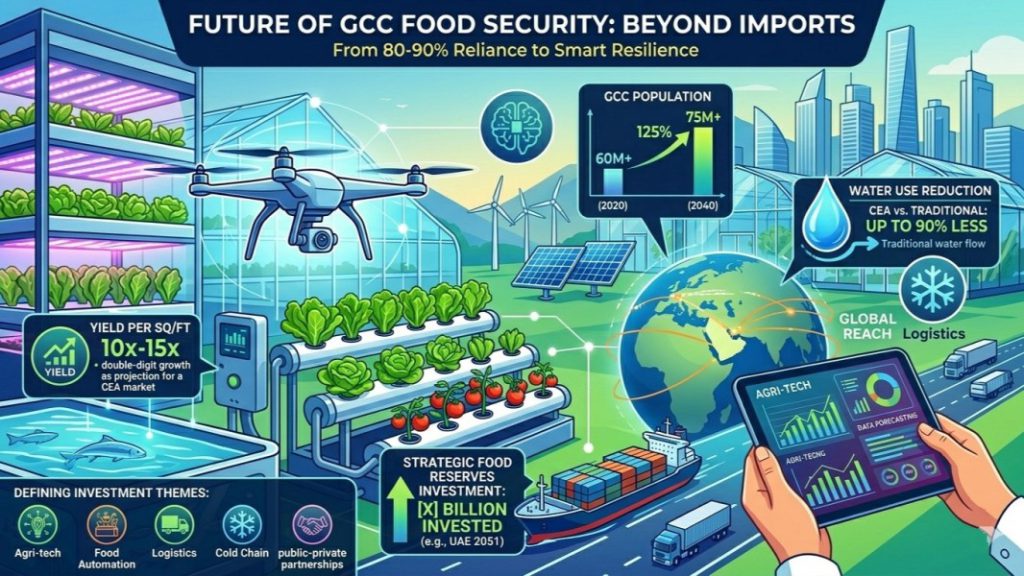
The India-GCC Trade Pivot: How to Price Geopolitics into Your P&L
The India-GCC Economic Corridor in 2026: Sensex as Your Compass
Bilateral trade between India and the GCC hit approximately $178.5 billion in recent fiscal data, solidifying the bloc’s position as India’s premier economic partner. While energy remains the bedrock of this relationship, the narrative in 2026 has shifted toward high-value non-oil trade. Engineering goods, specialized pharmaceuticals, sustainable electronics, and sophisticated IT services are no longer just “growth sectors”—they are the primary drivers of the corridor’s expansion.

The India-GCC Economic Corridor
To navigate this landscape, the BSE Sensex serves as more than just a stock index; it is a high-frequency data feed reflecting the health of these vital trade arteries. Here is a deeper breakdown of the key interconnections:
1. Energy and Commodities Correlation: The Double-Edged Sword Many Sensex heavyweights, such as Reliance Industries, operate at the epicenter of the global energy value chain with massive refining and petrochemical complexes. From my experience in the field, I’ve seen how geopolitical tensions that spike Brent crude can create a “divergent reality.” On one hand, higher prices boost the margins of energy giants, lifting the Sensex. On the other, prolonged spikes act as a tax on Indian manufacturers, squeezing margins for downstream exporters of plastics, chemicals, and fertilizers. GCC investors must cross-reference crude volatility with Sensex sub-indices to determine true pricing power and timing for bulk commodity deals.
The “Oil-Sensex” Inverse Correlation: A Trader’s Survival Metric
In my years managing logistics between Jebel Ali and Mumbai, I’ve observed a recurring pattern that most retail investors miss. Since India imports over 80% of its crude oil—much of it from the GCC—the Sensex often acts as a mirror to energy volatility.
- The Inflation Trigger: When Brent crude spikes, the Sensex often feels downward pressure due to rising input costs for Indian manufacturers (especially in chemicals and paints).
- The Logistics Squeeze: High oil prices strengthen GCC fiscal balances but increase bunker fuel surcharges for your shipments.
نصيحة محترف: If you see the Sensex dipping while oil stays flat, it’s often a localized Indian regulatory signal. If both move in opposite directions, it’s a global macro play where your currency hedging strategy must take center stage.

Oil-Sensex
2. Infrastructure and Construction Boom: Tracking the Mega-Project Pipeline The physical manifestation of the India-GCC link is visible in the order books of Sensex firms like Larsen & Toubro (L&T) and the Adani Group. As Saudi Arabia’s Vision 2030 and UAE’s “Projects of the 50” enter peak execution phases, these companies have become integral to the Gulf’s skyline. A sustained rally in the Sensex industrial sector is often a reliable lead indicator for increased tender activity. When you see infrastructure stocks gaining momentum, it usually signals that the next wave of demand for Indian expertise, heavy machinery, and construction materials in Riyadh, Dubai, or Muscat is imminent.
3. Services, Tech Exports, and the Digital IMEC IT giants like TCS, Infosys, and HCLTech are the primary engines of Sensex performance, and their GCC footprint has expanded from basic outsourcing to architecting the region’s digital future. In 2026, these firms are securing multi-billion dollar contracts for AI-driven logistics, fintech ecosystems, and smart city data centers. This “digital layer” of the India-Middle East-Europe Economic Corridor (IMEC) creates massive follow-on opportunities. For a trader, strength in the tech-heavy Sensex suggests a robust environment for cross-border digital services and high-end tech hardware trade.
4. Currency Dynamics and Strategic Hedging There is an undeniable link between Sensex liquidity and currency stability. Historically, a bullish Sensex attracts significant Foreign Portfolio Investment (FPI), which naturally supports and stabilizes the Indian Rupee (INR). For GCC importers operating in USD-pegged currencies like the Dirham or Riyal, a rising Sensex can signal a strengthening Rupee, making Indian imports more expensive if not hedged correctly. Conversely, for Indian exporters, a strong index often mirrors corporate health, providing them the financial “buffer” to negotiate more aggressive, long-term contracts. In this corridor, your hedging strategy shouldn’t just look at the forex desk—it should look at the Bombay Stock Exchange.
5. Logistics and the Port-to-Port Synergy In 2026, we are seeing a unique correlation between Sensex-listed logistics firms and actual port throughput at Jebel Ali, Mundra, and Nhava Sheva. The integration of port operations with digital trade platforms means that bottlenecks or breakthroughs in Indian logistics are reflected in equity valuations almost instantly. Tracking the logistics constituents of the Sensex allows savvy operators to forecast shipping delays or capacity surges weeks before they hit the physical trade lanes.
Top Sensex-Linked Companies GCC Players Should Monitor
For any operator in the India-GCC corridor, these companies are not just stocks; they are “economic weather stations.” Tracking their quarterly earnings, capital expenditure (CAPEX) plans, and regional contract wins provides a front-row seat to upcoming demand shifts.
1. Reliance Industries (RIL): The Energy & Retail Barometer As a diversified titan, Reliance is the ultimate proxy for India-GCC synergy. Beyond its massive refining ties with regional national oil companies (NOCs), its retail and telecom (Jio) wings offer deep insights into Indian consumer sentiment. For GCC exporters of polymers and chemicals, RIL’s petrochemical margins are a primary lead indicator for bulk pricing. Furthermore, Jio’s digital initiatives often mirror the tech-diversification goals of the Gulf’s sovereign wealth funds.
2. HDFC Bank & ICICI Bank: The Pulse of Trade Finance These banking leaders are the hydraulic systems of cross-border commerce. They facilitate the lion’s share of trade finance, Letters of Credit (LCs), and NRI remittance flows. When these banks report credit growth in their international books, it often signals an upcoming surge in trade volume. For GCC-based businesses, the health of these institutions dictates the “cost of capital” and the ease of securing liquidity for large-scale imports from the subcontinent.
3. The Tata Conglomerate (TCS, Tata Motors, Tata Steel) The Tata footprint in the GCC is unparalleled, spanning from software architecture to heavy infrastructure.
TCS: A global leader in IT that is currently architecting digital government frameworks across the Middle East.
Tata Steel & Motors: Their performance reflects the “physical” side of trade—demand for construction materials and commercial vehicle fleets. If Tata Steel projects higher exports, expect tightening vessel space on major shipping routes.
4. Infosys & Tech Mahindra: Architects of the “Smart Gulf” These firms are the primary contractors for the smart city and digitalization projects defining Vision 2030 and Dubai’s D33 agenda. They power the fintech and AI backends that GCC regulators are currently adopting. Tracking their “New Contract Value” (NCV) in the MEA region is a proven way to forecast the next wave of demand for data center infrastructure, cybersecurity services, and localized software licensing.
5. Adani Group Entities: The Logistics & Port Nexus With a strategic focus on ports, green energy, and integrated logistics, Adani Group companies often mirror the GCC’s own infrastructure ambitions. Their port-to-port collaborations (like Mundra to Haifa or Jebel Ali) are critical for the success of the IMEC corridor. Strength in Adani’s listed entities usually correlates with increased throughput and efficiency in the maritime lanes connecting the Arabian Sea.
Monitoring the performance of these Sensex giants allows you to decode “demand signals” before they manifest in the physical market. A surge in order books for these firms typically precedes a rise in demand for raw materials like bitumen, cement, and specialty chemicals, as well as financial instruments like project financing and performance guarantees. At Platform.Tendify.net, we integrate these corporate signals into our AI Market Pulse to give you a decisive edge in timing your trades.
| Sector in Sensex | Impact on GCC Trade | Actionable Signal |
|---|---|---|
| Banking (HDFC/ICICI) | Availability of Trade Finance/LCs | Monitor for interest rate shifts. |
| IT Services (TCS/Infosys) | Digital Transformation in GCC Govs | Signal for tech partnership demand. |
| Energy (Reliance) | Chemical & Plastic Export Pricing | Hedging raw material costs. |
Psychology of the Corridor: How Sensex Sentiment Drives Remittances
There is a psychological floor to the USD/INR and AED/INR exchange rates that is often set by the Sensex’s performance. In 2026, we’ve seen that high-net-worth individuals in Dubai and Riyadh don’t just send money home; they invest it when the Sensex shows a breakout.
When the index hits record highs, it triggers a “Fear Of Missing Out” (FOMO) among the Indian diaspora in the GCC, leading to massive capital inflows. This surge in demand for Rupees can temporarily strengthen the currency, providing a strategic window for GCC importers to negotiate better USD-denominated contracts before the Rupee appreciates further.
Practical Strategies: Turning Sensex Insights into Trade and Investment Wins
Understanding the Sensex is only half the battle; the real profit lies in execution. Over the years, I’ve refined a dual-perspective strategy that aligns financial market signals with physical trade operations.
For GCC Investors and Family Offices Entering India:
Portfolio Allocation & FPI Barometer: Use the Sensex’s momentum as a gauge for Foreign Portfolio Investment (FPI) appetite. High FPI inflows usually signal a “risk-on” environment, making it an ideal window for capital deployment into Indian manufacturing greenfields or Tech JVs.
Strategic Sector Rotation: Don’t just watch the index; watch the sectors. When the Sensex rallies on IT or Pharmaceuticals, it’s a signal to explore complementary physical trade—such as exporting specialized components to India or importing finished high-value goods under CEPA preferences to the Gulf.
Dynamic Risk Management: The “Golden Triangle” for GCC investors is the correlation between Sensex volatility, Brent crude prices, and the USD/INR peg. When these three align, tools like forward contracts and currency hedging become significantly more predictable, allowing you to lock in margins for multi-quarter projects.
For Indian Exporters Targeting the GCC Market:
Advanced Demand Forecasting: In my experience, a sustained uptrend in the Sensex’s Banking or Infrastructure indices often precedes a surge in project tenders in Riyadh, Dubai, and Abu Dhabi. Why? Because these firms are the primary contractors for the Gulf’s mega-projects. Use this lead time to prep your supply chain.
Leveraging Pricing Power: A strong Sensex performance signals high Indian corporate confidence and balance sheet strength. Leverage this “perceived stability” during negotiations with GCC buyers to secure better payment terms or longer-term volume commitments.
Optimization of Financing: Healthier equity markets improve your access to working capital and export credit. When the market is bullish, financial institutions are more aggressive in supporting cross-border trade, lowering your cost of doing business.
My Daily Monitoring Framework: The “Trader’s Checklist”
This is the exact step-by-step process I use to maintain an edge in the India-GCC corridor. You can replicate this using the dashboard at Platform.Tendify.net:
The Morning Routine (The Pre-Open Pulse): Check the Sensex pre-open trends alongside Brent crude prices و USD/INR exchange rate. This 10-minute ritual dictates whether I take an aggressive or defensive stance on trade pricing for the day.
The Weekly Deep Dive (Sector Themes): Every weekend, I review the top gainers and losers. If Auto or Consumer Durables are leading, it’s a direct signal of rising disposable income in India—a green light for GCC-based exporters of raw materials and luxury goods.
Event-Driven Strategy Alerts: Align your trade calendar with Quarterly Earnings seasons, the Indian Union Budget, و GCC Policy announcements. These events create volatility “clusters” where the biggest trading gains are made.
The Correlation Check (HS Code Impact): This is where it gets technical. Ask yourself: “How does a 500-point move in the Sensex impact the specific HS codes I trade?” Use our Export and Import Cost Analyzer to see how market moves filter down to your actual landed costs.
Advanced Tools and Calculators for Sensex-Informed Traders
On Platform.Tendify.Net, we’ve built exactly the stack serious cross-border operators need. No more switching between disconnected apps.
- Use our India Duty Calculator و GCC VAT Tax Calculator alongside Sensex trends to model landed costs under CEPA benefits.
- تعريفة التجارة العالمية و HS Code Finder help align product classifications with tariff reductions that favor Sensex-weighted sectors.
- Export and Import Cost Analyzer factors in currency volatility signaled by market moves.
- منشئ الفواتير الأولية و عقد ProTrade generator let you lock in deals quickly when momentum is on your side.
- AI Market Pulse delivers sentiment analysis tying global indices, including Sensex, to real-time trade intelligence.
I’ve seen teams cut decision time in half and reduce costly errors by integrating these directly into their workflow. Head to Platform.Tendify.Net and test the command center yourself—the difference in operational speed is immediate.
Case Studies: Real Wins from Sensex Awareness
One UAE-based importer I advised watched Sensex rallies in auto ancillary stocks. He pivoted early to source related components from India, securing CEPA advantages and beating competitors on price and lead time.
A Mumbai exporter of engineering goods timed a major GCC tender submission after a strong banking sector earnings lift in the Sensex. Improved rupee sentiment and partner confidence helped close a multi-million contract with favorable payment terms.
These aren’t coincidences. They come from treating the Sensex as a strategic signal, not just financial noise.
Risks and Challenges to Navigate in 2026
No guide is complete without the realities. Geopolitical tensions in West Asia can spike oil prices and pressure the Sensex. Regulatory changes in either market, currency controls, or global rate shifts create short-term volatility.
Mitigation? Diversify across corridors, maintain strong escrow or digital payment rails (far superior to traditional LCs in speed), and use data tools for scenario planning. The traders who survive and thrive are those who build resilience into their systems.
Future Outlook: Sensex, IMEC, and the Next Decade of India-GCC Trade
The India-Middle East-Europe Economic Corridor (IMEC) promises to reshape logistics, with the Sensex companies poised to benefit through infrastructure and digital layers. Combined with ongoing FTA progress, non-oil trade targets look increasingly achievable.
By 2027 and beyond, I expect deeper integration: more joint ventures, technology transfers, and seamless capital flows. The Sensex will remain a reliable proxy for this momentum.
The IMEC Factor: Which Sensex Giants are Building the New Silk Road?
إن India-Middle East-Europe Economic Corridor (IMEC) is no longer just a diplomatic talking point; in 2026, it is a multi-billion dollar construction reality. If you are tracking the Sensex, you must look beyond the ticker and into the order books of companies like Larsen & Toubro (L&T) و Adani Ports.
These entities are the backbone of the physical infrastructure connecting Mundra to Fujairah. A rally in the industrial and utility sectors of the Sensex often precedes new announcements of rail and port expansions in the GCC. For a trader on تينديفاي دوت نت, this is a signal to prepare for shorter lead times and increased shipping capacity across the corridor.
الأسئلة الشائعة (FAQ)
To help you quickly navigate the complexities of the India-GCC financial corridor, I’ve compiled the most critical questions I encounter when advising traders and investors in the region.
Q: Can GCC residents and entities directly invest in Sensex-listed stocks?
A: Absolutely. There are three primary gateways:
NRIs (Non-Resident Indians): Can invest through the Portfolio Investment Scheme (PIS), which links their NRE/NRO accounts directly to the Indian equity markets.
Foreign Nationals & GCC Entities: Can participate as Foreign Portfolio Investors (FPIs). In 2026, regulatory ease between SEBI (India) and authorities like the DFSA (Dubai) and FSRA (Abu Dhabi) has streamlined the KYC process for GCC-based funds.
ETFs and ADRs/GDRs: For those seeking indirect exposure, several India-focused Exchange Traded Funds (ETFs) are listed on the DFM (Dubai Financial Market) و ADX (Abu Dhabi Securities Exchange) that track the Sensex or Nifty 50 performance.
Q: How often is the Sensex basket rebalanced, and why should a trader care?
A: The Sensex is reviewed semi-annually (typically in June and December). During these rebalances, the Index Committee may replace companies that have underperformed with rising stars.
Why it matters to you: A sector shift in the Sensex—for example, increasing the weightage of “Green Energy” or “Logistics”—is a clear signal of where the Indian government’s policy and capital are flowing. If a company involved in GCC infrastructure projects is added to the index, it often triggers a surge in liquidity and institutional backing for that firm.
Q: How does the Sensex impact the AED/INR and SAR/INR exchange rates?
A: While exchange rates are influenced by many factors, a bullish Sensex often attracts high volumes of foreign currency into India, which tends to strengthen the Rupee. For GCC businesses, a “Sensex Rally” usually means it’s time to review your hedging strategy في Platform.Tendify.net, as your procurement costs from India might rise in Dirham terms as the Rupee gains strength.
Q: Where can I track real-time Sensex data integrated with trade tools?
A: While many apps provide tickers, Platform.Tendify.net is the only command center specifically engineered for the India-GCC corridor. We combine real-time BSE Sensex data with our AI Market Pulse, Customs Duty Calculators, و Logistics Analyzers, allowing you to see exactly how a market move affects your specific cargo and contracts.
Q: Is there a specific “Golden Hour” for GCC traders to monitor the Sensex?
A: Yes. The Indian markets open at 9:15 AM IST, which is 7:45 AM in the UAE و 6:45 AM in Saudi Arabia. The first 90 minutes of the Indian session are critical as the market reacts to overnight global oil prices and GCC policy news. This is when the most significant “arbitrage” opportunities between financial signals and physical trade pricing occur.
Your Next Move: Build the Intelligent Trade Edge
After 20+ years in the trenches, here’s my direct advice: Stop treating financial markets and physical trade as separate worlds. The most profitable operators integrate them.
Start today by exploring the full suite of trade intelligence, calculators, document builders, and AI advisors at Platform.Tendify.Net. Whether you’re a GCC family office deploying capital, an Indian exporter scaling to Dubai or Riyadh, or a logistics provider connecting both, these tools are engineered for exactly this corridor.
The bridge between Mumbai and Dubai is stronger than ever. The Sensex is flashing the signals. Smart players are already acting on them.
Register on Platform.Tendify.Net now, activate your command center, and position yourself at the forefront of the India-GCC opportunity in 2026 and beyond. Your future deals—and margins—will thank you.
This article draws on two decades of hands-on experience in cross-border operations. Markets move fast—always verify latest data and consult professionals for personalized advice.